On Sunday the 13th November, New Zealand’s South Island was struck by a powerful 7.8 M earthquake. Initial analysis by the United States Geological Survey (USGS) indicates that the source of the tremor was faulting on or near the boundary between the Pacific and Australia plates. A tsunami alert (no longer active) was triggered following …[Read More]
Latest posts
Ice-Hot News : The “Oldest Ice” quest has begun
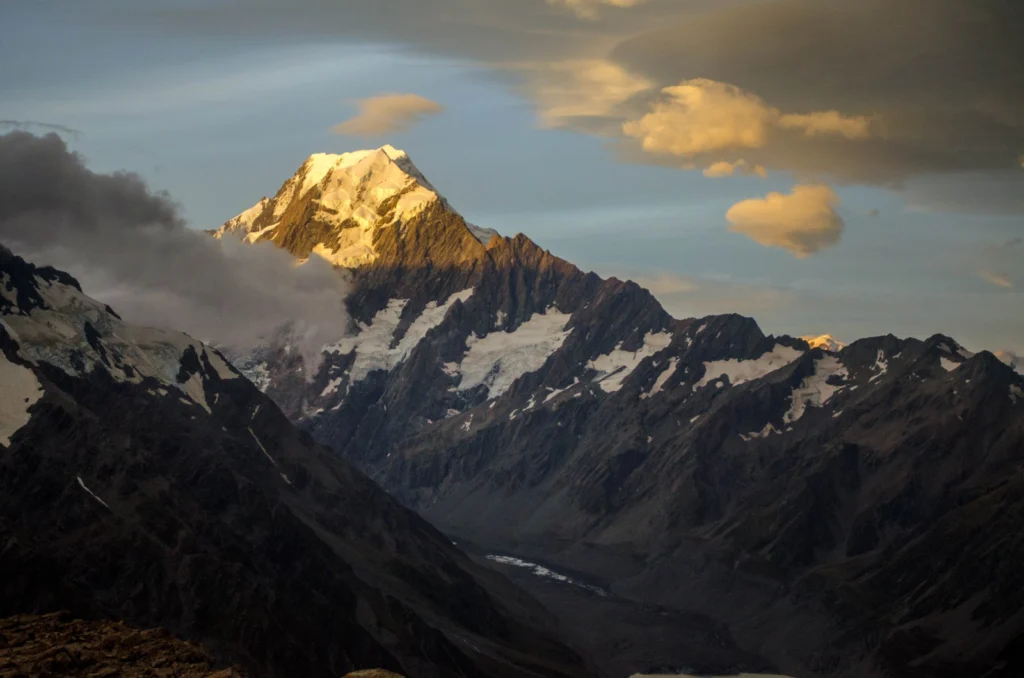
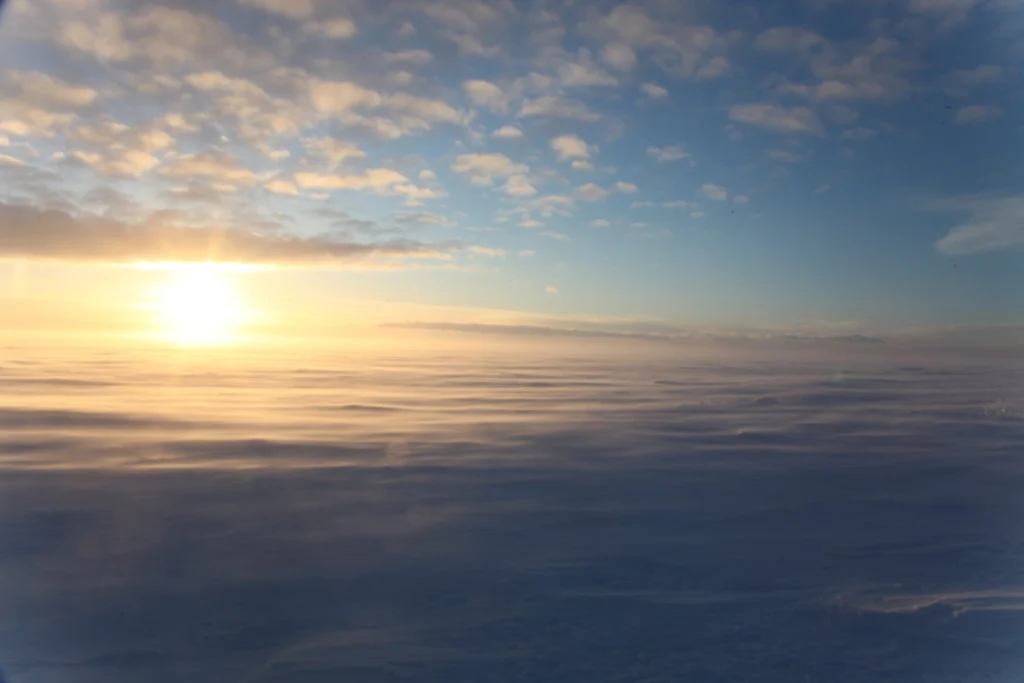
This is it! The new European horizon 2020 project on Oldest Ice has been launched and the teams are already heading out to the field, but what does “Old Ice” really mean? Where can we find it and why should we even care? This is what we (Marie, Olivier and Brice) will try to explain somewhat. …[Read More]
MOVEMBER! Cancer awareness and seismology.
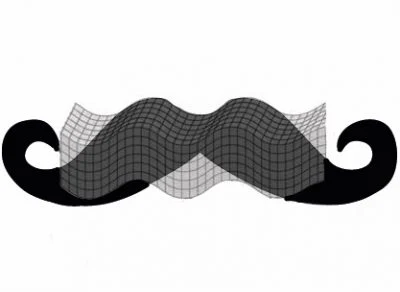
Two years ago Matthew Agius, the previous ECS-rep of the Seismology Division, wrote a post in this blog about Movember. Movember is a month-long event (in November) during which men grow their moustaches to rise awareness of cancer, especially the ones affecting men. When at the end of the month Matthew was finally getting rid …[Read More]
Image of the Week – Climate Change and the Cryosphere
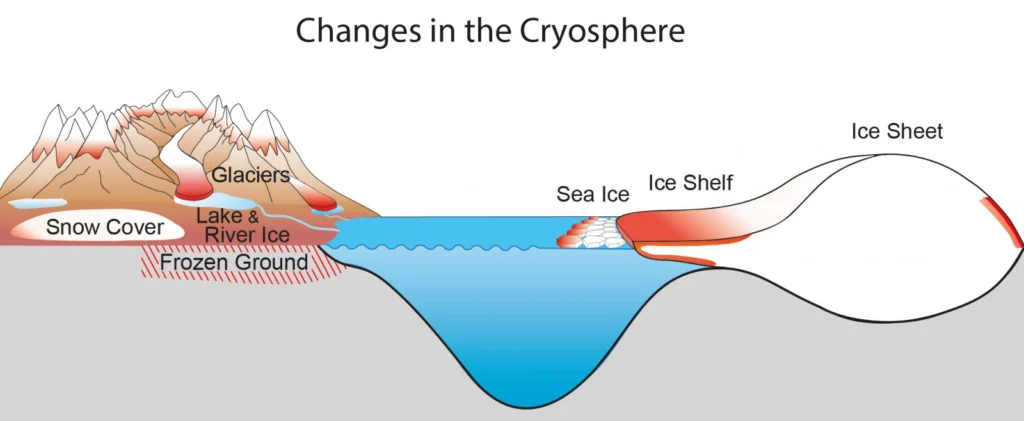
While the first week of COP22 – the climate talks in Marrakech – is coming to an end, the recent election of Donald Trump as the next President of the United States casts doubt over the fate of the Paris Agreement and more generally the global fight against climate change. In this new political context, …[Read More]
GeoTalk: Peter Lippert, understanding continental tectonics through palaeomagnetic studies
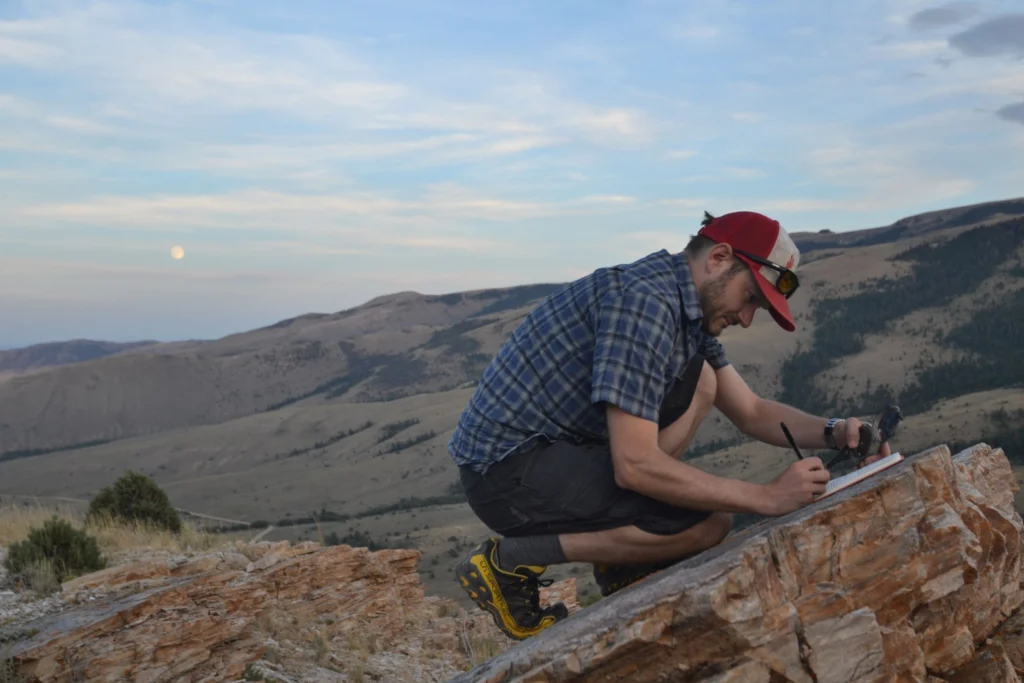
Geotalk is a regular feature highlighting early career researchers and their work. In this interview we speak to Peter Lippert, a palaeomagnetist at the University of Utah, and winner of the 2016 EMRP Outstanding Young Scientist Award. He was granted the award for his contributions to insights into palaeoceanography and continental tectonics through palaeomagnetic studies. …[Read More]
2017 SSS Best Flyer Award rules for cool conveners
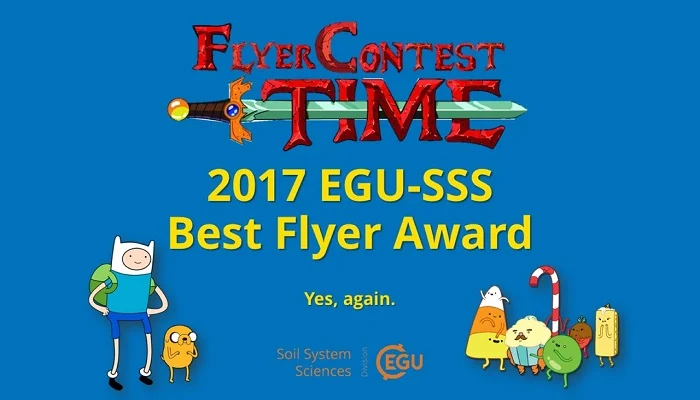
You have proposed a session for EGU2017. Now you have to announce it, spread it, spread it … The best thing you can do is design a flyer. A flyer helps to send the information and that the interested people receive and understand it quickly. For several years, the SSS has organized the flyers contest, …[Read More]
Organise a short course at EGU 2017: follow this simple guide!
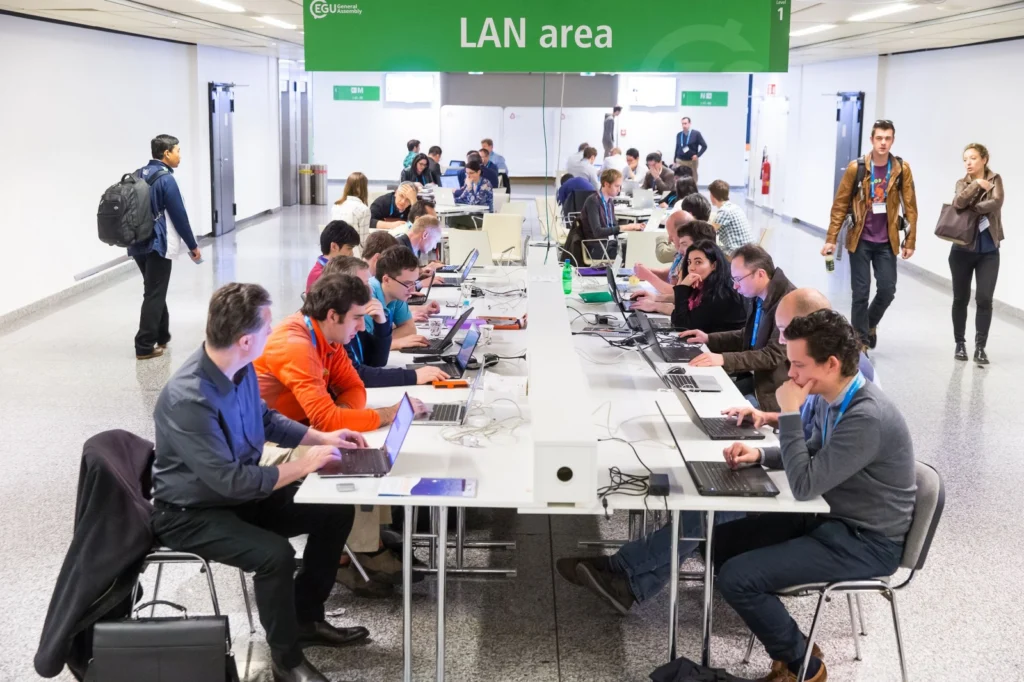
From supercharging your scientific skills, to boarding your base in science communication or picking up tips on how to boost your career – be it in academia or outside – short courses can be one of the highlights of the General Assembly programme. But, did you know that any EGU member (you!) can propose a …[Read More]
Flooding the Santorini Caldera
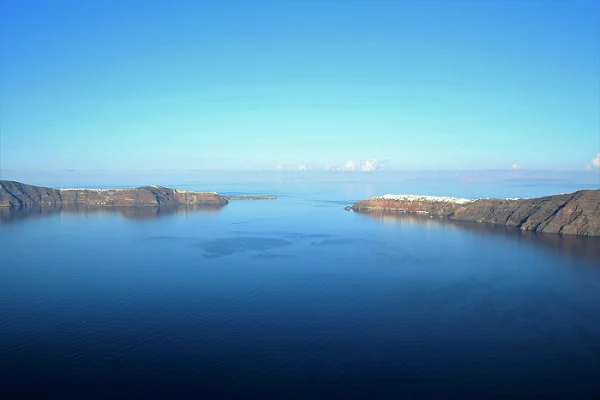
The flooded caldera of Santorini volcano holds many secrets, buried beneath the ash and pumice of its last great eruption. In the Late Bronze Age, about 3600 years ago, an explosive eruption several times larger that of Krakatoa, 1883, wreaked devastation across this thriving island. A great trading port, Akrotiri, was buried under metres of …[Read More]
EGU2017: Financial support to attend the General Assembly
The EGU is committed to promoting the participation of both early career scientists and established researchers from low and middle income countries who wish to present their work at the EGU General Assembly. In order to encourage participation of scientists from both these groups, a limited amount of the overall budget of the EGU General …[Read More]
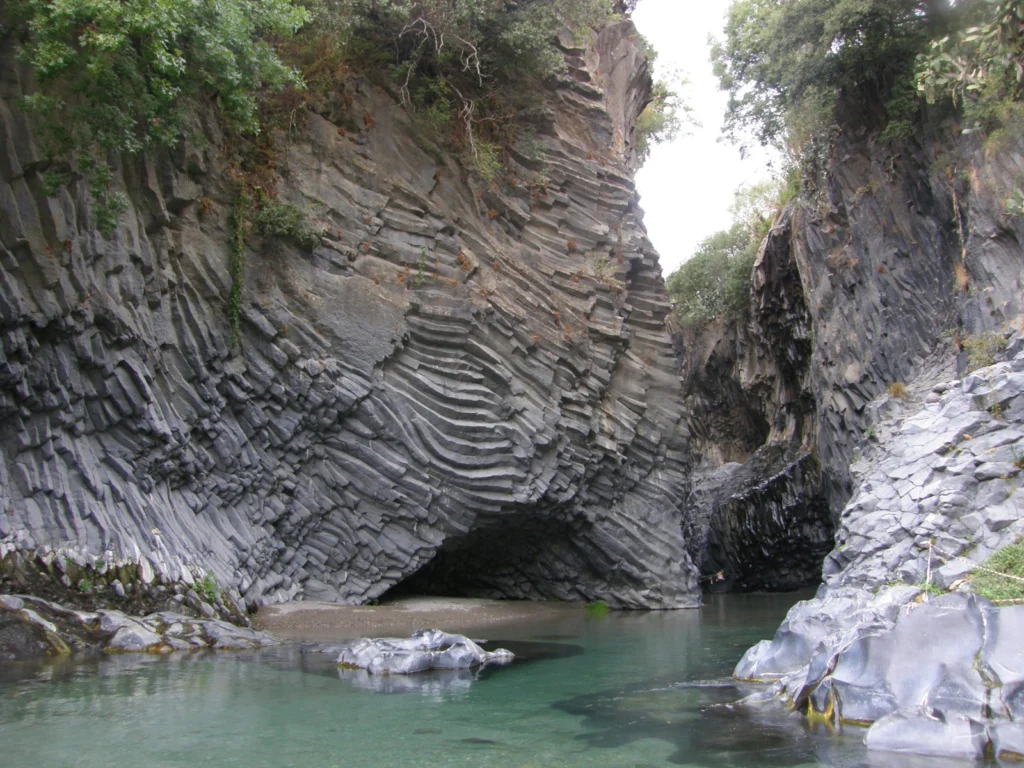
Imaggeo on Mondays: Gole dell‘ Alcantara
On account of Mount Etna (Europe’s largest volcano), the island of Sicily is peppered with geological wonders. Starting with the summit craters of the volcano itself, right through to over 200 caves formed within lava tubes, the island is packed with volcanic sights.Chief among them is Gole dell ‘Alcantara, a system of gorges formed 8,000 …[Read More]