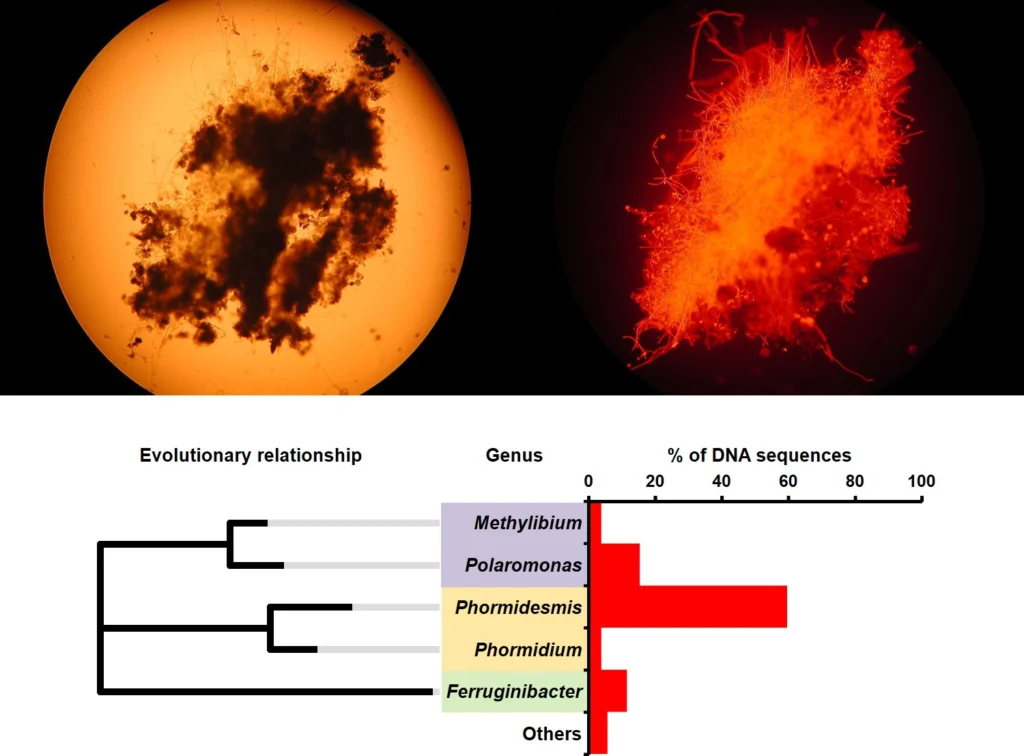
Microbes growing on glaciers are recognized for their importance in accelerating glacier melting by darkening their surface and for maintaining biogeochemical cycles in Earth’s largest freshwater ecosystem. However, the microbial biodiversity of glaciers remains mysterious. Today, new DNA sequencing techniques are helping to reveal glaciers as icy hotspots of biodiversity. To see a world in …[Read More]
Latest posts
EGU 2018 General Assembly programme is now online!
The EGU General Assembly 2018 programme is available here. Take a look and – if you haven’t already – register for the conference by 1 March to make the early registration rates! This year’s scientific programme of the General Assemby includes Union-wide Sessions, such as the medal lectures, great debates, short courses, education and outreach symposia, …[Read More]
From groundwater flow to groundwater glow: why does groundwater fluoresce in ultraviolet light?
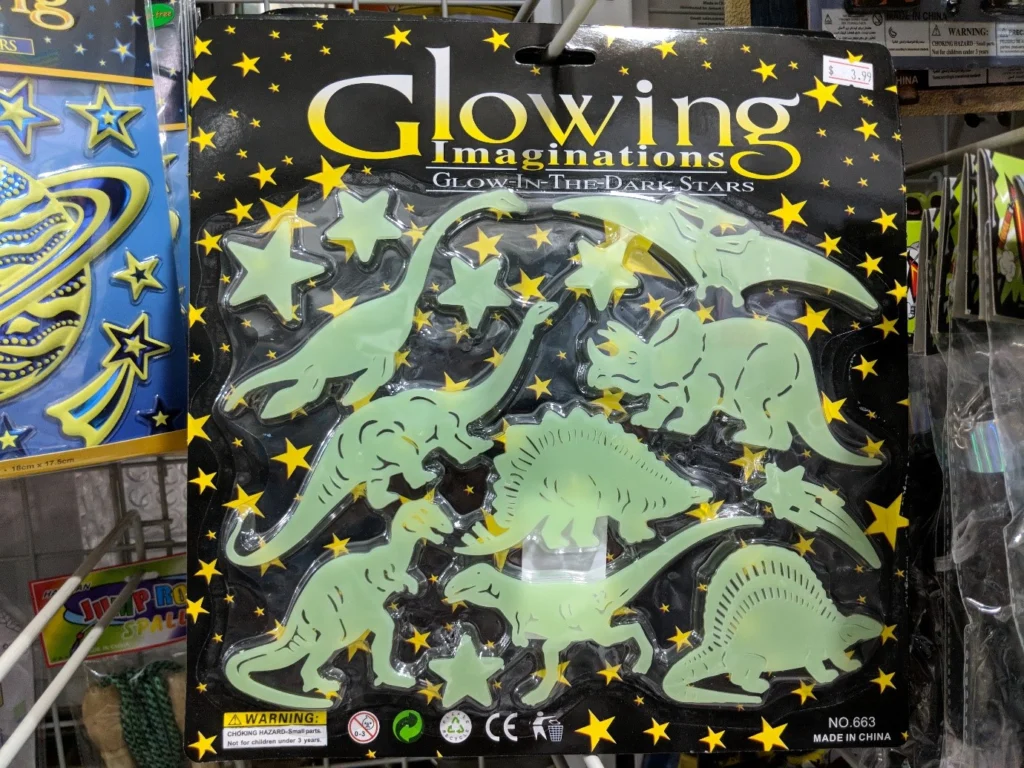
Post by Andy Baker, Professor researching groundwater, caves, past climate, organic carbon and more at the University of New South Wales, in Australia. __________________________________________________ We often come across items that glow after being exposed to ultraviolet light. Fluorescent stickers can be bought for the ceilings of bedrooms; fluorescent hands on analogue clocks and watches; fluorescent markings …[Read More]
The fantastic world of OBIA!
For today blog, we have interviewed Clemens Eisank about OBIA and its application in Natural Hazard. Dr. Clemens Eisank is Remote Sensing Specialist & Project Manager at GRID-IT Company in Innsbruck (Austria). He obtained his Ph.D. from the Department of Geoinformatics – Z_GIS at Salzburg University in 2013. In his Ph.D. research, he proposed a …[Read More]
Imaggeo on Mondays: The birth of a new ocean
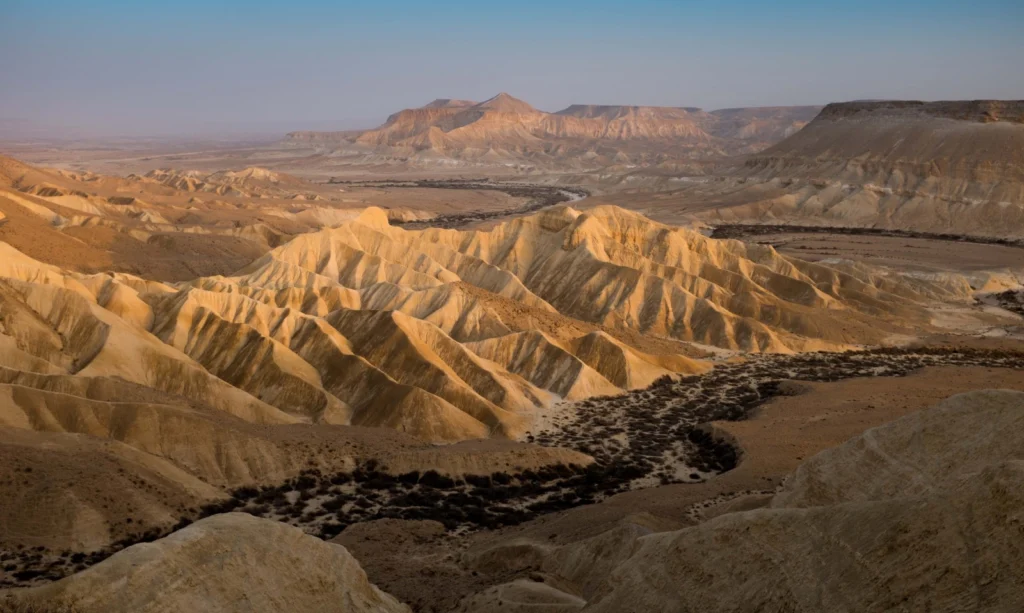
This is a photograph of Zin (or Tzin) Valley, taken from Midreshet Ben Gurion at Sede Boker, Negev Desert in Israel. The Zin Valley takes its name from the River Zin, which is now a dry river except for a few days of the year when heavy rainfall can form dangerous flash floods. The River Zin …[Read More]
Image of the week – Skiing, a myth for our grandchildren?
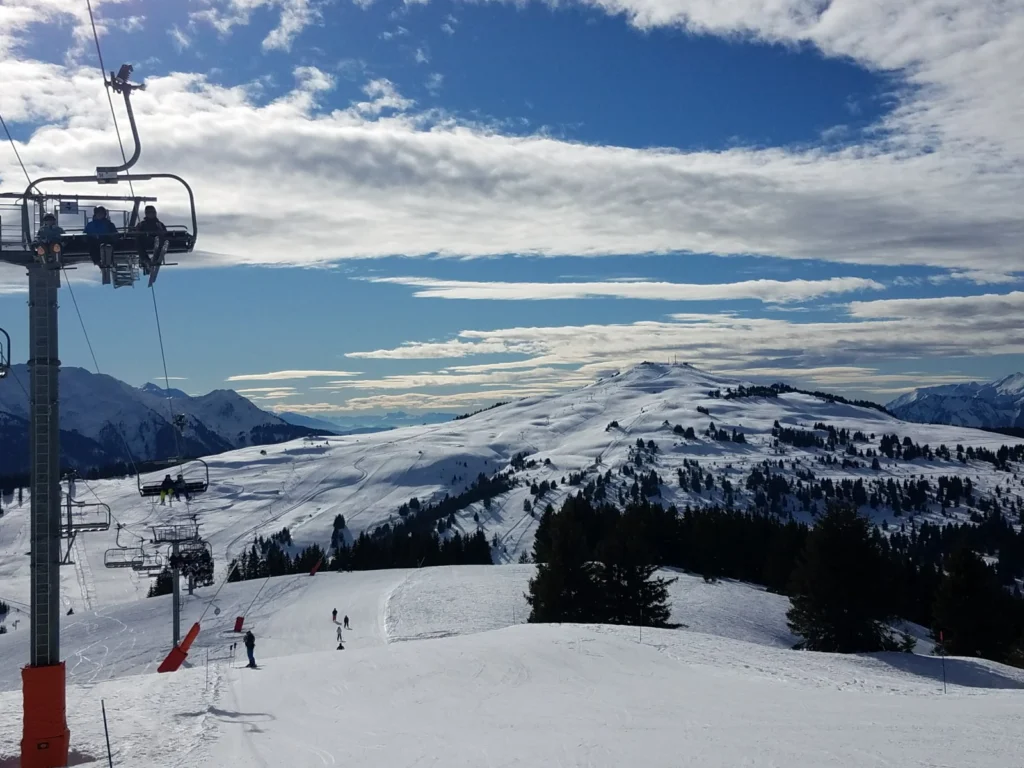
Ski or water ski? Carnival season is typically when many drive straight to the mountains to indulge in their favorite winter sport. However, by the end of the century, models seem to predict a very different future for Carnival, with a drastic reduction in the number of snow days we get per year. This could …[Read More]
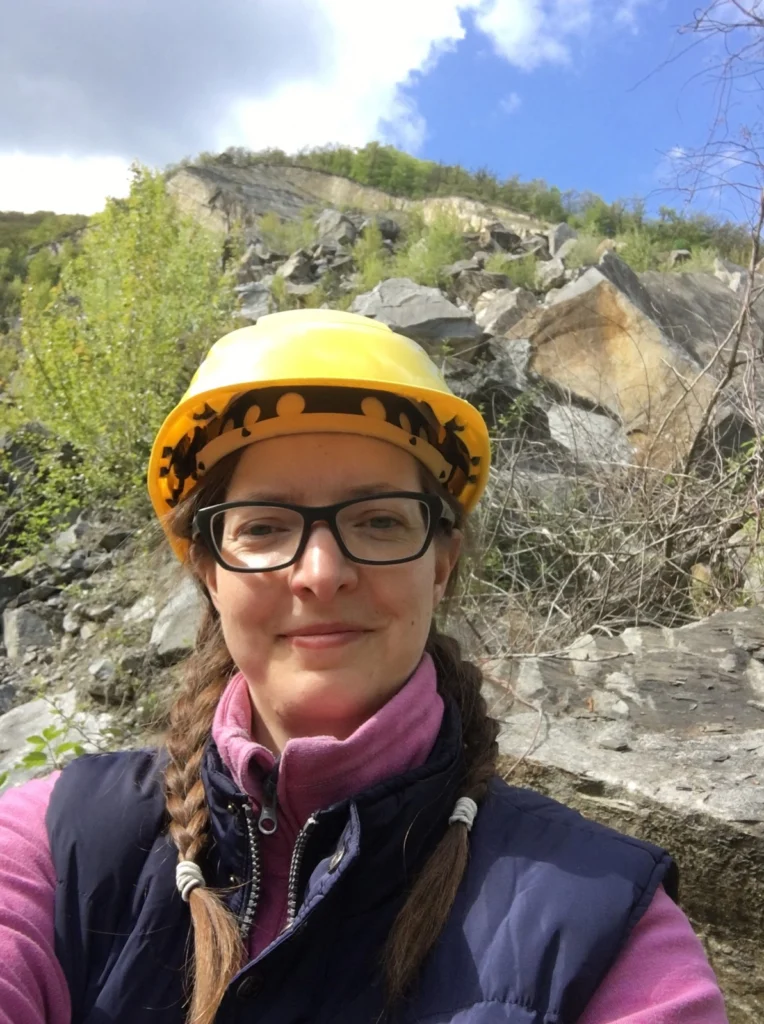
GeoTalk: Stephanie Zihms, Early Career Scientist Representative
In addition to the usual GeoTalk interviews, where we highlight the work and achievements of early career researchers, this month we’ll also introduce one of the Division early career scientist representatives (ECS). They are responsible for ensuring that the voice of EGU ECS membership is heard. From organising short courses during the General Assembly, through …[Read More]
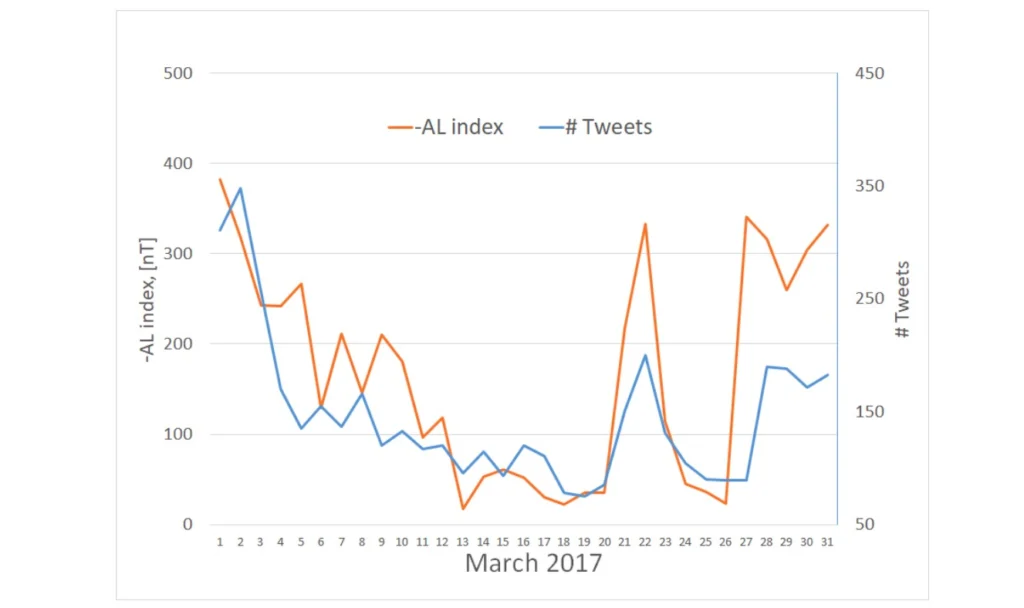
Social media response to geomagnetic activity
Social media platforms offer every person with internet access the possibility to share content of various kind. The recent increase in social media use globally give birth to new tools and insights, from a different perspective. The size of, and the global nature of the user driven social media, makes one expect it to include …[Read More]
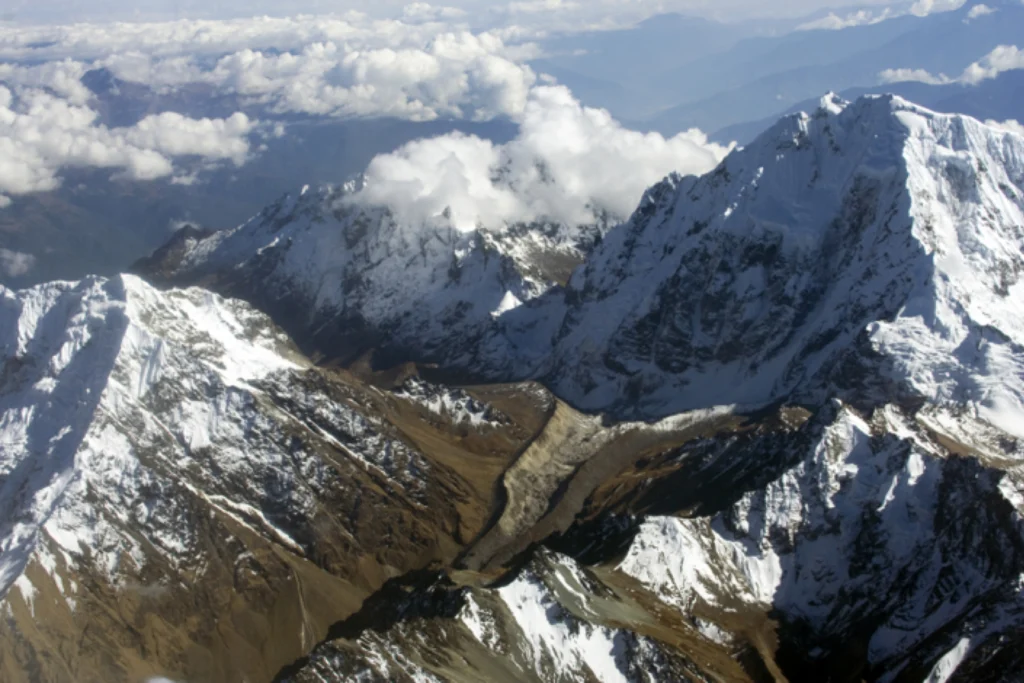
Mountain glacier variations: natural thermometers and rainfall gauges
Name of proxy Fluctuations of mountain glaciers Type of record Geomorphological features Paleoenvironment Continent – High mountain areas Period of time investigated From historical periods (c.a. 300 years ago) to the end of the Pleistocene (up to 200 000 years back in time) How does it work? Mountain – or “alpine” – glaciers are small …[Read More]
Last chance to enter the EGU Photo Contest 2018!
If you are pre-registered for the 2018 General Assembly (Vienna, 8 -13 April), you can take part in our annual photo competition! Winners receive a free registration to next year’s General Assembly! But hurry, there are only a few days left to enter! Every year we hold a photo competition and exhibit in association with our open access …[Read More]