
Oceans are “populated” by millions of specimens of microscopic organisms which constitute the phytoplanktonic communities (e.g. diatoms, dinoflagellates, cyanobacteria and coccolithophorids). These tiny organisms are important indicators of the “health” of present oceans and their remains constitute important tracers of past paleoenvironmental conditions. The ocean is in fact the oldest and largest ecosystem on Earth …[Read More]
Latest posts
Let’s talk about disability in geosciences
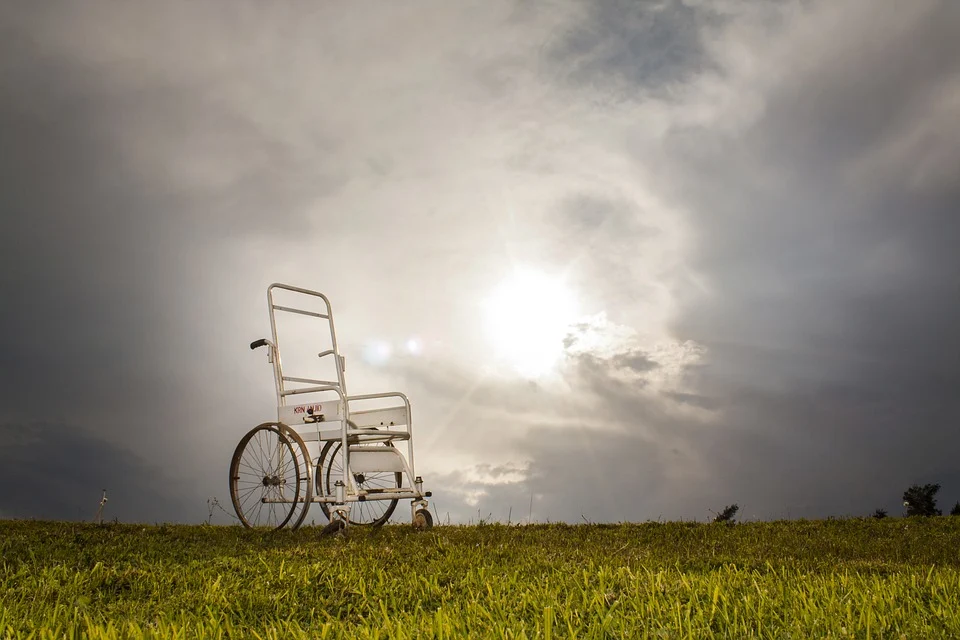
Climbing towards outcrops during fieldwork for your undergraduate studies simply isn’t doable for everyone. However, this doesn’t mean that there are adequate alternative solutions available. This week, Katy Willis, PhD student on strain-localisation in the continental lithosphere at the University of Leeds, UK, discusses disability in the geosciences, because regardless of who you are a …[Read More]
Minds over Methods: Linking microfossils to tectonics
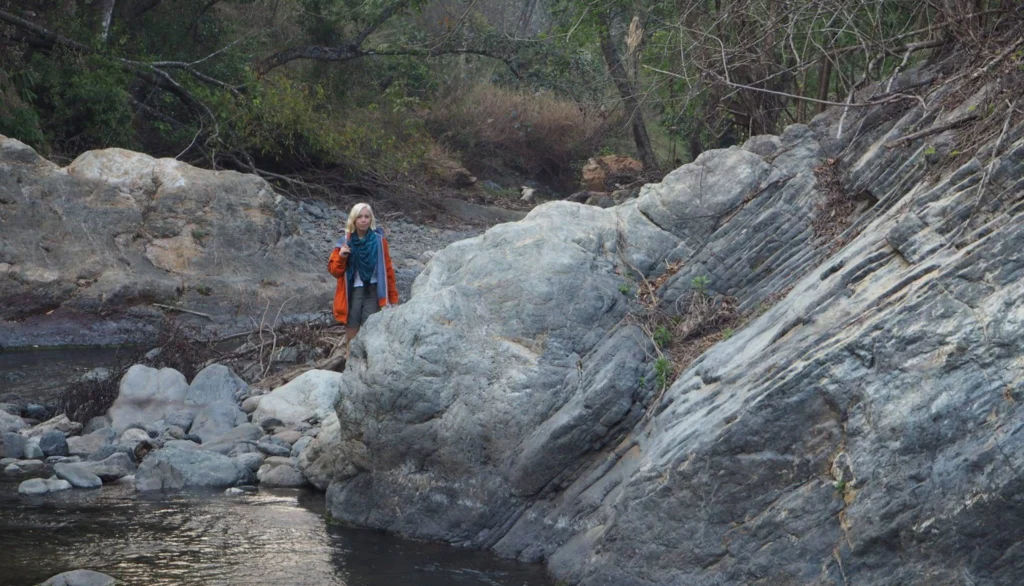
This edition of Minds over Methods article is written by Sarah Kachovich and discusses how tiny fossils can be used to address large scale tectonic questions. During her PhD at the University of Brisbane, Australia, she used radiolarian biostratigraphy to provide temporal constraints on the tectonic evolution of the Himalayan region – onshore and offshore on board …[Read More]
GeoPolicy: How science supported the EU’s new land use and forestry regulation
What is the land use and forestry regulation? In October 2014, the EU agreed that all sectors, including land and forestry, should contribute to the EU’s 2030 climate & energy framework target to reduce greenhouse gas emissions by at least 40% by 2030 compared to 1990 levels. Almost 4 years later, in May 2018, the …[Read More]
The emergency of disaster emergency planning
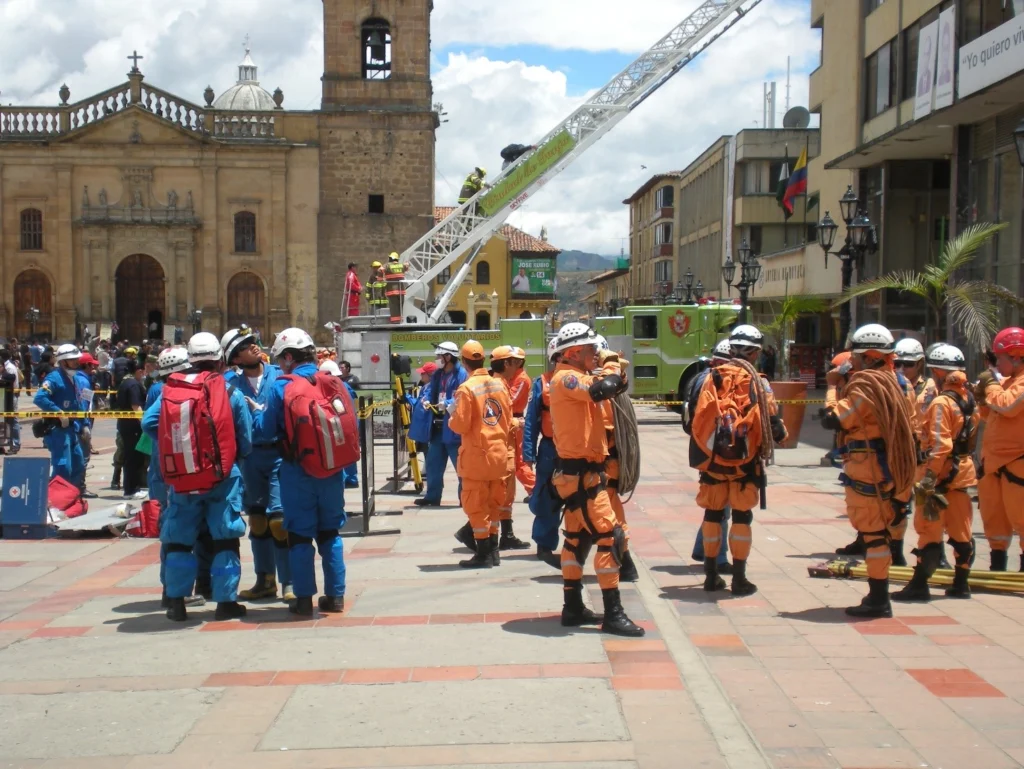
Today I have the honour to introduce Prof. David Alexander as our guest. David is Professor of Risk and Disaster Reduction at University College London (UK). His expertise comprises holistic aspects of disaster risk reduction and practical matters in emergency planning and management. He has also worked as Scientific Director of the Advanced School of …[Read More]
Imaggeo on Mondays: Arctic cottongrass in Svalbard
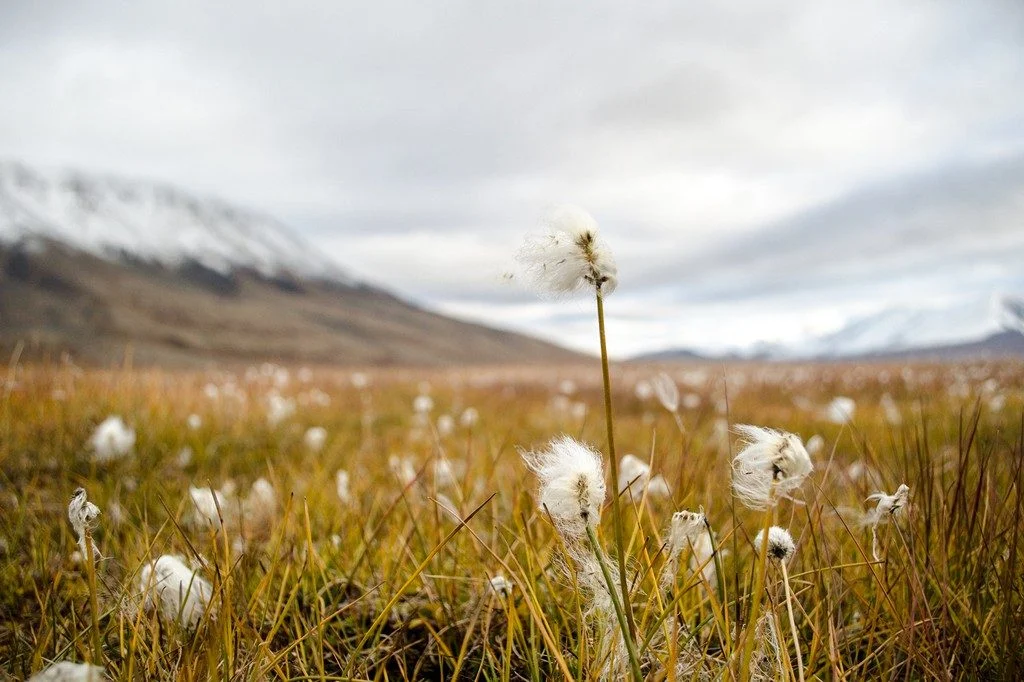
In the High Arctic, where vegetation is limited in height, cottongrass stands out as some of the tallest plant species around. This photo shows a wispy white patch of Arctic cottongrass growing amongst other tundra vegetation in the Advent river floodplain of Adventdalen, a valley on the Norwegian archipelago island Svalbard. Svalbard is of particular …[Read More]
Image of the Week – Inspiring Girls!
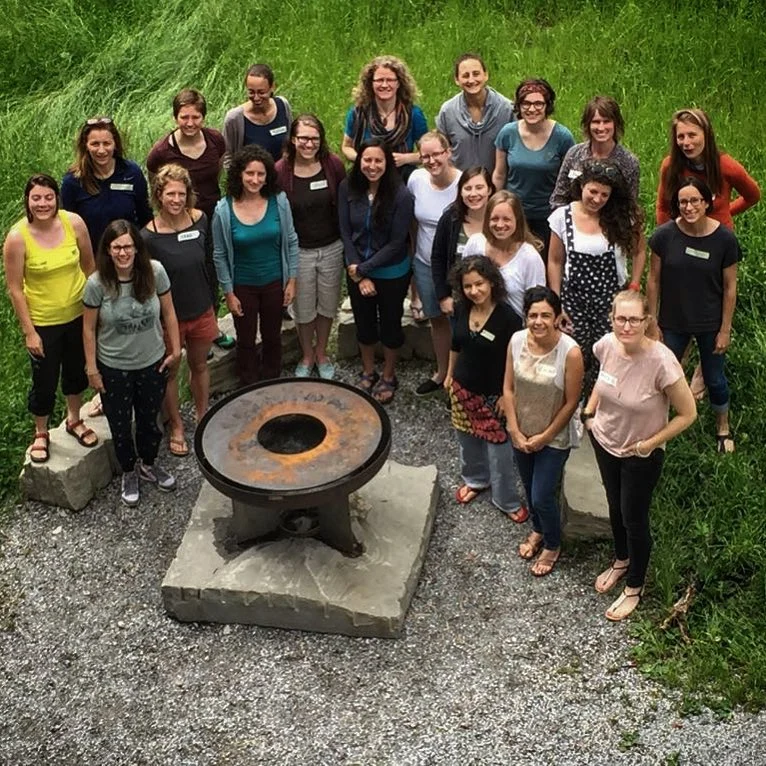
What, you may ask, are this group of 22 women doing standing around a fire-pit and what does this have to do with the EGU Cryosphere blog? This group of scientists, artists, teachers, and coaches gathered 2 weeks ago in Switzerland to learn how to become instructors on an Inspiring Girls Expedition. But what, you may …[Read More]
How to convene a session at the General Assembly… in flow charts!

Convening a session at a conference can seem daunting, especially if you are an early career scientist (ECS) and a first-time convener. At the 2018 General Assembly, Stephanie Zihms, the Union-level ECS representative, discussed the basics of proposing, promoting and handling a session in the short course ‘How to convene a session at EGU’s General …[Read More]
Happy blog birthday!

If the title and image didn’t tip you off: the EGU Geodynamics blog is celebrating its first anniversary! Almost exactly 1 year ago (okay, so it’s one year and one day, because I wanted to stick to the Wednesday upload schedule), the EGU GD blog was launched! Yay! Applause! Good thing we’re not insanely vain …[Read More]
Imaggeo on Mondays: Science in the Arctic trenches
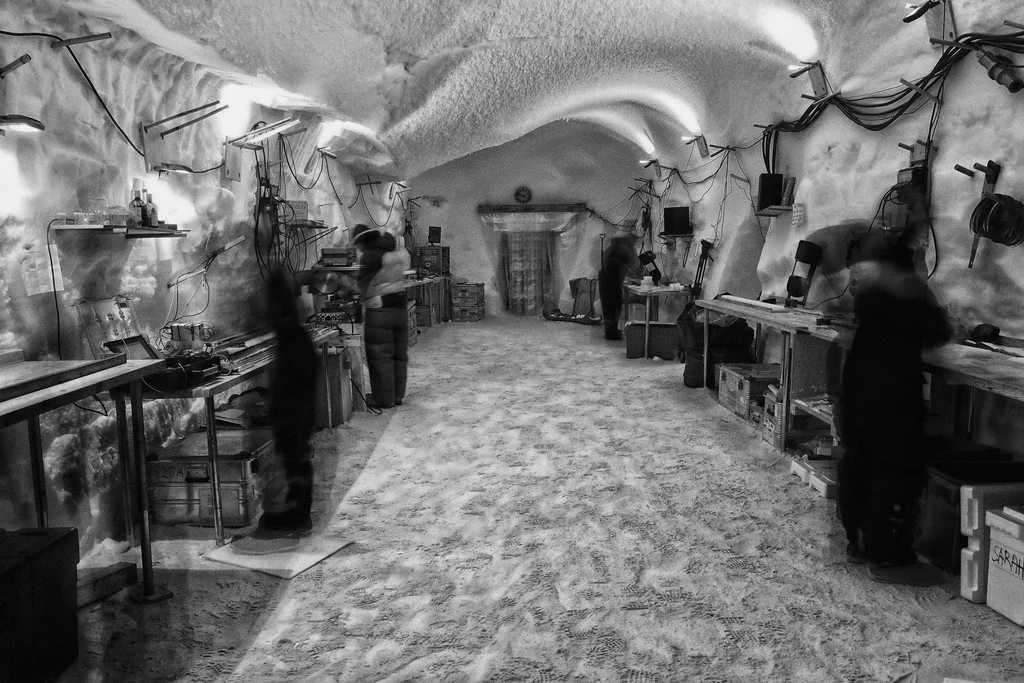
Pictured here are climate scientists processing ice core samples in the East Greenland Ice-core Project (EastGRIP) science trench 10 m under the surface of the Greenland ice cap. The trenches of this ice core camp require minimum building materials, utilising giant inflatable balloons that are dug in and covered with snow. The snow is left …[Read More]