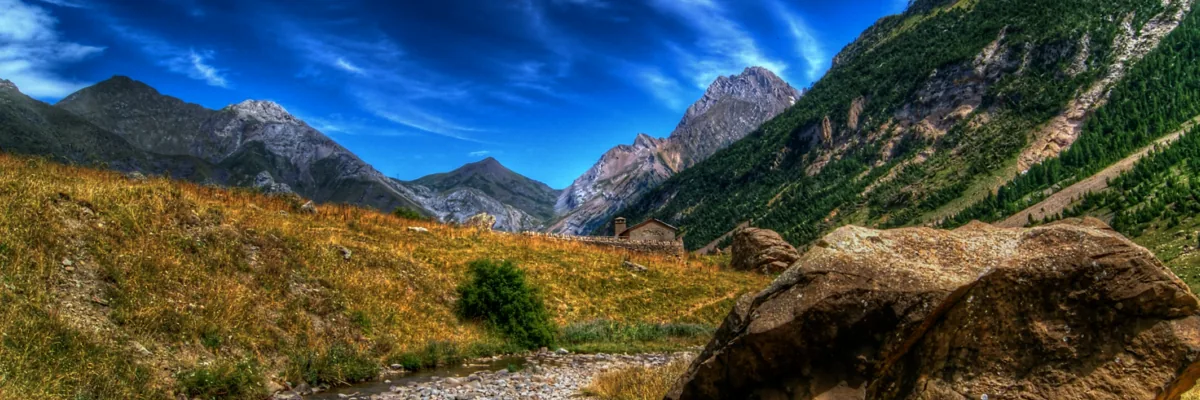
This week, Antoine Rozel, senior researcher in ETH Zürich, gives us good news about carbon footprint. We can take the global warming problem as a pretext to change some of our arbitrary habits and make our communication much more efficient! Global warming is real and yes we do need to drastically decrease our carbon footprint. …[Read More]
Latest posts
Imaggeo on Mondays: Journey to Bolivia’s Laguna Negra
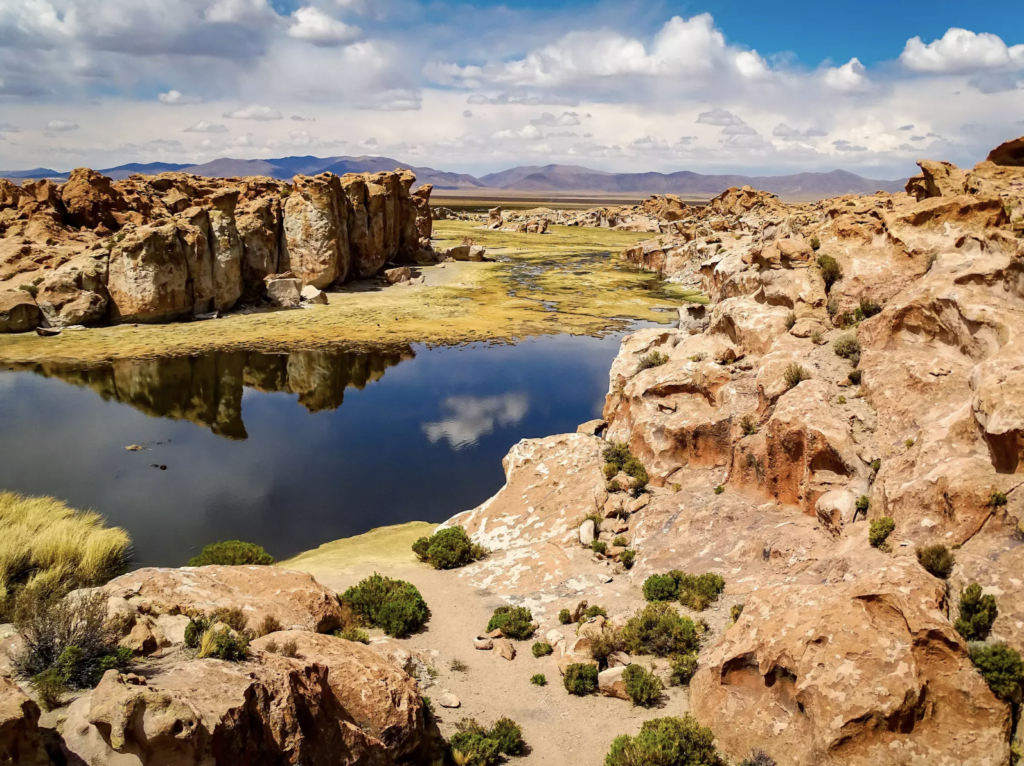
This week’s featured photo showcases one of the most geologically diverse landscapes of South America: the Altiplano, the high plateau of the Andes. This plateau covers roughly 200,000 square kilometres in central South America, stretching from southern Peru to northern Argentina. The high-elevation plain sits between the eastern and western chains of the Central Andes …[Read More]
Time for submissions: sessions proposed by NhET at the next EGU General Assembly!
We are getting closer to 2020 and one of the first deadlines is for the submission of abstracts for the next EGU General Assembly (GA) in Wien, from the 3rd to the 8th of May 2020. The Natural hazards Early career scientist Team (NhET) has proposed several sessions and short courses also for next GA. …[Read More]
NP Interviews: the AGU 2019 Turcotte awardee Vera Melinda Galfi
Before pursuing a scientific career, Melinda studied economics and worked in the field for several years. Her scientific career took place until now in Hamburg, Germany, where she completed both her undergraduate and graduate studies in meteorology. Melinda finished her PhD in 2018 under the supervision of Valerio Lucarini, studying extreme events in chaotic atmospheric …[Read More]
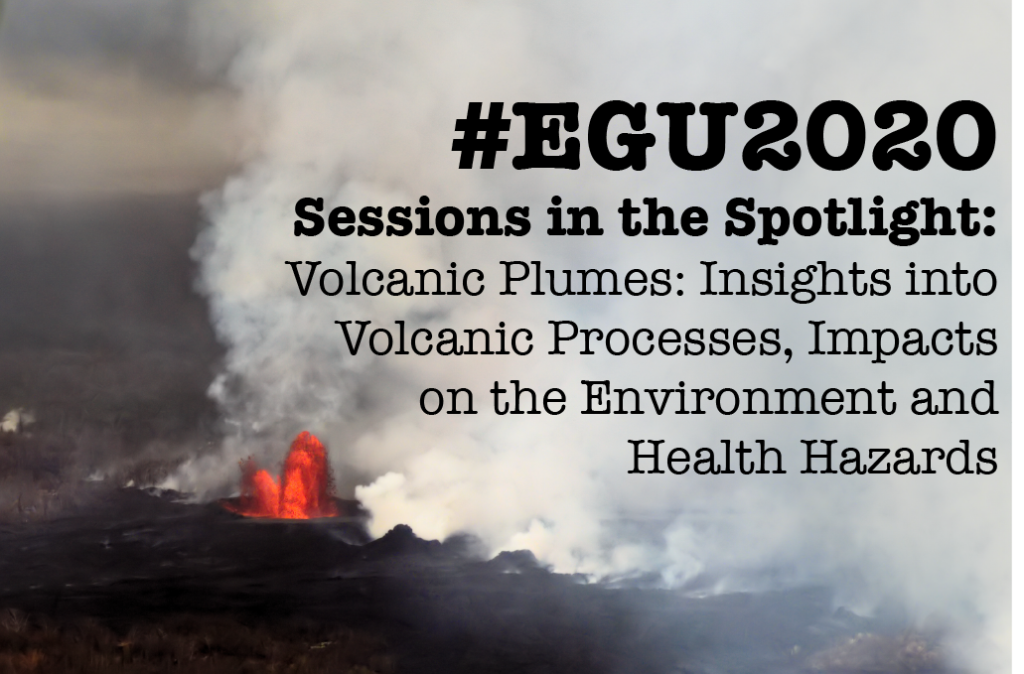
#EGU2020 Sessions in the Spotlight: Volcanic Plumes: Insights into Volcanic Processes, Impacts on the Environment and Health Hazards
Thinking about submitting an abstract to EGU 2020? Fancy a week in beautiful Vienna, the city with the highest concentration of gelaterias outside of Italy*? Like in a Viennese gelateria, the amount of choice confronting you when trying to decide a session can be overwhelming. We are here to help! Every few days we will …[Read More]
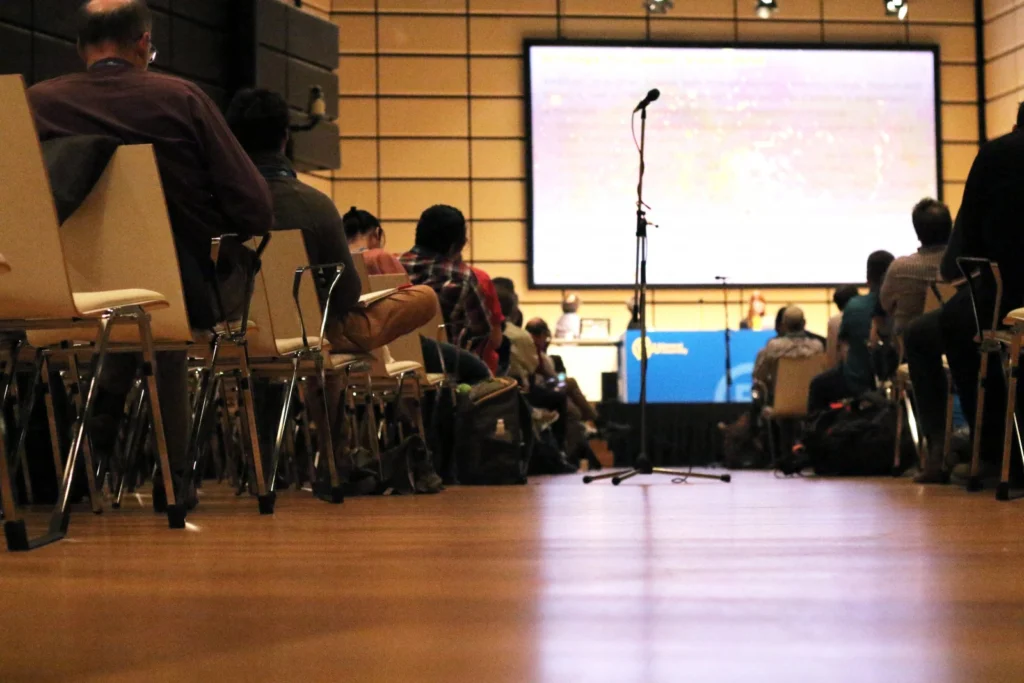
Giving everyone a voice: EGU President on promoting diversity and inclusion at scientific meetings
Conferences offer scientists the opportunity to share ideas, collaborate with peers, expand their networks and gain inspiration and fresh perspectives from other researchers and cutting-edge topics. These meetings bring scientists from around the world together for the purpose of advancing science, addressing societal and environmental challenges and strengthening the scientific community. However, for such conferences …[Read More]
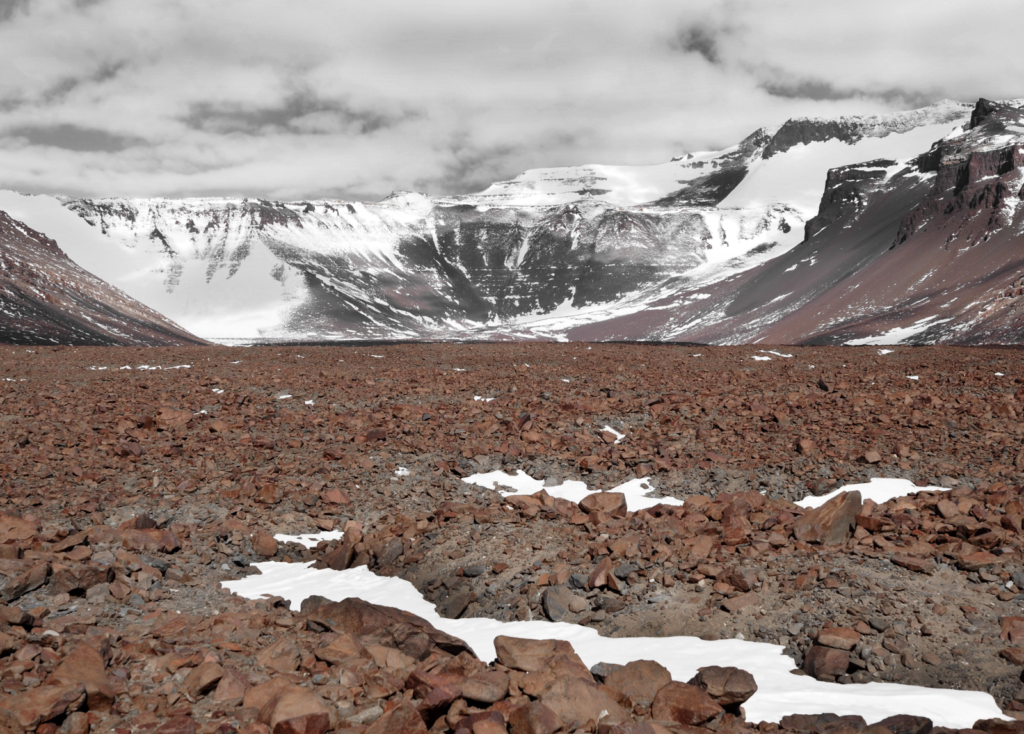
Image of the Week – Desert Varnish, Antarctica Style
If you had to describe Antarctica with one colour, red is probably the last one you would pick. However, some parts of the so-called white continent can be surprising in their colours. Today’s Image of the Week shows us that some parts of Antarctica — Beacon Valley in this case – can be strikingly similar …[Read More]
The Sassy Scientist – No Pinocchio
Every week, The Sassy Scientist answers a question on geodynamics, related topics, academic life, the universe or anything in between with a healthy dose of sarcasm. Do you have a question for The Sassy Scientist? Submit your question here or leave a comment below. Though wanting any former student to reach as high as possible in …[Read More]
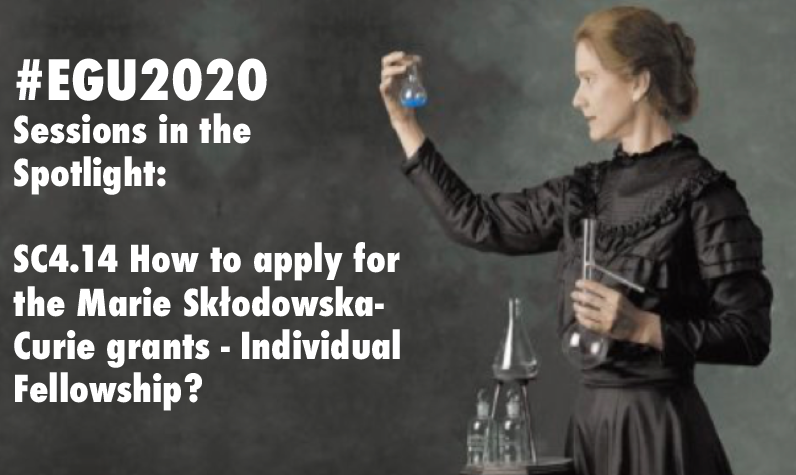
#EGU2020 Sessions in the Spotlight: How to Apply for a Marie Skłodowska-Curie grant
One of the often underrated parts of a conference are the short-courses – these give us a way to spend some time learning a topic in detail. If you find that it’s tough to really digest information in a 15 minute talk, then the short courses are for you! Today we are highlighting a potentially …[Read More]
Palaeoclimate Data Syntheses: Opportunities and Challenges
Reconstructing past climate states from geological records is crucial for understanding the causal mechanisms that originated them. These can occur at time-scales which are much longer than the periods for which humans have been measuring climate variables such as temperature in meteorological stations. Such climate reconstructions provide a long-term context to the magnitude of the …[Read More]