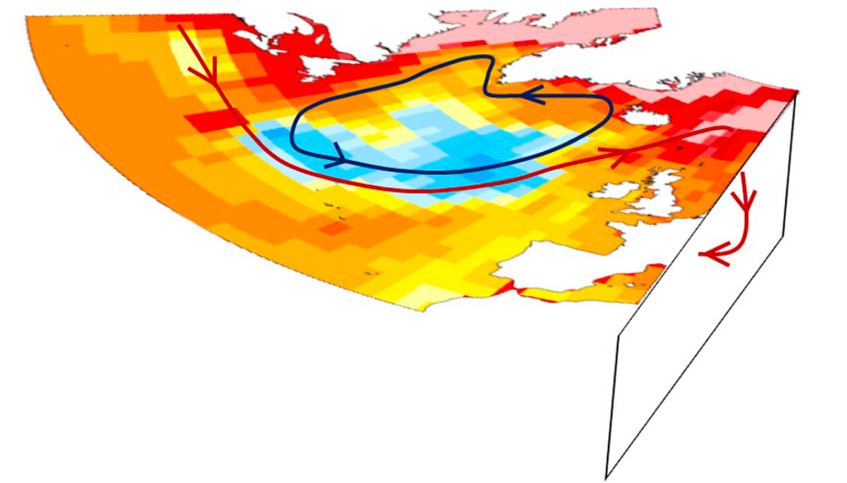
One of the only regions that have been observed to cool over the past century is the North Atlantic cold blob just south of Greenland. In our recent paper, we analyse the cold blob or “warming hole” and the processes that contribute to its creation and evolution. While sea surface temperature has been reliably observed, …[Read More]
Latest posts
What’s it like to be black in academia?
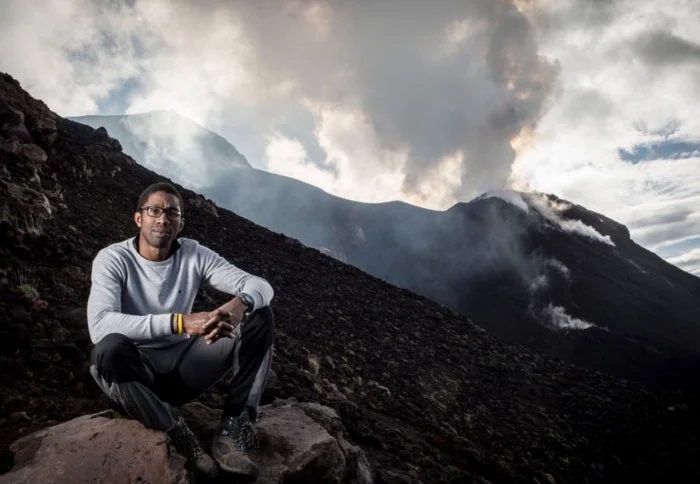
Maria, a member of our ECS team, recently interviewed Professor Christopher Jackson from Imperial College, London, UK. The idea of this interview arose after protests swept across the US, triggered by the murder of George Floyd. Resurfacing the recurring and unsolved issue of racial biases, these protests highlighted that fact that racial inequality is not …[Read More]
Baking geological cakes!
Who doesn’t love baking? Seriously, baked goods are the best: with or without gluten, with or without chocolate. But you know what makes every bake out there even better? A geological theme. You heard it here first! This week, Ruth Amey, postdoctoral researcher and programme manager of the Earth Observation Center for Doctoral Training at …[Read More]
Imaggeo On Monday: Burnt roots
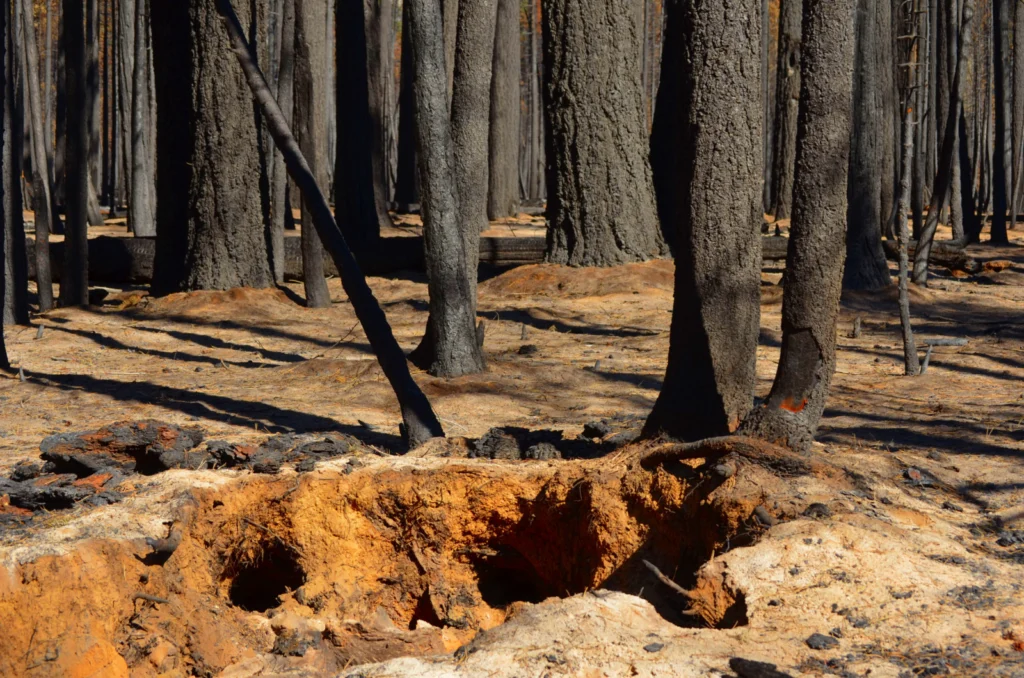
Fires are a common and often natural worldwide phenomena, that are often integral to the lifecycle of certain land-based ecosystems. Despite this, frequent or unusually intense fires can have significant effects on plant productivity, plant community composition and root properties. Although many trees have evolved to grow in fire prone areas, they usually have certain …[Read More]
To be or not to be a ‘natural’ disaster: that is the question
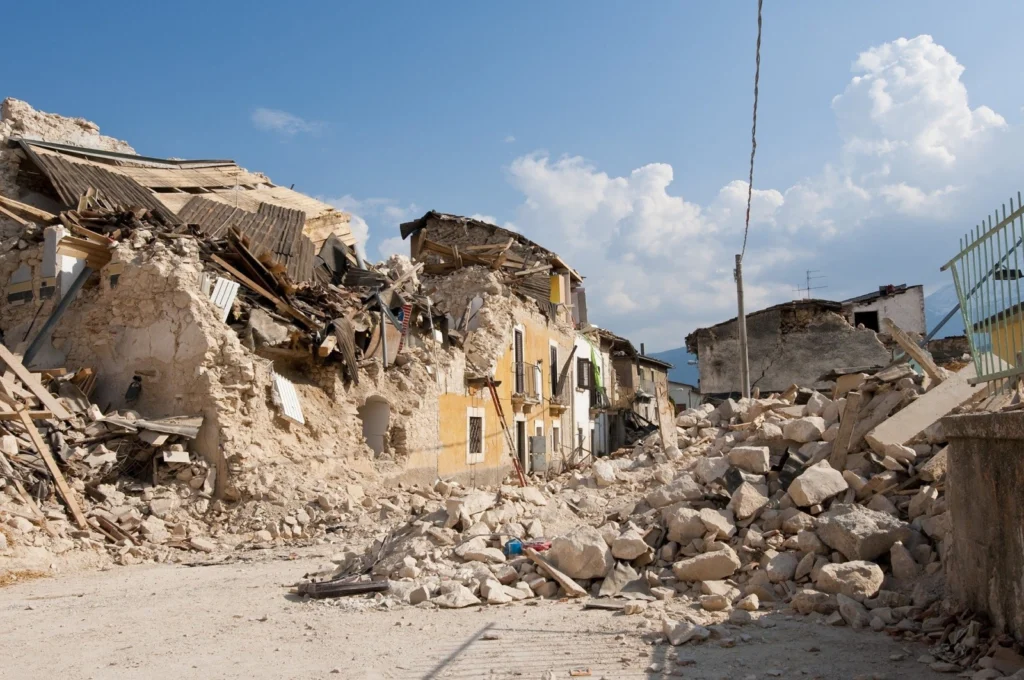
The story of science is replete with theories that only become accepted by the scientific community after long and protracted uphill battles, said Howard Wolinsky in his commentary in Science and Society in 2008. Sometimes they are rejected, ridiculed, or they take time to be validated, digested, and likely accepted. However, in my opinion, the …[Read More]
Earthquake of the month: Simeonof – Alaska M 7.8
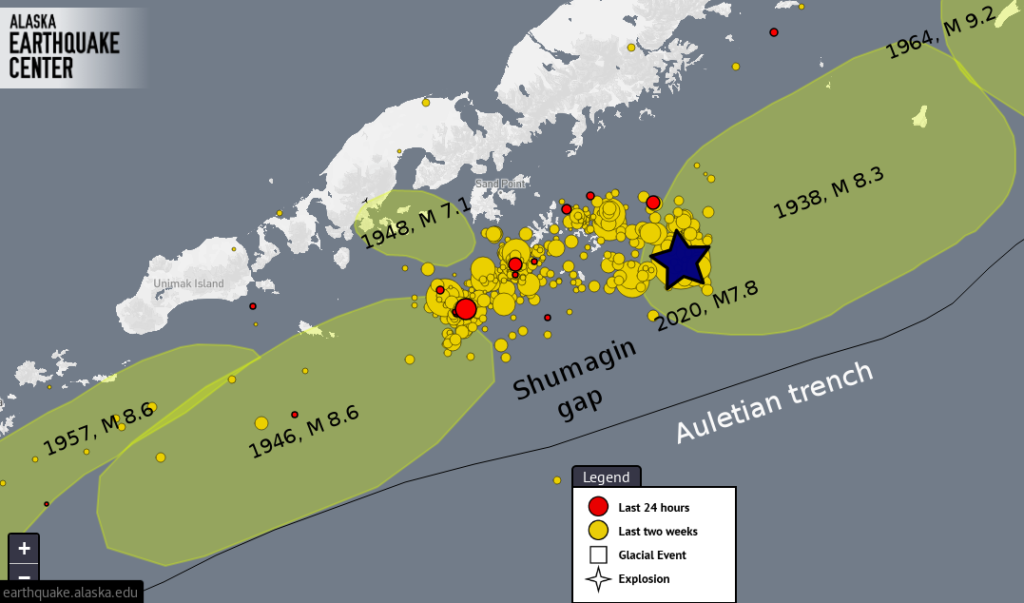
On July 22nd, Alaska was the scene of last month’s largest earthquake, a Mw 7.8 earthquake that hit the Aleutian Islands, offshore the Alaska Peninsula. The hypocenter location, tectonic setting and focal mechanism suggest a megathrust earthquake. The hypocenter of the so called Simeonof earthquake is located at the western edge of the historical 1938 …[Read More]
The Sassy Scientist – Snobs Away!
As lockdown eases in many places, Stefan is beginning to think of an academic future away from his sofa. He asks the question: How much does university ranking matter when choosing a PhD position? Dear Stefan, Choosing a PhD program is tough. It’s a bit like getting married: for better or worse, until death us …[Read More]
TS Must-Read – Hubbert and Rubey (1959)
“The Role of Fluid Pressure in Mechanics of Overthrust Faulting” by Hubbert and Rubey is a “groundbreaking” article from the end of the 1950s. It’s a remarkable piece of research, written in an old-fashioned way, for modern standards. Many ECS that may not have read the original paper yet are certainly familiar with its textbook …[Read More]
Xavier Sánchez-Vila (2020 Henry Darcy Medallist) on these strange times and the usefulness of scientific thinking
The EGU 2020 Henry Darcy Medal of the EGU Division on Hydrological Sciences was awarded to Xavier Sánchez-Vila in recognition of his innovative theoretical work and practical solutions regarding aquifer characterisation, subsurface solute transport processes and managed aquifer recharge. Given the online EGU 2020 GA, the medal lecture was however postponed to 2021. We then …[Read More]
Science and Engineering in the Civil Service – by Heather Britton
Governments need scientists, and Heather Britton is telling you what to expect if you decide to join the Civil Service Fast Stream. For the past year, I have been on the Science and Engineering Fast Stream scheme. As the graduate recruitment season is in full flow, I thought there would be an interest in describing …[Read More]