Detail of a photo: Large angular boulder beside a shallow pebbly stream in a grassy mountain valley, below steep forested slopes and rocky peaks under a dramatic blue sky, in heavily processed colours.
EGU Blogs

Latest posts

NP

ECS Spotlight: When “Day Zero Drought” Dries the Tap: How Drought is Reshaping Water Scarcity in the Anthropocene

ECS Spotlight: When “Day Zero Drought” Dries the Tap: How Drought is Reshaping Water Scarcity in the Anthropocene

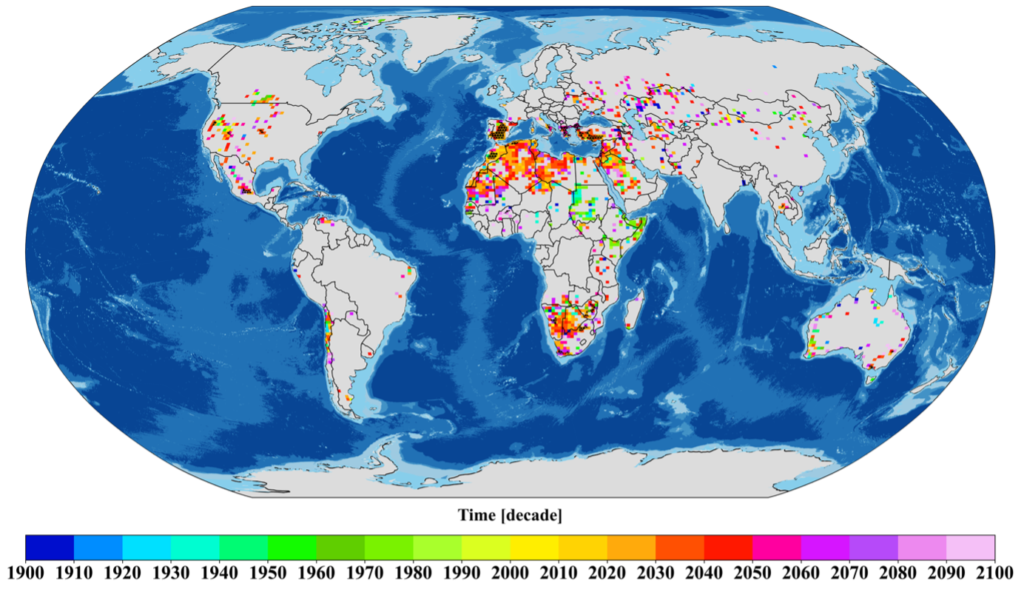
Extreme events are becoming increasingly observable, intense, and interconnected. Drought, traditionally viewed as a regional and temporary phenomenon, is now undergoing a fundamental shift.  We introduce the concept of “Day Zero Drought” to describe a threshold where water demand exceeds available supply under persistent drought conditions. This study shows that water scarcity is no longer …[Read More]

GeoPolicy: Jump into Science for Policy at EGU26!

GeoPolicy: Jump into Science for Policy at EGU26!

Each year, the EGU General Assembly offers a diverse programme of scientific and skills-focused sessions where participants can explore new research, grow their network, broaden their expertise, and build new skills. Among these are sessions that focus on science for policy, showcasing how researchers can start engaging in policymaking, connect with decision-makers, and create policy …[Read More]

Organise your own events at EGU26 with the Pop-Up Networking Scheduler!

Organise your own events at EGU26 with the Pop-Up Networking Scheduler!

Pop-up networking returns for the #EGU26 General Assembly! Attendees can add their own events to the conference programme using the pop-up scheduling tool. Events can either be virtual or in-person, and include a number of tagging options to communicate the event theme to other attendees. The pop-up networking scheduling tool is live right now! Anyone attending …[Read More]

CL

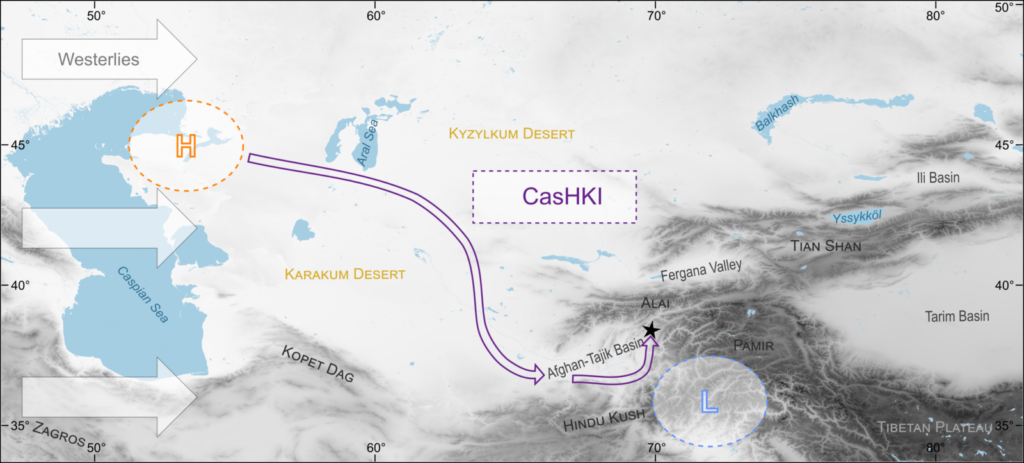
Winds of change – How can we reconstruct the directions of winds in the past?

Winds of change – How can we reconstruct the directions of winds in the past?

Invited guest from the EGU 2025 Outstanding Student and PhD candidate Presentation (OSPP) Award Wind is not easily visible. On historical time scales, its directions and velocities have been measured and recorded by instruments. To some degree, these parameters can also be simulated by climate models. But how about winds in the more distant past? …[Read More]

Footprints reveal climate’s mark on mudflats

Footprints reveal climate’s mark on mudflats

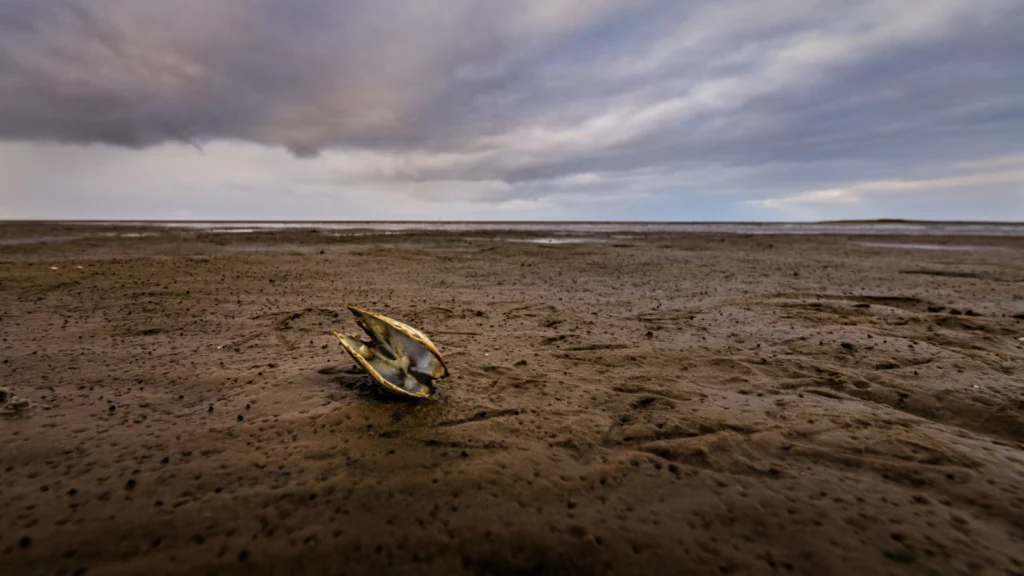
Tidal flats, the muddy reaches of estuaries unveiled at low tide, support rich ecosystems and fisheries worldwide. But these habitats are under threat from climate change, as sea level rise overwhelms the landscape and heavy rainfall scours away the sediment – impacts that scientists are only just beginning to explore. In an effort to understand …[Read More]