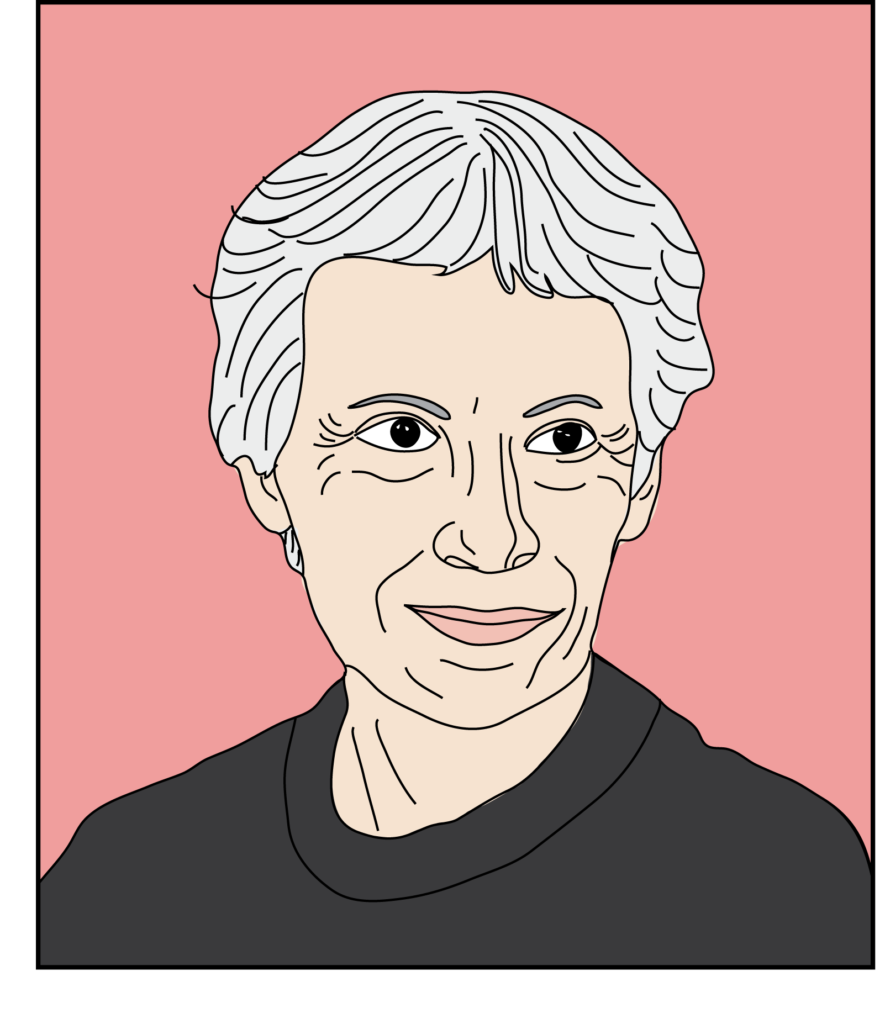
On a late summer day in September 1923, Janet Vida Watson was born. With a father working in palaeontology and a mother who did research in embryology until her marriage, Janet grew up with science all around her. She went to South Hampstead High School, known for its science teaching and continued her education in …[Read More]
Latest posts
GeoLog
GeoRoundup: the highlights of EGU Journals published during January!
Each month we feature specific Divisions of EGU and during the monthly GeoRoundup we will be putting the journals that publish science from those Divisions at the top of the Highlights roundup. For January, the Divisions we are featuring are: Atmospheric Sciences (CR), and Earth and Space Science Informatics (ESSI). They are served by the journals: …[Read More]
GeoLog
120 years of the ‘Greenhouse Effect’
120 years ago in 1901, Swedish meteorologist Nils Ekholm used the term ‘greenhouse’ to describe the heating effect that a planet’s atmosphere has on the surface temperature of the planet, the first time that this now much-used and abused metaphor was published. He wrote: “The atmosphere plays a very important part of a double character …[Read More]
Atmospheric Sciences
The acidity of atmospheric particles and clouds
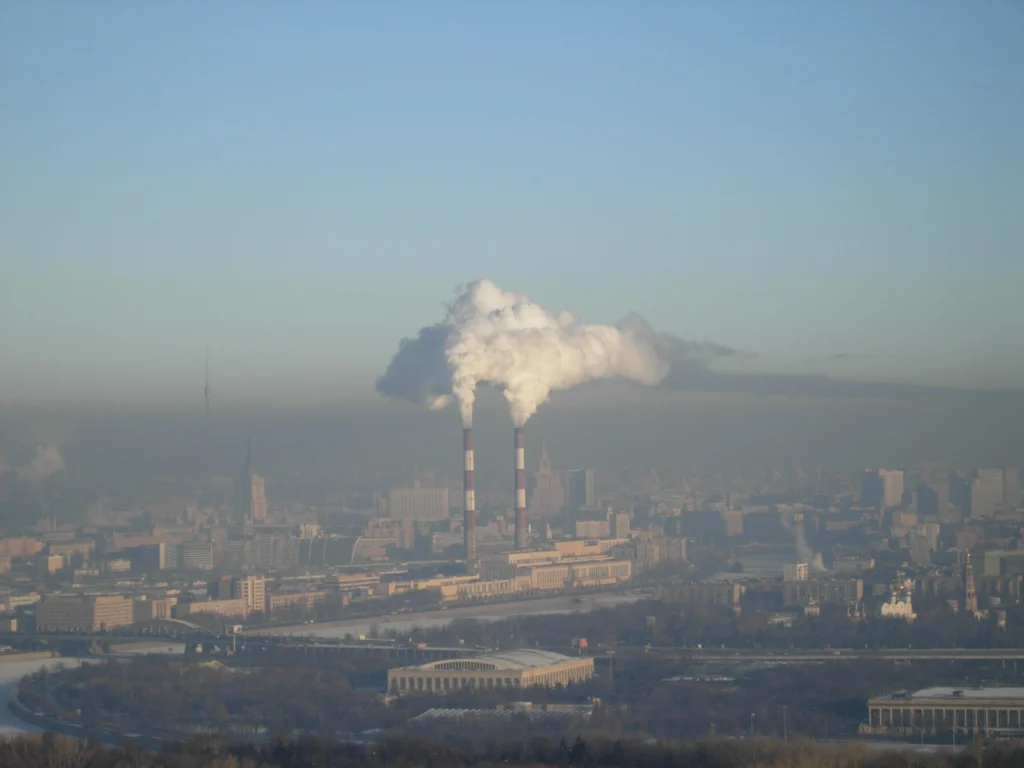
Many of us learned about acidity, or pH, in high school chemistry. We learned that acids like HCl could dissociate into H+ and Cl- and the activity of those H+ ions defined the acidity. In the atmosphere, the same basic definition of acidity, or pH on the molality scale, applies to aqueous phases like suspended …[Read More]
Geodynamics
Thermodynamics and Geodynamics: The perfect couple?
In preparation for Valentines day, Bob Myhill explores the potential for close partnership (and even love?) between the geodynamics and thermodynamics communities. Much of Earth and planetary science relies in some way on thermodynamics. This is not a surprise; the elegance1 of its premises makes thermodynamics a robust starting point for many investigations, and the …[Read More]
Seismology
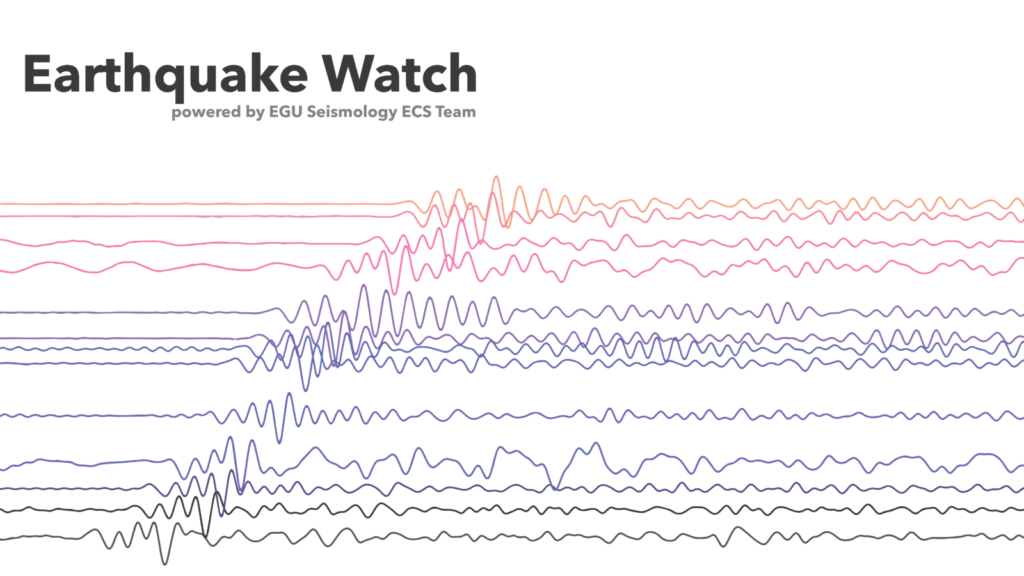
Earthquake Watch December: Petrinja Mw 6.4
What we know On December 29, a strong earthquake Mw 6.4 hit Petrinja at 12:20 CET, a town located in Central Croatia. This event is the largest onshore earthquake rupture in Central Europe since the M 6.5 Norcia earthquake occurred in 2016 (e.g. Scognamiglio, 20181) which killed 299 persons and 4,500 became homeless. Recent reports …[Read More]
GeoLog
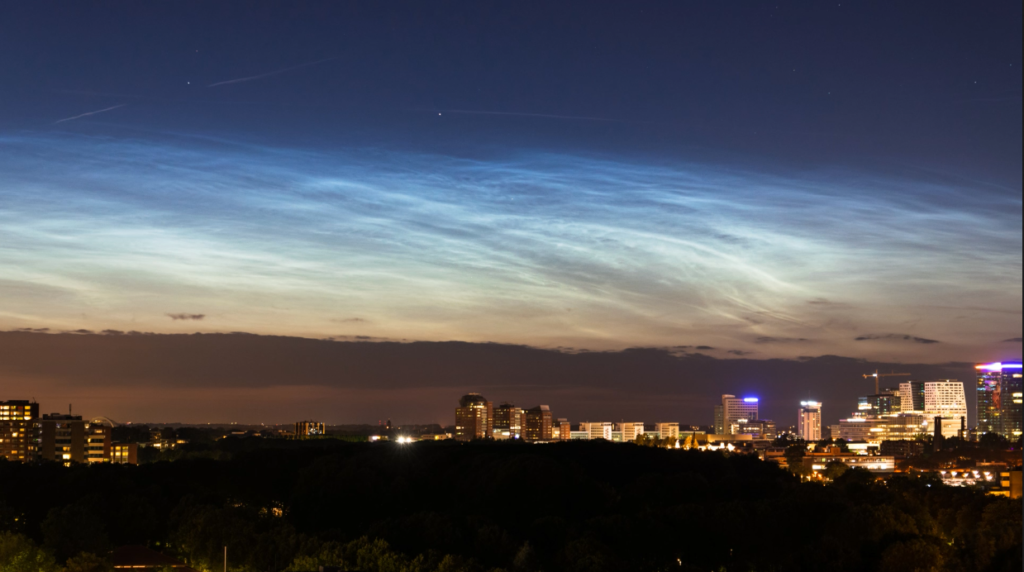
Imaggeo On Monday: Catching a glimpse of the Mesosphere
In the midst of summer when the sun does not set at high latitudes one can sometimes catch a glimpse of the mesosphere shortly after sunset or before sunrise. These thin veils, known as noctilucent clouds, are the highest known cloud-like structures forming at about 80km above the surface. At this height, they are still …[Read More]
Tectonics and Structural Geology
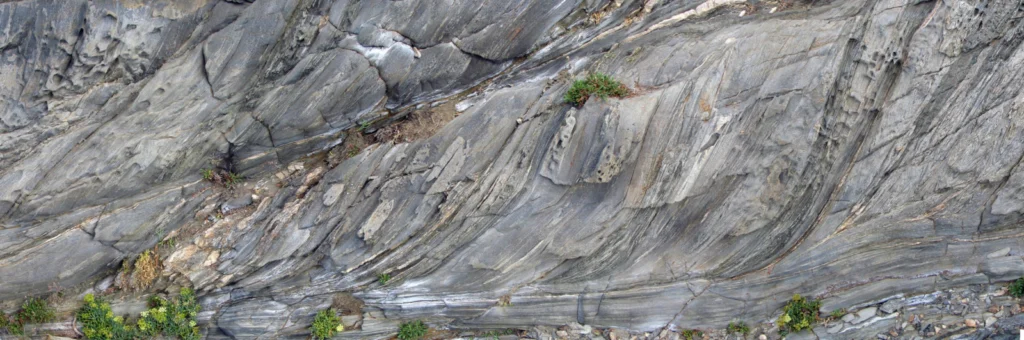
Features from the Field: Shear Zones and Mylonites
The San Andreas Fault in California, the Alpine Fault in New Zealand, or the Main Frontal Thrust in the Himalayas are some of the most famous and largest fault zones that accommodate the relative displacement between two adjacent crustal blocks. Such faults, however, represent only the shallower expression of something much bigger: a crustal shear …[Read More]
Natural Hazards
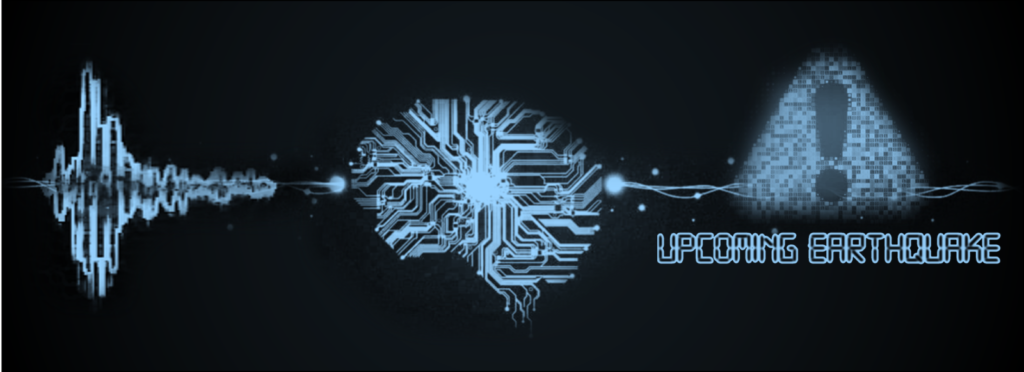
Advances in earthquakes forecasting pass through machine learning
In today’s interview, we meet Dr Fabio Corbi, a researcher at IGAG-CNR, the Institute of Environmental Geology and Geoengineering of the Italian National Research Council. Fabio has experience in analogue modelling of megathrust earthquakes and he is currently exploring the potentiality of machine learning in this research field. Hi Fabio, would you briefly tell us …[Read More]
GeoLog
Cyclone Idai disaster: European agencies foresee climate danger but poor countries stumble.
Cyclone Idai, which was labelled by the UN as possibly the worst climate calamity to ever hit the Southern Hemisphere, pounded Beira, Mozambique, in March 2019. The European Space Agency images revealed that a huge new inland ´lake´ measuring about 80 miles by 15 miles, an area the size of the European state of Luxembourg, …[Read More]