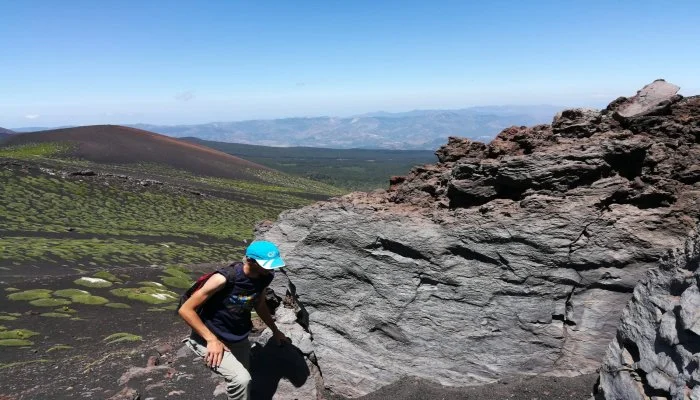
Does the sound of pursuing a Ph.D. terrify you? Well, fear not because this week we have Samuel Zappalà from Uppsala University to tell us more about his inspiring story as a Ph.D. student at the Department of Earth Science in Uppsala. And, who knows maybe you will be inspired to pursue a Ph.D. in …[Read More]
Latest posts
GeoLog
Imaggeo On Monday: Works of art – works of muck
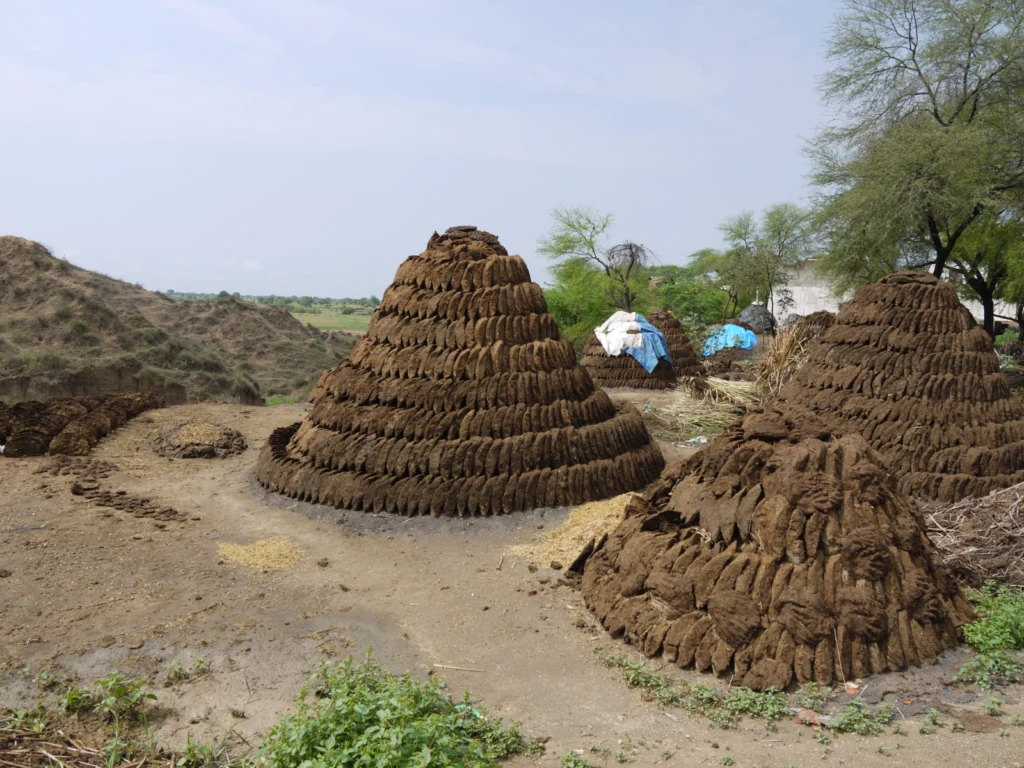
Dung cakes made from buffalo manure are artfully piled up in a village in Madhya Pradesh. Used as fuel for cooking fires, they are a sustainable energy source in rural areas of India, but add to air pollution by biomass burning. Photo by Irene Marzolff, as described on imaggeo.egu.eu. Imaggeo is the EGU’s online …[Read More]
Seismology
Geo-Movie Cup 2022 – We have a Winner!!!
The audience are on the edge of their seats… The tension is palpable… Which disaster film will beat the rest to be the best of the worst? The results are in for the Geo-Movie Cup 2022! As detailed in our previous blog, the EGU Seismology ECS team love those geological disaster films that are so …[Read More]
GeoLog
How a Spanish newspaper experiment is improving public understanding of climate change
Climate change is not a new phenomenon. Nor is global warming. So why do researchers report a poor public understanding of this subject around the world? According to a recently published study, 70% of the people surveyed said they were concerned about rising global temperatures but had little knowledge about the climate crisis. When asked …[Read More]
Geodynamics
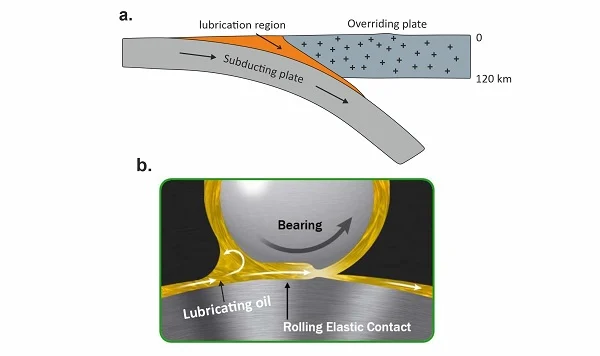
Application of lubrication theory in understanding subduction interface dynamics
Plate interface lubrication is essential for stabilization and continuation of subduction process for million of years. The magnitude of plate interface lubrication determines transfer of stress between two converging plates, topography of mountain belts, transportation of volatiles to the mantle, and return flow of high to ultra-high pressure rocks to the earth’s surface. In this …[Read More]
GeoLog
Imaggeo On Monday: Beech leaves on burned ground
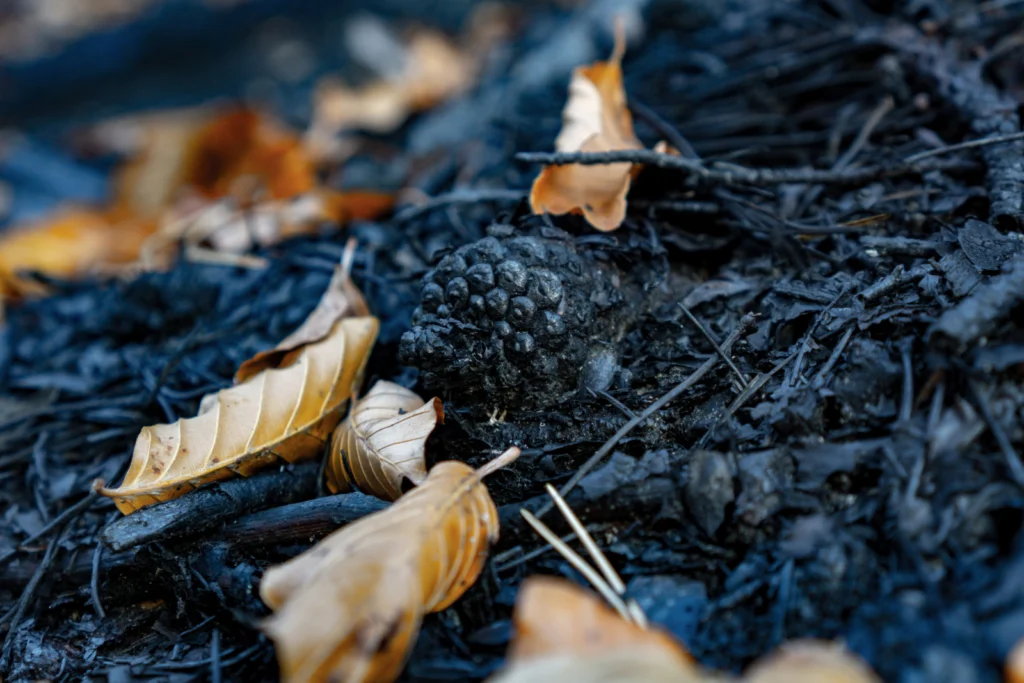
A charred pine cone lies on the ground of a mixed beech-pine forest following a forest fire in the Rax-Schneeberg region of Austria in 2021. The charred pine cone and litter are surrounded by unburned yellow beech leaves that fell to the ground after the surface fire. Pyrogenic carbon such as the charred pine cone …[Read More]
GeoLog
GeoRoundup: the highlights of EGU Journals published during July!
Each month we feature specific Divisions of EGU and during the monthly GeoRoundup we will be putting the journals that publish science from those Divisions at the top of the Highlights roundup. For July, the Divisions we are featuring are: Atmospheric Science (AS), Hydrological Sciences (HS) and Geomorphology (GM). They are served by the journals: Geoscientific Model …[Read More]
Geodynamics
The Sassy Scientist – Working in a Warming World
You’ve spent months battling with radiators and cold wet weather, but the summer is finally upon us and to make things even worse we’re heading into a heatwave. The office that just weeks ago seemed impossible to keep warm is now so sweltering it feels as though you’re stepping into the sauna when you arrive …[Read More]
Tectonics and Structural Geology
Geomythology. The Sicilian Trilogy – Part III: The Cyclopes, the Skeletons, and the Dwarfs Elephants
Strangers, who are you? Where do sail from? Are you traders, or do you sail the as rovers, with your hands against every man, and every man’s hand against you?” … “Stranger, you are a fool, or else you know nothing of this country. Talk to me, indeed, about fearing the gods or shunning their …[Read More]
Geochemistry, Mineralogy, Petrology & Volcanology
Sedimentary Rocks – Insight Into The Past And Future Climate
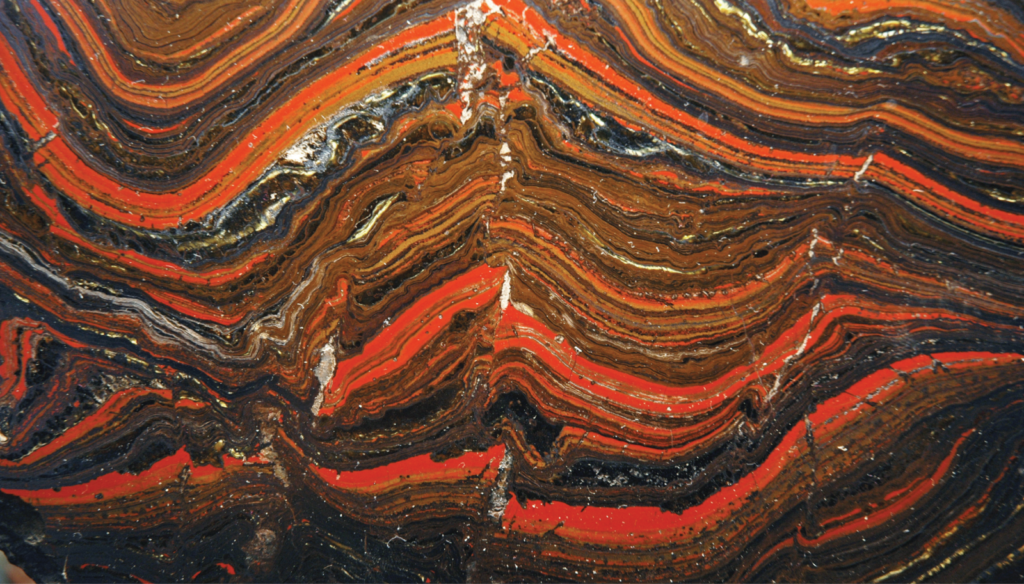
In the recent past, a lot of effort has been directed toward evaluating the consequences of the rapidly rising global temperatures. Among them, one very alarming consequence is ocean acidification (Fauville et al, 2012; Gatusso et al, 2015). Ocean acidification is the direct result of atmospheric CO2 increase caused in part by anthropogenic activities such …[Read More]