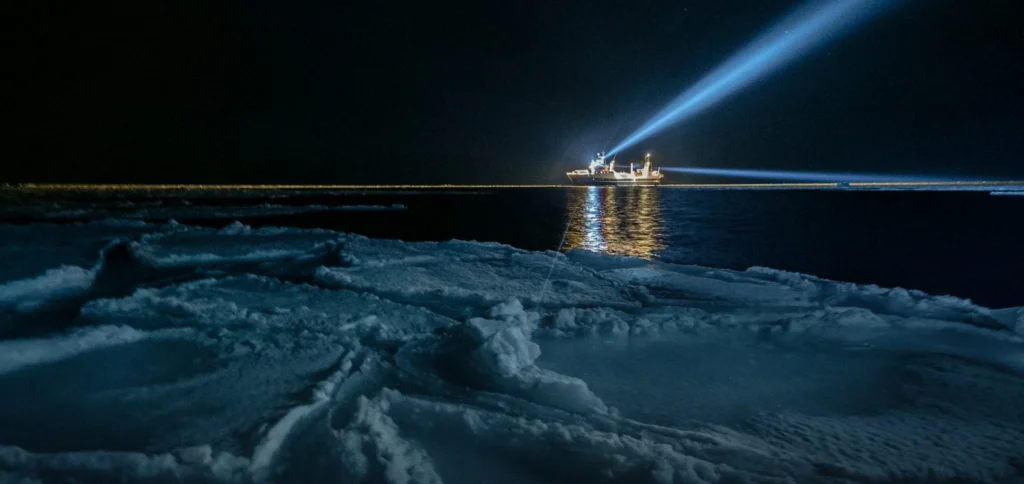
Light emissions are increasing worldwide and much of the world is light polluted due to excessive and inefficient light use. This has negative consequences for many organisms, such as birds, insects, fish, plants and humans. Even in the high Arctic, which is remote and sparsely populated, and experiences the polar night for a large part …[Read More]
Latest posts
GeoLog
My reflections of EGU’s evolving General Assembly over the years
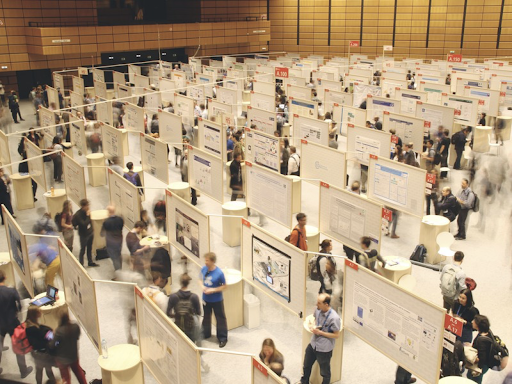
The wind, funnelled downwards by the surrounding skyscrapers, whipped along Wagramer Strasse, as early morning traffic thundered by. Past the Orthodox Church and then slightly uphill to the Kaisermühlen VIC underground station, where a stream of one-way traffic was already in full force, everybody proudly displaying their blue lanyards and most carrying the large black …[Read More]
Climate: Past, Present & Future
Put a Climate lab in school and make it better!
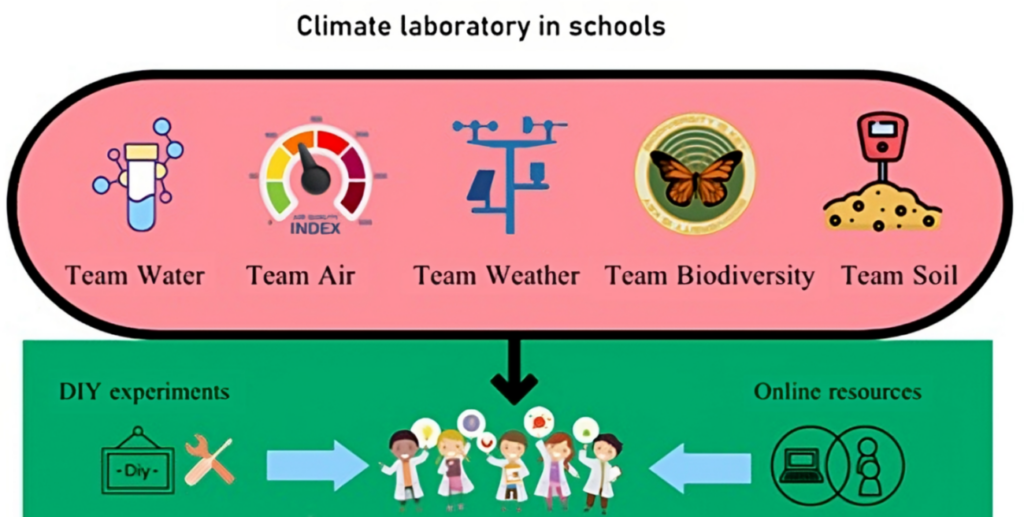
Put a Climate lab in school and make it better “The car will not go through this road”, the driver replied. Well, the path, which he was mentioning was a mudslide made up of clay soil, completely wet from the rain the previous day. We were traveling to a small village in Sundarban to establish …[Read More]
Geodynamics
How has the Gibraltar slab influenced the Alboran domain deformation?
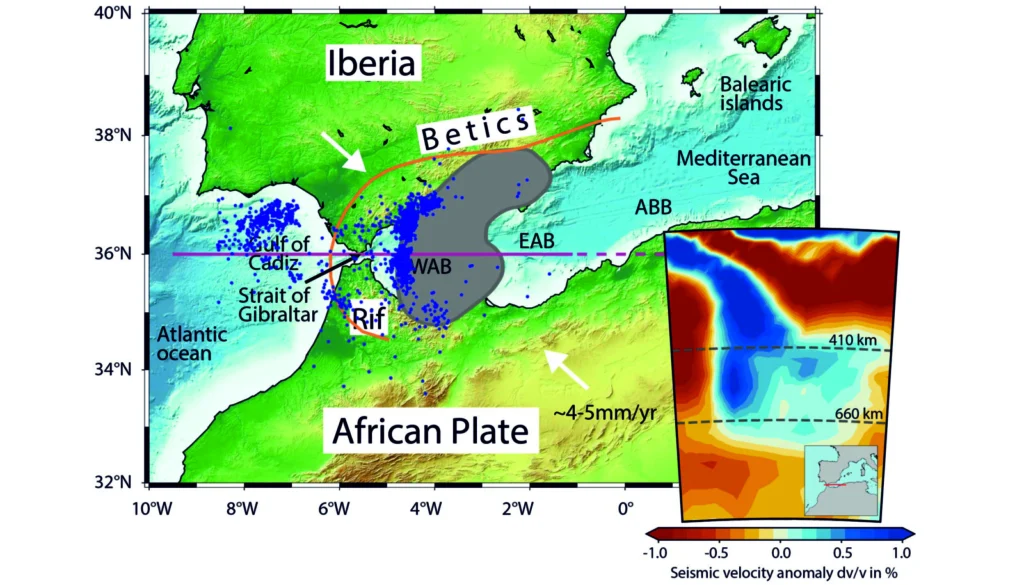
Figure 1. Topography of the Gibraltar Arc region. The shaded area indicates the position of positive seismic velocity anomaly supposedly representing the position of the slab at 270 km depth from seismic tomography (Amaru, 2007). The purple line shows the position of the modelled cross-section for the model shown in this blog. Blue dots indicate …[Read More]
GeoLog
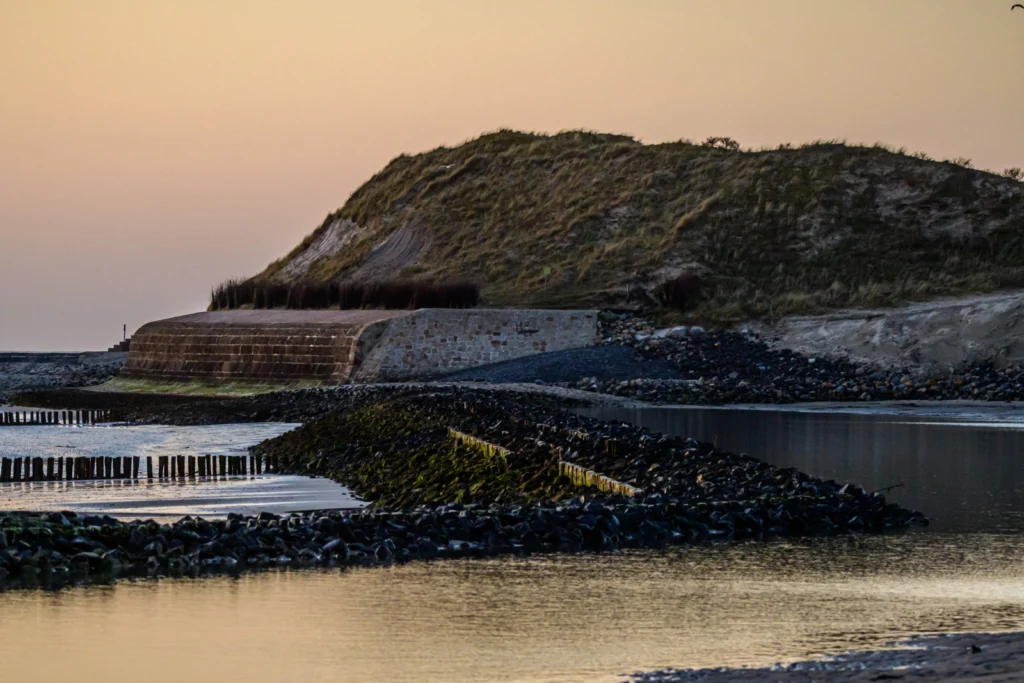
Imaggeo On Monday: Different structures for coastal management
Different structures for coastal management at Spiekeroog, Germany. The structures include a groyne and a revetment. Groynes are cross-shore structures, linearly ordered from the shoreline and into the sea. Typically made of rock or wood, groynes are built to limit the longshore transport and loss of shore material like sand or shingle. The build-up …[Read More]
GeoLog
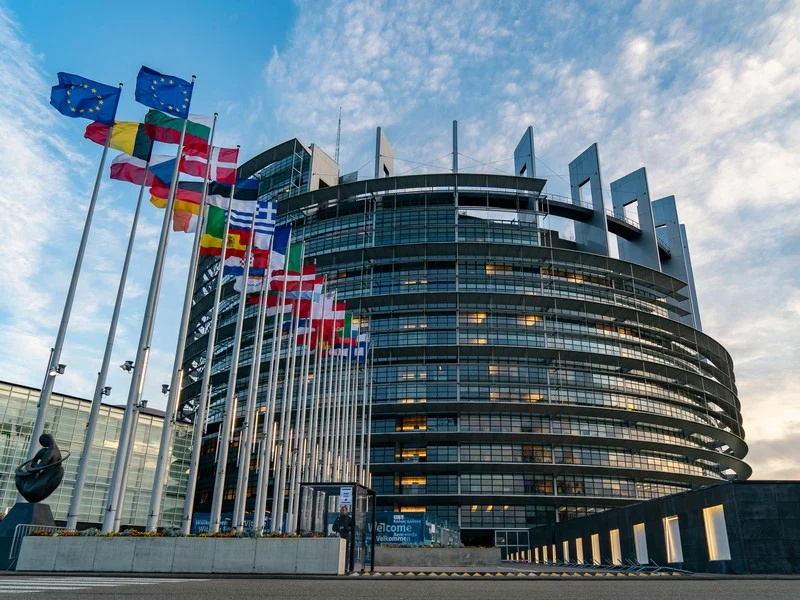
GeoPolicy: Life inside the European Parliament – an assistant’s view
This month’s GeoPolicy blog features an interview with Sebastian Jehle, Accredited Assistant to Member of the European Parliament (MEP) Norbert Lins. Understanding policymaking processes is vital to be able to engage with decision-makers and to provide scientific information that is both useful and timely. Sebastian was kind enough to answer some of my burning questions …[Read More]
Cryospheric Sciences
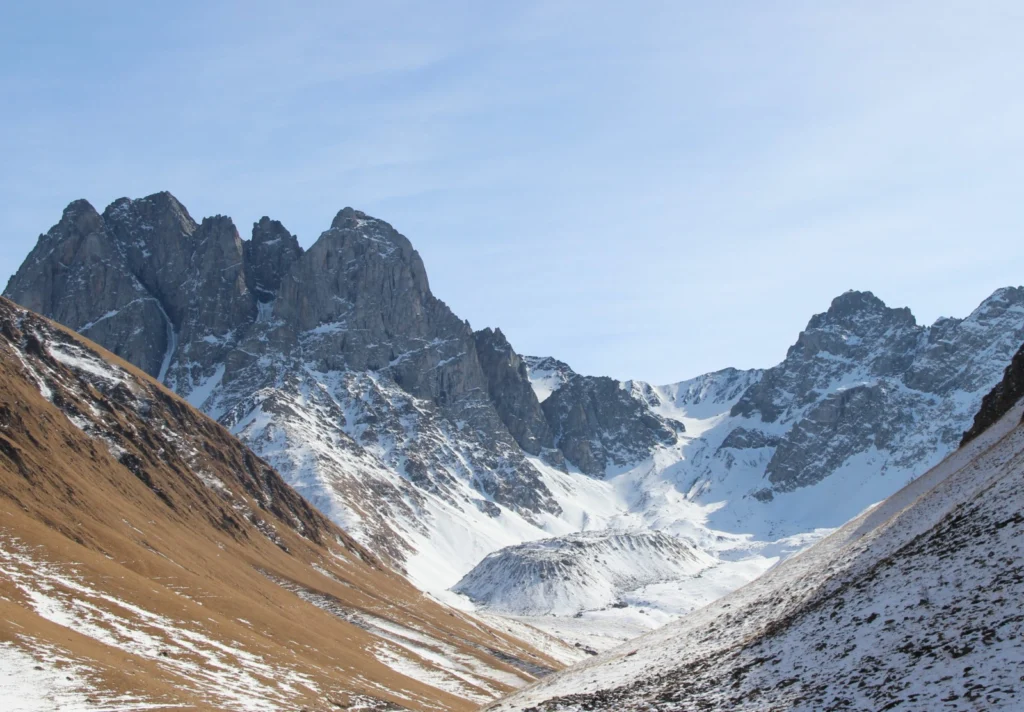
Hidden Ice of the Greater Caucasus
In this week’s blog, Levan Tielidze tells us about the first inventory of rock glaciers from the Greater Caucasus as an important basis for further research of geomorphology and palaeoglaciology in this region. What are Rock Glaciers? Rock glaciers are distinctive geomorphological landforms of frozen debris that are supersaturated with ice. The low ice velocity …[Read More]
Geodynamics
The Sassy Scientist – A survival guide for grant writing
Well, well, well, what do we have in here? Is that another fellow geoscientist going after a fund? Yes, seems like it. First of all good luck mate, a tough journey is ahead of you. I hope you have a lucky item with you to keep you alive during this period. So this time we …[Read More]
GeoLog
GeoRoundup: the highlights of EGU Journals published during June!
Each month we feature specific Divisions of EGU and during the monthly GeoRoundup we put the journals that publish science from those Divisions at the top of the Highlights roundup. For June, the Divisions we are featuring are: Ocean Sciences (OS), Nonlinear Processes in Geosciences (NP), and Geoscientific Instrumentation, Methods and Data Systems (GI). They …[Read More]
Stratigraphy, Sedimentology and Palaeontology
The effects of water pollution on tiny algae
With an increase in the Earth’s population, development and industrialization are taking place rapidly and these get the major source of water contamination. Heavy metals are one of the most toxic contaminants of the aquatic ecosystems. Increasing industrialization and anthropogenic activities are causing an increasing pollution in soils and water. More than 100,000 chemicals are …[Read More]