I am pleased to interview Professor Ankit Agarwal from the Indian Institute of Technology, Roorkee. He specialises in hydro-meteorological (compound) extremes and complex networks and has been awarded the prestigious 2023 NH Division Outstanding Early Career Scientist award. Thank you, Ankit, for your time and for talking with us about your field of research. 1. …[Read More]
Latest posts
GeoLog
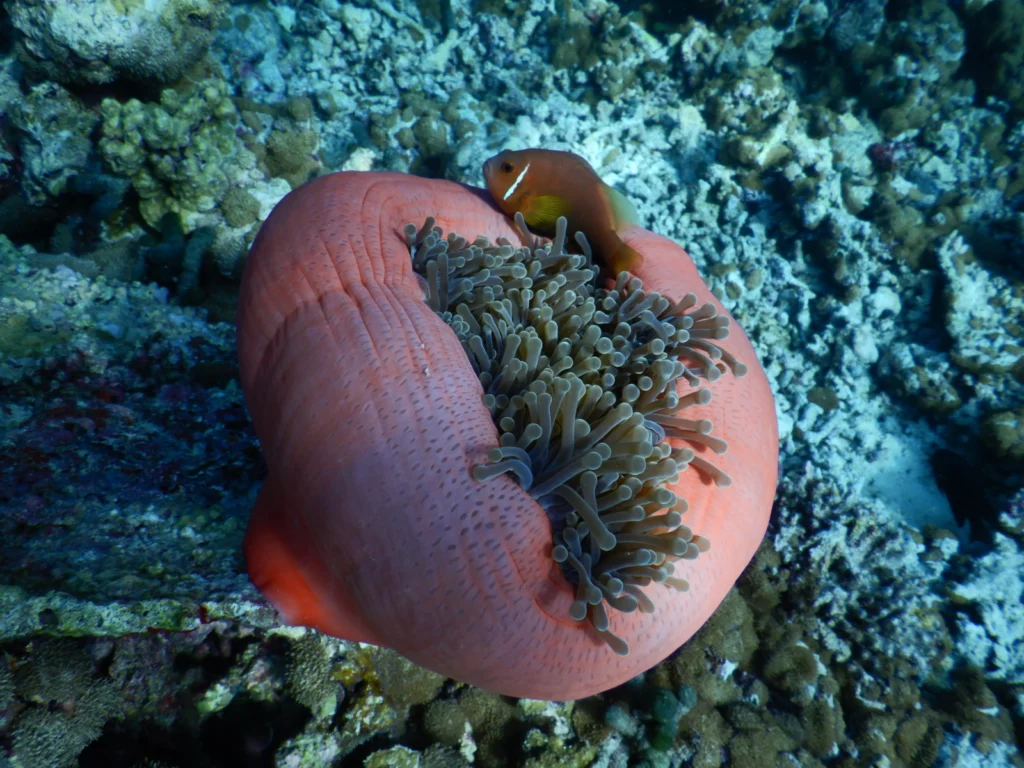
GeoTalk: meet Freija Mendrik, researcher of microplastics pollution in coral reefs!
Hi Freija. Thank you for joining us today! Could you tell our readers a bit about yourself before we dive in? Hi Simon, thanks for inviting me! I’m a marine scientist based in the UK specialising in microplastic pollution but my work has taken me across many different disciplines from physical geography to ecotoxicology. Recently …[Read More]
Cryospheric Sciences
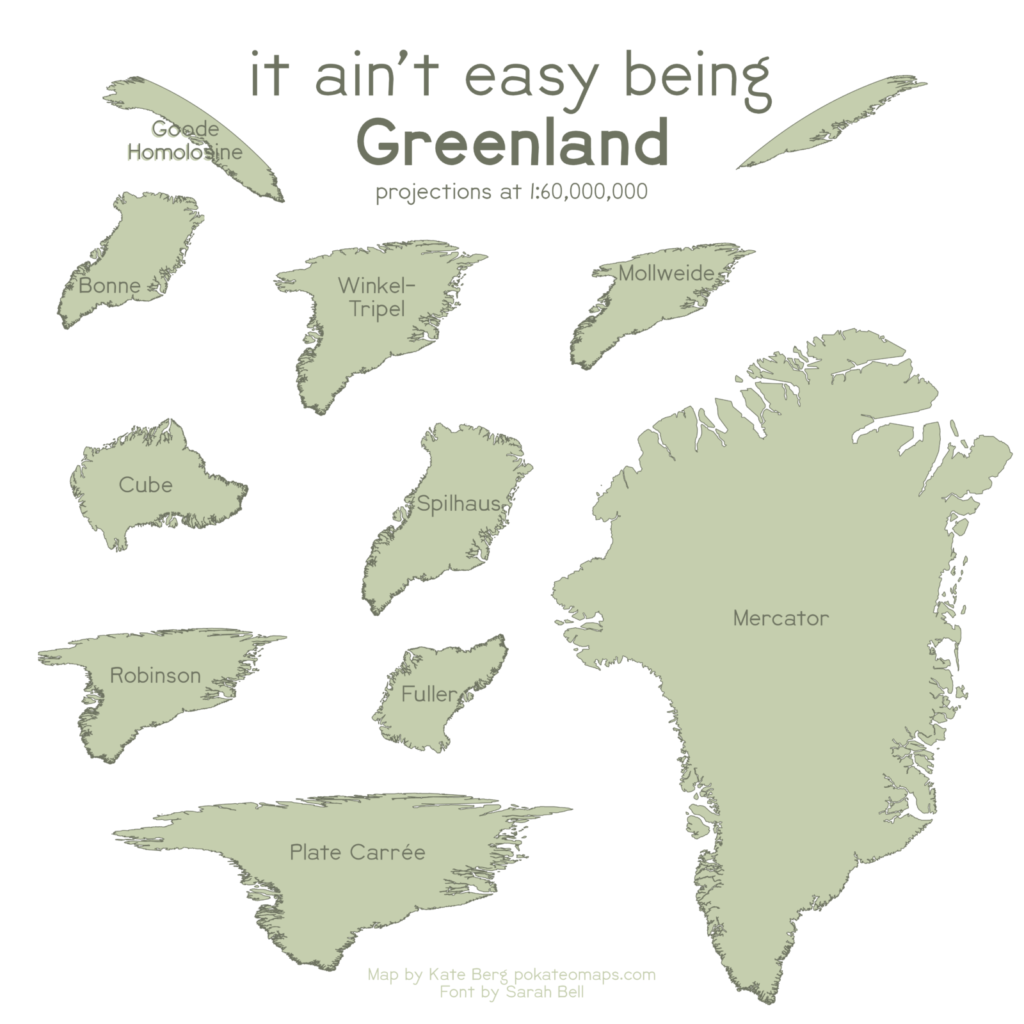
Did You Know That It Ain’t Easy Being Greenland?
As a reader of the Cryosphere blog, you may have spent a lot of time looking at the Greenland Ice Sheet, but do you really know what Greenland looks like? This “It Ain’t Easy Being Greenland” map is something I made for fun during the #30DayMapChallenge (an international project to complete one map a day …[Read More]
Geodynamics
Artificial Intelligence in Geosciences: A Benefit or a Threat?
We live in the very heart of the Digital Age, where Artificial Intelligence (AI) is already playing a dominant role in our world. We have to ask ourselves what the future will hold for the field of Geosciences in the next years to come? In this week’s blog, our main goal is to share our …[Read More]
Hydrological Sciences
How has ChatGPT changed the way you teach hydrology?
Have you ever used ChatGPT to teach hydrology? If so, when did you start? I opened my account on openai.com in November 2022, out of curiosity, to test GPT-3 (Generative Pretrained Transformer generation 3). This was shortly before ChatGPT was launched (30 November 2022). Now, I even have a paid account to speed up the …[Read More]
Stratigraphy, Sedimentology and Palaeontology
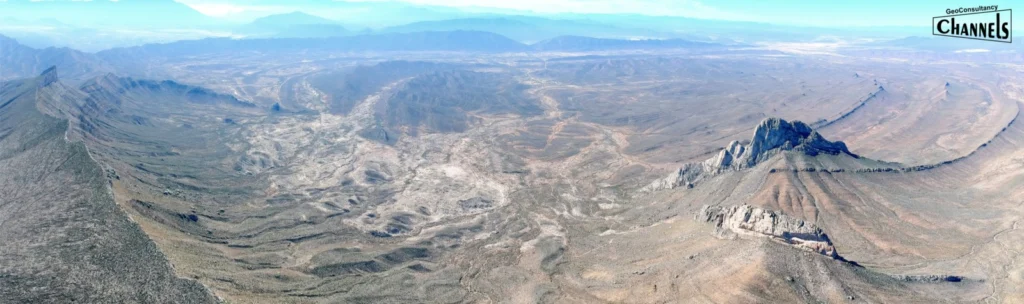
The unique exposures of El Gordo Diapir, one of the best places on Earth to improve our understanding of salt tectonics, will be destroyed by mining extraction. Would this be a geological site to protect because of its scientific interest?
This article aims to gather support from public or private organizations and individuals so we can convince the Secretariat of Environment and Natural Resources and the National Commission of Natural Protected Areas of Mexico to protect the area that covers El Gordo Diapir in Nuevo Leon, Mexico (https://www.gob.mx/conanp/). There is no intention to damage the …[Read More]
Solar-Terrestrial Sciences
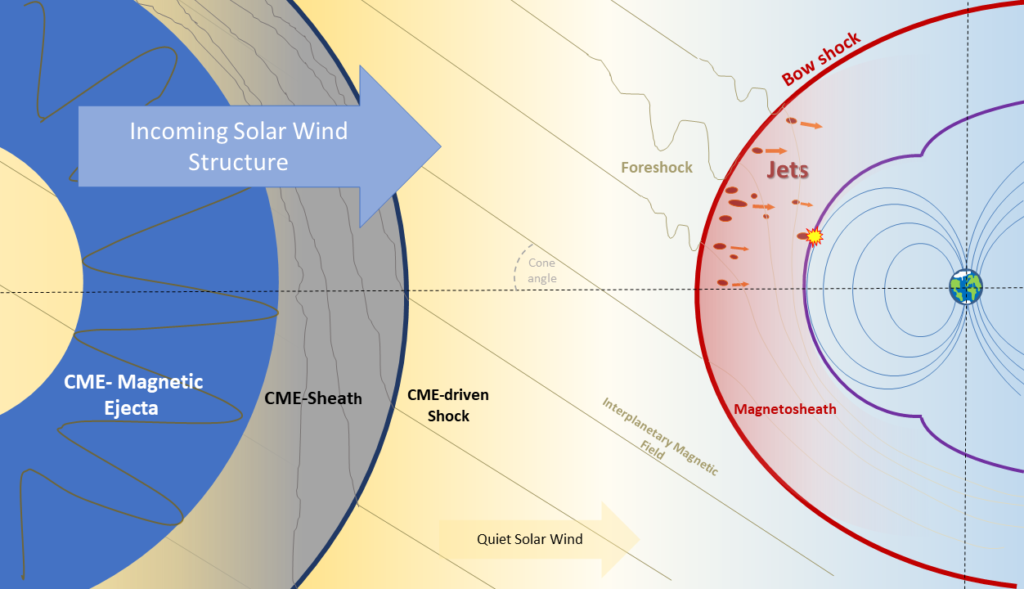
Exploring Magnetosheath Jets and their dependence on Solar Wind structures
Dayside of the Earth’s magnetic field Our understanding of the relationship between Earth’s magnetic field and the particles from the Sun that constantly bombard it, known as the solar wind, has significantly advanced in recent decades. The availability of numerous spacecraft measurements has provided valuable insights into this interaction. The solar wind, composed of high-speed …[Read More]
GeoLog
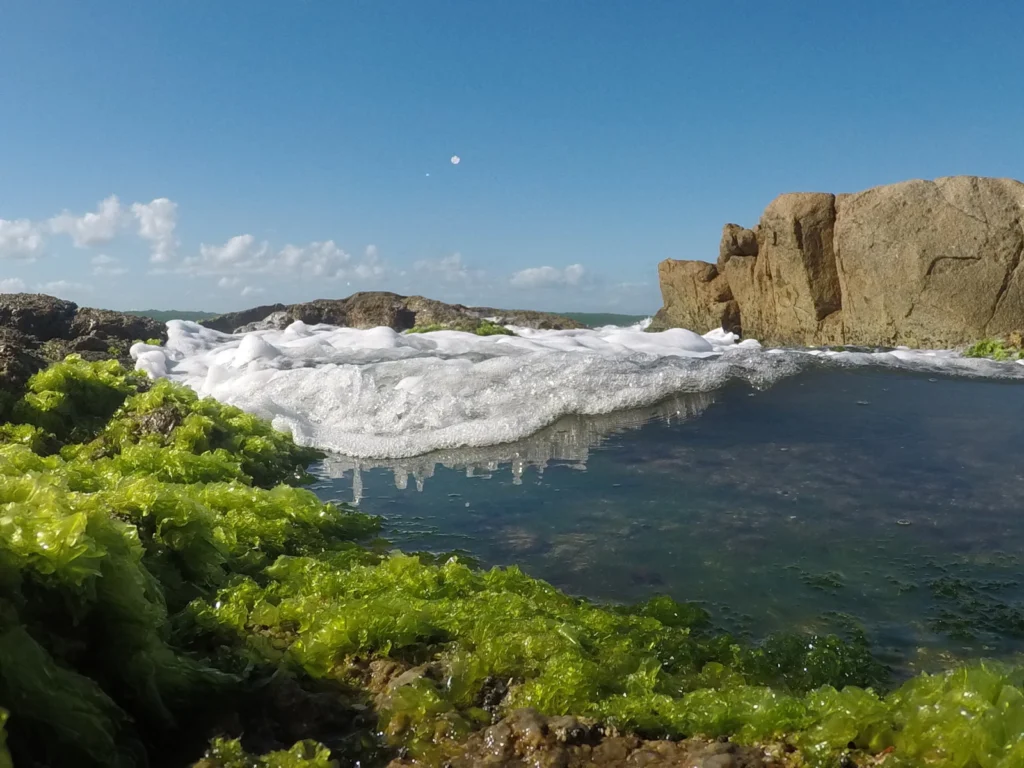
Imaggeo On Monday: The movement of the tides
Tides are very long-period waves characterized by the rise and fall of sea levels. This phenomenon occurs in response to forces exerted jointly by the moon and sun, generated in the ocean, and propagating toward the coast. Tides can be divided into two main types: low tide and high tide. High tide occurs when sea …[Read More]
GeoLog
Five resources to up your knowledge of (and appreciate) our oceans
Yesterday (8 June) was globally observed as World Oceans Day. The United Nations announced that it is joining forces with decision-makers, indigenous leaders, scientists, private sector executives, civil society, celebrities, and youth activists to put the ocean first. This year’s theme is “Planet Ocean: tides are changing,” to encourage everyone – whether as individuals or …[Read More]
Cryospheric Sciences
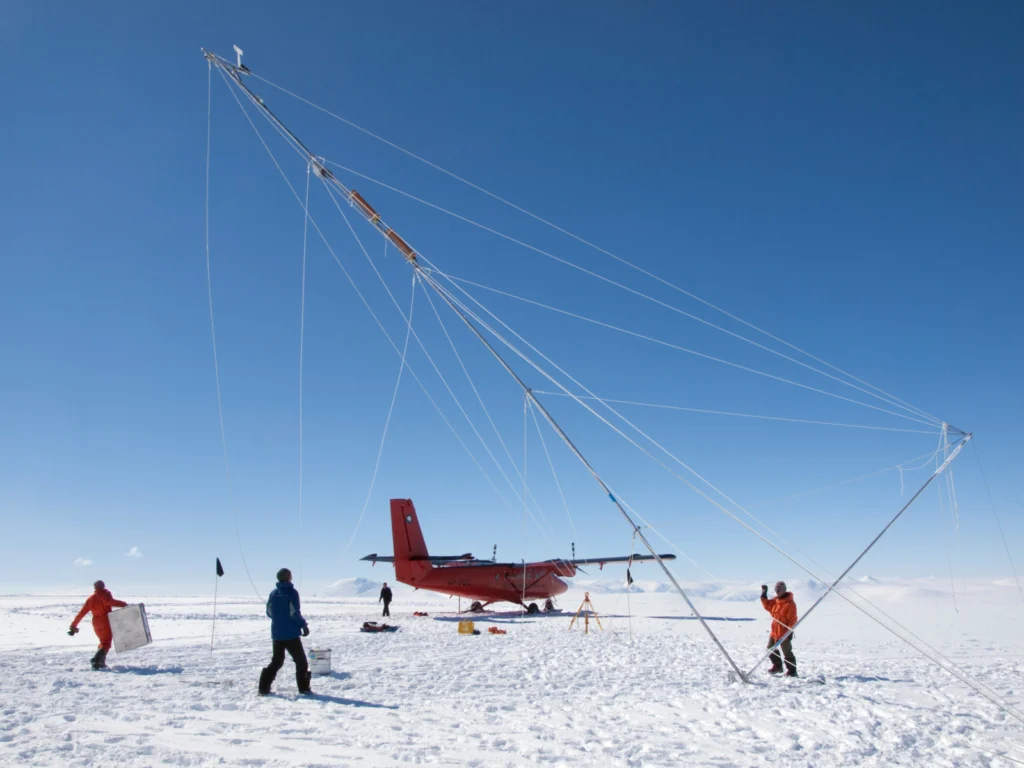
CryoNews – The WMO is making the cryosphere a global priority
To us, the cryosphere has always been a priority. It is our field of interest, research, maybe passion, it is the stuff that gets us excited. Now, the cryosphere also became a priority to the World Meteorological Organisation (WMO). In today’s post we cover a recent news item introducing this very decision made during WMO’s …[Read More]