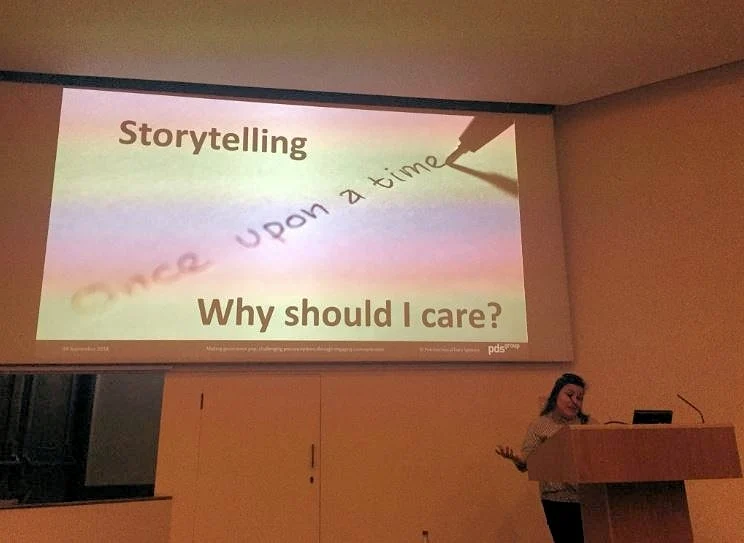
From the highest reaches of the atmosphere to the deepest caverns below, the geosciences is a fascinating field dedicated to understanding just how the Earth (and other worlds) tick. But to many people, the Earth, planetary and space sciences are far from interesting or important. So how can geoscientists share their enthusiasm with the public? Catherine …[Read More]
public engagement
GeoPolicy: the EU’s Bioeconomy Strategy – what is it and how is it linked with geoscience?
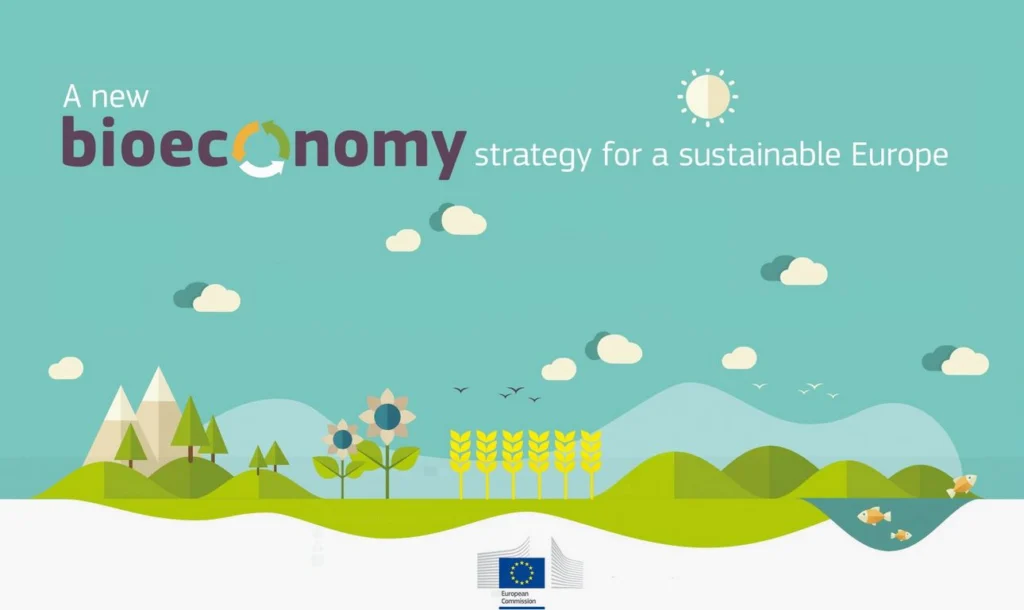
What is the bioeconomy? Global threats such as climate change, ocean acidification, land degradation and an ever-expanding population means that it’s essential for us to reduce our environmental impact while still meetings our demand for food, resources and energy. The bioeconomy covers all sectors and systems that rely on biological resources and their functions including renewable …[Read More]
Apply to be EGU’s next artist in residence!
Calling all artists interested in the geosciences! After a successful trial in 2018, when the European Geosciences Union (EGU) officially hosted a cartoonist and a poet in residence at its annual meeting, we are now opening a call for artists to apply for a residency at the EGU 2019 General Assembly. Our residency programme provides artists with an opportunity to …[Read More]
GeoPolicy: ESOF – putting scientists & policymakers in the same room!
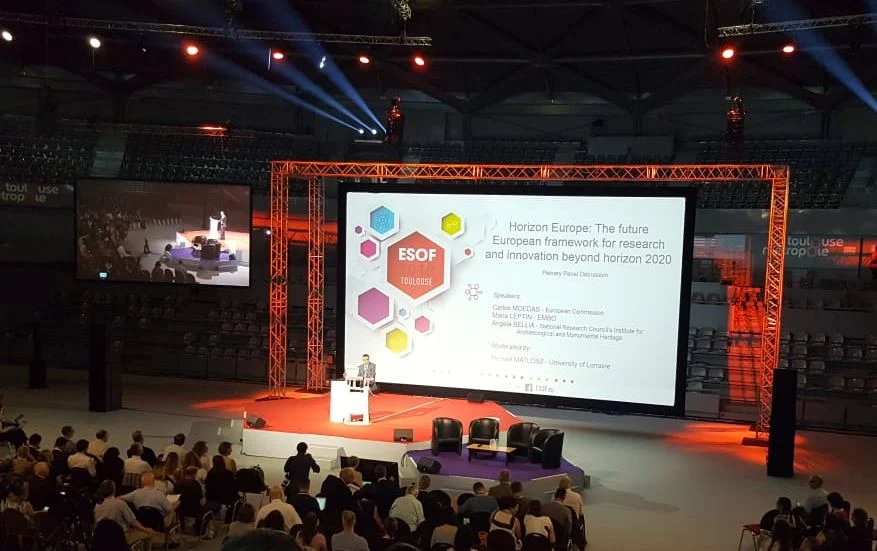
The EuroScience Open Forum (ESOF), the largest interdisciplinary science meeting in Europe, was held earlier this month in Toulouse, France and attracted scientists and policymakers from across the globe. Held every second year, ESOF provides an interface between science, policy and society. This year was my first ESOF. I attended as the EGU Policy Officer …[Read More]
GeoPolicy: How science supported the EU’s new land use and forestry regulation
What is the land use and forestry regulation? In October 2014, the EU agreed that all sectors, including land and forestry, should contribute to the EU’s 2030 climate & energy framework target to reduce greenhouse gas emissions by at least 40% by 2030 compared to 1990 levels. Almost 4 years later, in May 2018, the …[Read More]
Geopolicy: including policy in science education?
Generally, students are taught basic science and given a rudimentary overview of the political system from a young age. I remember learning how to do basic experiments from the age of 7 and learning about the Australian Parliament not long after that. We had specific classes dedicated to various scientific disciplines in high school and …[Read More]
GeoPolicy: Scientific research in a changing European Union
Scientific research in a changing European Union The 2018 EGU General Assembly was a huge success. Not only was it the biggest yet (with over 15,000 participants) but it also held a large variety of Short Courses, Townhalls and Union Symposia that gave the scientists attending a chance to step out of their comfort zone …[Read More]
A flood of attention: extreme weather and digital media
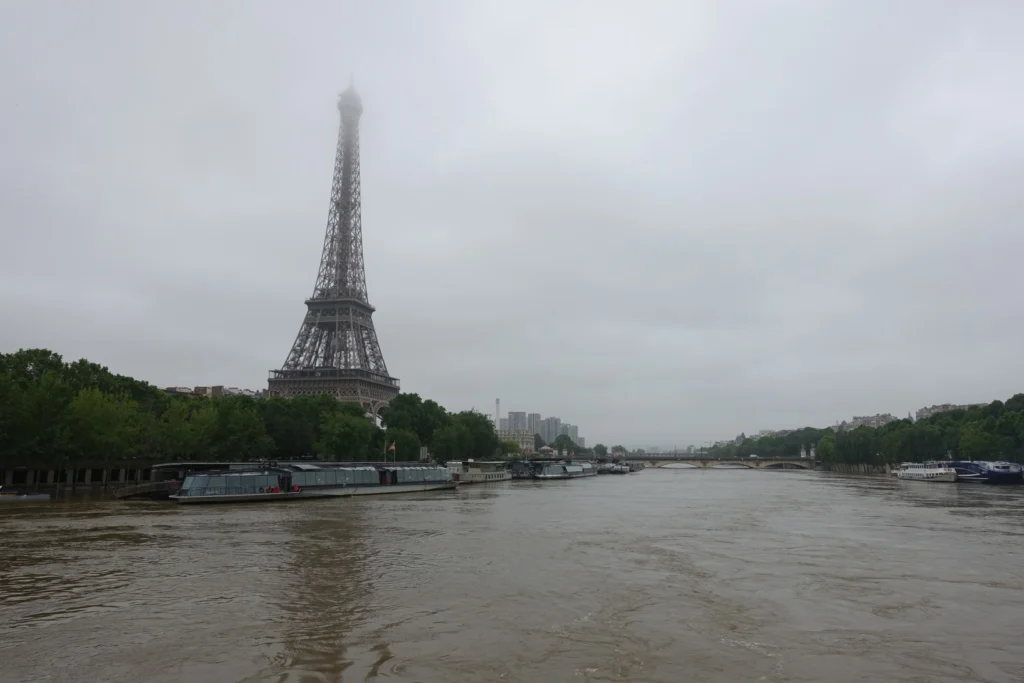
In June 2016, Paris was transformed. The River Seine burst its banks, submerging some of the nearby roads; floodwater lapped at the tops of street lamps and traffic lights. The event marked the the worst flooding in Paris for more than 30 years. When a flood event hits a major city, numerous researchers are keen …[Read More]
GeoPolicy: Getting involved with policy at the 2018 General Assembly
The EGU General Assembly is an amazing event, not only because of its size but also due to the number of disciplines represented! This gives scientists, who are diligently focused on their specific research for the majority of the year, the chance to let loose and learn something a bit different. This year’s assembly will …[Read More]
Open Positions on the EGU Education and Outreach Committees
Do you have experience in science education or outreach? Are you looking to get more involved with the EGU community? The EGU Committee on Education and the EGU Outreach Committee are both searching for members interested in promoting the geosciences as well as engaging with the groups inside and outside the science community. The Committee …[Read More]