Ensuring research outputs and findings have an impact in society is becoming an increasingly important part of successfully securing research funding. Perhaps even more importantly, some might argue that it is the responsibility of all geoscientists to communicate their science and research. Whatever your motivations for choosing to engage colleagues and non-scientific audiences with your research ...[Read More]
public engagement
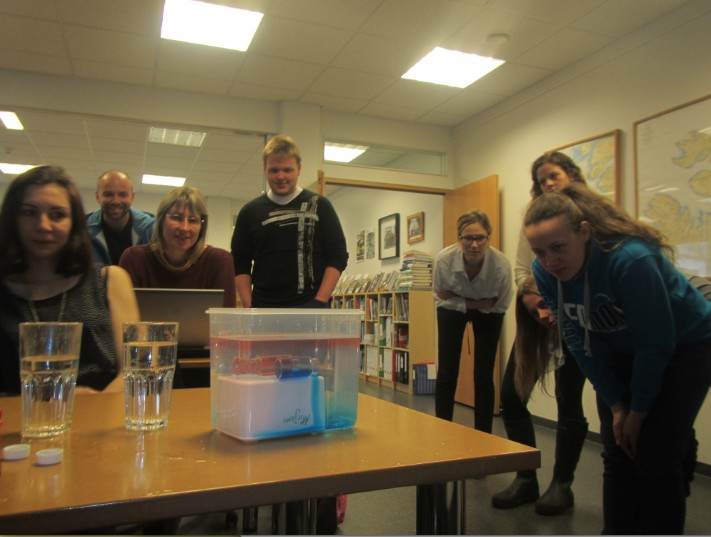
GeoEd: One example of how playing works in outreach activities!
This month’s GeoEd post is brought to you by Dr. Mirjam S. Glessmer. Mirjam, is a physical oceanographer and now works as Coordinator of Teaching Innovation at Hamburg University of Technology. Mirjam blogs about her “Adventures in Teaching and Oceanography” and tweets as @meermini. Get in touch if you are interested in talking about teaching and learning in the geosciences! In my last post, I tal ...[Read More]
A Challenge to communicate
In this guest post, Sam Illingworth, regular contributor to GeoLog on all things science communication and education, discusses whether it is the responsibility of all geoscientists to communicate their science and research and challenges you to make some time to get involved in public engagement in 2016. As researchers it is very easy to get caught up in the whirlwind of our scientific endeavour ...[Read More]
Communicate Your Science Video Competition is now open!
Want to communicate your research to a wider audience and try your hand at video production? Now’s your chance! The competition is open to early career scientists (ECS) who intend to register for the EGU General Assembly. The aim is to produce a video up-to-three-minutes long to share your research with the general public. The winning entry will receive a free registration to the General Assembly ...[Read More]
GeoEd: How do we make climate predictions – An idea for an outreach activity
This month’s GeoEd post is brought to you by Dr. Mirjam S. Glessmer. Mirjam is a physical oceanographer, who during her PhD at GEOMAR Kiel, Germany, became more and more interested in understanding how people learn and hence did a Masters of Higher Education in parallel to her PhD. During her PostDoc at the University of Bergen, Norway, she became involved in teaching both university courses, teac ...[Read More]
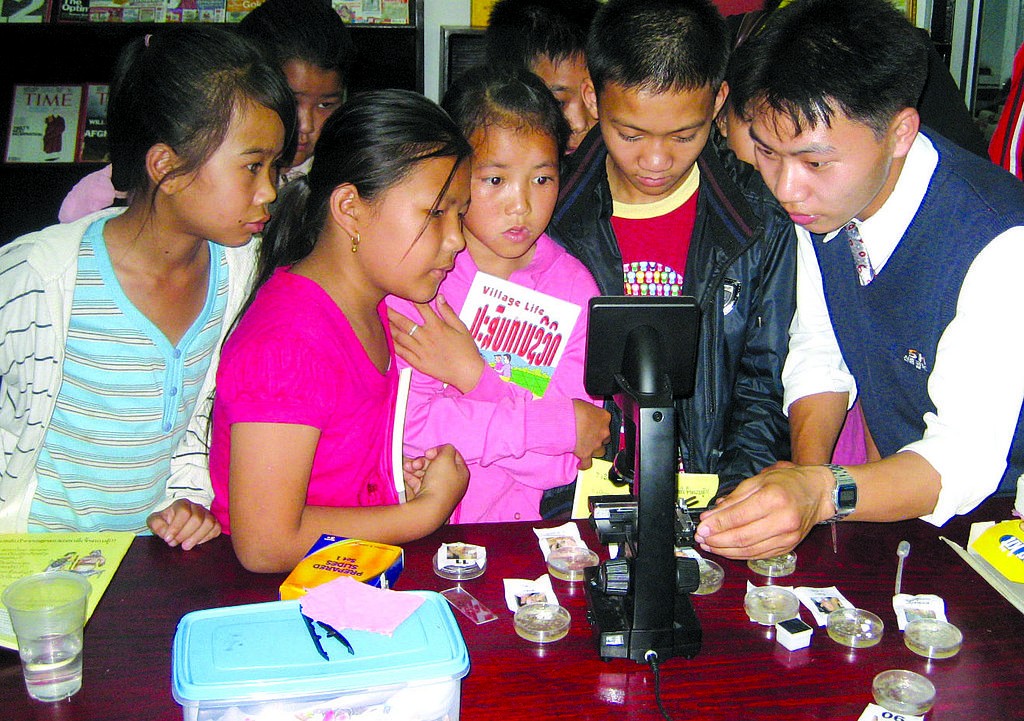
GeoEd: Geoscience teaching resources
Engaging students (regardless of age) during lessons can be difficult with a whole host of factors influencing their disposition to listen and learn. The same is true when carrying out public outreach and engagement activities. In both instances the key is to captivate the full attention of the audience and make the subject you are trying to teach come to life. A task often easier said than done. ...[Read More]
Geosciences Column: Soil in art
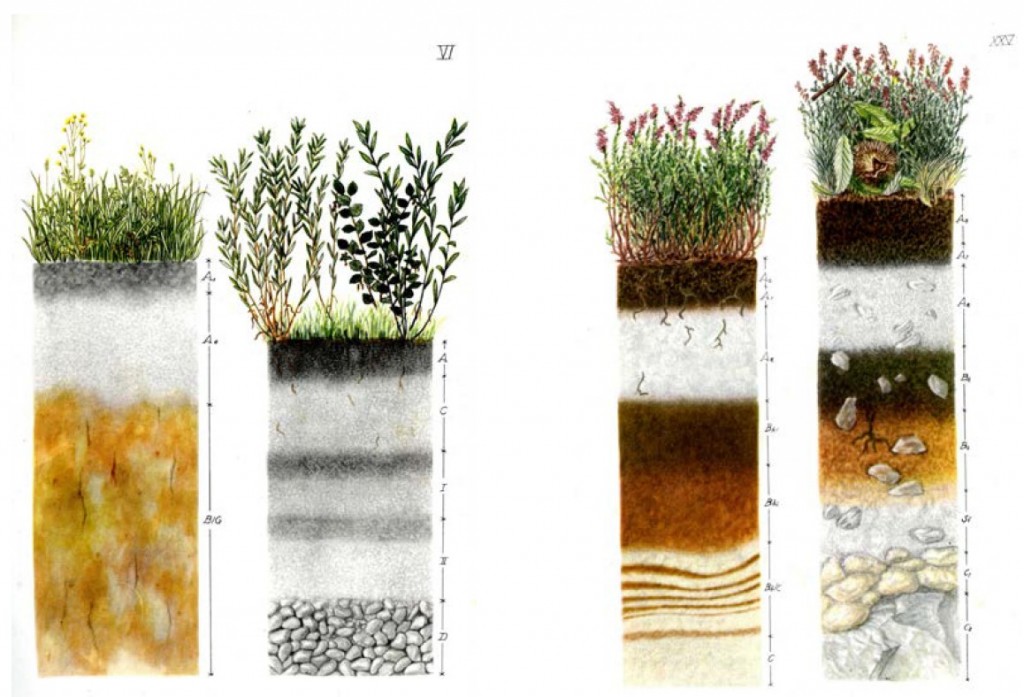
When you think of soil, what is the first thing that comes to mind? The answer will depend on your perception of soil: to some it has a patriotic meaning (“soil of Britain”, for example), while to others it has a strong agricultural connection and to an Earth scientist, well, it’ll depend on their field of expertise. A geotechnical engineer’s perception of soil is different to how it might be view ...[Read More]
Communication and Education in Geoscience: Practice, Research and Reflection
In this guest blog post, an international group of researchers discusses a recent communication and education session that they convened at EGU’s 2015 General Assembly. If you are involved in any of these disciplines, we’d love to hear your opinions on how you think their practitioners are currently viewed, both within the geosciences and by the general public. We look forward to your comments. Th ...[Read More]
GeoTalk: Catharina Landström on the safe storage of nuclear waste
Following Science in Public 2013 I had the pleasure of talking to Catharina Landström about the social and technical challenges to the geological disposal of high-level radioactive waste… Could you introduce yourself and let us know what propelled you into a project looking at the issues surrounding geological disposal of radioactive waste? Specialising in Science and Technology Studies (STS ...[Read More]