GeoLog

Inclusivity

Exceptional and diverse women tell us their science stories!
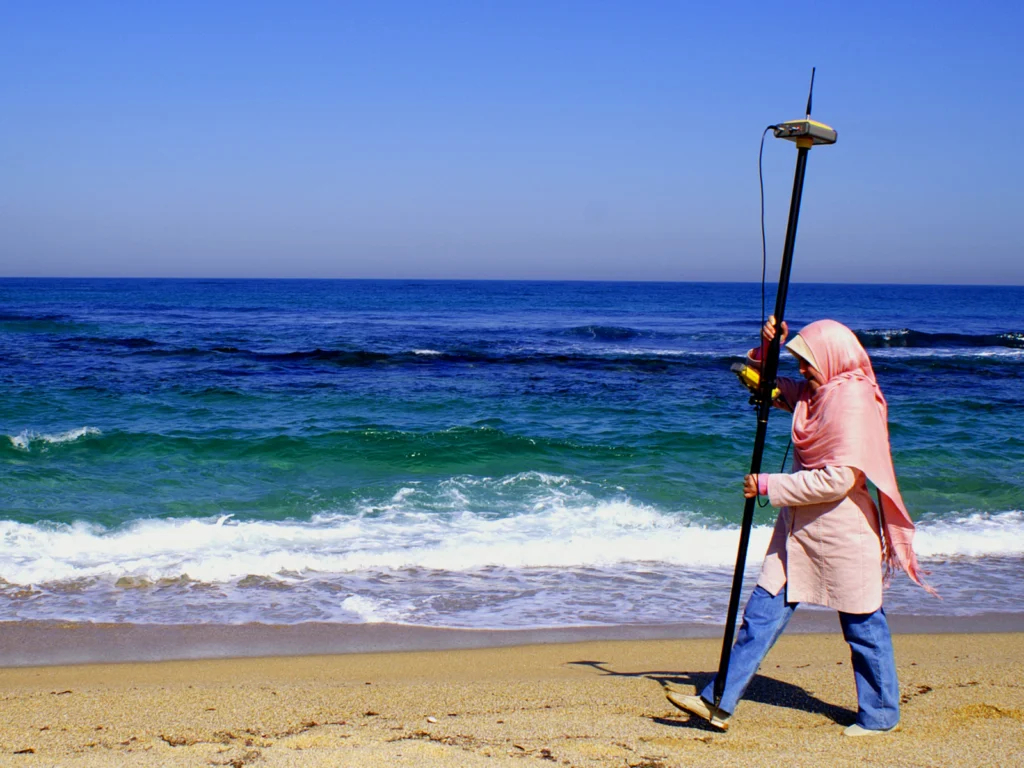
Exceptional and diverse women tell us their science stories!
About a decade ago, I wrestled with a dilemma no one seemed to relate to: I loved science with all my heart, but what if I didn’t want to be a scientist all my life? Was there room in the world for me to pursue another career while still being in the scientific field? What were my options? Who would I turn to? But more importantly, who could I become? Today, I am the Media and Communications Offic ...[Read More]

More and more molehills – The effect of accumulated unconscious gender bias

More and more molehills – The effect of accumulated unconscious gender bias

“Who are these men?!” he says, seeming genuinely baffled. I feel my shoulders rise towards my ears with tension as I wait for him to continue. The man is summarizing what his group, comprised solely of men, have arrived at during their group-discussion at the gender equality seminar we are taking. We have been presented with, I might say, “the usual” statistics for academic women. A pr ...[Read More]

EGU22: Rethinking (geo)scientific conferences today

EGU22: Rethinking (geo)scientific conferences today

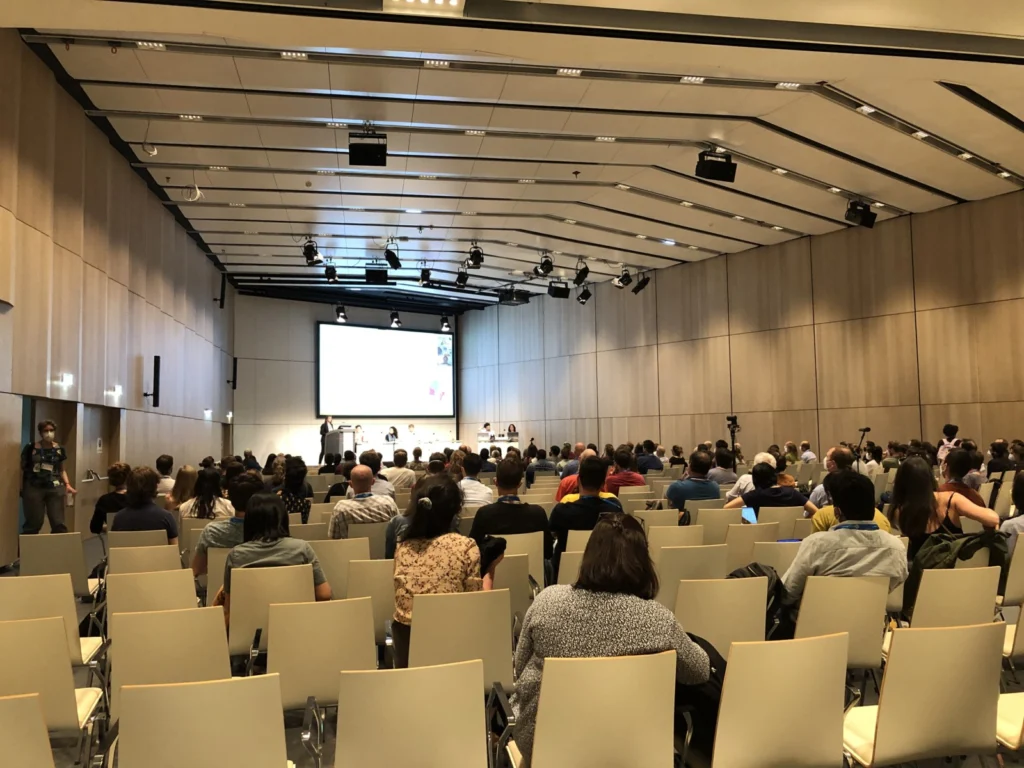
From aiming at globally distributed, but virtually connected conference hubs to live subtitles and translations: never has the scientific conference format been on a trajectory of such abrupt change. What the new format of the coming years will be is still unclear, but it will need fewer chairs and more bandwidth, and should be sensibly ‘green’ and super accessible, suggests Fabio Crameri. Even th ...[Read More]

How to EGU22: Help us ensure a safe and inclusive EGU22!

How to EGU22: Help us ensure a safe and inclusive EGU22!

It is true that academic gatherings like scientific conferences can offer great opportunities for career advancement, such as building stronger networks, highlighting your research, and finding new opportunities for collaboration. Unfortunately, many conferences are not equally inclusive to all (see the image below) and can pose as unsafe environments for presenters and participants. With EGU22 on ...[Read More]

Meet the EGUpride group: LGBTQIA+ members are welcome to join!

Meet the EGUpride group: LGBTQIA+ members are welcome to join!

It is hardly a surprise that members of the geoscience community who identify as LGBTQIA+ (Lesbian, Gay, Bisexual, Transgender, Queer/Questioning, Intersex, Asexual, and others who fall under the umbrella but do not identify with these categories) are likely to face more obstacles in their career compared to their cisgender and heterosexual colleagues. This is true for people at all career levels, ...[Read More]

Using comics to talk about sexism in science: how ‘Did this really happen?!’ is trying to change the conversation

Using comics to talk about sexism in science: how ‘Did this really happen?!’ is trying to change the conversation

1953: Marie Tharp created a map that showed the seafloor was spreading via the Mid-Atlantic Ridge and therefore proved the theory of plate tectonics, only for it to be dismissed as “”girl talk” by her (male) supervisors. 1968: A few years after winning the Nobel Prize (without crediting her work), James Watson wrote about Rosalind Franklin saying “By choice she did not emphasize her feminine quali ...[Read More]

Accessibility at EGU: Promoting inclusive language, an incomplete guide – VERSION 2!

Accessibility at EGU: Promoting inclusive language, an incomplete guide – VERSION 2!

Like all people, geoscientists can sometimes forget the importance of language. How scientists use language is important because it not only allows us to communicate effectively with different groups, from policymakers to concerned citizens and other researchers, but it can also influence how people respond on an emotional or personal level.  The way we use language can even influence how much som ...[Read More]

LGBTQIA+ in the field

LGBTQIA+ in the field

As a part of any field-based science work, whether it be as an individual scientist, research team or with students, we must first conduct a risk assessment. This often focuses on the physical dangers that you, your colleagues or students may encounter whilst working in stressful and sometimes unfamiliar environments. More recently, field-based risk assessments for physical/environmental scientist ...[Read More]

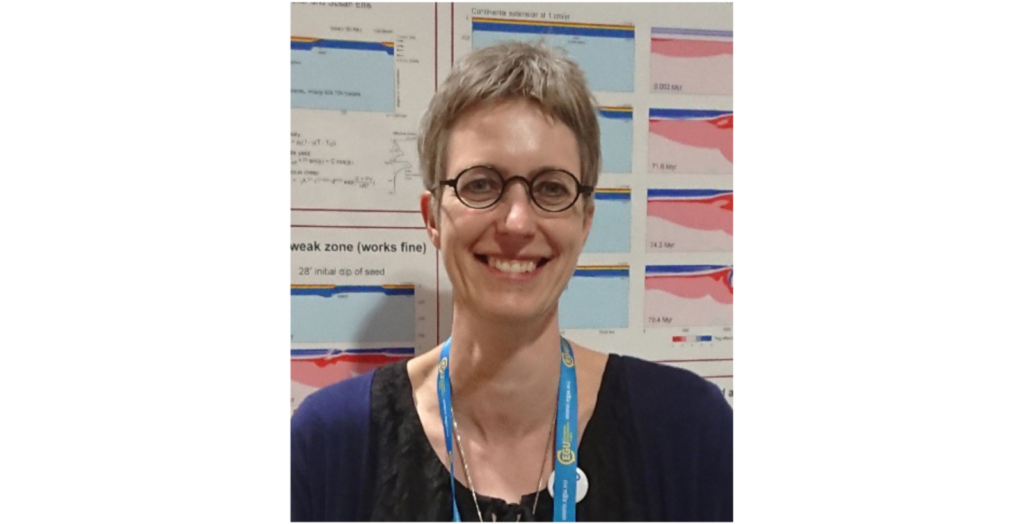
#shareEGU20: A closing message from Susanne Buiter, outgoing Programme Committee Chair.

#shareEGU20: A closing message from Susanne Buiter, outgoing Programme Committee Chair.

Susanne Buiter, a Professor at RWTH Aachen University in Germany and former President of the Tectonics and Structural Geology Division of EGU, will be stepping down from her current role as Programme Committee Chair at the end of this year’s General Assembly. Whilst that should have happened in Vienna as normal, EGU was faced with the difficult decision to cancel the physical meeting this ye ...[Read More]

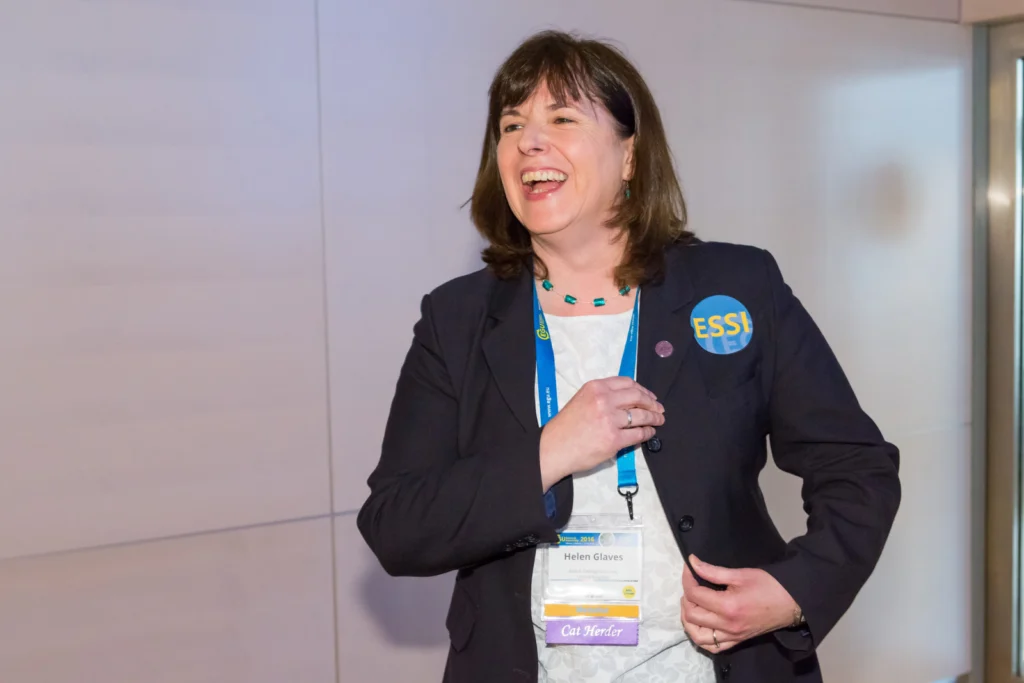
GeoTalk: Meet the EGU’s next president, Helen Glaves

GeoTalk: Meet the EGU’s next president, Helen Glaves

GeoTalk interviews usually feature the work of early career researchers, but this month we deviate from the standard format to speak to Helen Glaves, the incoming president of the EGU. Helen has been involved with the Union for many years, also serving as Earth and Space Science Informatics Division President. Following a year as President-elect, Helen will become President at the 2021 General Ass ...[Read More]