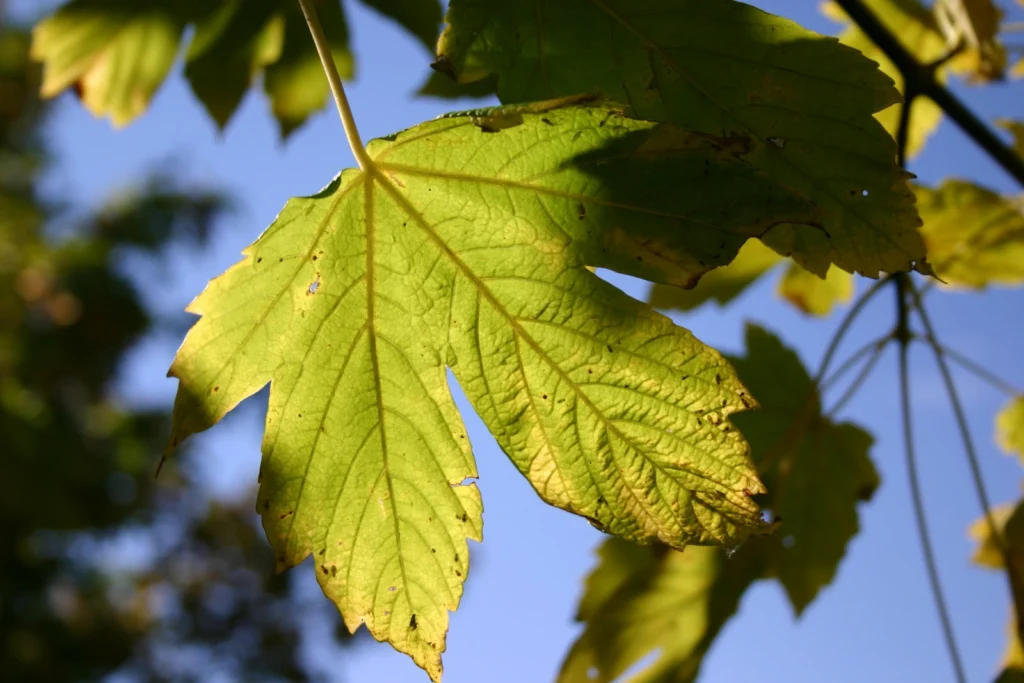
We often read about Earth’s mass extinction events and how they wiped out vast numbers of animal species, leaving survivors to evolve and repopulate the planet. But it’s rarer to hear about how plants managed these catastrophes. A new study published last month by a team at University College Dublin, Ireland, in the journal Nature Plants shows how plants with thicker, heavier leaves we ...[Read More]
global warming
June GeoRoundUp: the best of the Earth sciences from around the web
Drawing inspiration from popular stories on our social media channels, as well as unique and quirky research news, this monthly column aims to bring you the best of the Earth and planetary sciences from around the web. Major Story With June being the month when the world’s oceans are celebrated with World Ocean Day (8th June) and the month when the UN’s Ocean Conference took place, it seemed apt t ...[Read More]
Geosciences Column: How El Niño triggered Indonesia corals die-off
In the glistening waters of Indonesia, shallow corals – the rain forests of the sea – teem with life. Or at least they did once. Towards the end of 2015 the corals started to die, leaving a bleak landscape behind. An international team of researchers investigated the causes of the die-off. Their findings, published recently in the EGU’s open access journal, Biogeosciences, are rather ...[Read More]
February GeoRoundUp: the best of the Earth sciences from around the web
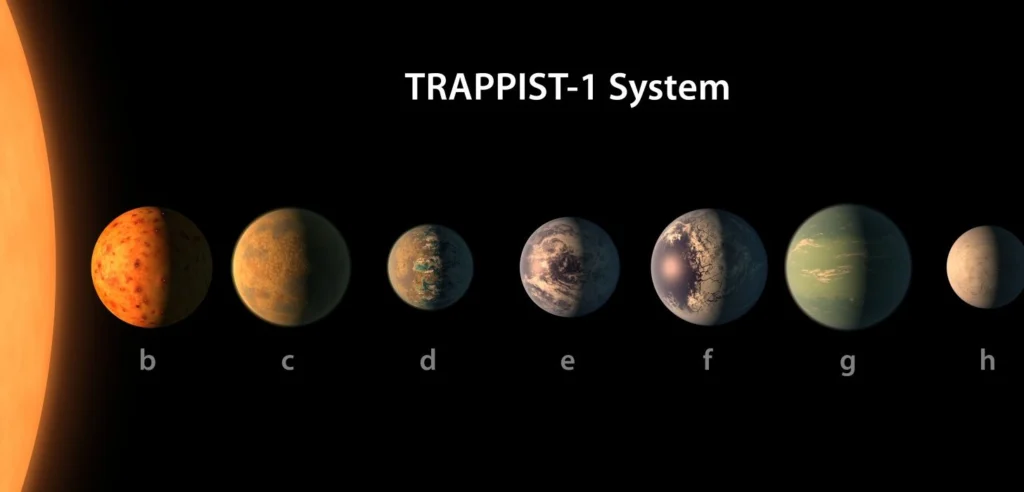
Drawing inspiration from popular stories on our social media channels, as well as unique and quirky research news, this monthly column aims to bring you the best of the Earth and planetary sciences from around the web. Major story Undoubtedly the story of the month is the discovery of a star system of seven Earth-sized planets just 40 light-years away from our own. What makes the finding so excit ...[Read More]
New study of natural CO2 reservoirs: Carbon dioxide emissions can be safely buried underground for climate change mitigation
New research shows that natural accumulations of carbon dioxide (CO2) that have been trapped underground for around 100,000 years have not significantly corroded the rocks above, suggesting that storing CO2 in reservoirs deep underground is much safer and more predictable over long periods of time than previously thought, explains Suzanne Hangx a postdoctoral researcher at the University of Utrech ...[Read More]
Imaggeo on Mondays: A solitary floating island
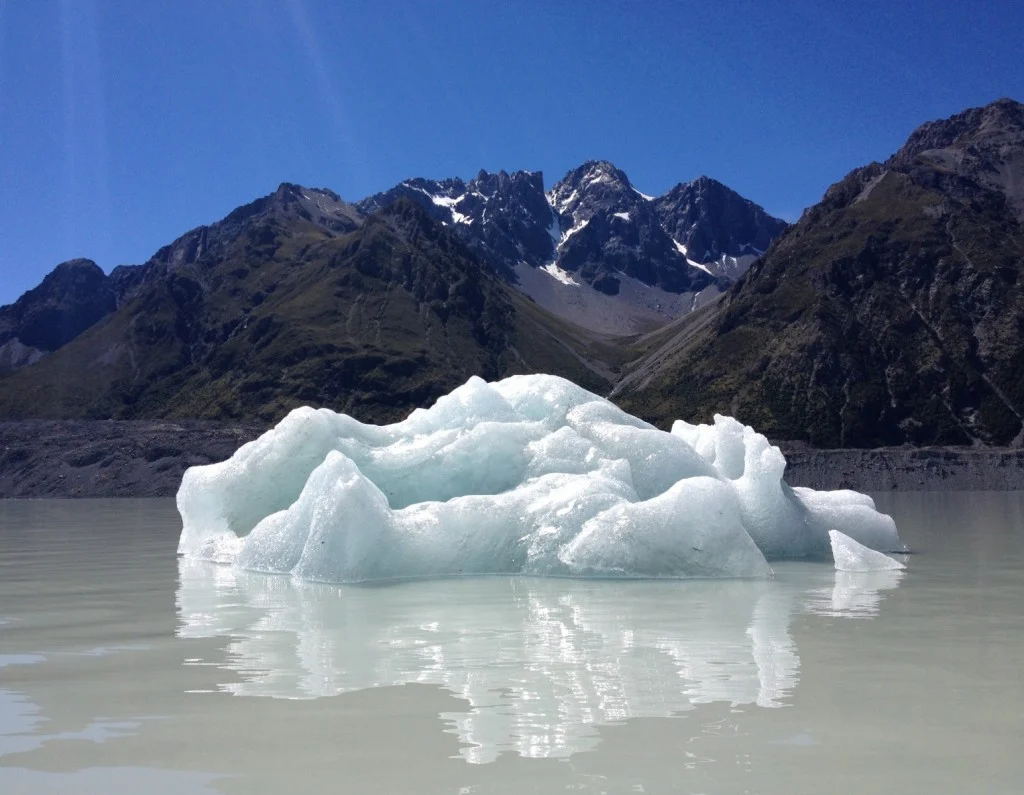
With 2014 officially named the hottest year on record, there is evidence of the effects of rising global temperatures across the globe. The solitary, shimmering iceberg in today’s Imaggeo on Mondays photograph is a reminder that one of the best places to look for evidence of change is in glaciers. Daniela Domeisen tells the story of this lonely frozen block of ancient ice. The picture shows an ice ...[Read More]
IPCC report ‘unprecedented changes’ in climate, urging policymakers to take action
“Human influence on the climate system is clear” was the key message from the report on the physical science of climate change from the Intergovernmental Panel on Climate Change (IPCC). “We have come a long way since the first IPCC report was published in 1990,” a statement reiterated throughout the press conference for the release of the report. The IPCC were keen to register the significance of ...[Read More]
Geosciences Column: How curbing HFC emissions could reduce warming
Carbon dioxide is without a doubt the most famous of warming culprits. But would reducing emissions of this greenhouse gas be enough to mitigate climate change within this century? A recent paper published in Atmospheric Chemistry and Physics focuses on a less known substance that, if phased out, could avoid as much as 0.5 °C of warming by 2100. Hydroflurocarbons (HFCs) have an interesting history ...[Read More]