GeoLog

GeoLog

Educators: apply now to take part in the 2020 GIFT workshop!
Educators: apply now to take part in the 2020 GIFT workshop!
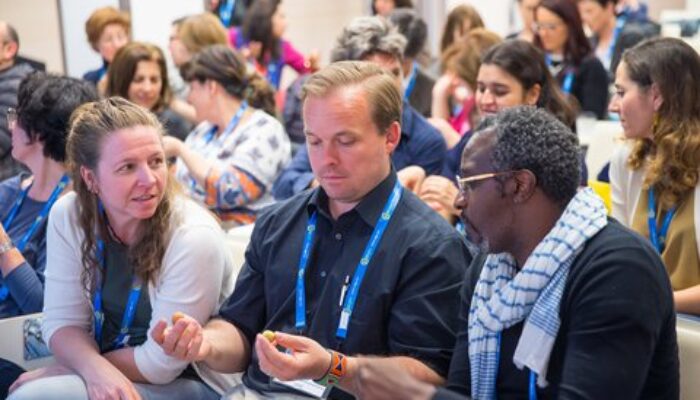
The General Assembly is not only for researchers but also for teachers and educators with an interest in the geosciences. Every year the Geosciences Information For Teachers (GIFT) workshop is organised by the EGU Committee on Education to bring first class science closer to primary and high school teachers. The topic of the 2020 edition of GIFT is ‘Water in the solar system’. This year’s workshop ...[Read More]

Imaggeo on Mondays: A walk at the glacier

Imaggeo on Mondays: A walk at the glacier

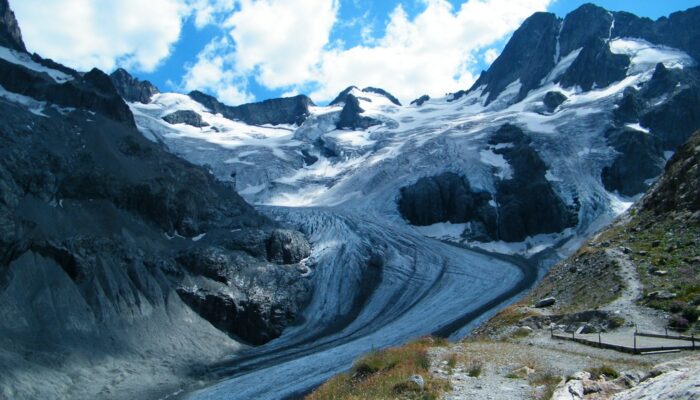
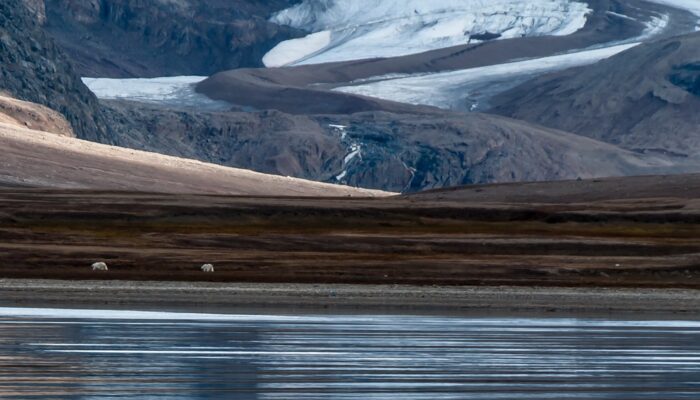
In 2012 I had the opportunity to help lead a teaching excursion to the Norwegian archipelago Svalbard. On this trip, geography students from the Ruhr-University of Bochum in Germany had the chance to learn more about the nature of this fascinating island. In addition to Svalbard’s climatology and the wildlife, the region’s glaciology and geomorphology were the main topics we focused on. For exampl ...[Read More]

Conversations on a century of geoscience in Europe: Part 2

Conversations on a century of geoscience in Europe: Part 2

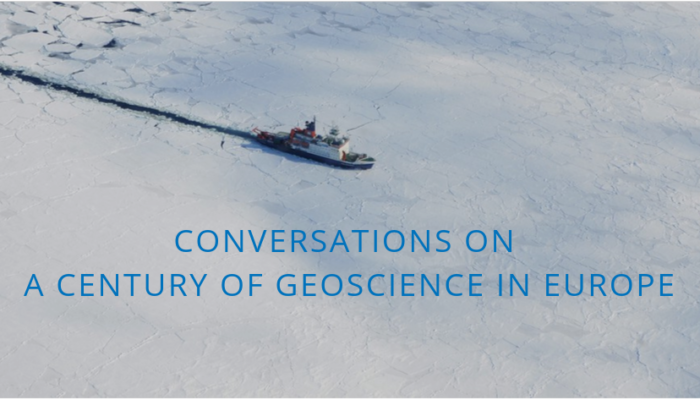
When you think about the last century of geoscience, what comes to mind? Perhaps Alfred Wegener’s theory of continental drift? Or Inge Lehmann’s discovery of Earth’s solid inner core? Over the last 100 years, geoscientists have made incredible contributions to our understanding of the Earth, the solar system, and beyond. The science community has explored uncharted territory, challenged previously ...[Read More]

Imaggeo on Mondays: An expedition to better understand Antarctic soils

Imaggeo on Mondays: An expedition to better understand Antarctic soils

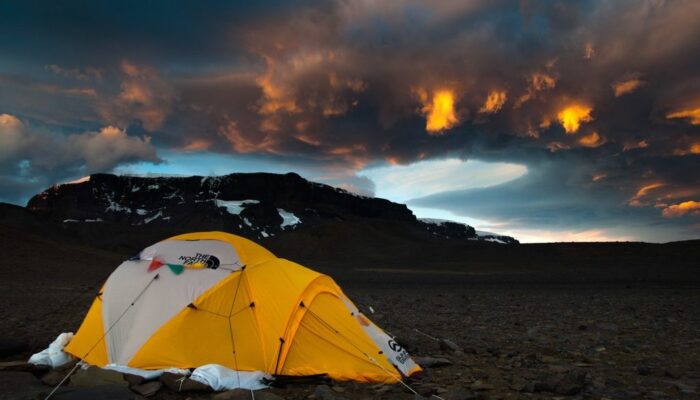
A dramatic evening sky puts the frame to a photo taken during the Brazilian Antarctic expedition to James Ross Island in 2016. Brazilian palaeontologists and soil scientists together with German soil scientists spent over 40 days on the island to search for fossils and sample soils at various locations of the northern part of the island. The island was named after Sir James Clark Ross who led the ...[Read More]

September GeoRoundUp: the best of the Earth sciences from around the web

September GeoRoundUp: the best of the Earth sciences from around the web

Drawing inspiration from popular stories on our social media channels, major geoscience headlines, as well as unique and quirky research, this monthly column aims to bring you the latest Earth and planetary science news from around the web. Major stories Latest IPCC report puts the oceans and cryosphere in focus Last month the United Nations’ Intergovernmental Panel on Climate Change (IPCC) releas ...[Read More]

Imaggeo on Mondays: The colourful sinkhole clusters at Ghor Al-Haditha

Imaggeo on Mondays: The colourful sinkhole clusters at Ghor Al-Haditha

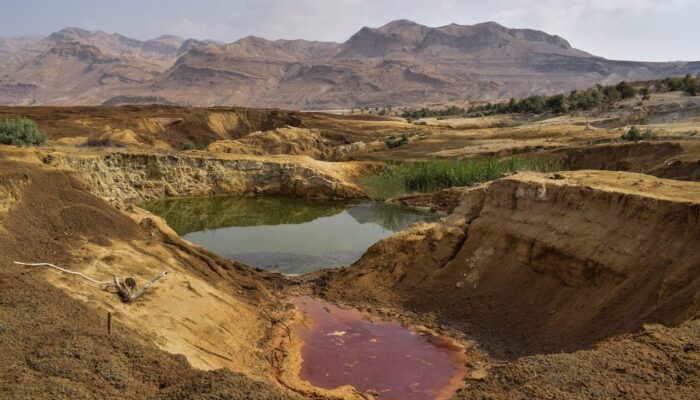
Sinkholes that form on the Dead Sea shore at Ghor Al-Haditha, Jordan, often occur in clusters, with many holes packed into a small area. However the visual appearance of neighbouring sinkholes can vary significantly. Mineral precipitation in the foremost sinkhole in this picture, which has no fresh water supply, gives it a garish pink-orange colouration. The larger hole behind has a groundwater-de ...[Read More]

GeoPolicy: One American’s way into the European Commission

GeoPolicy: One American’s way into the European Commission

An unsolicited email to a LinkedIn connection holding the title “science communicator” led me to the European Commission. My journalism master’s thesis was now complete, and I was in hasty pursuit of a career in citizen engagement of science. The EGU’s Policy Officer Chloe Hill responded to my spontaneous request for career direction and forwarded me a running list of science-policy traineeships a ...[Read More]

Imaggeo on Mondays: The polje between sky and Earth

Imaggeo on Mondays: The polje between sky and Earth

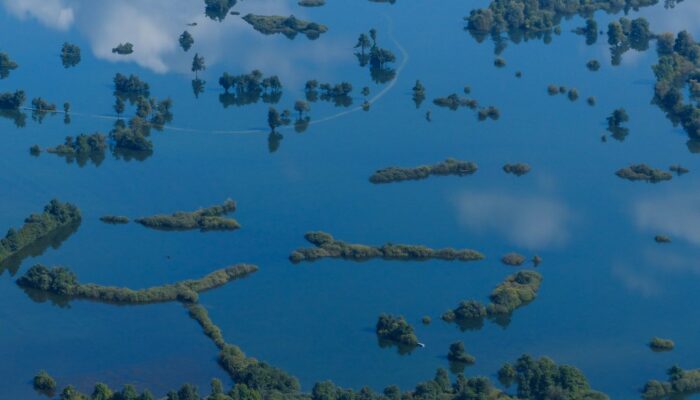
Poljes are one of the most impressive features existing in karst landscapes. These large flat closed depressions are prone to regular flooding that can form temporary lakes on their surface. Planinsko Polje [in Slovenia] is surely the most famous example of polje existing. The highest floods can reach up to 8 metres above the gauging station and last for more than two months. The lake is then more ...[Read More]

Gender equality and equal opportunities – keep the discussion going!

Gender equality and equal opportunities – keep the discussion going!

Why do I feel uncomfortable as the only woman in a meeting? Why do they gossip about the male postdoc who is supervising three female MSc students? Have I really been asked to give this presentation just because I am a woman? It was thanks to all the work and reading I was doing for our study about gender inequality in the geosciences that I realised it is not ok I have to ask myself these questio ...[Read More]

Imaggeo on Mondays: How do Earth’s Northern Lights form?

Imaggeo on Mondays: How do Earth’s Northern Lights form?

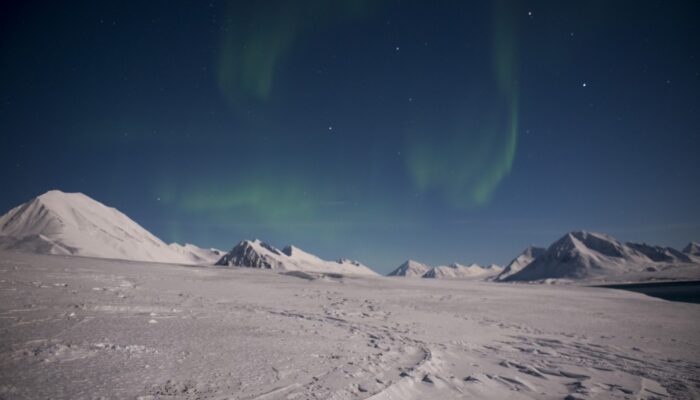
Aurora Borealis, which means Northern Lights are caused by electrically charged particles from the sun, which enter the Earth’s atmosphere and collide with gases such as oxygen and nitrogen. When the charged particles are blown towards the Earth by the solar wind, they are largely deflected by the Earth’s magnetic field. However, the Earth’s magnetic field is weaker at the poles and therefore some ...[Read More]