GeoLog

Social Media

Geoscience communication: A smart investment
Geoscience communication: A smart investment

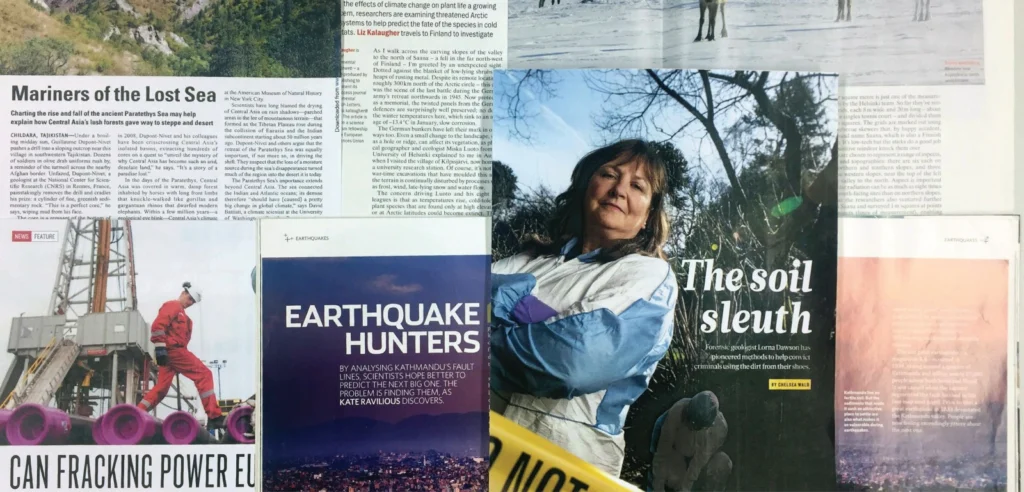
In this post, originally published in June 2017 on the blog of the Geological Society of America (GSA), Terri Cook, a science and travel writer and former winner of the EGU’s Science Journalism Fellowship, argues the importance of quality science communication as a means for scientists to make their research accessible to a broad audience. One way to achieve this is working with a science jo ...[Read More]

We are hiring: be our next Communications Officer!

We are hiring: be our next Communications Officer!

Do you have an interest in the Earth, space and planetary sciences and love blogging and using social media channels to communicate that passion? Then our latest job opening might be just right for you! We are looking for a Communications Officer to work with the EGU Media and Communications Manager in maintaining and further developing media- and science-related communications between the EGU and ...[Read More]

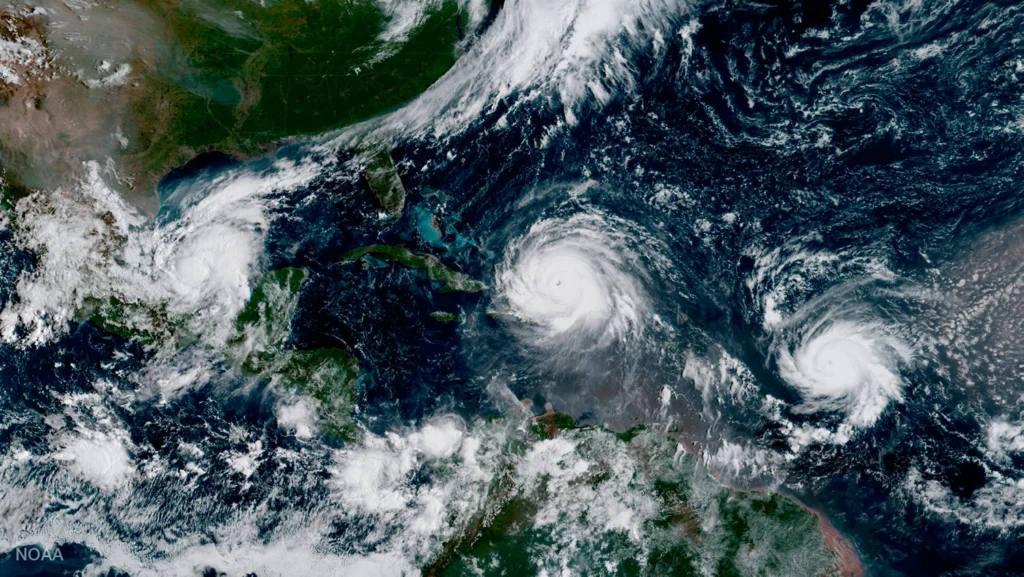
Is it an earthquake, a nuclear test or a hurricane? How seismometers help us understand the world we live in

Is it an earthquake, a nuclear test or a hurricane? How seismometers help us understand the world we live in

Although traditionally used to study earthquakes, like today’s M 8.1 in Mexico,  seismometers have now become so sophisticated they are able to detect the slightest ground movements; whether they come from deep within the bowels of the planet or are triggered by events at the surface. But how, exactly, do earthquake scientists decipher the signals picked up by seismometers across the world? And mo ...[Read More]

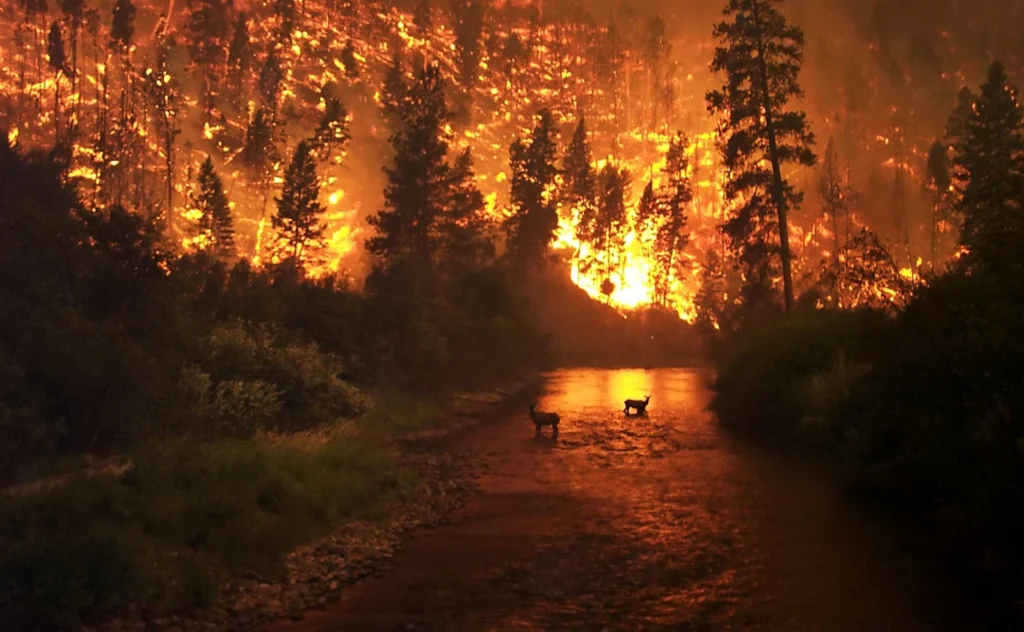
GeoSciences Column: Is smoke on your mind? Using social media to assess smoke exposure from wildfires

GeoSciences Column: Is smoke on your mind? Using social media to assess smoke exposure from wildfires

Wildfires have been raging across the globe this summer. Six U.S. States, including California and Nevada, are currently battling fierce flames spurred on by high temperatures and dry conditions. Up to 10,000 people have been evacuated in Canada, where wildfires have swept through British Columbia. Closer to home, 700 tourists were rescued by boat from fires in Sicily, while last month, over 60 pe ...[Read More]

May GeoRoundUp: the best of the Earth sciences from around the web

May GeoRoundUp: the best of the Earth sciences from around the web

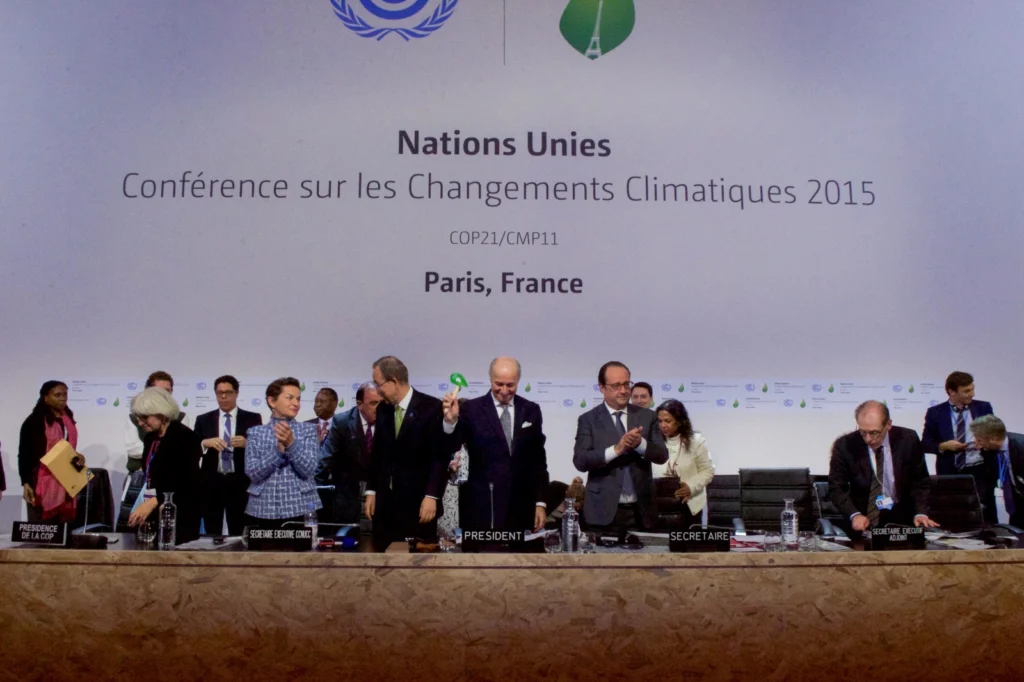
Drawing inspiration from popular stories on our social media channels, as well as  unique and quirky research news, this monthly column aims to bring you the best of the Earth and planetary sciences from around the web. Major Story In the last couple of weeks of May, the news world was abuzz with the possibility of Donald Trump withdrawing from the Paris Agreement. Though the announcement actually ...[Read More]

Announcing the winners of the EGU Photo Contest 2017!

Announcing the winners of the EGU Photo Contest 2017!

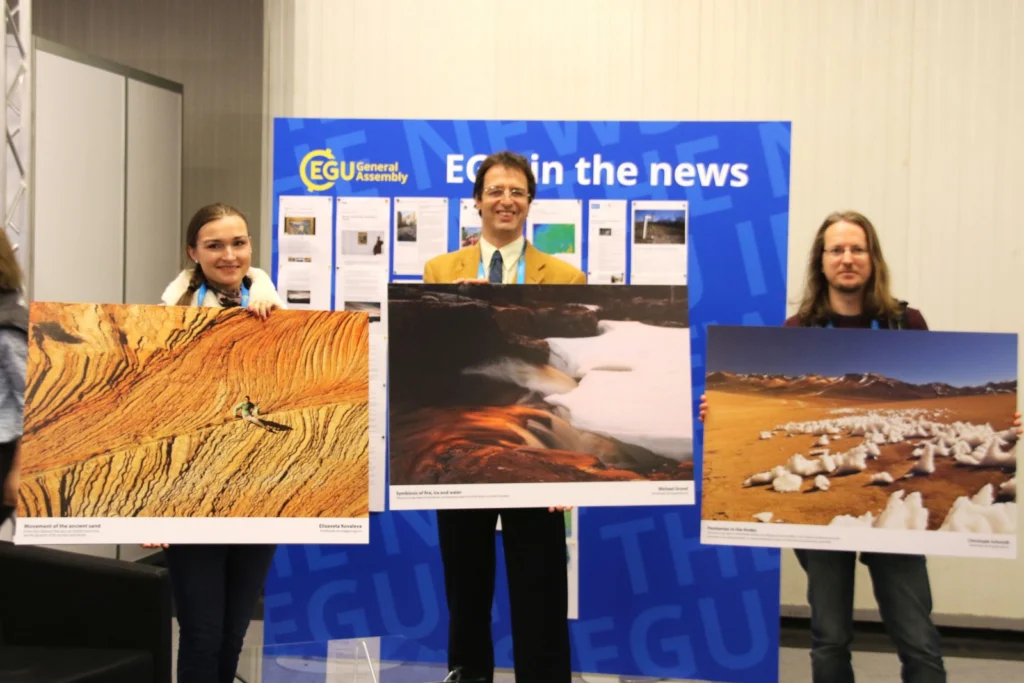
The selection committee received over 300 photos for this year’s EGU Photo Contest, covering fields across the geosciences. Participants at the 2017 General Assembly have been voting for their favourites throughout the week  of the conference and there are three clear winners. Congratulations to 2017’s fantastic photographers! Penitentes in the Andes by Christoph Schmidt (distributed by imaggeo.eg ...[Read More]

EGU 2017: Follow the conference action live!

EGU 2017: Follow the conference action live!

Earlier this month we shared a post on how you can keep up to date with all the science being presented at the General Assembly via our social media channels. This week we share with you how you can tune into the conference action, live! Many of the EGU General Assembly highlights will be streamed live, so if you can’t make it to Vienna this year, you can still watch the Union Symposia on Making F ...[Read More]

Marching for Science in Vienna

Marching for Science in Vienna

On 22 April, Earth Day and the day before the start of the EGU General Assembly, scientists and science enthusiasts across the globe will be marching to celebrate science and to call for the safeguarding of its future. While the main march is taking place in Washington D.C. in the US, there are hundreds of satellite marches happening around the world, including in Vienna. Representatives of both t ...[Read More]