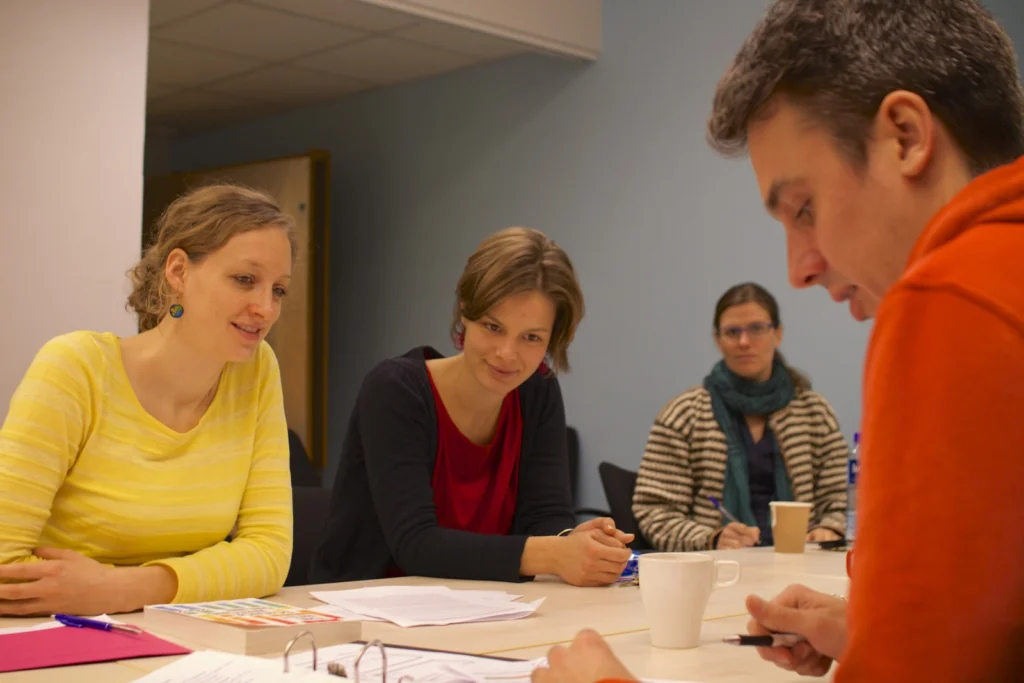
Writing is something that those pursuing a career in academia are expected to be good at. It is a requirement of the job, yet it is a skill few get any formal training in and simply rely on the old saying that practice makes perfect. But what if there is another way? Mathew Stiller-Reeve is a co-founder of ClimateSnack, a writing group organization, which aims to tackle the problem. In today’s pos ...[Read More]
GeoTalk: REcycle textile posters into useful products
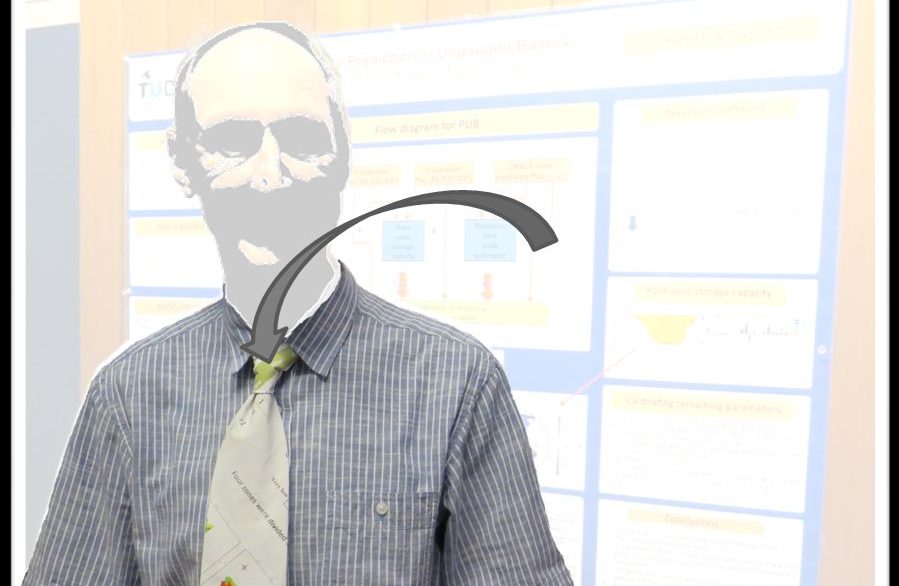
Conference posters: Most scientists spend tens (if not hundreds) of working hours perfecting their conference poster. There’s not just the science to think about, but also the design, the flow, the images, the language… The list is endless. Once complete, you print it, roll it up and feed it into the protective poster tube. Then you travel to the conference venue, whereupon you ‘compete’ with othe ...[Read More]
Going deeper underground – why do we want to know how rocks behave?
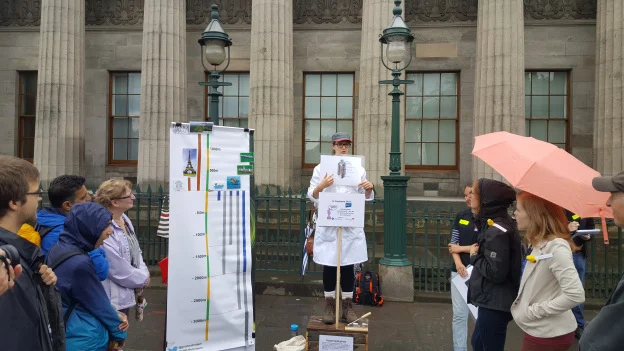
Imagine you find yourself standing atop a wooden box in the middle of your home town, on a rainy weekend day, with the sole aim of talking to passersby about your research work. It can be a rather daunting prospect! How do you decide what the take-home message of your work is: which single nugget of information do you want members of the public to take away after having spoken to you? Even more im ...[Read More]
Who do you think most deserves the title of the Mother of Geology?
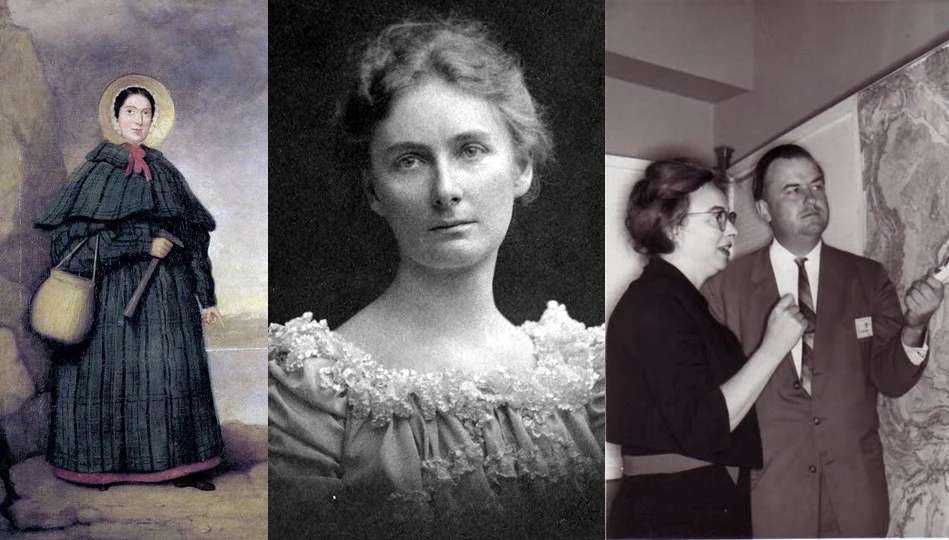
Much ink is spilled hailing the work of the early fathers of geology – and rightly so! James Hutton is the mind behind the theory of uniformitarianism, which underpins almost every aspect of geology and argues that processes operating at present operated in the same manner over geological time, while Sir Charles Lyell furthered the idea of geological time. William Smith, the coal miner and canal b ...[Read More]
My film is ready, now what?
It’s no secret that at EGU we believe using film as a medium to communicate science and engage the public with research is a great tool! So much so that we organise an annual competition for early career scientists (ECS) to produce a three-minute video to share their research with the general public, as well as publishing film how-to-guides on our blog and organising film-making workshops at our G ...[Read More]
Revamping the EGU blog network: call for bloggers
The EGU blog network is getting a make-over! Since 2013 the network blogs have enjoyed thought-provoking and engaging contributions by Simon Redfern, Dan Schillereff and Laura Roberts, Jon Tennant, as well as Will Morgan on a range of topics: from the workings of the inner Earth, through to geomorphology, palaeontology and air quality. However, the individual circumstances of the bloggers now mean ...[Read More]
Geosciences Column: The World’s soils are under threat
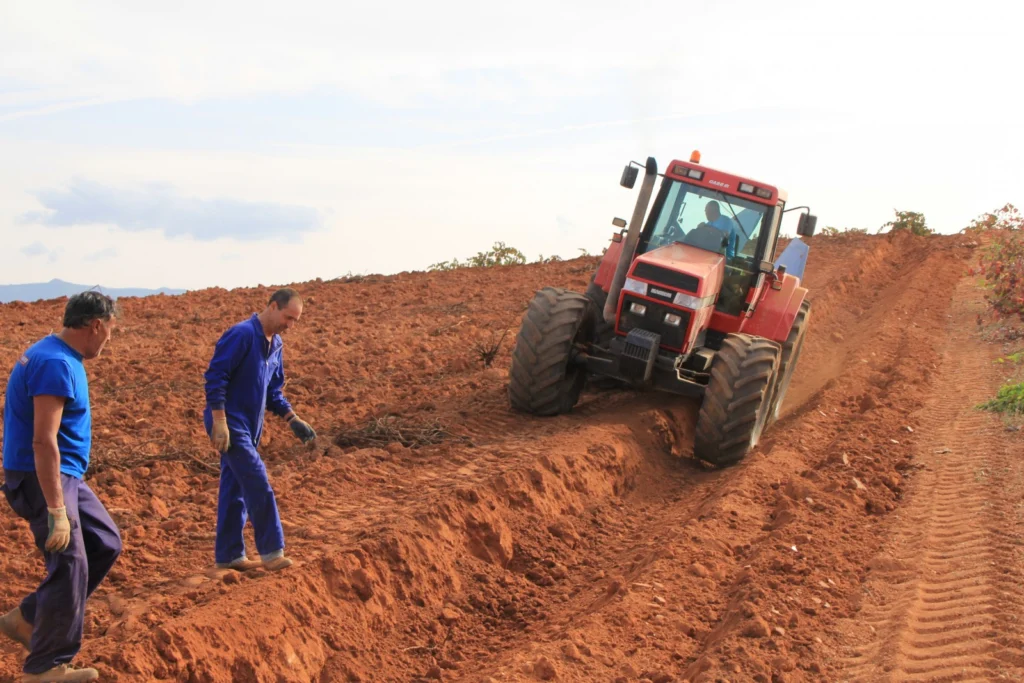
An increasing global population means that we are more dependant than ever on soils. Soils are crucial to securing our future supplies of water, food, as well as aiding adaptation to climate change and sustaining the planet’s biosphere; yet with the decrease in human labour dedicated to working the land, never have we been more out of touch with the vital importance of this natural resource. Now, ...[Read More]
GeoTalk: Matt Taylor of ESA’s Rosetta mission
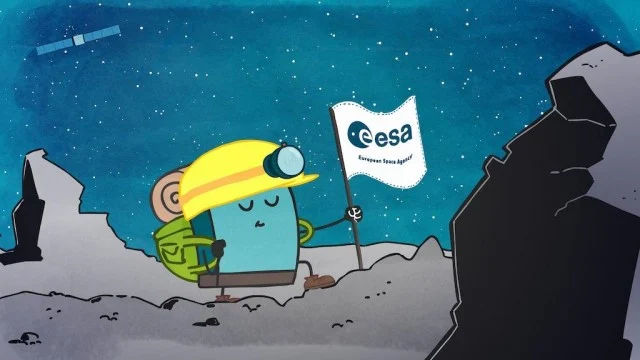
In November 2014, space exploration history was made. Millions of kilometres away, orbiting a piece of ice and rock, the European Space Agency’s (ESA) Rosetta mission sent its probe Philae to become the first spacecraft to soft-land on a comet. After the tense 7-hour wait that followed the separation from the main orbiter, a tweet confirmed that the little lander had successfully completed the fir ...[Read More]
GeoPolicy: 8 ways to engage with policy makers
Scientific research is usually verbally communicated to policy officials or through purposefully written documents. This occurs at all levels of governance (local, national, and international). This month’s GeoPolicy post takes a look at the main methods in which scientists can assist in the policy process and describes a new method adopted by the European Commission (EC) that aims to enhance scie ...[Read More]
GeoPolicy: What’s next for the IPCC & how can early career scientists get involved? An interview with Valérie Masson-Delmotte
This month’s GeoPolicy post is an interview with the newly-appointed co-chair of the Intergovernmental Panel on Climate Change (IPCC) Working Group 1 (WG1): Valérie Masson-Delmotte. Valérie is also a Principle Investigator at the Laboratoire des Sciences du Climat et de l’Environnement, Paris. In this interview she discusses how she balances her two roles, what the IPCC has planned over the ...[Read More]