GeoLog

Science Communication

Looking back at the EGU Blogs in 2016: a competition
Looking back at the EGU Blogs in 2016: a competition
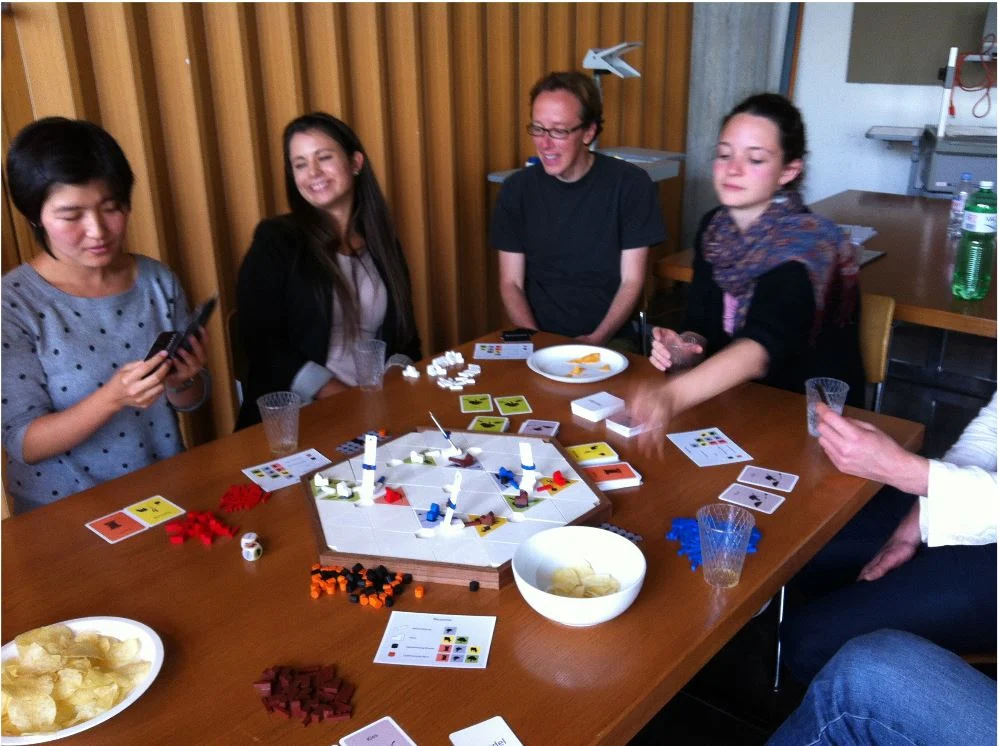
The past 12 months has seen an impressive 360 posts published across the EGU’s official blog, GeoLog, as well as the network and division blogs. From a lighthearted Aprils Fools’ Day post featuring an extreme chromatic phenomenon (otherwise known as FIB); through to how climate change is affecting mountain plant’s sex ratios; features on natural hazard events throughout the year and children’s dis ...[Read More]

Showcase your film at GeoCinema at the 2017 General Assembly!

Showcase your film at GeoCinema at the 2017 General Assembly!

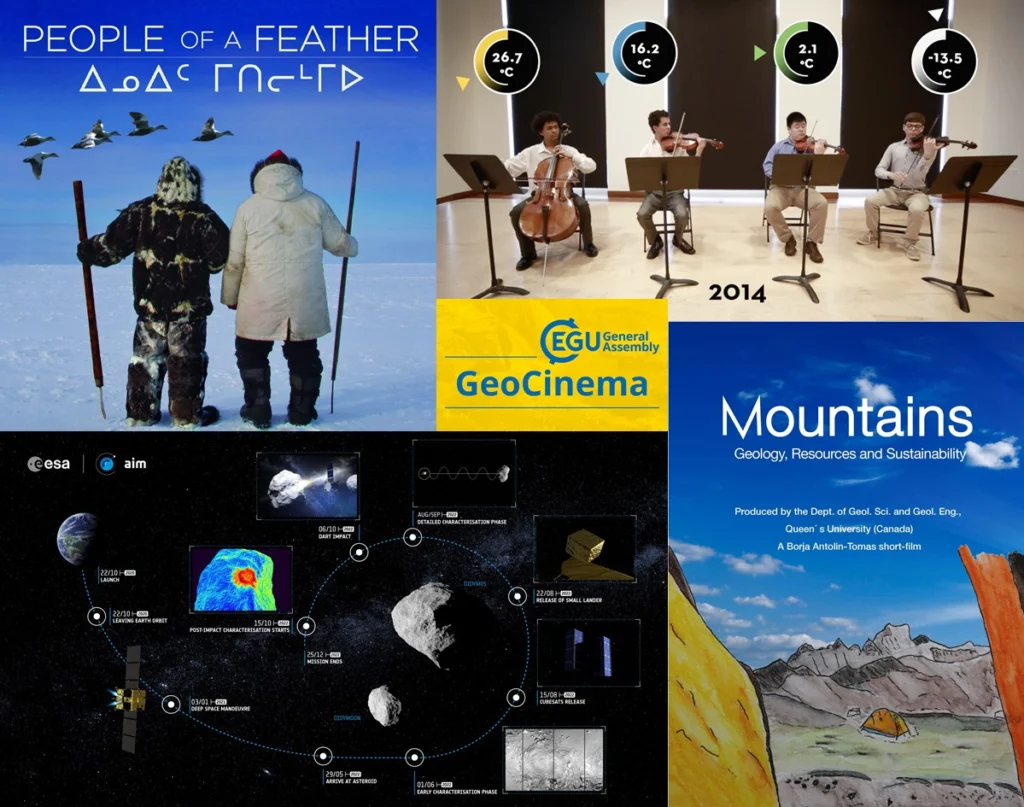
Every year, we showcase a great selection of geoscience films at the EGU General Assembly and after seven successful years we will again be running GeoCinema in 2017. If you’ve shadowed a scientist in the lab, filmed fantastic spectacles in the field, or have produced an educational feature on the Earth, planetary or space sciences, we want to hear from you! Geocinema features short clips and long ...[Read More]

Celebrating Earth Science Week!

Celebrating Earth Science Week!

For those not so familiar with the Earth sciences, geosciences and all its subdisciplines might be shrouded in mystery:  boring, unfathomable, out of reach and with little relevance to everyday life. Nothing could be further from the truth! Earth Science Week, an international annual celebration founded by the American Geosciences Institute in 1998, aims to change the public’s perception of the ge ...[Read More]

Educators: Apply now to take part in the 2017 GIFT workshop!

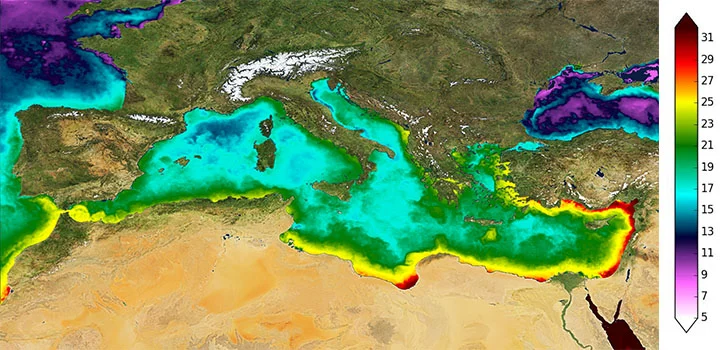
The General Assembly is not only for researchers but for teachers and educators with an interest in the geosciences also. Every year the Geosciences Information For Teachers (GIFT) is organised by the EGU Committee on Education to bring first class science closer to primary and high school teachers. The topic of the 2017 edition of GIFT is ‘The Mediterranean’. This year’s workshop is co-organised ...[Read More]

This calls for a celebration: GeoLog’s 1000 post!

This calls for a celebration: GeoLog’s 1000 post!

As far as blogging milestones go, today is pretty special. This is GeoLog’s 1000 post! Since the EGU’s official blog launched back in March 2010 (that’s right, there’s over 6 years of back catalogue for you to enjoy!), we’ve shared posts about research spanning almost every discipline in the Earth sciences; highlighted member’s adventures in the field and showcased the work of outstanding early ca ...[Read More]

Stop the press!: How to pitch your research to a journalist or editor

Stop the press!: How to pitch your research to a journalist or editor

Why does some research make it into the main stream media, while so many stories languish in the expanse between the lab bench and research papers? The answer isn’t straightforward. A variety of factors come into play: is the research newsworthy; is it timely; does it represent a ground-breaking discovery; or is it of human and societal interest? Newsworthiness isn’t the be all and end all. Someti ...[Read More]

GeoTalk: Investigating the transport of plastic pollution in the oceans

GeoTalk: Investigating the transport of plastic pollution in the oceans

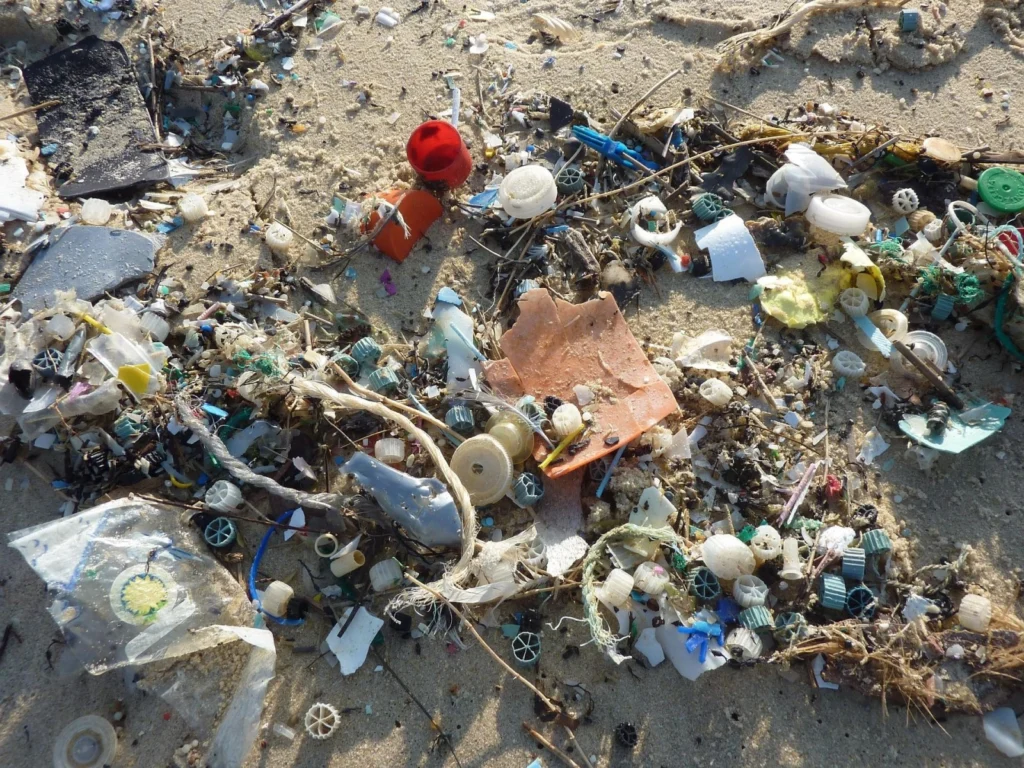
Geotalk is a regular feature highlighting early career researchers and their work. In this interview we speak to Erik van Sebille, an oceanographer at the Grantham Institute at Imperial Collage London, and winner of the 2016 OS Outstanding Young Scientist Award. As an expert in understanding how oceans transport all kinds of materials, from water and heat through to plastics, Erik has gained detai ...[Read More]

GeoPolicy: Science and the policy cycle

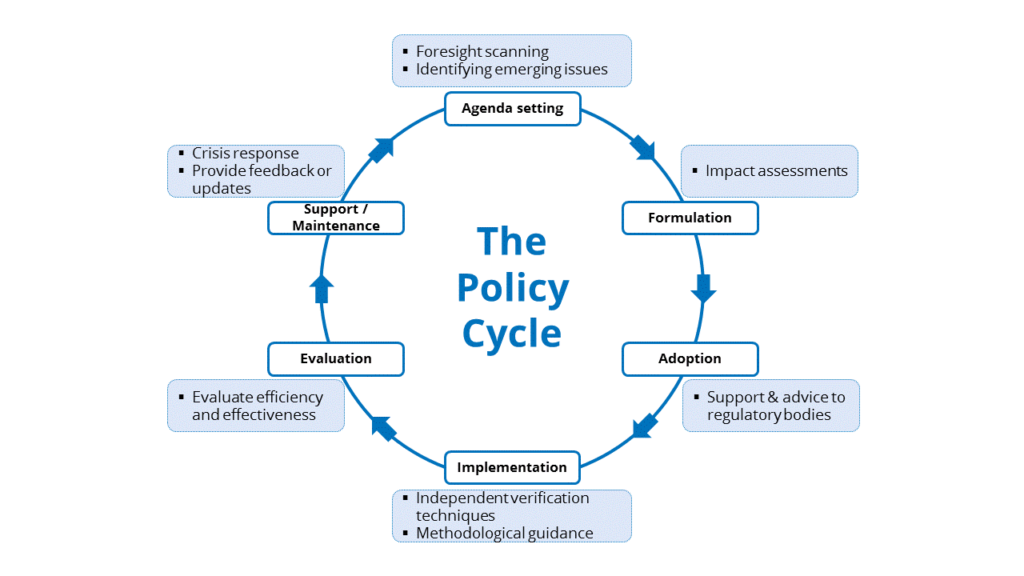
One way to improve the impact of your scientific research is to engage with policy. Doing so can create new opportunities for yourself and your research. The main challenges are knowing when and how to effectively communicate scientific results to policy. If the wrong timing or communication method is chosen then results are less likely to be incorporated into the policy process. This month’s GeoP ...[Read More]

Imaggeo on Mondays: what corals can tell us about past climate change

Imaggeo on Mondays: what corals can tell us about past climate change

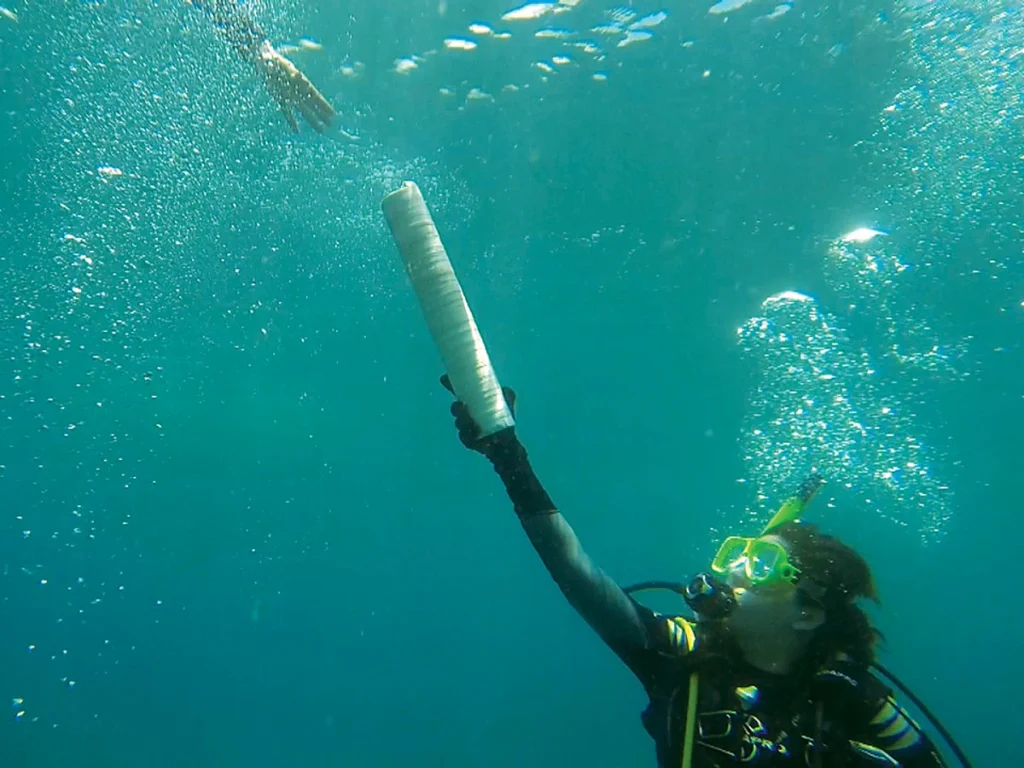
Reconstructing past climates is a tricky task at the best of times. It requires an ample data set and a good understanding of proxies. Add into the mix some underwater fieldwork and the challenge got a whole lot harder! In today’s Imaggeo on Monday’s post, Isaac Kerlow explains how information locked in corals can tell the story of past climates and how important it is, not only to carry out the r ...[Read More]