GeoLog

Regular Features

GeoPolicy: Science and the policy cycle

GeoPolicy: Science and the policy cycle

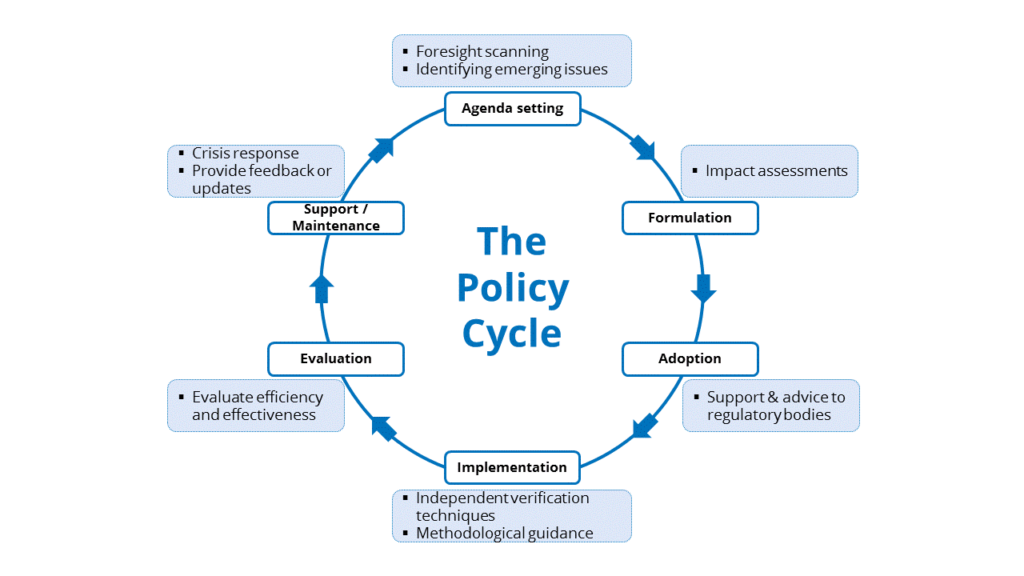
One way to improve the impact of your scientific research is to engage with policy. Doing so can create new opportunities for yourself and your research. The main challenges are knowing when and how to effectively communicate scientific results to policy. If the wrong timing or communication method is chosen then results are less likely …[Read More]

Imaggeo on Mondays: Get involved!

Imaggeo on Mondays: Get involved!

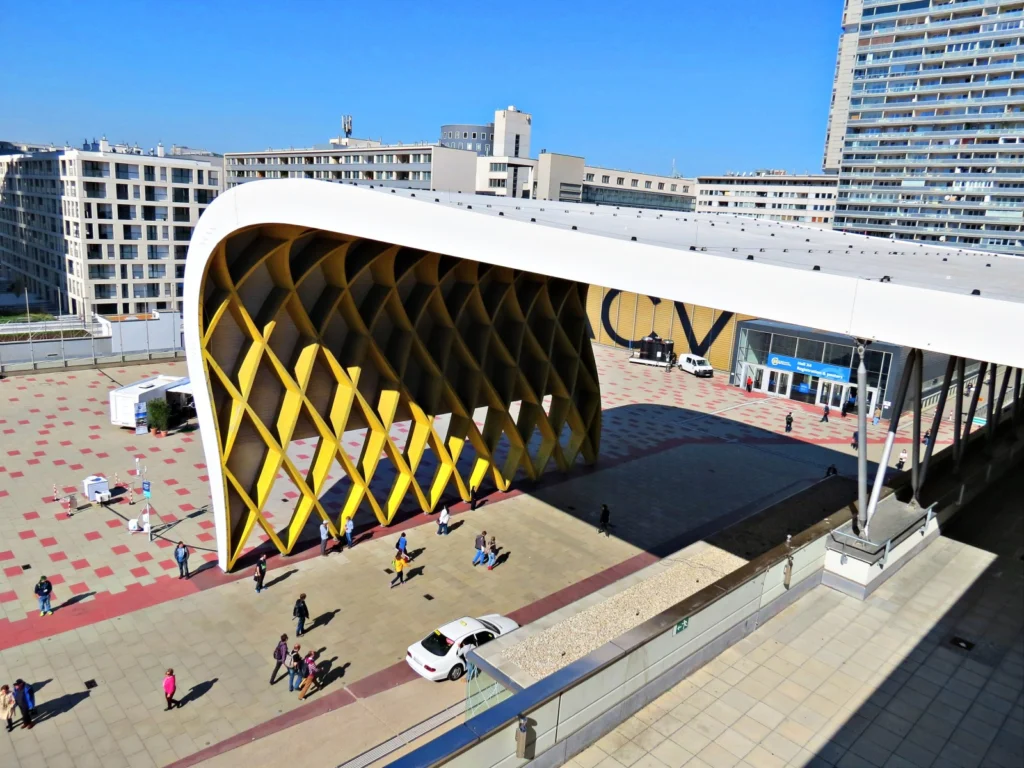
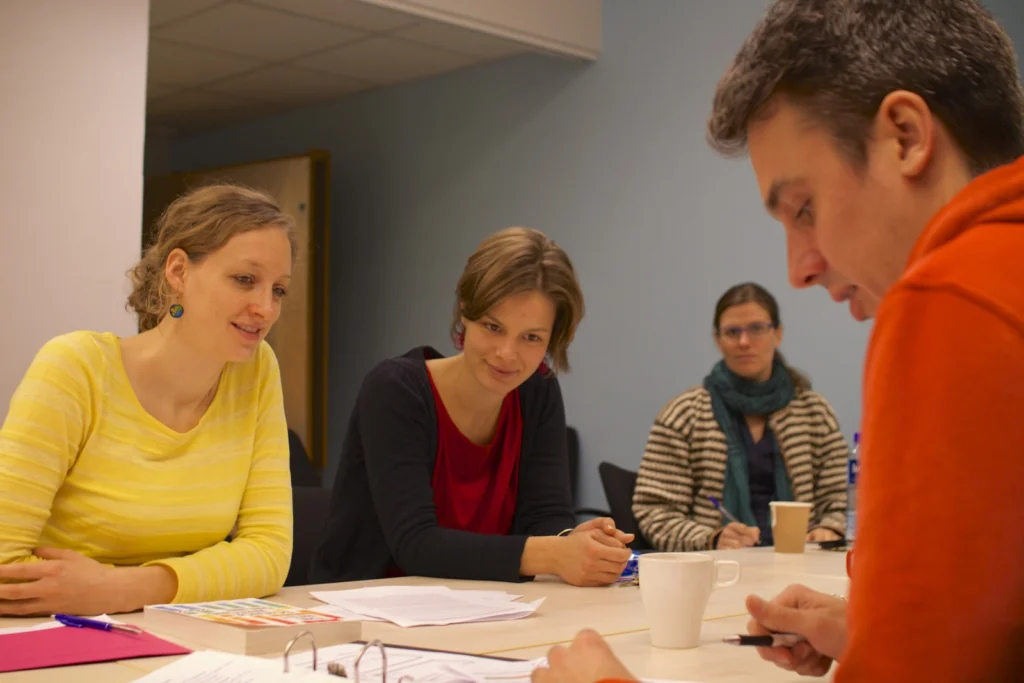
Today’s featured image is a throw back to our 2016 General Assembly! Did you enjoy this year’s 619 unique scientific sessions and 321 side events at conference? Did you know that EGU members and conference attendees can play an active role in shaping the scientific programme of the conference? It is super easy! You can suggest …[Read More]

GeoTalk: Raffaele Albano, Early Career Scientist Representative

GeoTalk: Raffaele Albano, Early Career Scientist Representative

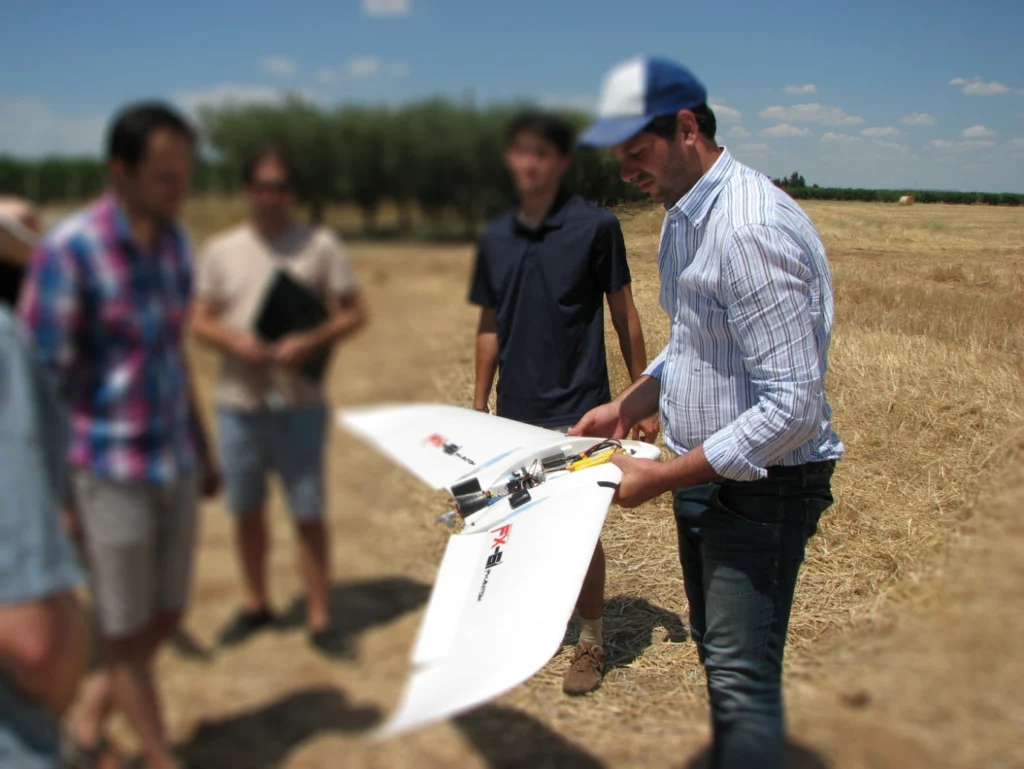
In addition to the usual GeoTalk interviews, were we highlight the work and achievements of early career researchers, over the next few months we’ll be introducing the Division early career scientist representatives (ECS). They are responsible for ensuring that the voice of EGU ECS membership is heard. From organising short courses during the General Assembly, …[Read More]

Imaggeo on Mondays: Living flows

Imaggeo on Mondays: Living flows

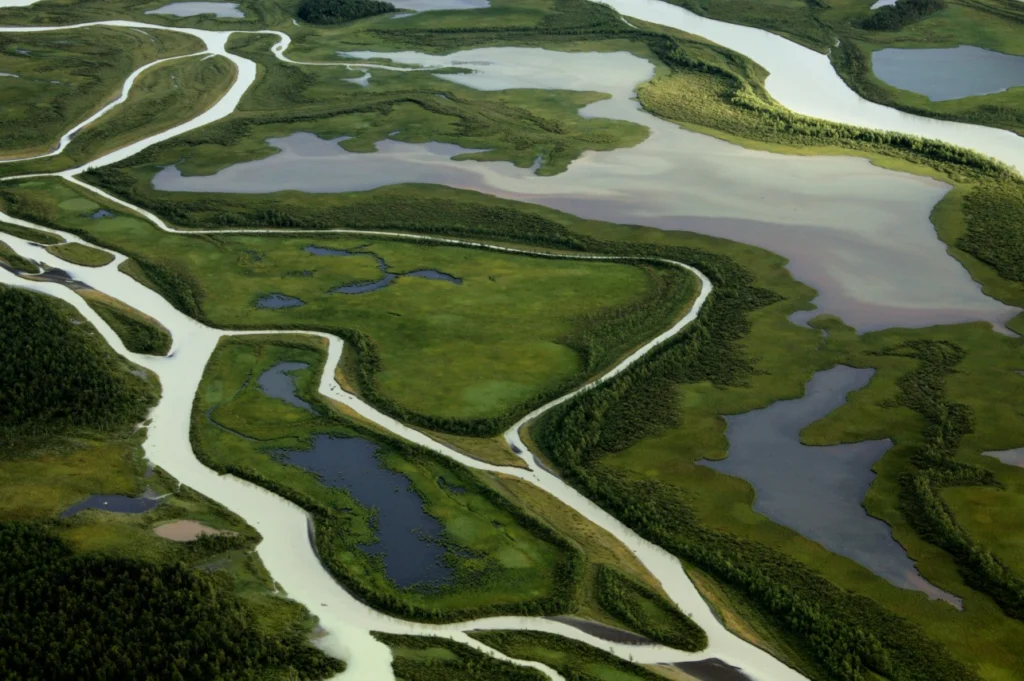
There are handful true wildernesses left on the planet. Only a few, far flung corners, of the globe remain truly remote and unspoilt. To explore and experience untouched landscapes you might find yourself making the journey to the dunes in Sossuvlei in Namibia, or to the salty plain of the Salar Uyuni in Bolivia. But …[Read More]

Imaggeo on Mondays: counting stars

Imaggeo on Mondays: counting stars

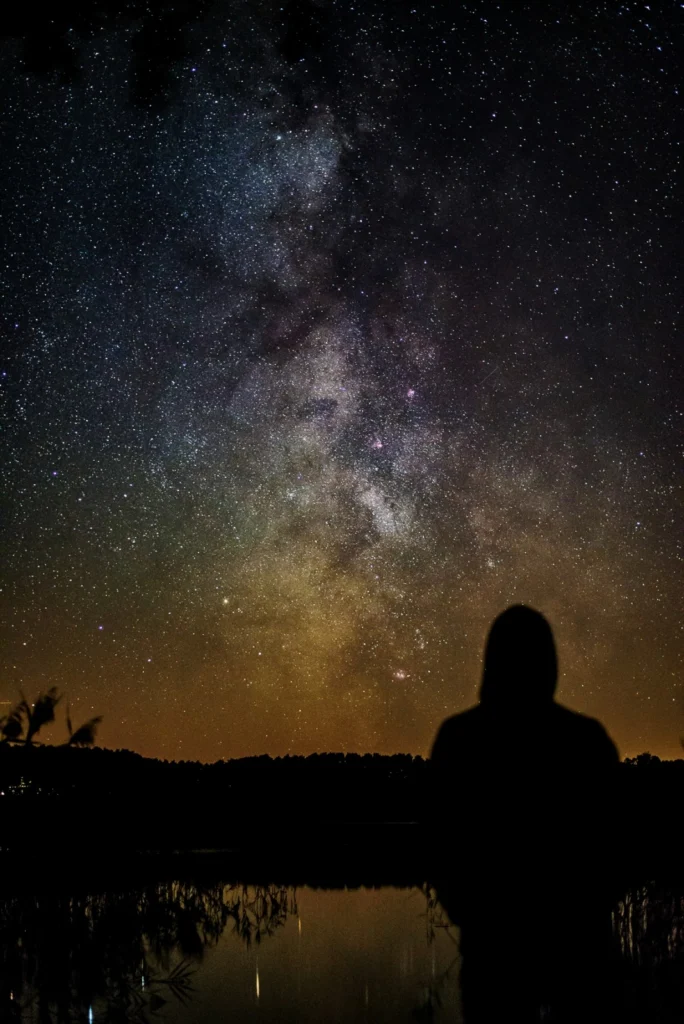
This year’s imaggeo photo contest saw humdreds of great entries. Among the winning images was a stunning night-sky panorama by Vytas Huth. In today’s post, Vytas describes how he captured the image and how the remote location in Southern Germany is one of the few (in Europe) where it is still posssible to, clearly, image …[Read More]