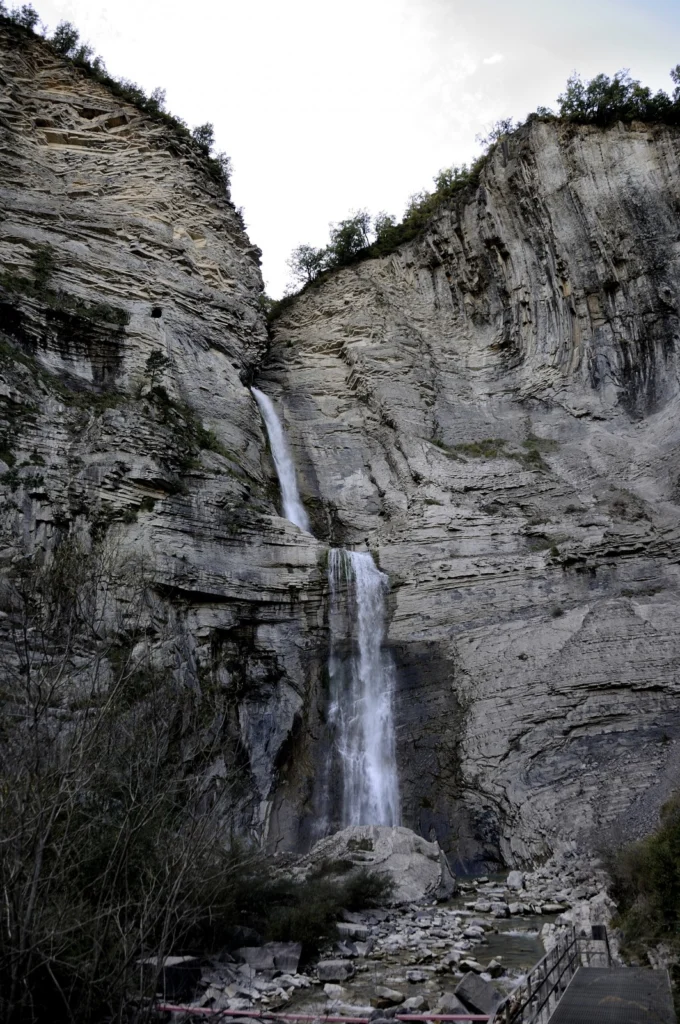
It’s fascinating how a relatively small outcrop, carved out by rivers and ancient ice, can reveal much about the geological history of an area. Today’s Imaggeo on Mondays post is one such example. Antonio Girona, a researcher at the University of Zaragoza, gives us a whirlwind tour of the geological history of the rocks revealed by the Sorrosal Waterfall, in Spain. The visit to the Sorrosal Waterf ...[Read More]
Imaggeo on Mondays
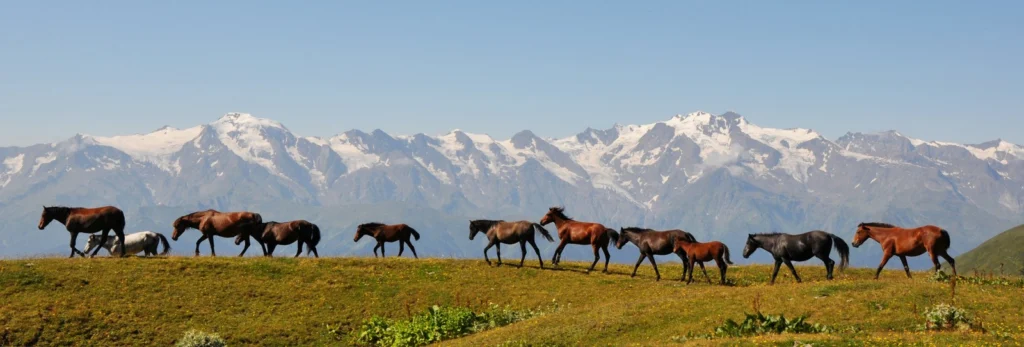
Imaggeo on Mondays: The retreating glaciers of the Svaneti Range, Georgia
Today’s Imaggeo on Mondays picture shows the central section of the Svaneti Range, located in the Svaneti Region – a historic province of northwestern Georgia. The range is the second biggest range formed by the modern glaciation on the southern slopes of the Georgian Caucasus Mountains. In today’s post, Levan Tielidze, a researcher at Ivane Javakhishvili Tbilisi State University, writes about the ...[Read More]
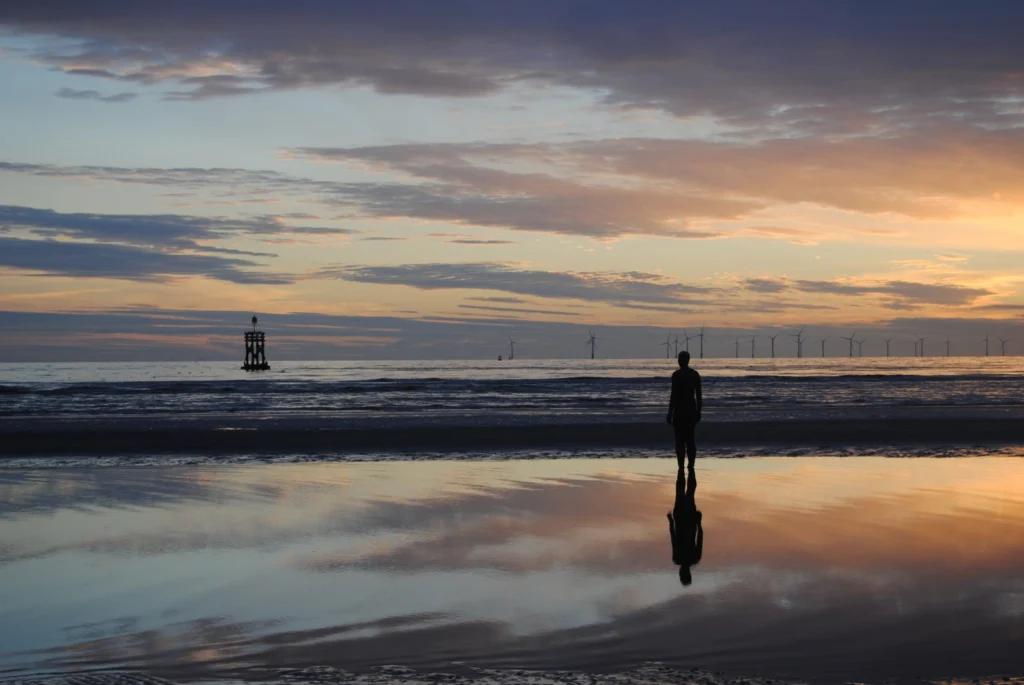
Imaggeo on Mondays: Man-made landscape
The landscape of the Mersey Estuary in Liverpool Bay is ever changing; it offers the opportunity to observe the changing geomorphology of a river estuary which is closely linked to a very urban and man-made landscape. For more on this unique setting, read today’s Imaggeo on Mondays post brought to you by Maria Burguet Marimon. This picture was taken at Crosby beach, which is located just at ...[Read More]
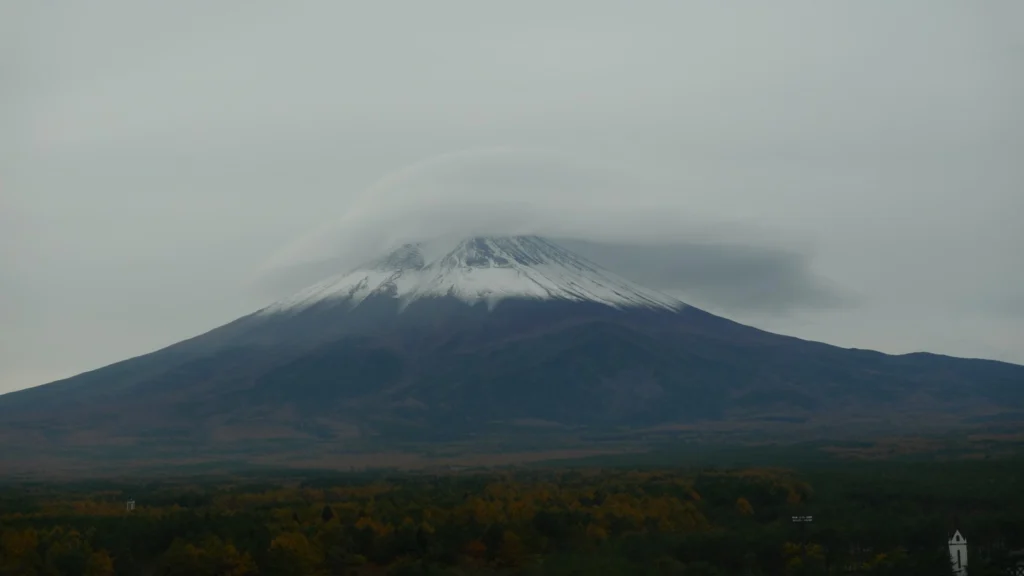
Imaggeo on Mondays: night cap over Mt. Fuji
The first Imaggeo on Monday’s post of 2016 is quite spectacular! It features a lenticular cloud capping the heights of Mount Fuji, in Japan. Erricos Pavlis writes this post and describes how the unusual cloud formation comes about and why Mt. Fuji is such a prime place to catch a glimpse of this meteorological phenomena. Mount Fuji at more than 3700 m is one of the highest volcanoes in the w ...[Read More]
The best of Imaggeo in 2015: in pictures
Last year we prepared a round-up blog post of our favourite Imaggeo pictures, including header images from across our social media channels and Immageo on Mondays blog posts of 2014. This year, we want YOU to pick the best Imaggeo pictures of 2015, so we compiled an album on our Facebook page, which you can still see here, and asked you to cast your votes and pick your top images of 2015. From the ...[Read More]
Imaggeo on Mondays: Drawing in pencil
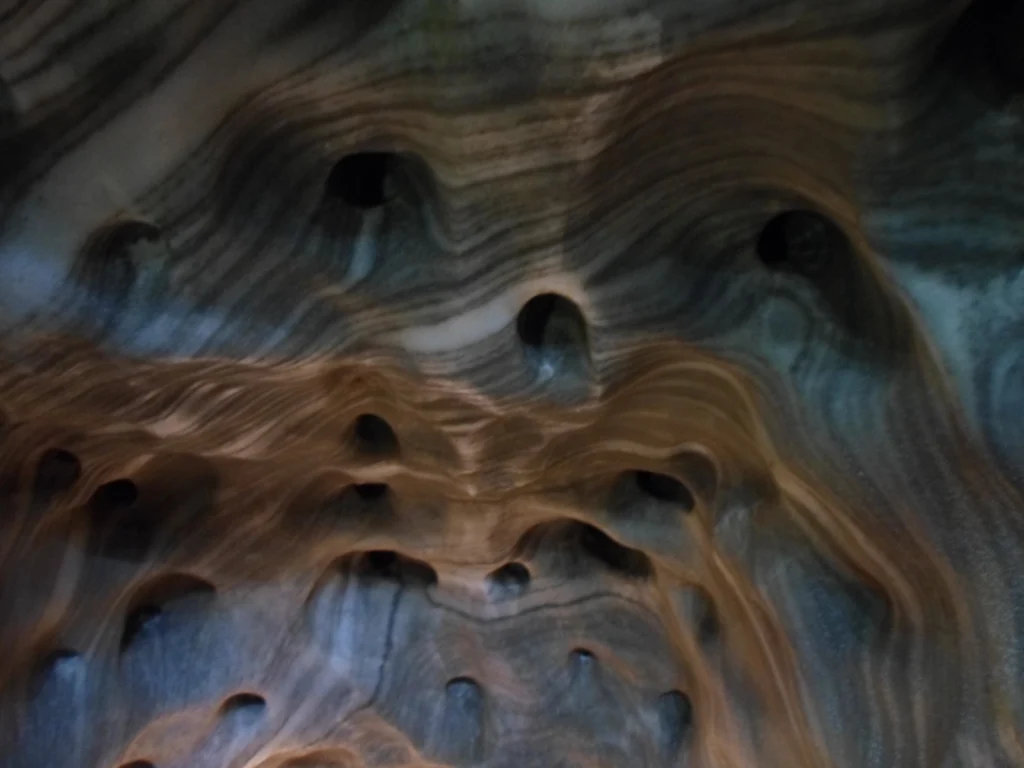
The picture was taken in Salina Turda, a fascinating salt mine in western Transylvania, in Durgău – Valea Sarată near Turda city. In the picture, the pockets created by salt dissolution can be observed. Over time, due to the erosive power of air currents, the walls have been reshaped: the corners have been rounded and, at the contact between the roof and the walls, a series of dissolution po ...[Read More]
Imaggeo on Mondays: Flying Rocks
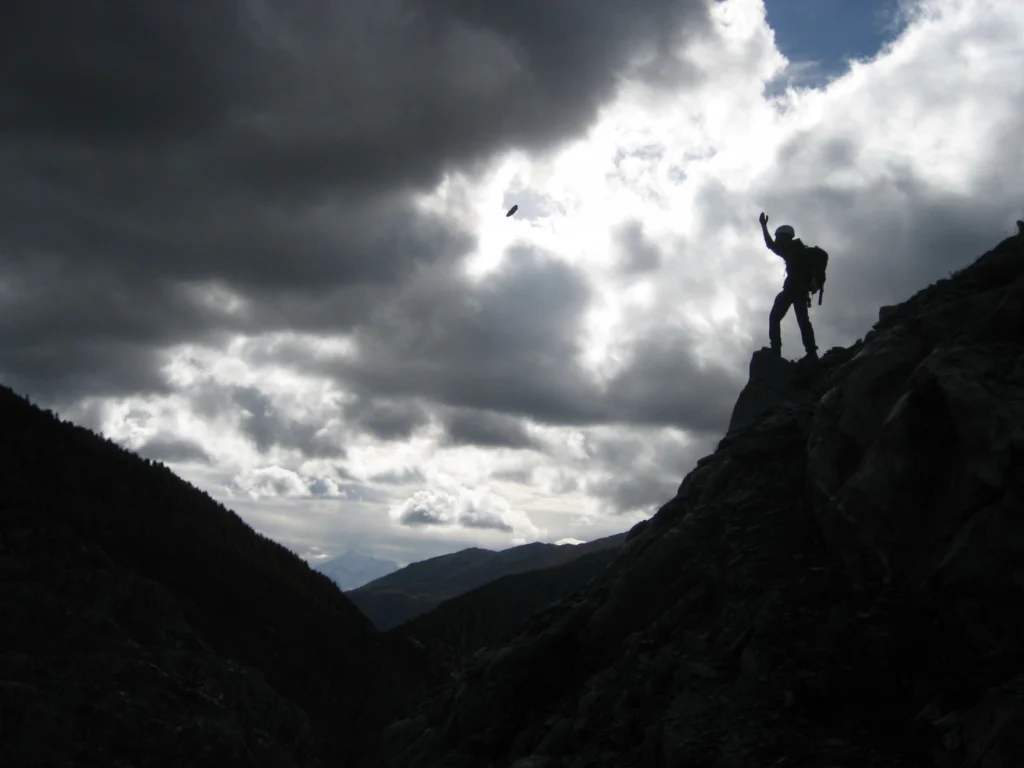
The picture was taken at a hillslope close to the glacier tongue of the Great Aletsch Glacier, the largest glacier in the Alps. With a length of 23 km it is located in the eastern Bernese Alps of Switzerland and composed of the three smaller glaciers Aletschfirn, Jungfraufirn and Eternal snow field converging at Concordia where the ice thickness was measured to be around 900m. The whole area was d ...[Read More]
Imaggeo on Mondays: Annapurna snow avalanche
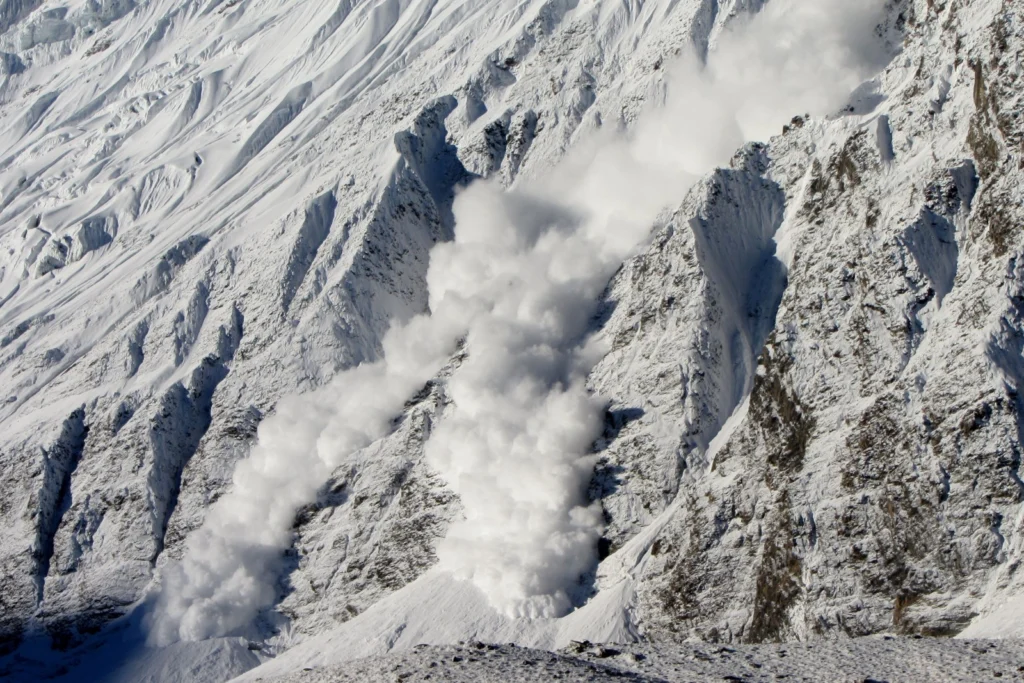
The Annapurna massif is located in an imposing 55 km long collection of peaks in the Himalayas, which behave as a single structural block. Composed of one peak (Annapurna I Main) in excess of 8000 m, a further thirteen peaks over 7000 m and sixteen more of over 6000 m, the massif forms a striking structure within the Himalayas. Annapurna I Main, the tenth highest peak in the world, is towering at ...[Read More]
Imaggeo on Mondays: Giants Causeway
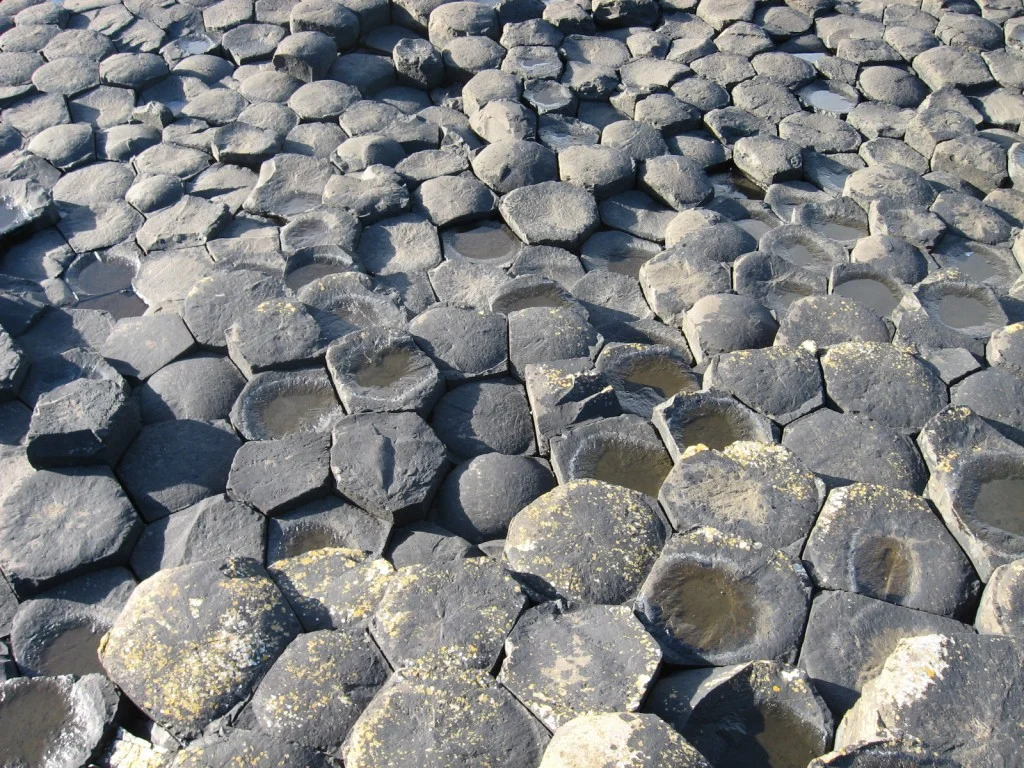
Since its discovery back in the late 1600s the origin of the spectacular polygonal columns of the Giants Causeway, located on a headland along the northern coast of Ireland, has been heavily debated. Early theories for its origin ranged from being sculpted by men with picks and chisels, to the action of giants, through to the force of nature. It wasn’t until 1771 that Demarest, a Frenchman, sugges ...[Read More]
Imaggeo on Mondays: Science in action – how will climate change affect Central Europe?
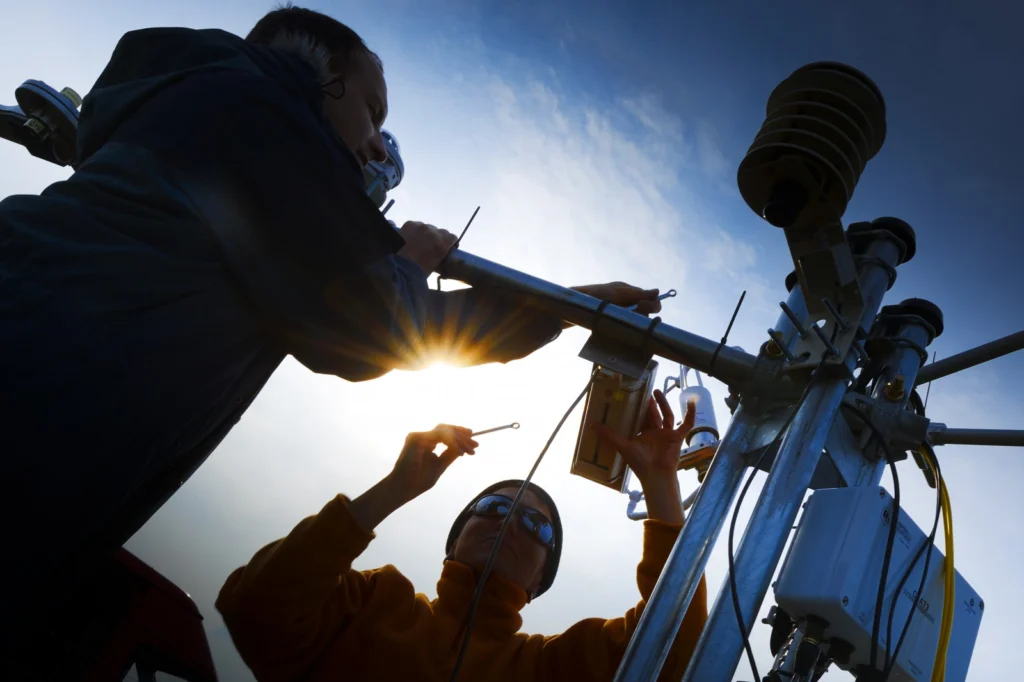
The effects of a warming climate are expected to be far reaching. Sea-level rise, and how it will affect costal settlements make regular headlines, and not without reason. However, climate change may have other less obvious but equally dangerous impacts; for example, take a look at this recent piece highlighting the increased risk of storms and droughts in mainland Europe. The area of Saxony-Anhal ...[Read More]