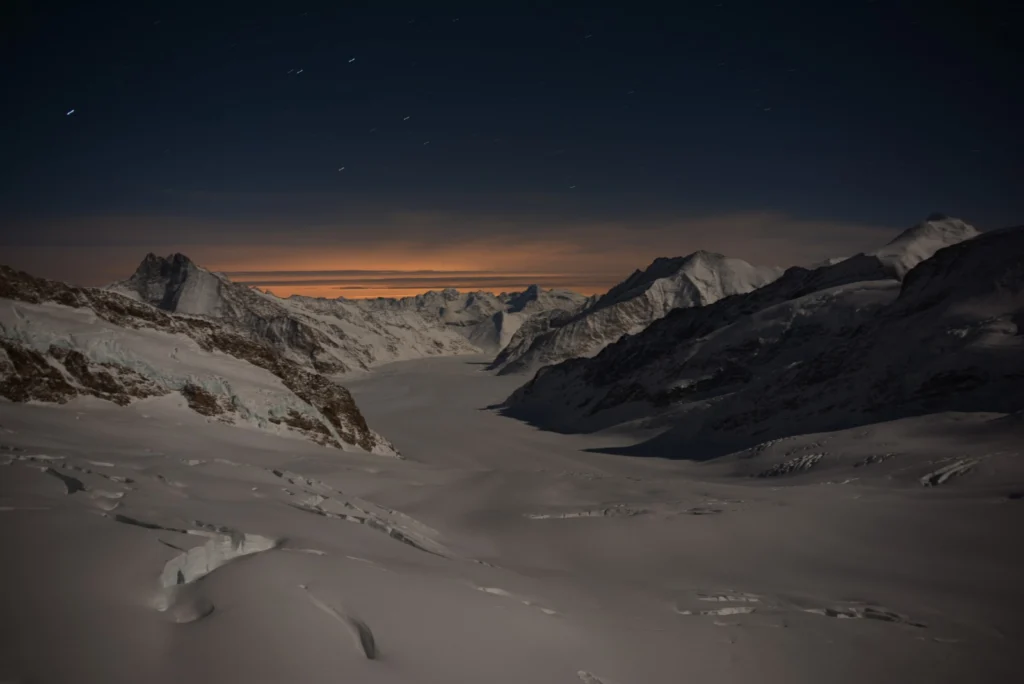
The high peaks of the Alps are always awe inspiring, but this midnight shot, captured by Alessandro Lechmann, a PhD student at the Institute of Geological Sciences at the University of Bern, further enhance their fragile beauty. With a warming climate threatening snow availability to even the highest peaks, it has never been more important to appreciate the importance of the glaciers which drape t ...[Read More]
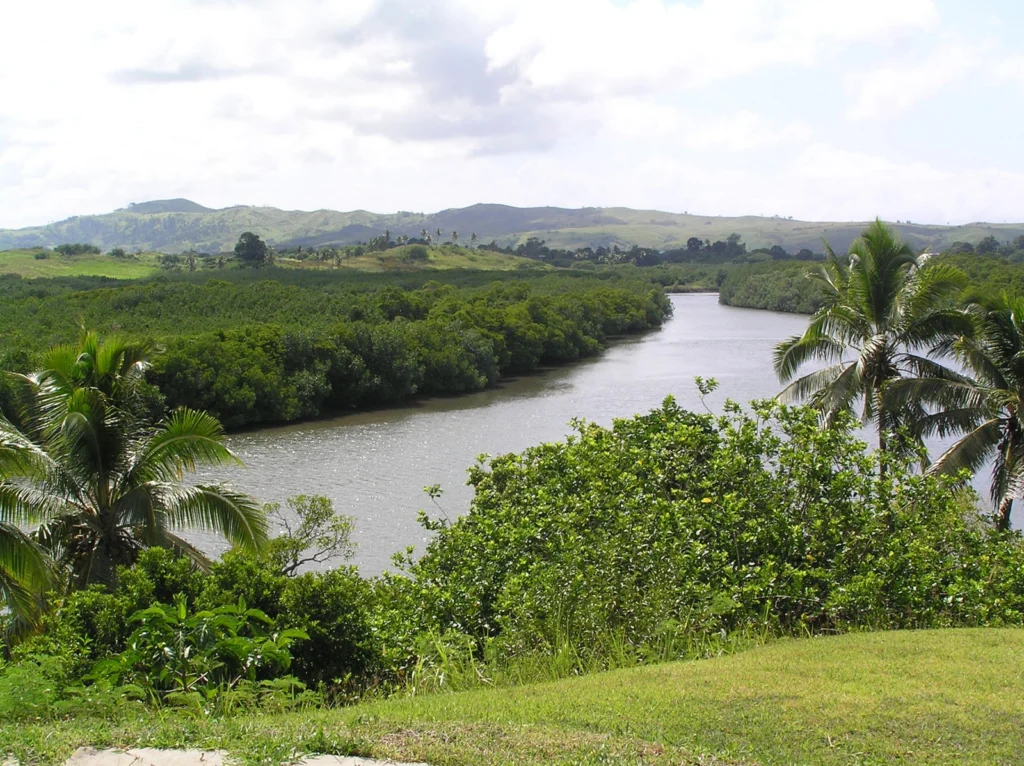
Imaggeo on Mondays: A Fijian paradise
Today’s post is brought to you by Lisa-Marie Shillito, a Lecturer in Landscape Archaeology at Newcastle University. Initially, this photo may seem like any other tropical paradise: lush forests line a meandering river, but there is much more to the forests in the foreground than first meets the eye. Over to Lisa for the details. I first visited Fiji as an undergraduate student, where I undertook m ...[Read More]
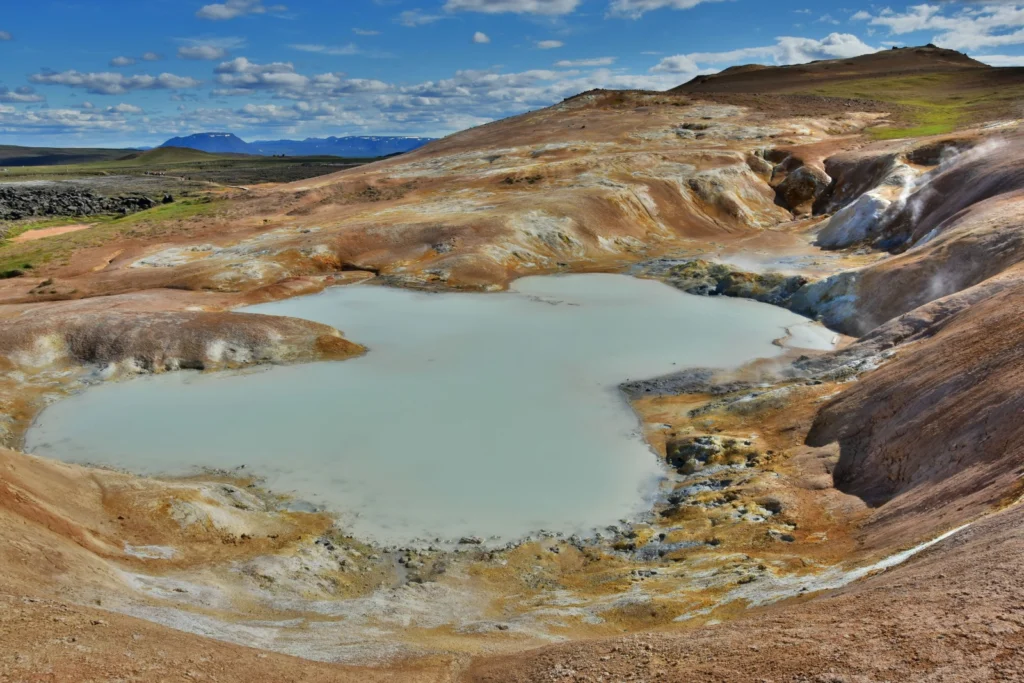
Imaggeo on Mondays: harnessing Earth’s inner heat
Iceland, the land of ice and fire, is well known for its volcanicity. Most famously, it is home to Eyjafjallajökull: the volcano which caused wide spread mayhem across European airspace when it erupted in 2010. But not all the local volcanic activity is unwelcome. High temperature geothermal areas are a byproduct of the volcanic setting and the energy released can be used to power homes and infras ...[Read More]
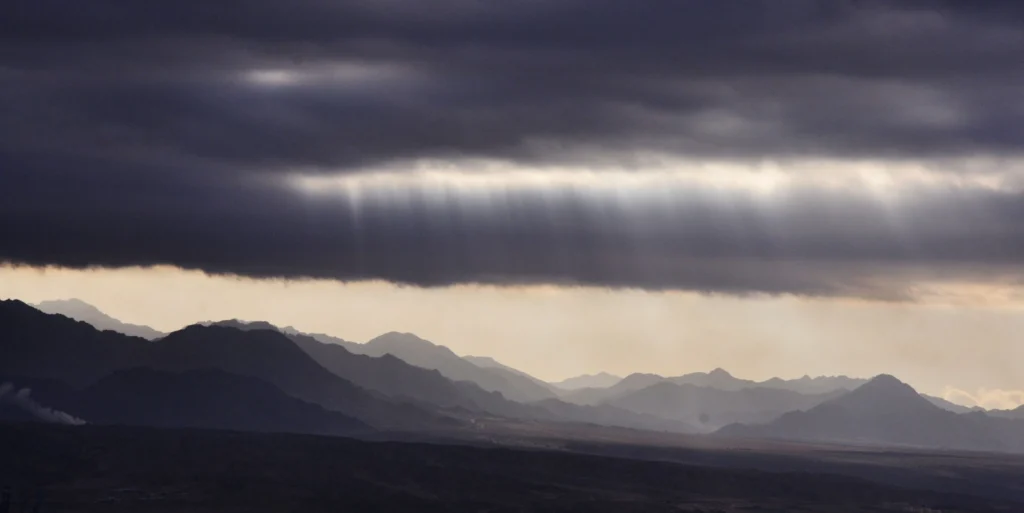
Imaggeo on Mondays: a storm is coming
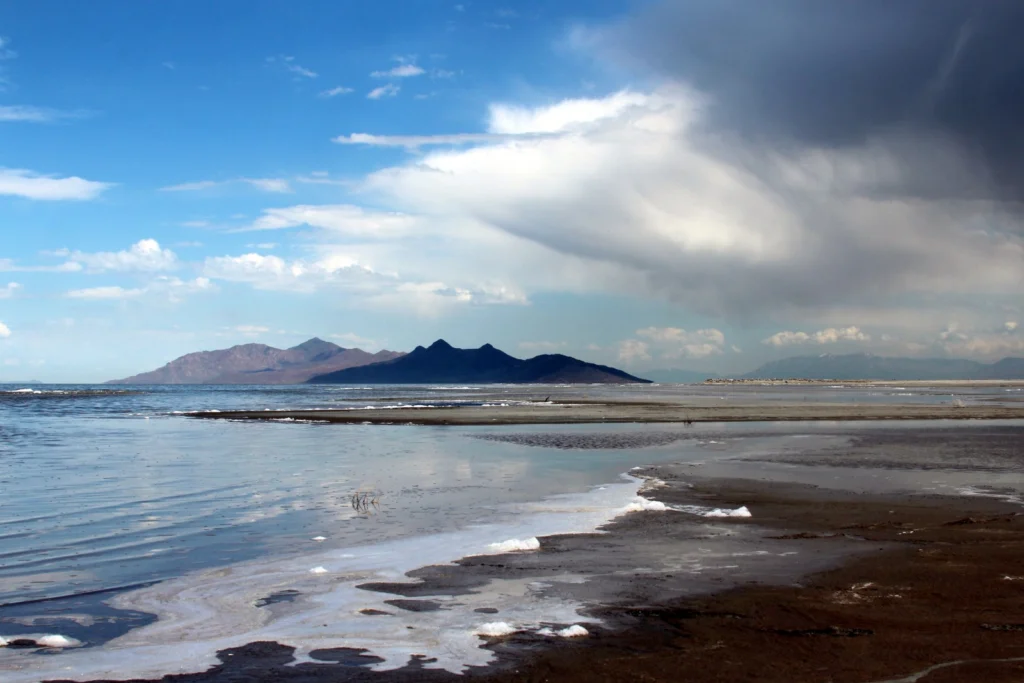
Coastlines globally are immensely diverse: from the beautifully topical and sun kissed beaches of the Caribbean, to the wet and misty British coastline, through to the raw and wild Alaskan shores, they are home to scores of flora and fauna; rich habitats shaped by powerful forces of nature. In stark contrast, some coastlines, (28,000 km worldwide to be precise) are dry almost barren places, where ...[Read More]
Imaggeo on Mondays: America’s dead sea
On the blog today, Jennifer Ziesch, a researcher at the Leibniz Institute for Applied Geophysics, takes us on a tour of the Great Salt Lake, located in the north of Salt Lake City (Utah). Did you know it is one of the largest salt water lakes in the world? The large salt lake and Salt Lake City, named after the lake, lie on a flat plain about 1300 m above sea level. The salt lake is bordered to th ...[Read More]
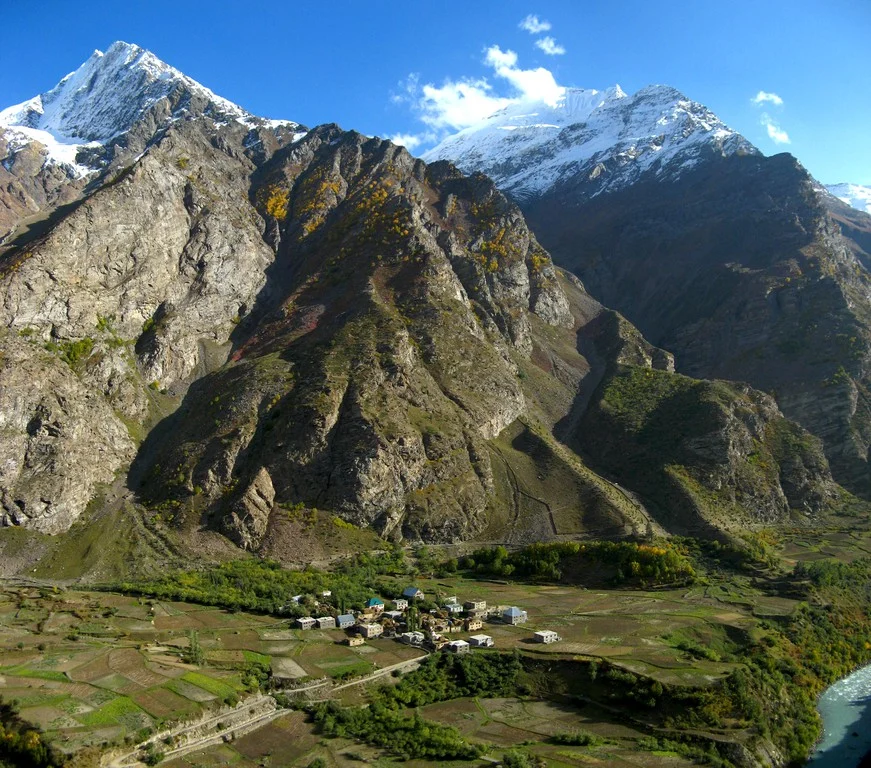
Imaggeo on Mondays: Deep in the Himalayas
The Himalayas: vast, formidable and home to the Earth’s highest peaks. The mountain range stretches inexorably through Indian, Bhutan, Nepal, China (Tibet) and Pakistan separating the Tibetan Plateau to the north from India’s alluvial plains to the south. India, as we know it today, started life much further south, as an island not far off the coast of Australia. It was separated from ...[Read More]
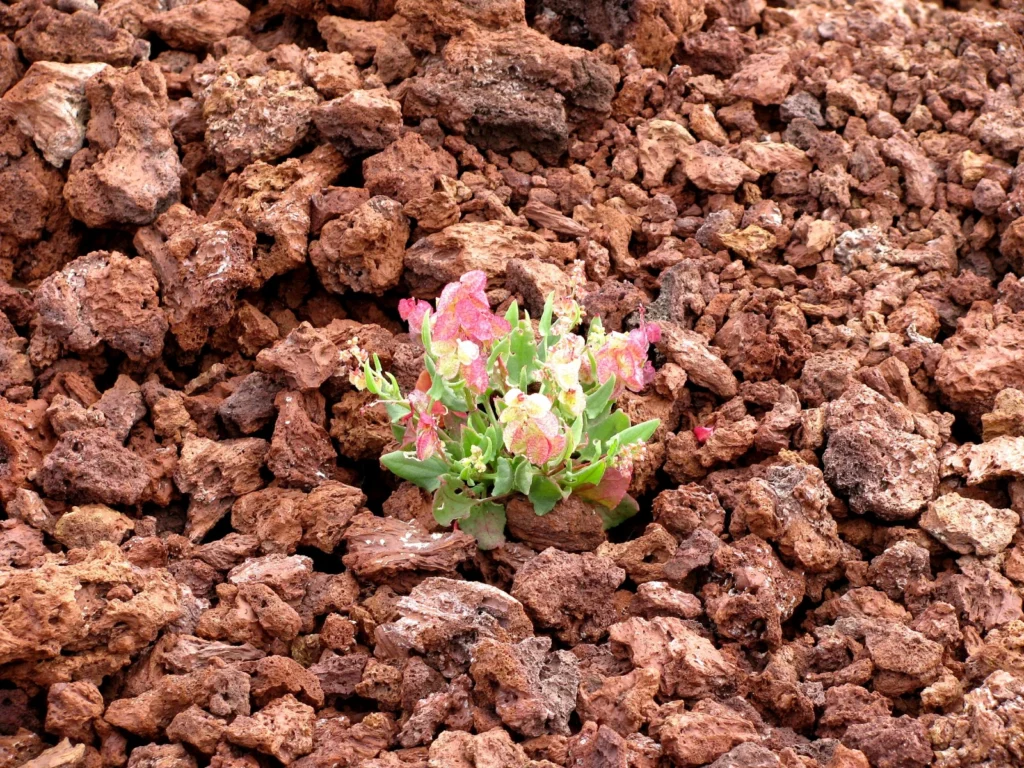
Imaggeo on Mondays: Life on bare lava
There are plenty of hostile habitats across the globe but some flora and fauna species are resourceful enough to adapt and make extreme environments their home. From heat-loving ants of the Sahara to microbes living in the light-deprived ocean depths, through to beatles who brave the bitterly cold Alaskan winter, there are numerous examples of plants, animals and bugs who strive in environments of ...[Read More]
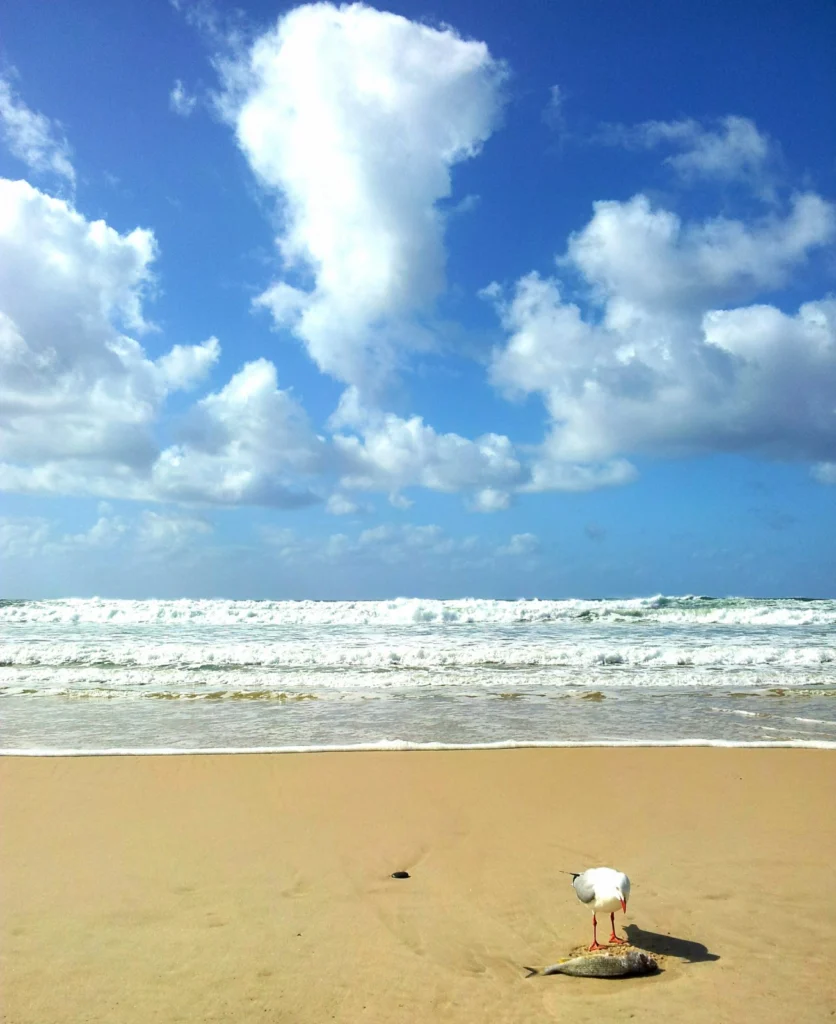
Imaggeo on Mondays: littoral rainforests
Making room for growing populations, and the resources they demand, comes at the cost of precious natural environments. Rainforests, globally, are under threat from farming, logging and ever expanding cities. It is reported that if current rates of exploitation continue, the world’s rainforests could be lost within the next century. Like almost anything else, rainforests come in all shapes a ...[Read More]
Imaggeo on Mondays: the remotest place on Earth?
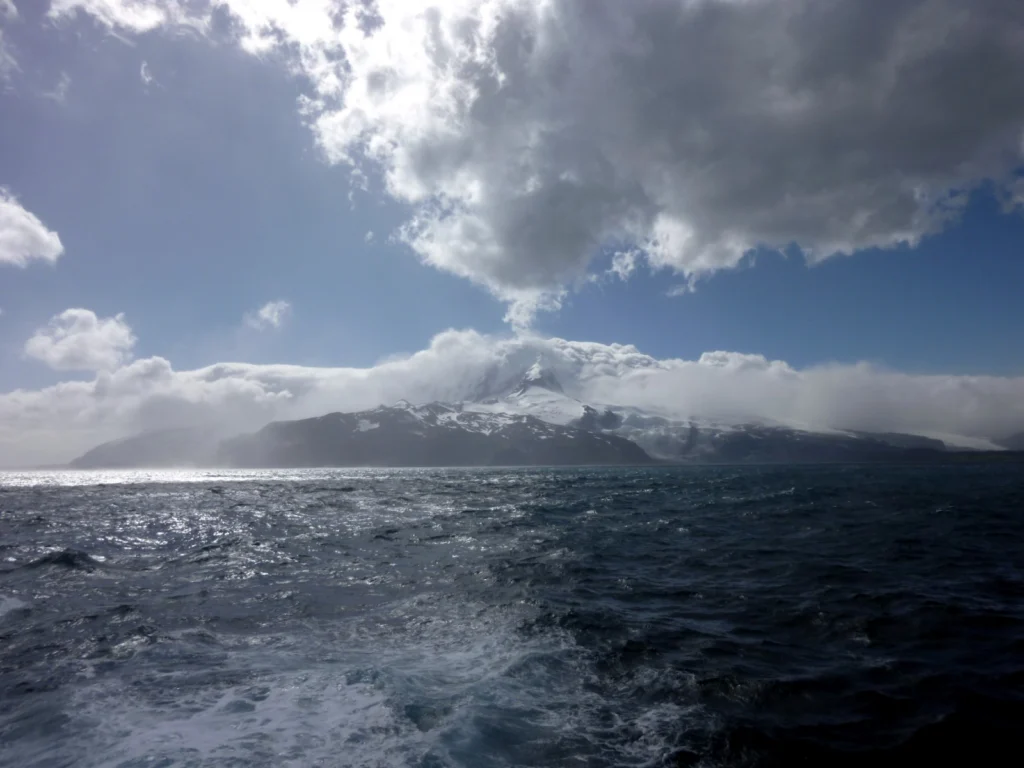
Perhaps a bold claim, but at over 4,000 km away from Australia and 4,200 km from South Africa, Heard Island is unquestionably hard to reach. The faraway and little know place is part of a group of volcanic islands known as HIMI (comprised of the Heard Island and McDonald Islands), located in the southwest Indian Ocean. Shrouded in persistent bad weather and surrounded by the vast ocean, Heard Isla ...[Read More]
Imaggeo on Mondays: Don’t miss the abstract deadline
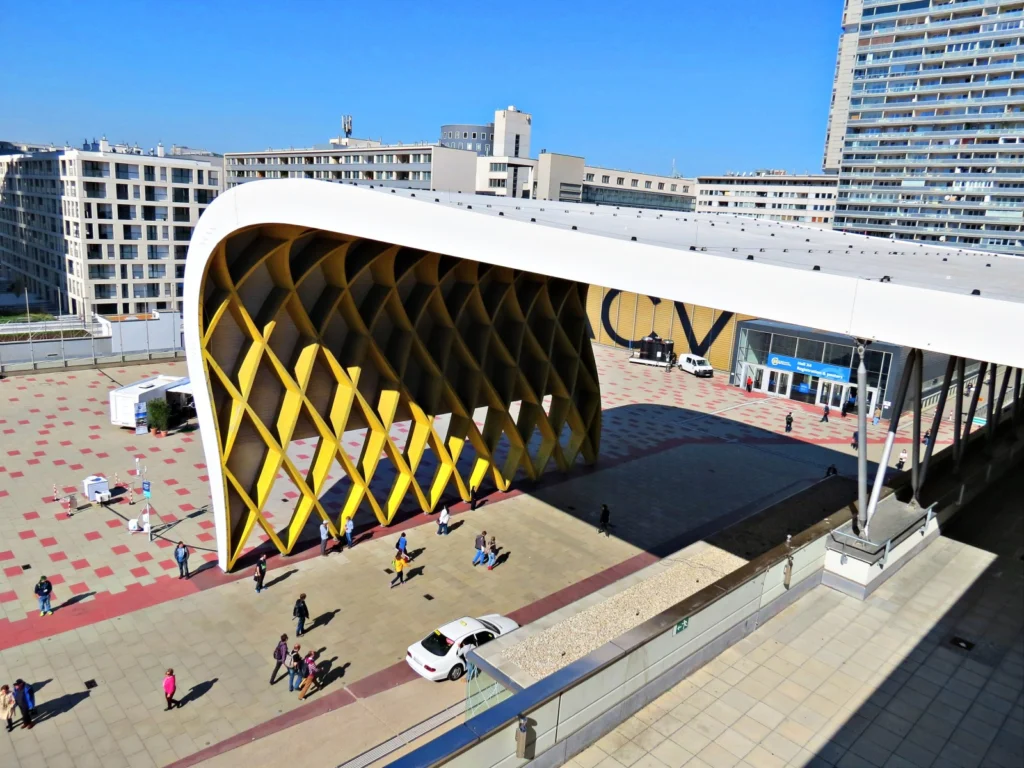
The EGU General Assembly brings together geoscientists from all over the world to one meeting that covers all disciplines of the Earth, planetary and space sciences. The conference is taking place in Vienna on 23–28 April 2017, providing an opportunity for both established scientists and early career researchers to present their work and discuss their ideas with experts in all fields of the geosci ...[Read More]