GeoLog

Imaggeo on Mondays

Imaggeo on Mondays: All seasons in one day
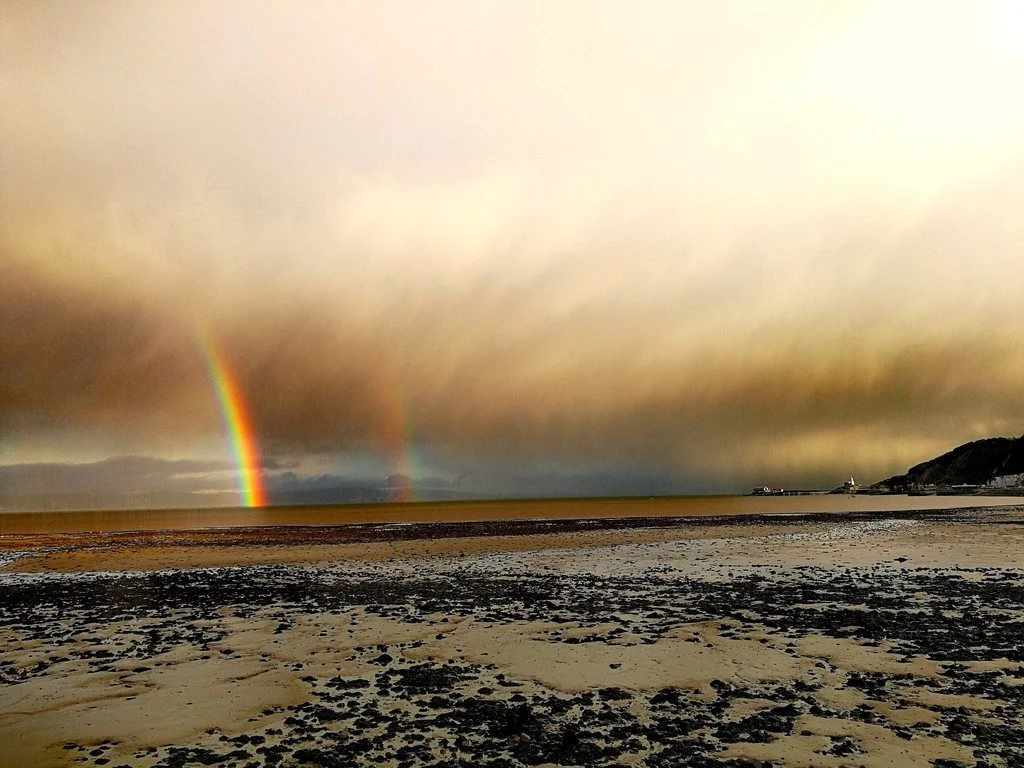
Imaggeo on Mondays: All seasons in one day
Storm fronts arrive on Britain’s west coast in waves throughout the winter (and very often the summer too!) It is not unusual to see rain falling on a beach with hail and snow lying, whilst a rainbow pierces the clouds. Description by Mary Gagen, as it first appeared on imaggeo.egu.eu. Imaggeo is the EGU’s online open access geosciences image repository. All geoscientists (and others) can su ...[Read More]

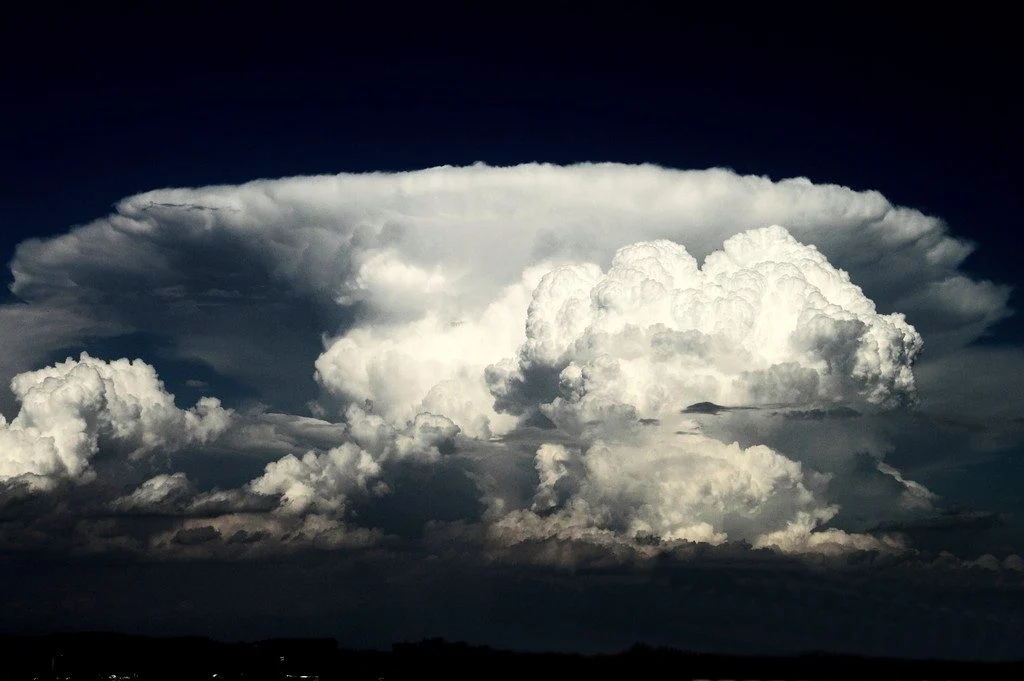
Imaggeo on Mondays: Cumulonimbus, king of clouds

Imaggeo on Mondays: Cumulonimbus, king of clouds

This wonderful mature thunderstorm cell was observed near the German Aerospace Center (DLR) Oberpfaffenhofen. A distinct anvil can be seen in the background meanwhile a new storm cell is growing in the foreground of the cumulonimbus structure. Mature storm cells like this are common in Southern Germany during the summer season. Strong heat, enough moisture, and a labile stratification of the atmos ...[Read More]

Imaggeo on Mondays: The ancient guard of Altai

Imaggeo on Mondays: The ancient guard of Altai

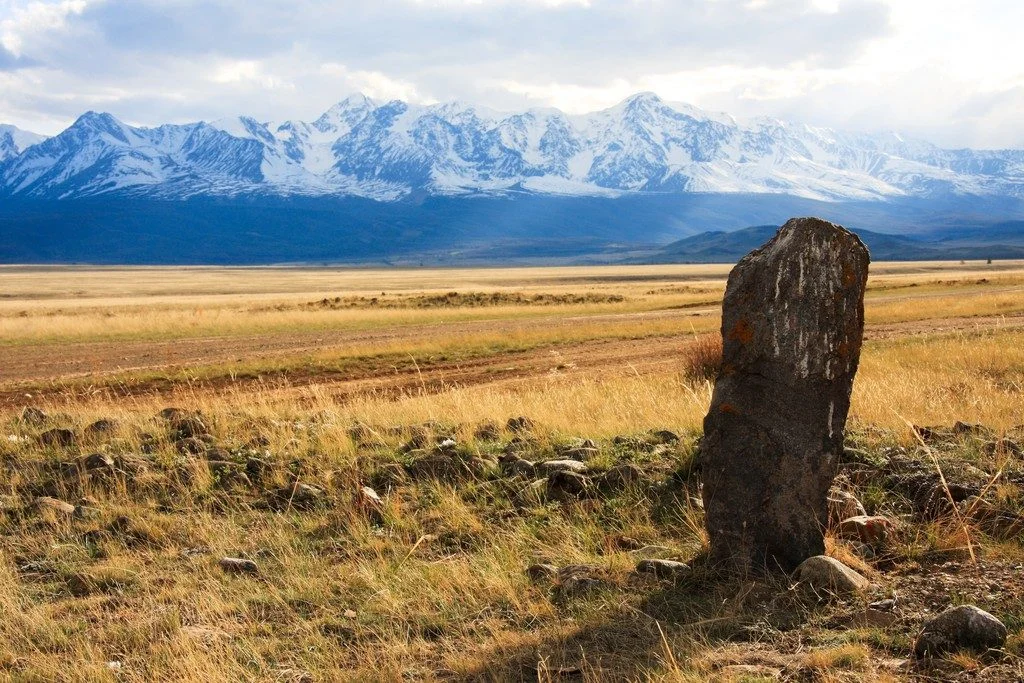
In the heart of Eurasia, an ancient stone statue overlooks the expanse of the Kurai Valley and the Altai Mountains in Russia. This relic was crafted more than a thousand years ago, sometime during the 6th or 7th century. A Turkish clan that inhabited the region, known as the First Turkic Khaganat, would often erect stones as monuments of funeral rituals. Natalia Rudaya, who took this photograph, i ...[Read More]

Imaggeo on Mondays: Bristlecone pines, some of Earth’s oldest living life forms

Imaggeo on Mondays: Bristlecone pines, some of Earth’s oldest living life forms

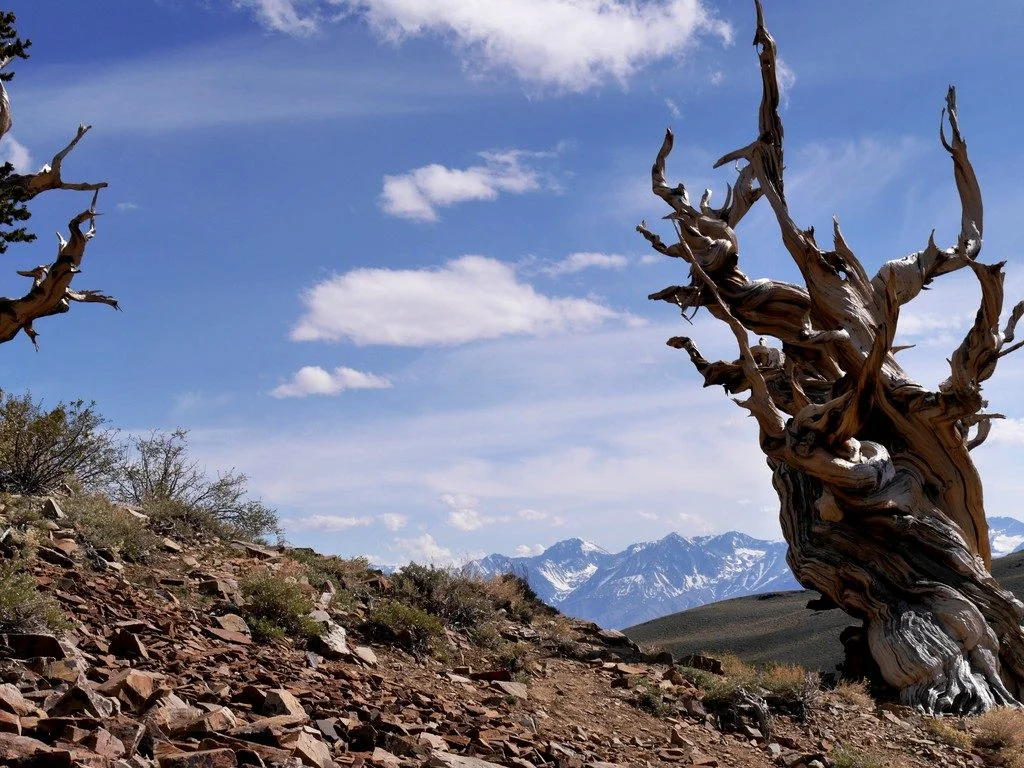
About 5,000 years ago, the ancient city Troy was founded, Stonehenge was under construction, and in the rugged Sierra Nevada mountain range, groves of bristlecone pine seedlings began to take root. Many of these pines are still alive today, making them the world’s oldest known living non-clonal life forms. Raphael Knevels, a PhD student from the Friedrich-Schiller-University’s Department of Geogra ...[Read More]

Imaggeo on Mondays: Antarctic winds make honeycomb ice

Imaggeo on Mondays: Antarctic winds make honeycomb ice

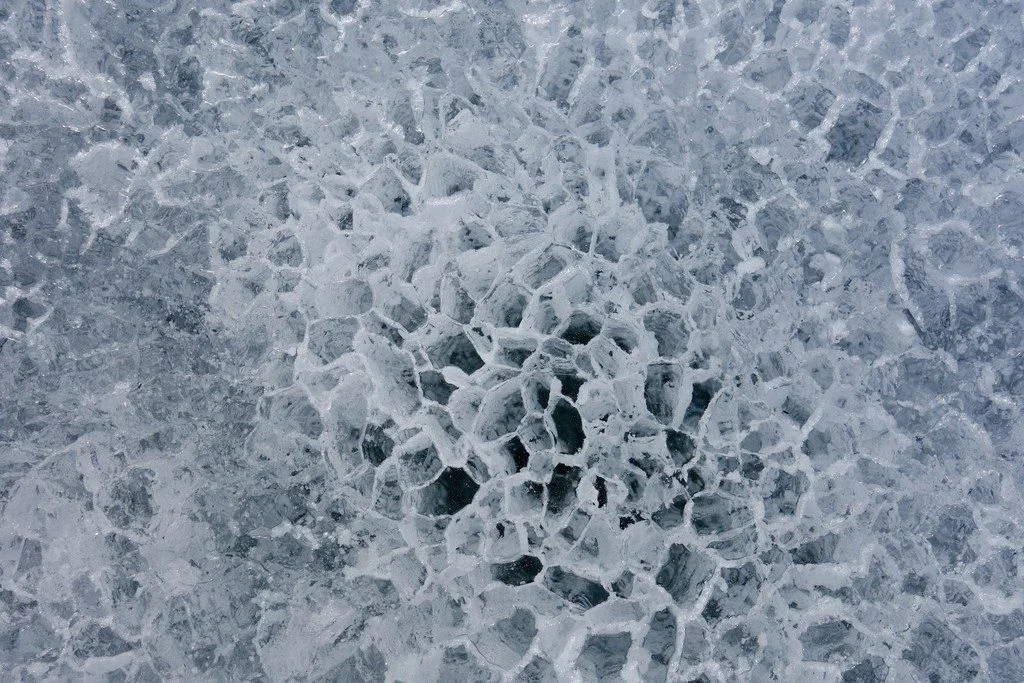
These delicate ice structures may look like frozen honeycombs from another world, but the crystalline patterns can be found 80 degrees south, in Antarctica, where they are shaped by the white continent’s windy conditions. In Western Antarctica is a 9-kilometre line of rocky ridges, called Patriot Hills. Often cold wind furiously descends from the hills across Horseshoe Valley glacier, sculpting do ...[Read More]

Imaggeo on Mondays: Fairy chimneys in Love Valley

Imaggeo on Mondays: Fairy chimneys in Love Valley

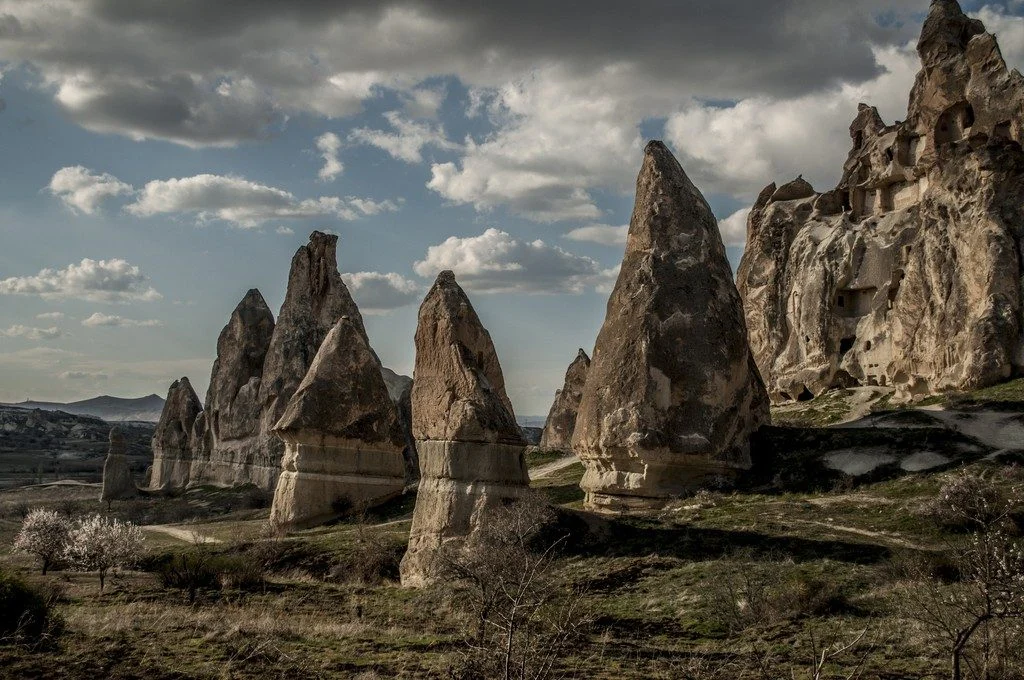
Every year tourists from around the world flock to Love Valley in Göreme National Park in the Cappadocia region of central Turkey to marvel at the region’s peculiarly pointy geological features. These cone-shaped formations, known as ‘fairy chimneys’ or hoodoos, dominate the park’s skyline, with some rocky spires extending up to 40 metres towards the sky. While the name ‘fairy chimney’ suggests my ...[Read More]

Imaggeo on Mondays: Getting involved with EGU!

Imaggeo on Mondays: Getting involved with EGU!

Today’s featured photo comes from the 2017 General Assembly. Did you enjoy this year’s 666 unique scientific sessions, 68 short courses and 294 side events? Did you know that EGU members and conference attendees can play an active role in shaping the scientific programme of the conference? It’s super easy! You can suggest a session (with conveners and description), and/or modific ...[Read More]

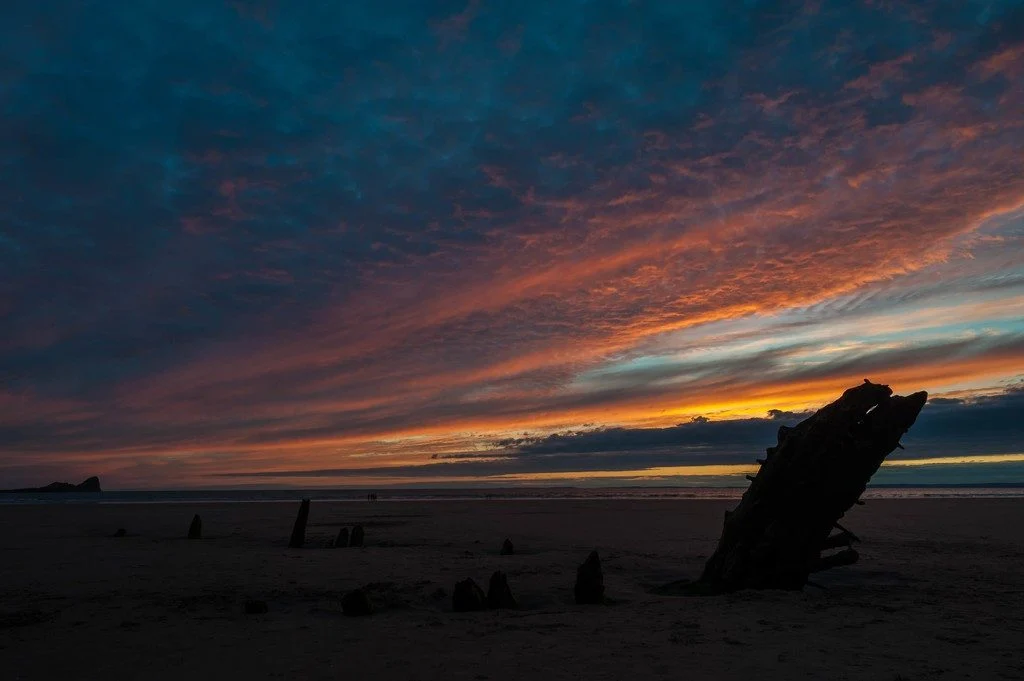
Imaggeo on Mondays: The Gower Peninsula, a coast marked by time

Imaggeo on Mondays: The Gower Peninsula, a coast marked by time

The Gower Peninsula in South Wales, United Kingdom, is a spectacular site to view a sunset. However, to geologists, the shore is also a prime spot to find artifacts from Earth’s ancient and recent past. “The limestone coastline is dotted with caves that are rich in Quaternary flora and fauna,” said Mike Smith a visiting researcher at Plymouth University (UK) and photographer of this featured image ...[Read More]

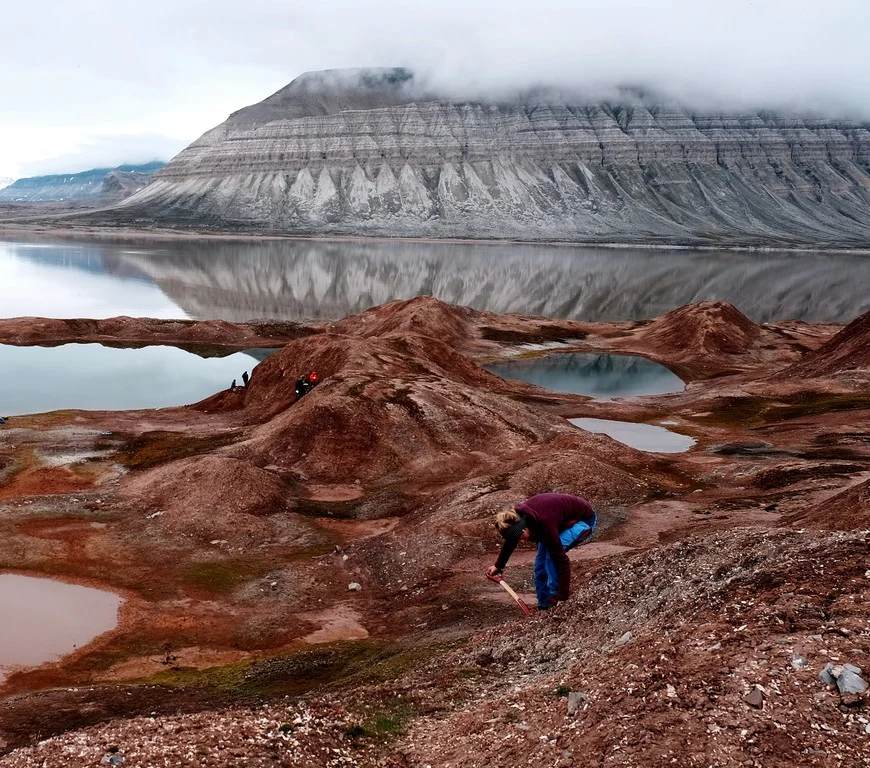
Imaggeo on Mondays: Digging out a glacier’s story

Imaggeo on Mondays: Digging out a glacier’s story

This photograph shows landforms on Coraholmen Island in Ekmanfjorden, one of the fjords found in the Norwegian archipelago, Svalbard. These geomorphic features were formed by Sefströmbreen, a tidewater glacier, when it surged in the 1880s. Although all glaciers flow, some glaciers undergo cyclic changes in their flow. This is called surging, and glaciers that surge are called surging glaciers. Dur ...[Read More]

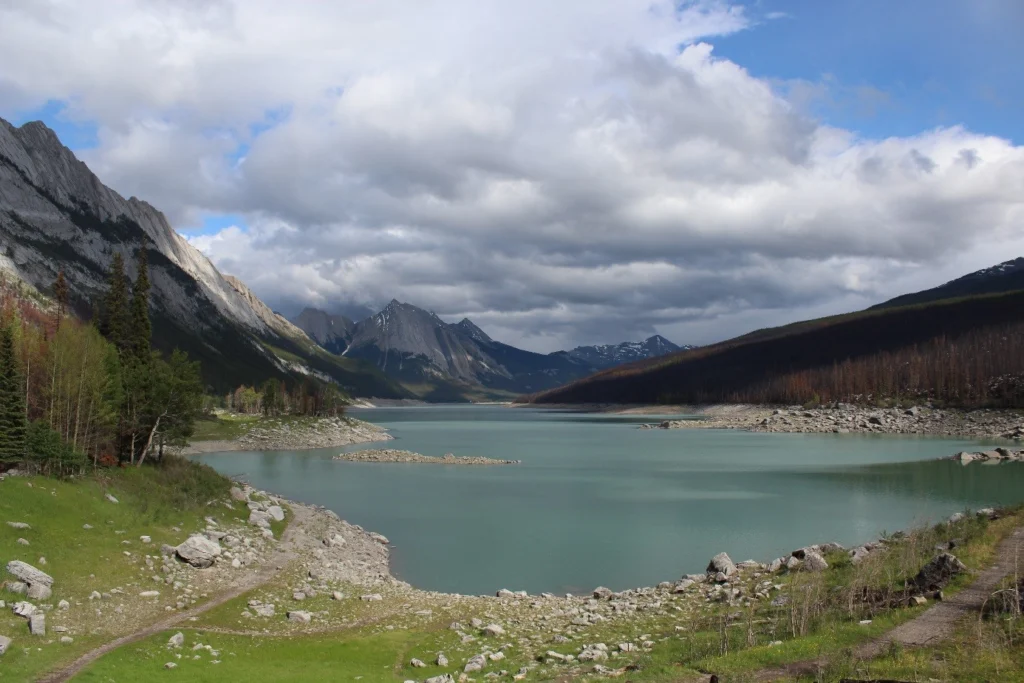
Imaggeo on Mondays: Wildfires leave their mark on Jasper National Park

Imaggeo on Mondays: Wildfires leave their mark on Jasper National Park

Jasper National Park is the largest national park in the Canadian Rocky Mountains, spanning across nearly 11,000 square kilometres of Canadian wilderness. The park is known for its rugged landscape, extensive trails, and abundance of deer, bighorn sheep, wolves, mountain lions and bears. This region is also very susceptible to blazing wildfires, a result of human activity that began more than a ce ...[Read More]