GeoLog

Geosciences Column

Geosciences Column: Landslide risk in a changing climate, and what that means for Europe’s roads
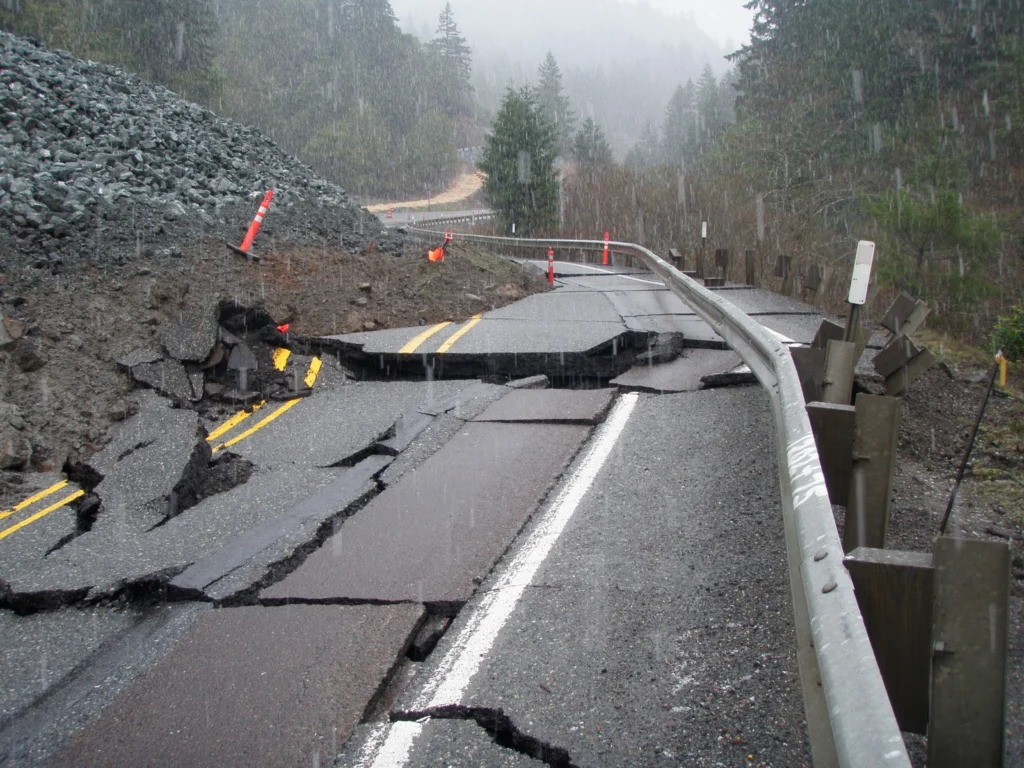
Geosciences Column: Landslide risk in a changing climate, and what that means for Europe’s roads
If your morning commute is already frustrating, get ready to buckle up. Our climate is changing, and that may increasingly affect some of central Europe’s major roads and railways, according to new research published in the EGU’s open access journal Natural Hazards and Earth System Sciences. The study found that, in the face of climate change, landslide-inducing rainfall events will increase in fr ...[Read More]

Geosciences Column: Extreme snowfall potentially worsened Nepal’s 2015 earthquake-triggered avalanche

Geosciences Column: Extreme snowfall potentially worsened Nepal’s 2015 earthquake-triggered avalanche

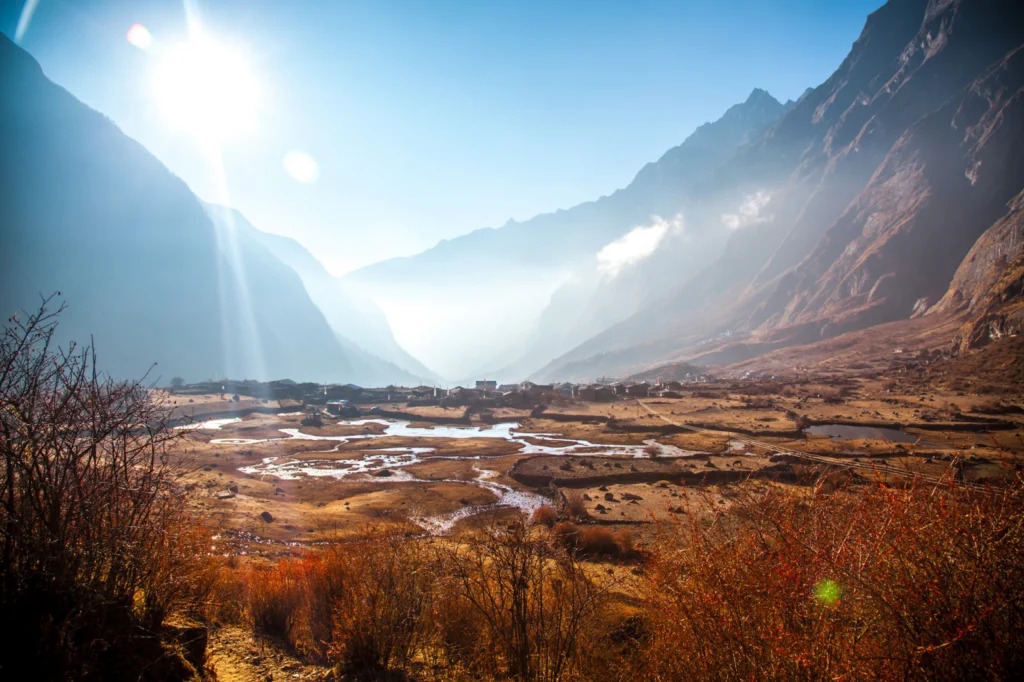
Three years ago, an earthquake-induced avalanche and rockfalls buried an entire Nepalese village in ice, stone, and snow. Researchers now think the region’s heavy snowfall from the preceding winter may have intensified the avalanche’s disastrous effect. The Langtang village, just 70 kilometres from Nepal’s capital Kathmandu, is nestled within a valley under the shadow of the Himalayas. The town wa ...[Read More]

Geosciences Column: The science behind snow farming

Geosciences Column: The science behind snow farming

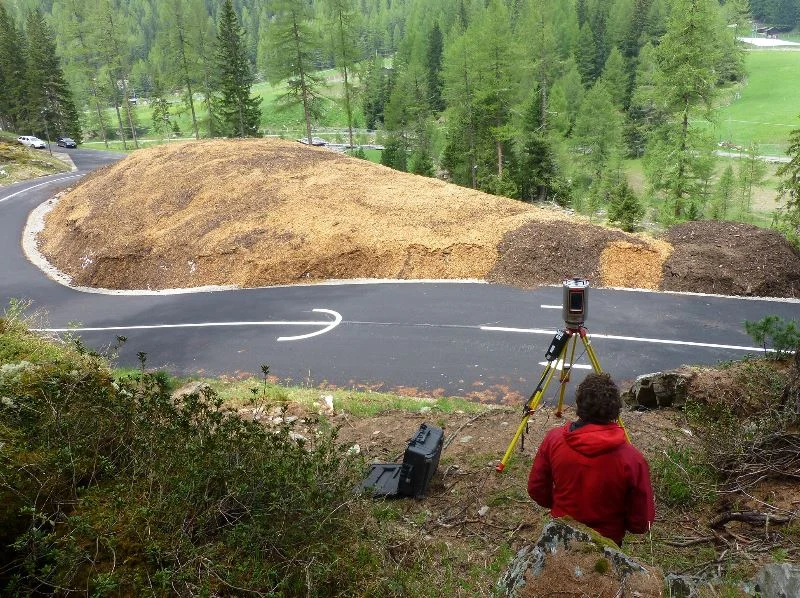
For roughly the last decade, some ski resorts and other winter sport facilities have been using a pretty unusual method to ensure white slopes in winter. It’s called snow farming. The practice involves collecting natural or artificially made snow towards the end of winter, then storing the frozen mass in bulk over the summer under a thick layer of sawdust, woodchips, mulch, or other insulating mat ...[Read More]

Geosciences Column: How fast are Greenland’s glaciers melting into the sea?

Geosciences Column: How fast are Greenland’s glaciers melting into the sea?

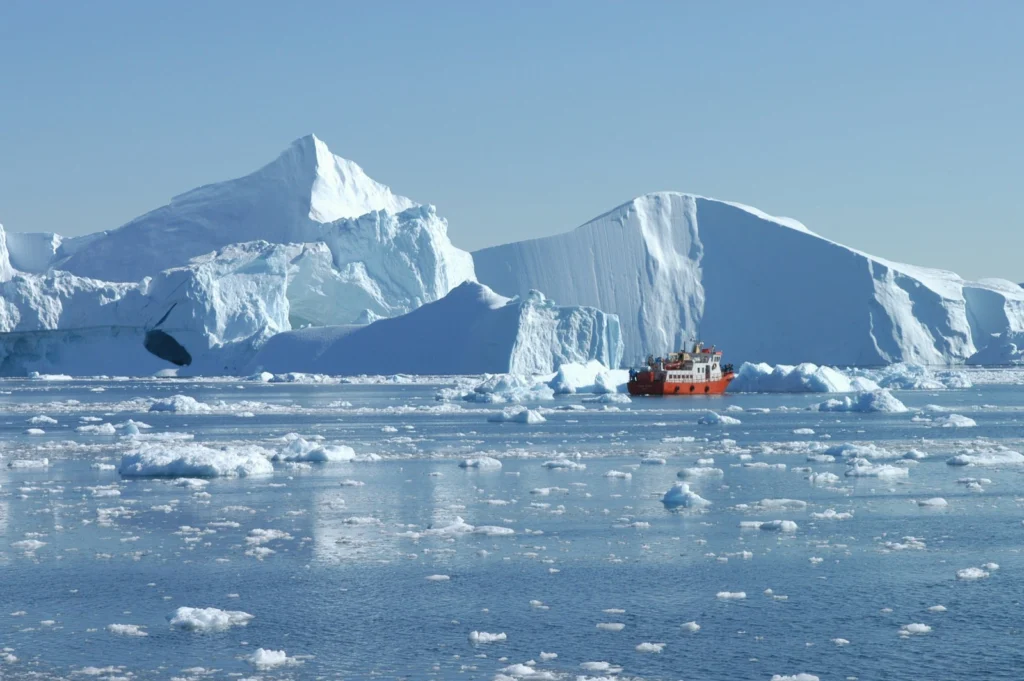
The Greenland ice sheet is undergoing rapid change, and nowhere more so than at its margins, where large outlet glaciers reach sea level. Because these glaciers are fed by very large reservoirs of ice, they don’t just flow to the coast, but can extend many kilometres out into the ocean. Here, the ice – being lighter than water – will float, but remain connected to the ice on the mainland. This phe ...[Read More]

Geosciences Column: The hunt for Antarctica’s oldest time capsule

Geosciences Column: The hunt for Antarctica’s oldest time capsule

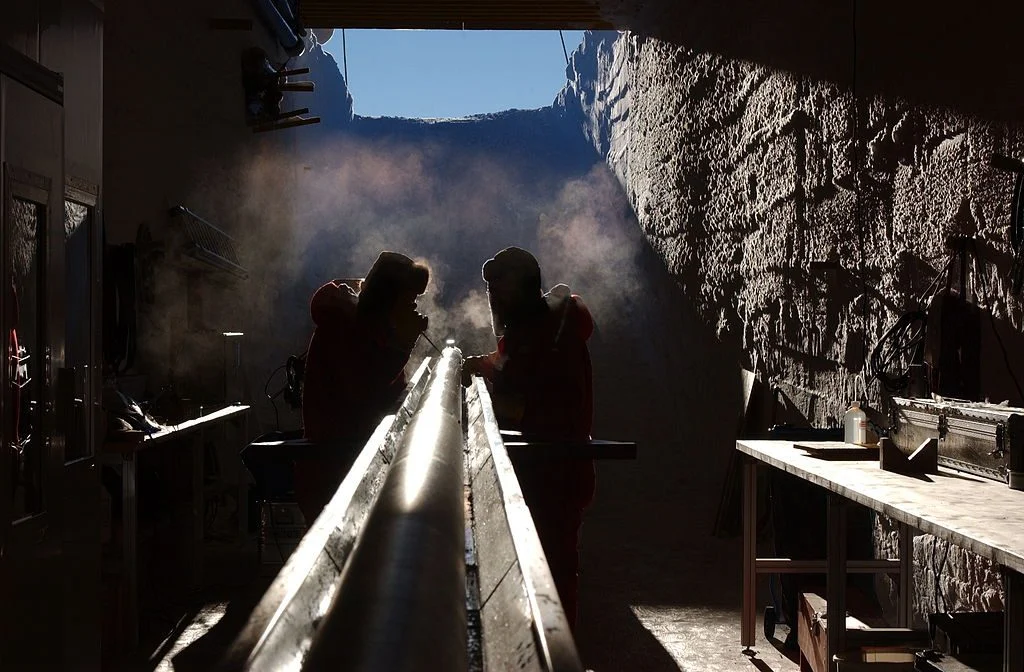
The thick packs of ice that pepper high peak of the world’s mountains and stretch far across the poles make an unusual time capsule. As it forms, air bubbles are trapped in the ice, allowing scientists to peer into the composition of the Earth’s atmosphere long ago. Today’s Geosciences Column is brought to you by PhD researcher Ruth Amey, who writes about recently published resea ...[Read More]

GeoSciences Column: Don’t throw out that diary – medieval journals reveal the secret of lightning

GeoSciences Column: Don’t throw out that diary – medieval journals reveal the secret of lightning

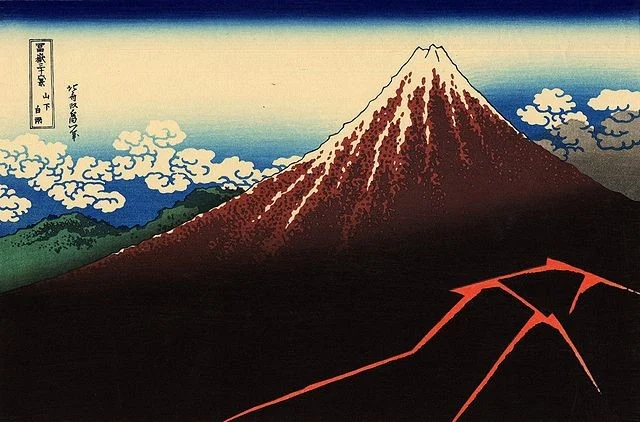
When 17th century Japanese princess Shinanomiya Tsuneko took note of an afternoon storm in her diary one humid Kyoto summer, she could not have imagined her observations would one day help resolve a longstanding scientific conundrum. Statistical analysis of her journals has revealed a link between lightning strikes and the solar wind – proving that your teenage diary could contain good scien ...[Read More]

GeoSciences Column: The dirty business of shipping goods by sea

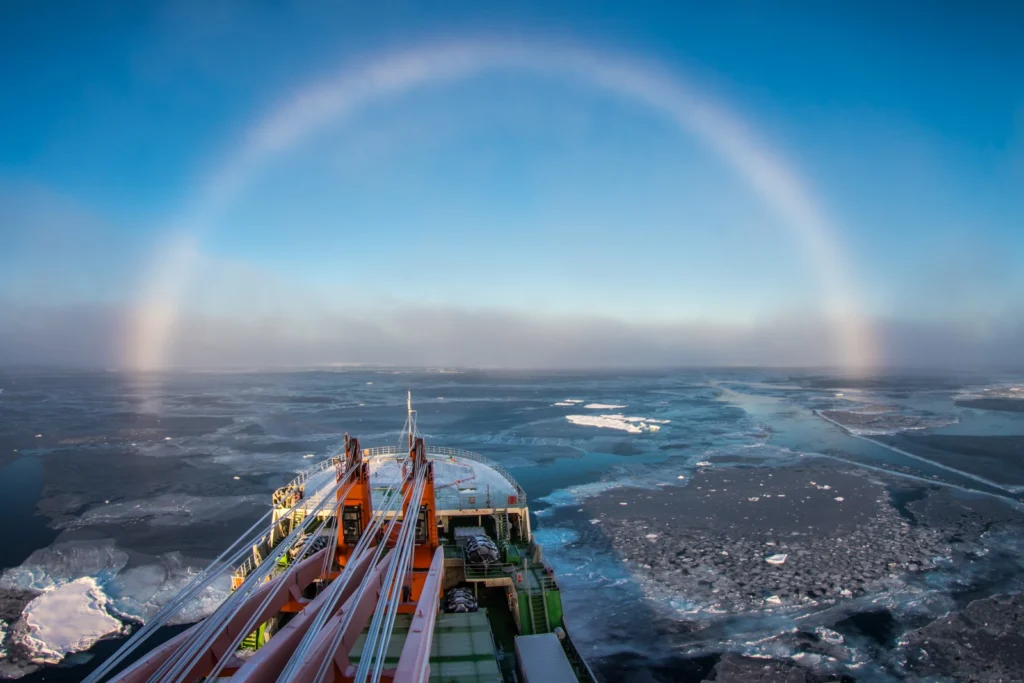
“Above the foggy strip, this white arch was shining, covering one third of the visible sky in the direction of the ship's bow,” he explains. “It was a so-called white, or fog rainbow, which appears on the fog droplets, which are much smaller then rain droplets and cause different optic effects, which is a reason of its white colour.”

Shipping goods across the oceans is cost-effective and super-efficient; that’s why over 80% of world trade is carried by sea (according to the International Maritime Organisation). But the shipping industry also contributes significant amounts of air pollutants to marine and coastal environments. A new study, published in the EGU’s open access journal Earth System Dynamics, reports on concentratio ...[Read More]

GeoSciences Column: Forests in flux – log-jams in the Amazon

GeoSciences Column: Forests in flux – log-jams in the Amazon

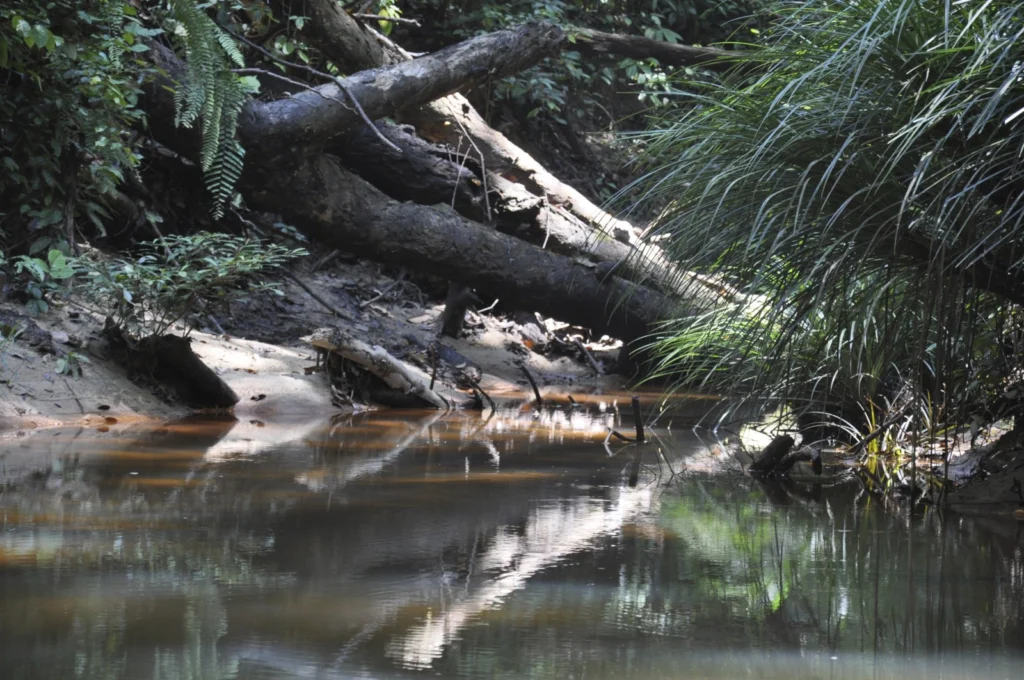
Collapsing dams are a staple of disaster films, but the form that these take in natural systems is also surprisingly varied. Streams and rivers can be blocked by a range of rapid and gradual inputs. One of the lesser-known causes of stream blockage is through the accumulation of large woody debris – tree trunks and large branches – to form a log jam. The impact of these jams on river geomorphology ...[Read More]

GeoSciences Column: Catch of the day – what seabirds can tell us about the marine environment

GeoSciences Column: Catch of the day – what seabirds can tell us about the marine environment

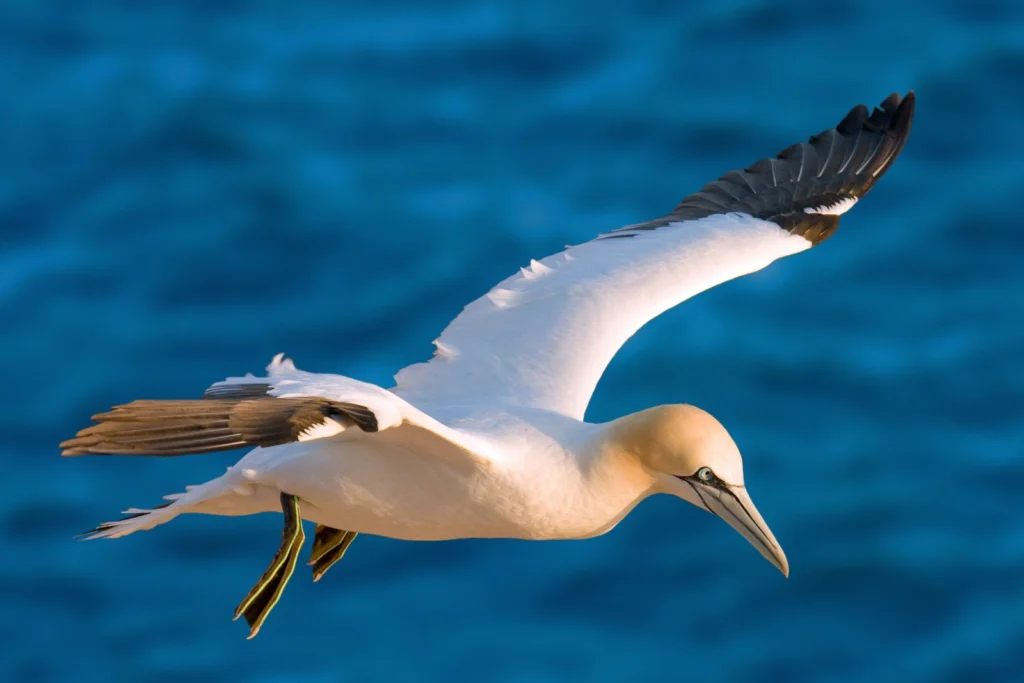
Off the coast of Germany, a male northern gannet (for ease, we’ll call him Pete) soars above the cold waters of the North Sea. He’s on the hunt for a shoal of fish. Some 40km due south east, Pete’s mate and chick await, patiently, for him to return to the nest with a belly full of food. Glints of silver just below the waves; the fish have arrived. Pete readies himself. Body rigid, wings tucked in ...[Read More]

GeoSciences Column: When could humans last walk, on land, between Asia & America?

GeoSciences Column: When could humans last walk, on land, between Asia & America?

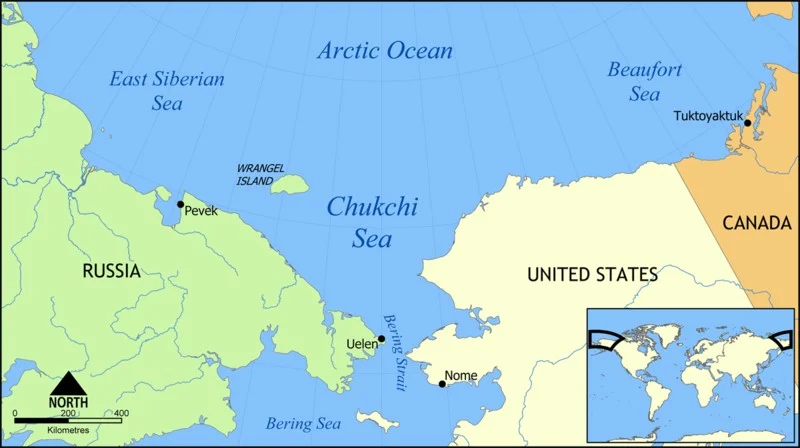
Though now submerged under 53 m of ocean waters, there once was a land bridge which connected North America with Asia, allowing the passage of species, including early humans, between the two continents. A new study, published in the EGU’s open access journal Climate of the Past, explores when the land bridge was last inundated, cutting off the link between the two landmasses. The Bering Strait, a ...[Read More]