GeoLog

Geosciences Column

The theory of continental drift and how it changed the geosciences forever
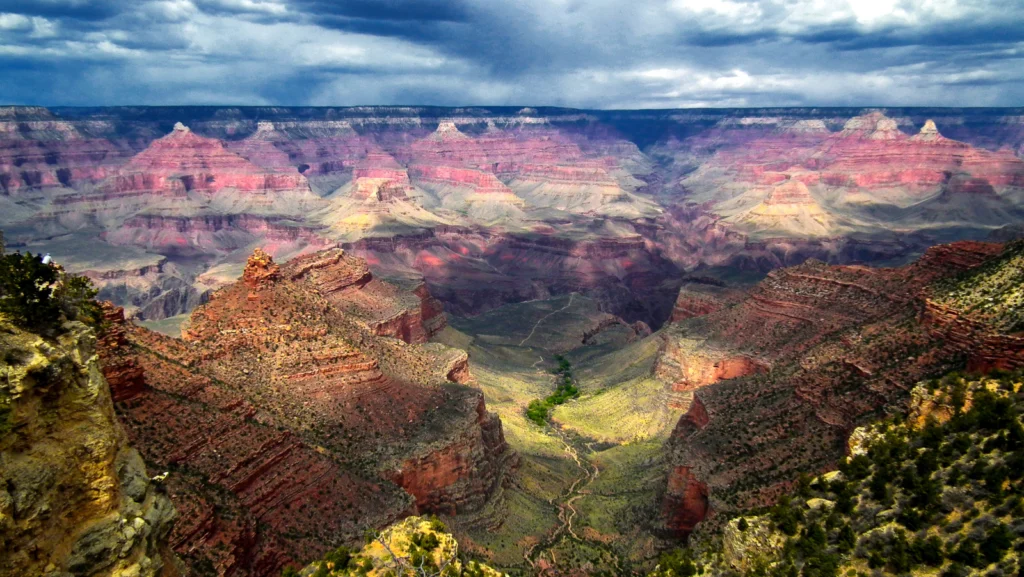
The theory of continental drift and how it changed the geosciences forever
German scientist Alfred Wegener spent most of his life defending a shocking theory: that all the world’s continents were once part of the same land mass before they drifted away. For many years after he passed, his theory continued to be shunned, ridiculed, and labelled as pseudoscience. And then, several decades later, geologists began to find more and more proof to support his continental drift ...[Read More]

Glacial lake outburst floods: What we know about this destructive ice hazard

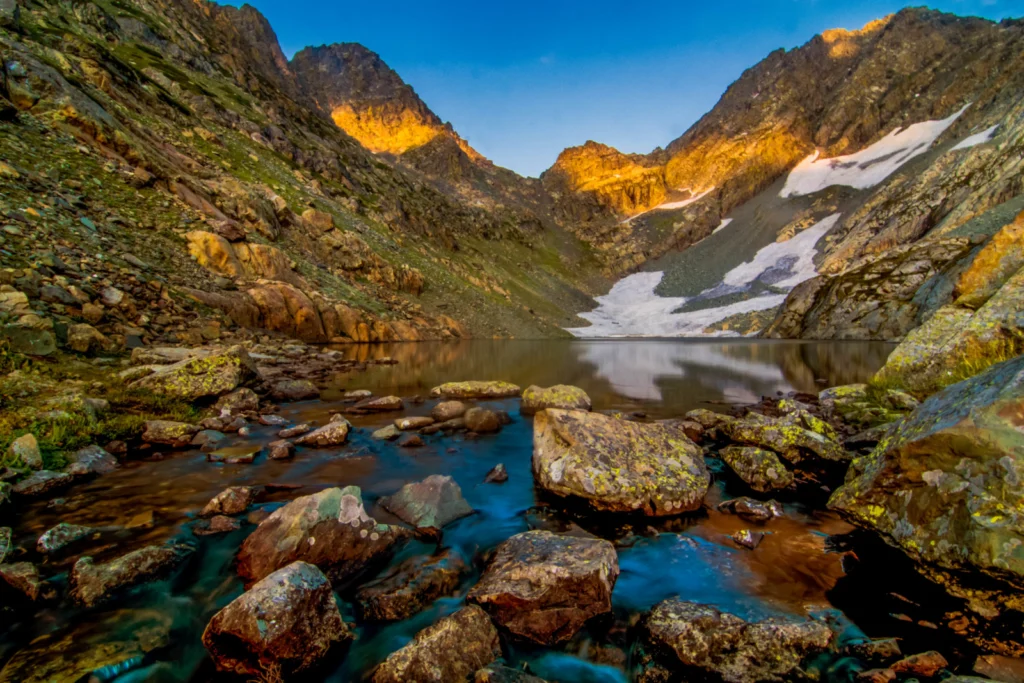
Glacial lake outburst floods: What we know about this destructive ice hazard

Glacial lake outburst floods are among the most concerning consequences of retreating glaciers in mountain ranges around the world. Although the phenomenon isn’t a new one, it has increasingly become the focus of research efforts in the last two decades, with many scientists seeing these floods as an emblematic symptom of climate change. This blog sheds some light on this lesser-known geological e ...[Read More]

Why hydrogen – the ‘fuel of the future’ – may not be as clean as we think

Why hydrogen – the ‘fuel of the future’ – may not be as clean as we think

Around the world, the shift to hydrogen is being considered a key strategy to decarbonize the environment, with experts even calling it the fuel of the future. Hydrogen now features in all eight of the European Commission’s net zero emissions scenarios for 2050, promising to end our dependence on fossil fuels and reduce CO2 emissions across industries. So it comes as no surprise that billions of e ...[Read More]

How a Spanish newspaper experiment is improving public understanding of climate change

How a Spanish newspaper experiment is improving public understanding of climate change

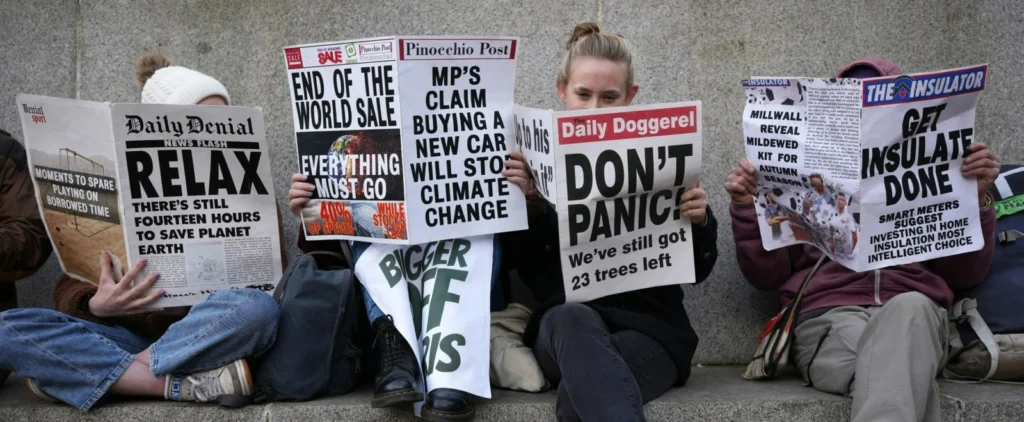
Climate change is not a new phenomenon. Nor is global warming. So why do researchers report a poor public understanding of this subject around the world? According to a recently published study, 70% of the people surveyed said they were concerned about rising global temperatures but had little knowledge about the climate crisis. When asked how much they knew about the origin and effects of global ...[Read More]

Spring, Summer, Winter…Haze?

Spring, Summer, Winter…Haze?

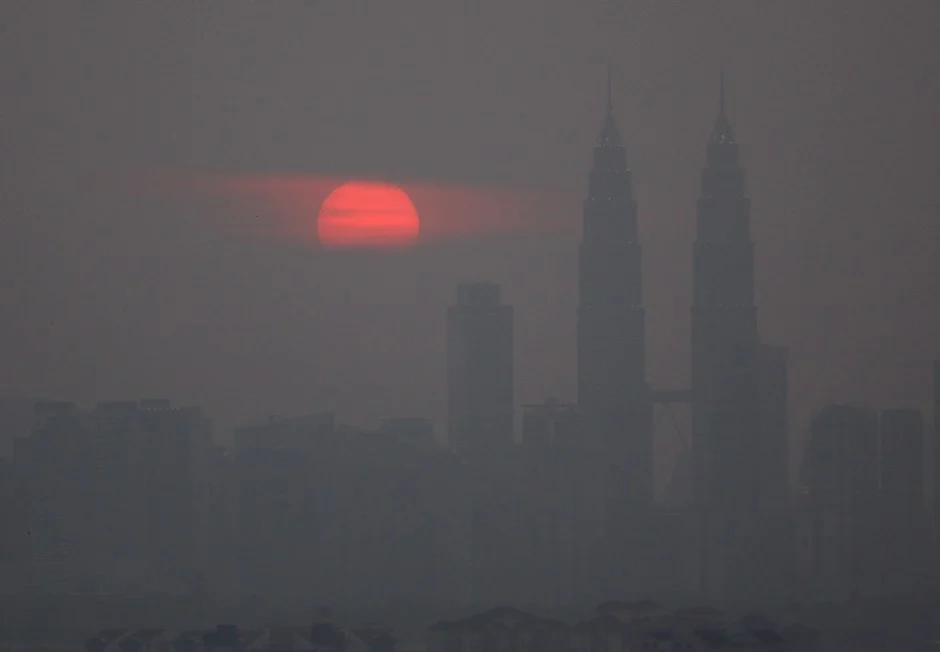
Around the world, societies have many different ways to define the seasons, but for most people a season is identified by a set of culturally specified events, such as the arrival of migratory birds, certain anticipated weather patterns, or a range of expected temperatures. Over recent years many studies have examined the various ways that anthropogenic climate change has affected the way that our ...[Read More]

The James Webb Telescope may forever alter our view of the universe

The James Webb Telescope may forever alter our view of the universe

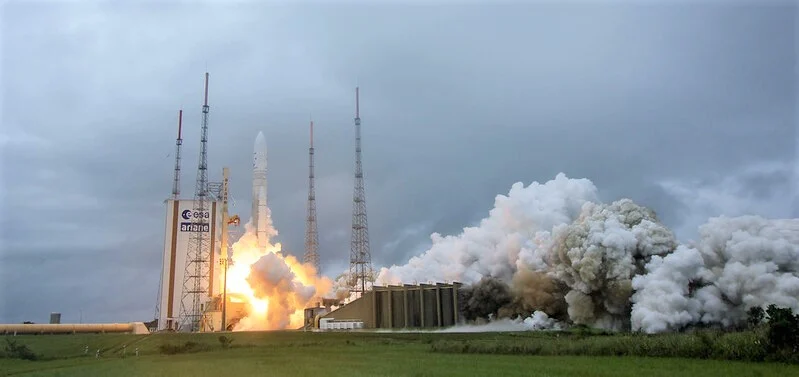
Where is Webb? This seemingly simple question is quickly making its way into everyday conversation, and not just in scientific and astronomy circles. After a long 32-year wait, NASA officially launched the James Webb Telescope a couple of weeks ago on 25 December 2021. More recently, the telescope deployed its final primary mirror segment on 8 January this year, a crucial milestone in its mission ...[Read More]

Geosciences Column: Spatial seismic hazard in western Indonesia – a new, adaptive, approach

Geosciences Column: Spatial seismic hazard in western Indonesia – a new, adaptive, approach

A Natural Hazards Earth System Sciences (NHESS) paper proposes a new sampling method for reducing uncertainty in geographical location in seismic hazard risk analysis, with implications for the insurance industry and risk communication in general.   Globally, rapid urbanisation is increasing the risk of exposure of human populations and infrastructure to natural hazards, including earthquakes ...[Read More]

Don’t leaf it to the trees: Amazonian soils also work to store carbon.

Don’t leaf it to the trees: Amazonian soils also work to store carbon.

The Amazon rainforest covers an area of 5.5 million km² and is well known for being an invaluable global resource for carbon storage. But it’s not just the trees and vegetation of the Amazonian rainforest that lock in and store carbon – the very soil in these forests can do the same thing, according to research published in EGU’s journal SOIL earlier this year. In this study Carlos Alberto Quesada ...[Read More]

Geosciences Column: Thunderstorm asthma, the unexpected impact of lightning storms on pollen allergies.

Geosciences Column: Thunderstorm asthma, the unexpected impact of lightning storms on pollen allergies.

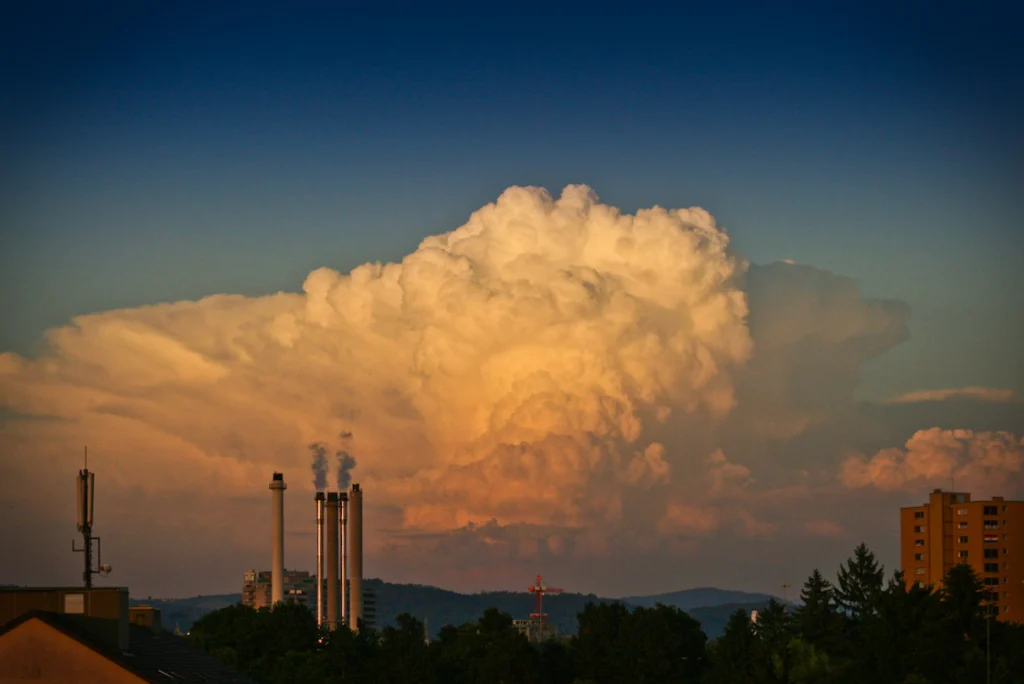
In October 2015 a series of massive thunderstorms rolled across the Eastern Mediterranean. In the hours and days that followed many people living along the Israeli coast had to go to their nearest medical centre because they were experiencing respiratory problems, which appeared very similar to asthma. But what could have caused these breathing problems? Well in research recently published in Natu ...[Read More]

LGBTQIA+ in the field

LGBTQIA+ in the field

As a part of any field-based science work, whether it be as an individual scientist, research team or with students, we must first conduct a risk assessment. This often focuses on the physical dangers that you, your colleagues or students may encounter whilst working in stressful and sometimes unfamiliar environments. More recently, field-based risk assessments for physical/environmental scientist ...[Read More]