GeoLog

Geosciences Column

A chunk of ice the size of Amsterdam: how the calving of Greenland’s glaciers has changed since the 2010 Petermann Glacier event

A chunk of ice the size of Amsterdam: how the calving of Greenland’s glaciers has changed since the 2010 Petermann Glacier event

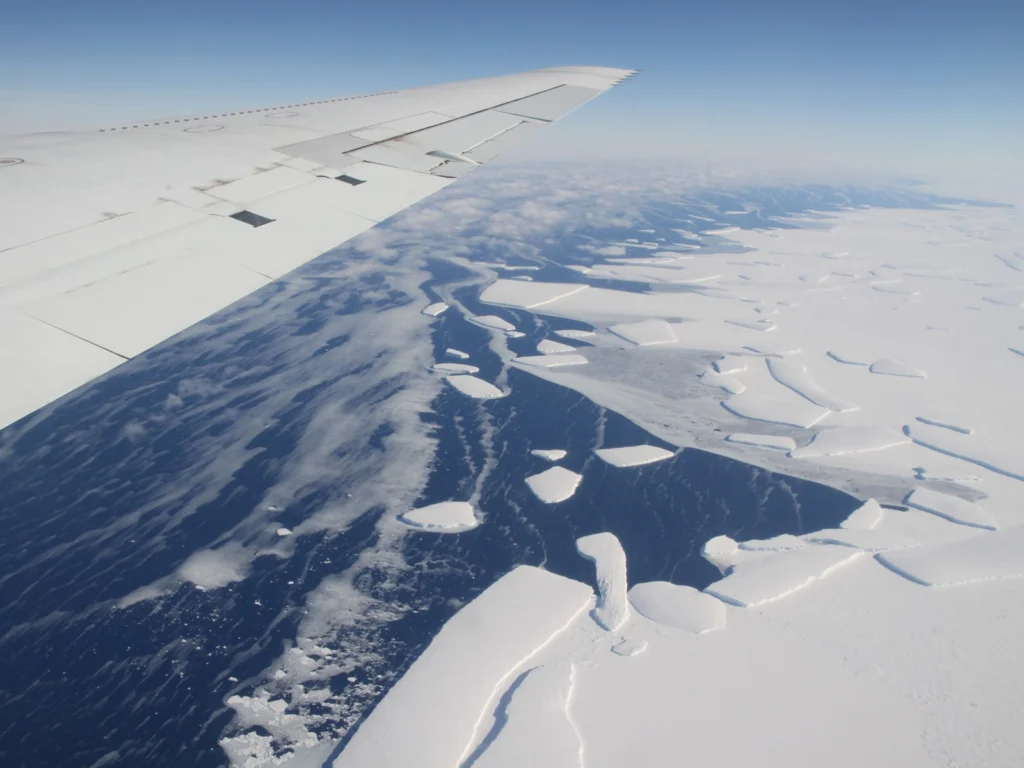
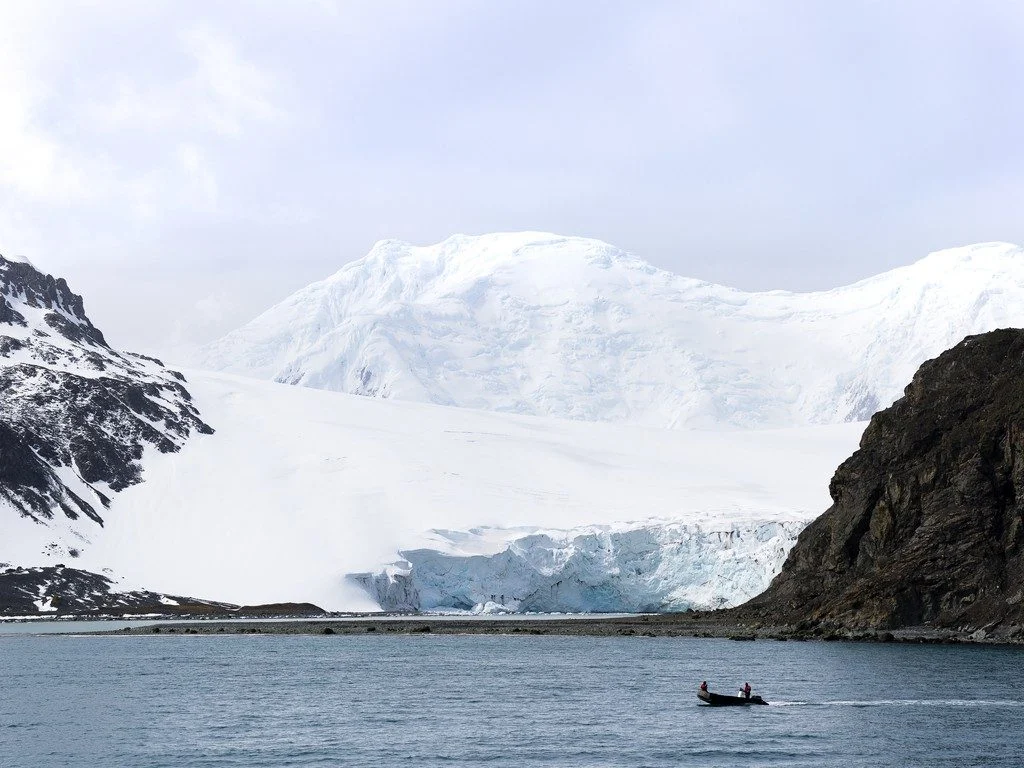
Thirteen years ago, a roughly 251 km2 chunk of ice (or 97 miles2) broke off Greenland’s Petermann Glacier. This Amsterdam-sized piece of ice was the largest to calve in the Arctic since 1962. The massive iceberg traversed the Nares Strait, which lies between Canada’s Ellesmere Island and Greenland, and into the northern part of Baffin Bay—the northwestern-most arm of the Atlantic Ocean, before eve ...[Read More]

100 years since we learned dinosaurs laid eggs, what do we know now?

100 years since we learned dinosaurs laid eggs, what do we know now?

In July 1923, 100 years ago this month, scientists and explorers made an extraordinary discovery that forever changed our view of dinosaurs. An expedition to the Gobi Desert in Mongolia unearthed fossilized dinosaur eggs, in a nest, confirming that dinosaurs laid eggs like the reptiles that scientists at the time thought dinosaurs were. The find was announced in newspapers at the time, to much fan ...[Read More]

Two centuries later, the world is yet to fully understand Nikola Tesla

Two centuries later, the world is yet to fully understand Nikola Tesla

Most people associate Tesla with the multi-billion American automotive and clean energy company, and by that extension, with Elon Musk. But with today (July 10th) being Nikola Tesla Day, it gives us a rare opportunity to discover the man behind the name – the Serbian American scientist who contributed to scientific progress and advances in technology that we still heavily rely on today. Tesla is c ...[Read More]

The world of hydrography calls for more hands on deck

The world of hydrography calls for more hands on deck

This week on 21st June, governments around the world observed World Hydrography Day to celebrate the role of hydrography in understanding the seas. Though initially thought to be a field limited to the navigation of ships, hydrography is being increasingly recognized for its knowledge contribution to the oceans, seas, coastal areas, lakes and rivers, as well as with predicting their change over ti ...[Read More]