GeoLog

Geosciences Column

Footprints reveal climate’s mark on mudflats
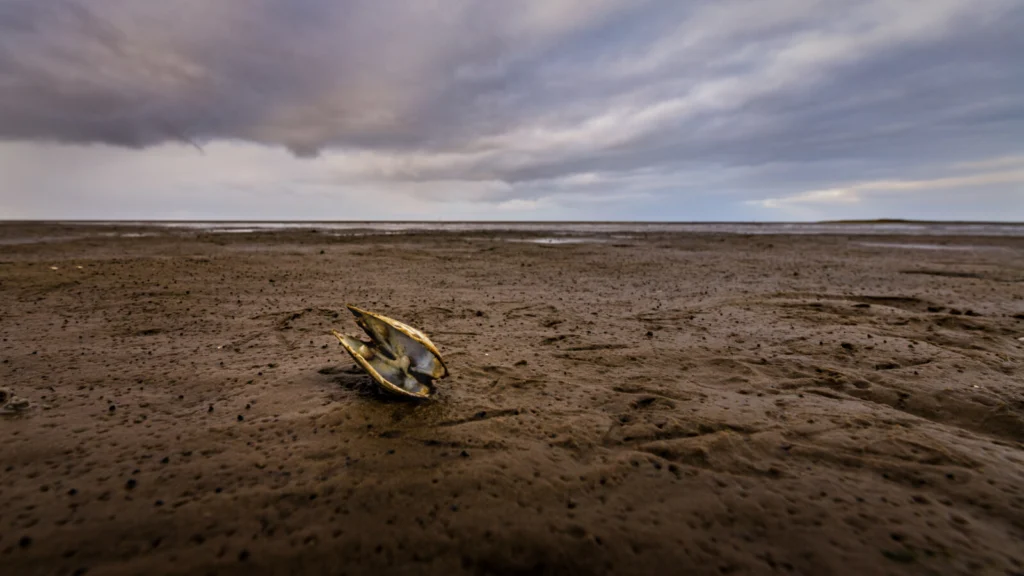
Footprints reveal climate’s mark on mudflats

Tidal flats, the muddy reaches of estuaries unveiled at low tide, support rich ecosystems and fisheries worldwide. But these habitats are under threat from climate change, as sea level rise overwhelms the landscape and heavy rainfall scours away the sediment – impacts that scientists are only just beginning to explore. In an effort to understand how shellfisheries are affected by climate change, a ...[Read More]

Are you ready to vote for your favourite Division blog of 2025?

Are you ready to vote for your favourite Division blog of 2025?

Our EGU blogging team has had a fantastic 2025 posting across our official blog, GeoLog and the division blogs. Most of our readers appreciate EGU’s blogs for their informative yet accessible style, and for our bloggers’ ability to take complex geoscience content and make it fun and relevant to the reader. If this sounds like something you’d like to get involved in, we encourage you to get i ...[Read More]

Are you ready to vote for your favourite Division blog of 2024?

Are you ready to vote for your favourite Division blog of 2024?

Our EGU blogging team has had a fantastic 2024 posting across our official blog, GeoLog and the division blogs. Most of our readers appreciate EGU’s blogs for their informative yet accessible style, and for our bloggers ability to take complex geoscience content and make it fun and relevant to the reader. If this sounds like something you’d like to get involved in, we encourage you to get in touch ...[Read More]

AI-based tools in scientific publishing: to what extent can we rely on them?

AI-based tools in scientific publishing: to what extent can we rely on them?

Academic publishing has considerably evolved in response to technological developments. Current discussions revolve around the rise of generative Artificial Intelligence (AI) tools or Large Language Models (LLM). They exceed the capabilities of simple spelling and grammar checkers or translation software and their use in the publication process has several implications that need to be considered. ...[Read More]

The many ways of using art for science education: by artist and illustrator Heike Jane Zimmermann

The many ways of using art for science education: by artist and illustrator Heike Jane Zimmermann

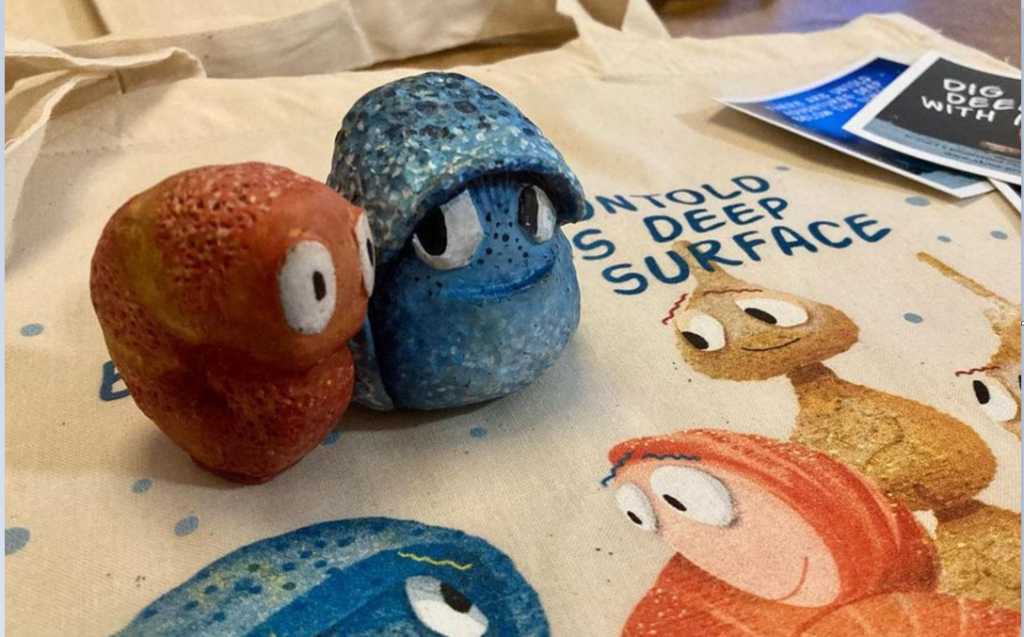
This week – on 24 January – the world observed the International Day of Education. At EGU, it felt like the perfect time for us to explore the intersection of science and art, and how they can be used in creative ways to educate and inform people regardless of their age and background. I spoke to Heike Jane Zimmermann who is an illustrator and sculptor with a particular passion for eco ...[Read More]

Are you ready to vote for your favourite Division blog of 2023?

Are you ready to vote for your favourite Division blog of 2023?

Our EGU blogging team has had a fantastic 2023 posting across our official blog, GeoLog and the division blogs. With the Near Year now officially upon us, you may know that we like to pause and reflect on our blogging efforts of the year gone by! Much like previous years, we saw yet again an impressive and insightful collection of blog posts throughout 2023. Most of our readers appreciate EGU’s bl ...[Read More]

The Global South Climate Database: one thousand experts in one year!

The Global South Climate Database: one thousand experts in one year!

Climate change is one of the most urgent problems facing humanity today. Every corner of the planet is already feeling the impacts of climate change, from devastating heatwaves to sweeping floods. The wealthy and powerful are responsible for the lion’s share of greenhouse gas emissions. Yet, the impacts of climate change are disproportionately felt by the poorest and most vulnerable members ...[Read More]

Dive into the depths: 90 Years of Loch Ness monster lore

Dive into the depths: 90 Years of Loch Ness monster lore

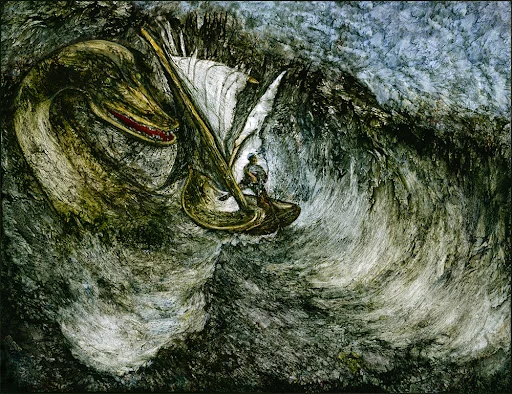
Folk tales and myths, they’ve lasted for a reason. We tell them over and over because we keep finding truths in them, and we keep finding life in them. ~ Patrick Ness, American-British author (*nae, this Ness isn’t related to Nessie)   Is it an eel? Is it a snake? Is it a diplodocus with fins? No, it’s Nessie! If there’s one myth that has weathered the passage of time and stands in defi ...[Read More]

Biosphere Reserves: What are they and why must we care for them?

Biosphere Reserves: What are they and why must we care for them?

Today, 3 November, is globally recognized as the International Day for Biosphere Reserves. The first edition of this observance day was marked last year, with UNESCO urging our relationship with nature needed “a radical rethink.” As Audrey Azoulay, Director-General of UNESCO explains, “The logic is simple: to improve our relationship with nature, we must first improve our understanding of how we a ...[Read More]

Swamps may be considered spooky, but is there more than meets the eye?

Swamps may be considered spooky, but is there more than meets the eye?

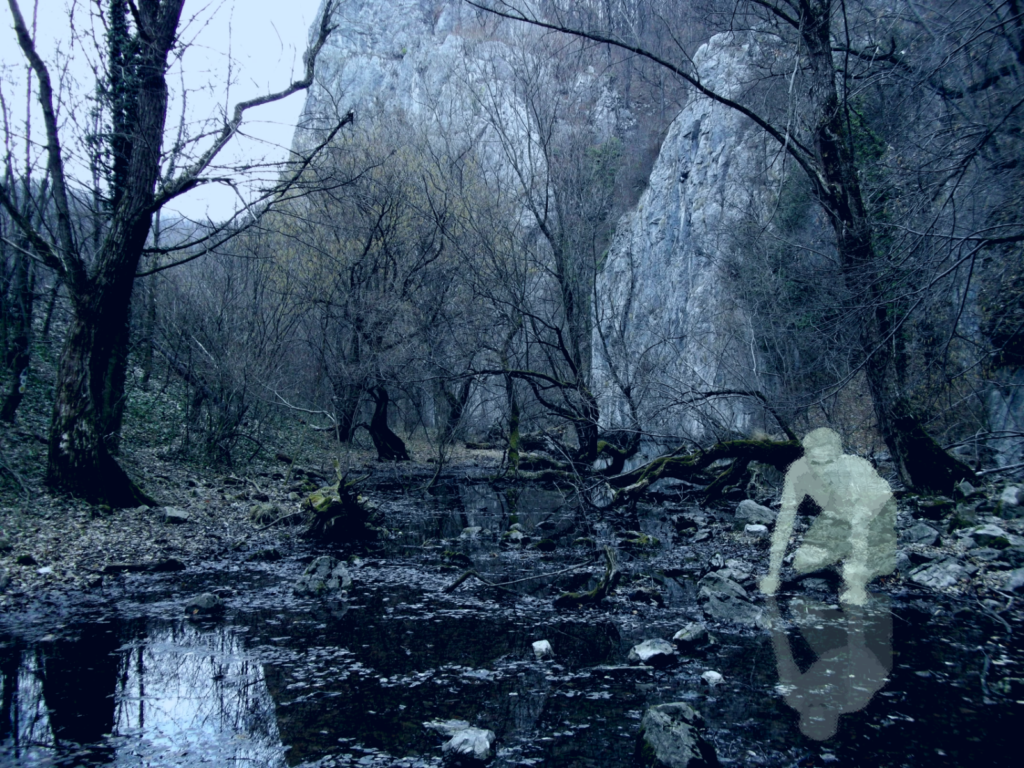
Swamps are spooky. This is the prevailing notion from the depiction of wetlands – the saturated lands of swamps, bogs, and fens – in the media. From the folktales of Will-o’-the-Wisps guiding travellers astray to the many, many swamp monsters of Scooby Doo, the sign is clear: a scrawled “stay away from here” thrust deep in the mud, writ by centuries of storytellers. As a reputation it’ ...[Read More]