GeoLog

Publications

Geosciences Column: Extreme snowfall potentially worsened Nepal’s 2015 earthquake-triggered avalanche

Geosciences Column: Extreme snowfall potentially worsened Nepal’s 2015 earthquake-triggered avalanche

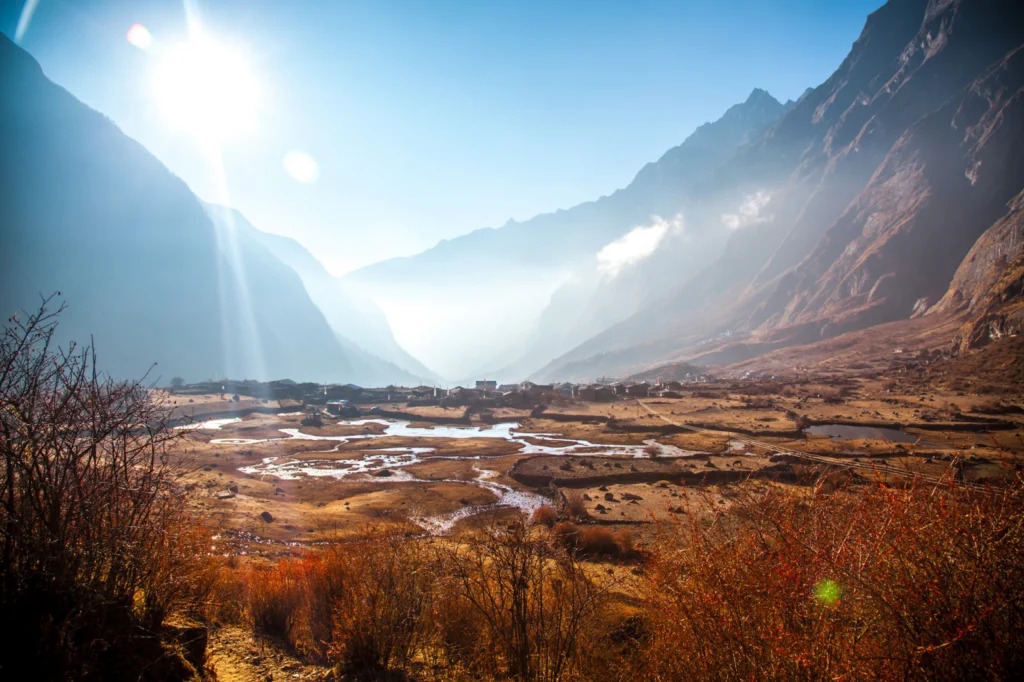
Three years ago, an earthquake-induced avalanche and rockfalls buried an entire Nepalese village in ice, stone, and snow. Researchers now think the region’s heavy snowfall from the preceding winter may have intensified the avalanche’s disastrous effect. The Langtang village, just 70 kilometres from Nepal’s capital Kathmandu, is nestled within a valley under the shadow of the Himalayas. The town wa ...[Read More]

Geosciences Column: The science behind snow farming

Geosciences Column: The science behind snow farming

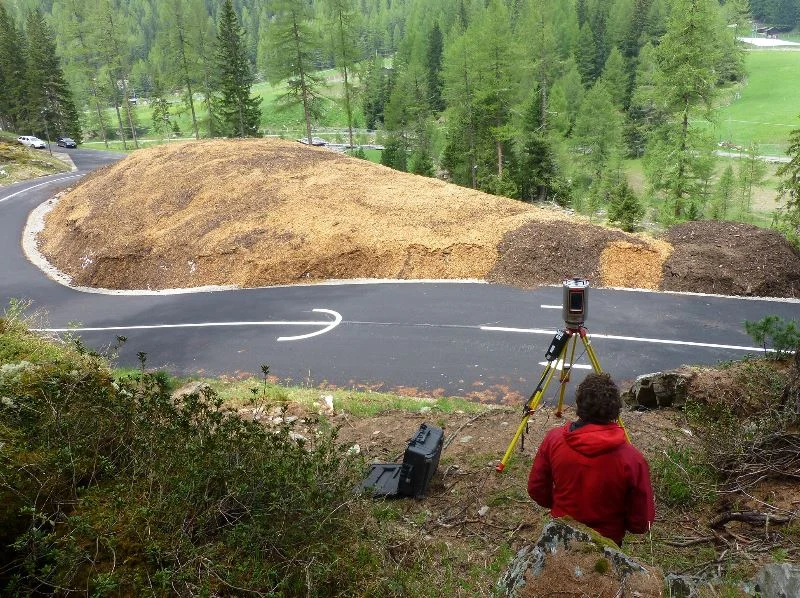
For roughly the last decade, some ski resorts and other winter sport facilities have been using a pretty unusual method to ensure white slopes in winter. It’s called snow farming. The practice involves collecting natural or artificially made snow towards the end of winter, then storing the frozen mass in bulk over the summer under a thick layer of sawdust, woodchips, mulch, or other insulating mat ...[Read More]

GeoSciences Column: When could humans last walk, on land, between Asia & America?

GeoSciences Column: When could humans last walk, on land, between Asia & America?

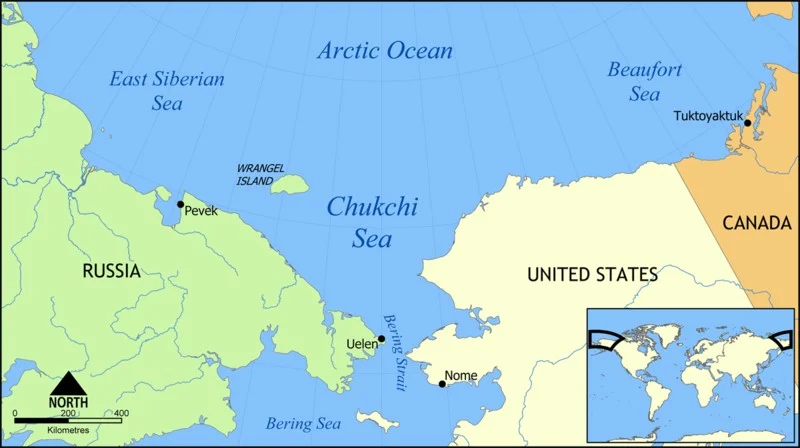
Though now submerged under 53 m of ocean waters, there once was a land bridge which connected North America with Asia, allowing the passage of species, including early humans, between the two continents. A new study, published in the EGU’s open access journal Climate of the Past, explores when the land bridge was last inundated, cutting off the link between the two landmasses. The Bering Strait, a ...[Read More]

Enmeshed in the gears of publishing – lessons from working as a young editor

Enmeshed in the gears of publishing – lessons from working as a young editor

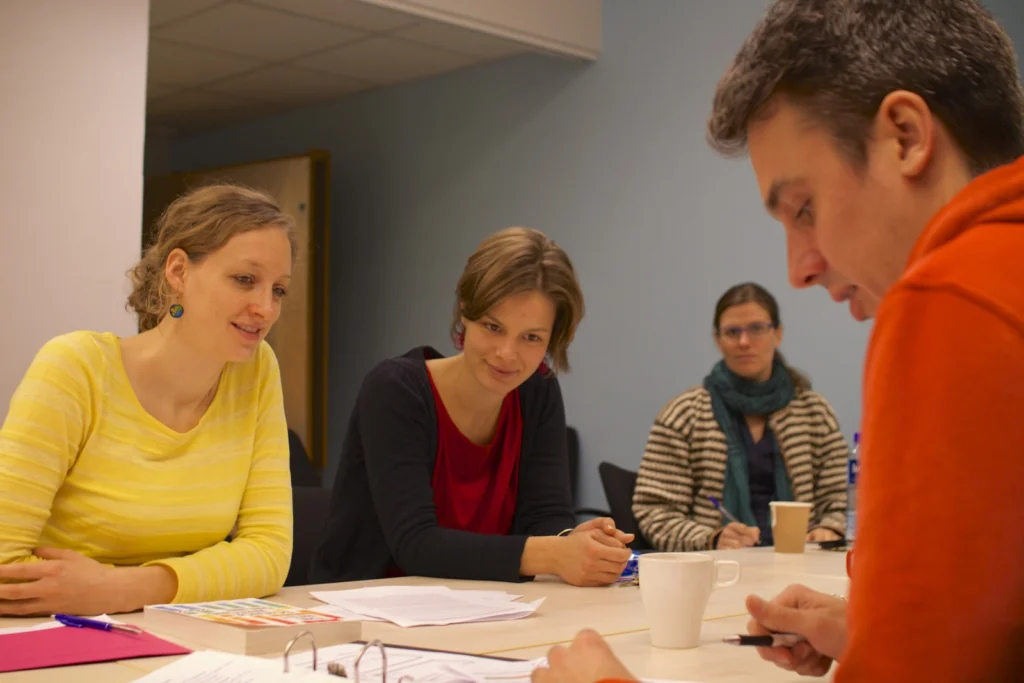
Editors of scientific journals play an important role in the process research publication. They act as the midpoint between authors and reviewers, and set the direction of a given journal. However, for an early career scientist like me (I only defended my PhD in early December 2016) the intricacies of editorial work remained somewhat mysterious. Many academic journals tend to appoint established, ...[Read More]

Geosciences Column: A new rock outcrop map and area estimation for the entire Antarctic continent

Geosciences Column: A new rock outcrop map and area estimation for the entire Antarctic continent

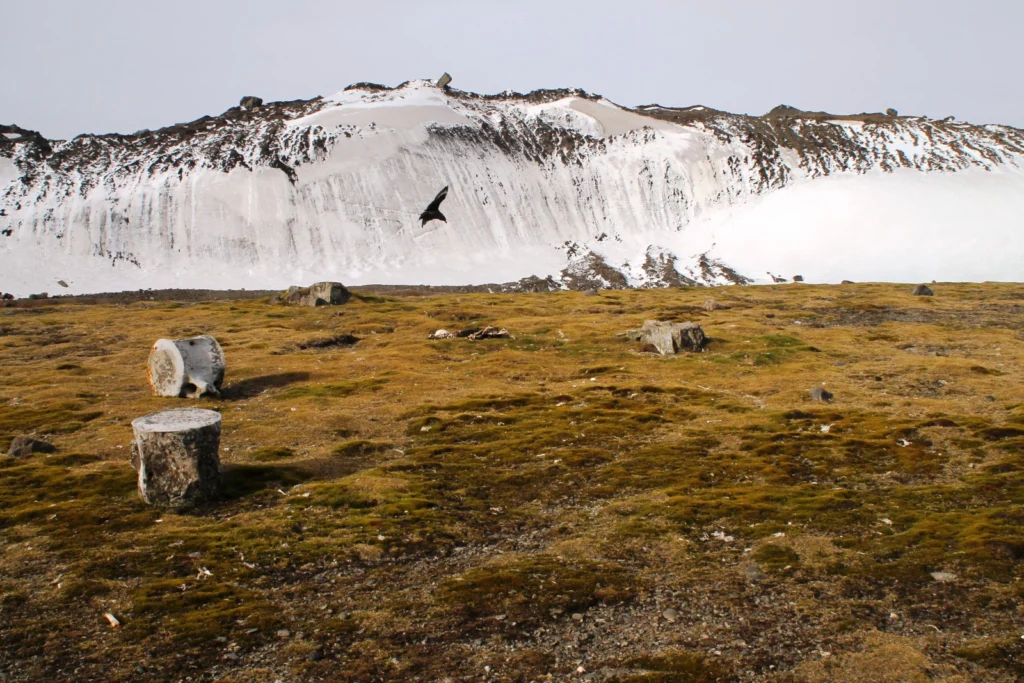
Antarctica has been known as “the frozen continent” for almost as long as we have known of its existence. It may be the only place on Earth where, instead of information on the extent of glaciers or ice caps, there exists a dataset of all non-icy areas compiled from satellite imagery. However, this repository is far from perfect: while satellite resolution and coverage have been steadily improving ...[Read More]

GeoSciences Column: Improving together – science writing and football

GeoSciences Column: Improving together – science writing and football

Writing is something that those pursuing a career in academia are expected to be good at. It is a requirement of the job, yet it is a skill few get any formal training in and simply rely on the old saying that practice makes perfect. But what if there is another way? Mathew Stiller-Reeve is a co-founder of ClimateSnack, a writing group organization, which aims to tackle the problem. In today’s pos ...[Read More]

The Sustainable Geoscientist – how many papers should academics really be publishing?

The Sustainable Geoscientist – how many papers should academics really be publishing?

In this guest blog post, Nick Arndt, Professor at the Institut des Sciences de la Terre, Grenoble University, reflects on the pressures on academics to publish more and more papers, and whether the current scientific output is sustainable. Imagine a highly productive car factory. Thousands of vehicles are built and each is tested as it leaves the factory; then it is stored in an enormous parking l ...[Read More]

Introducing the new EGU logo!

As part of a long-term effort to modernise EGU’s overall look, today we are introducing a new EGU logo. You will find the new logo on all EGU websites (including General Assembly and journal websites) and social media pages, as well as in Vienna in April, at the EGU 2016 General Assembly. The new logo retains elements of the previous one, including the circle with a tilted axis representing the Ea ...[Read More]

All you ever wanted to know about EGU publications

All you ever wanted to know about EGU publications

Did you know that, the EGU, through Copernicus Publications, publishes 17 peer-reviewed open-access journals? The journals cover a range of topics within the Earth, planetary and space sciences: with publications spanning the cryospheric sciences, soil system sciences, through to non-linear processes in geophysics, there is something for everyone. Whatever your area of research, chances are you’ll ...[Read More]

Open Access: Access to knowledge

“Access to knowledge is a basic human right.” Yet sadly as scientists we are often forced to operate in a framework in which this is not always the case. This week sees the celebration of the eighth Open Access Week, and whilst there have undoubtedly been many achievements by the Open Access (OA) movement since 2009, there is still a long way to go before mankind’s basic human right to knowledge i ...[Read More]