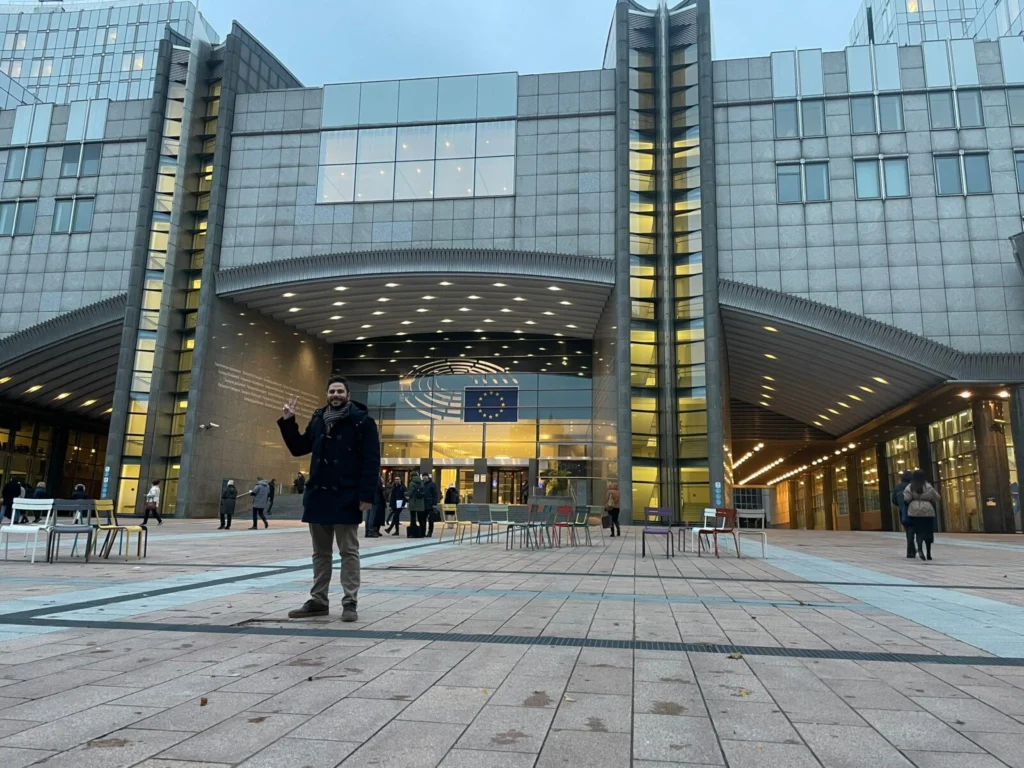
I am pretty sure that everyone has had this experience at one time or another. You attend a meeting or conference and, despite the diversity of people in the audience, the people on the podium invited to speak are uniformly men. If you come from the same part of the world as I do (Western …[Read More]
Outreach
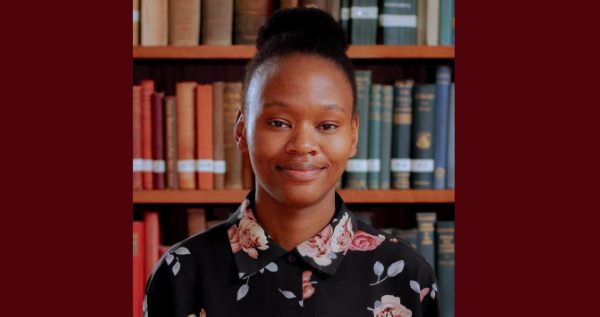
GeoTalk: meet Sinelethu Hashibi, a geologist translating geoscience for isiXhosa-speaking communities!
Hello Sinelethu! Thank you for joining this edition of GeoTalk. Could you introduce yourself and your background? Thank you for inviting me! I am Sinelethu Hashibi, from the Eastern Cape in South Africa. Currently, I am working on my PhD in mantle geochemistry at the University of Cape Town. I am particularly interested in the …[Read More]
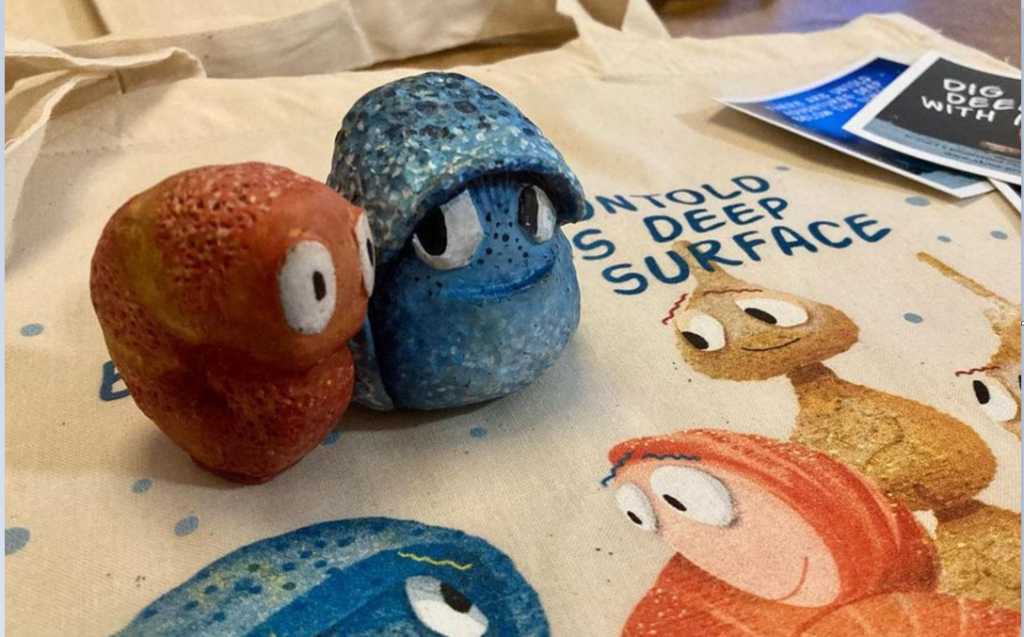
Congratulations to the winners of the best EGU blogs of 2023!
If you’re a regular reader of the EGU blogs, you may notice a certain annual tradition of ours: we like to celebrate the contribution of our science writers and bloggers over the year gone by. And 2023 was no exception of course; we had a number of inspiring and thought-provoking blog posts published across the …[Read More]
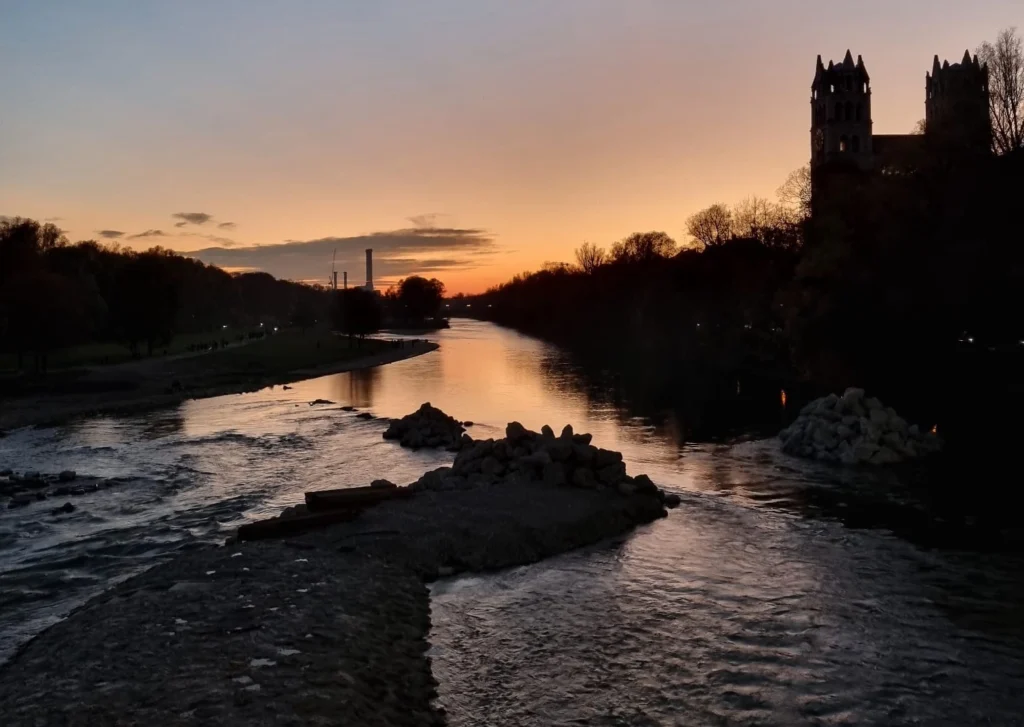
GeoPolicy: Fluvial geomorphology and its potential for policy impact
In this month’s GeoPolicy blog post, Dr Grace Skirrow outlines how researchers can share their expertise with environmental regulators to have policy impact and the role that fluvial geomorphology can play in policy decisions. Fluvial Geomorphology and why it is relevant for policymakers Fluvial Geomorphology (“fluvial”, derived from the Latin “fluvialis”, meaning “of the river”) …[Read More]
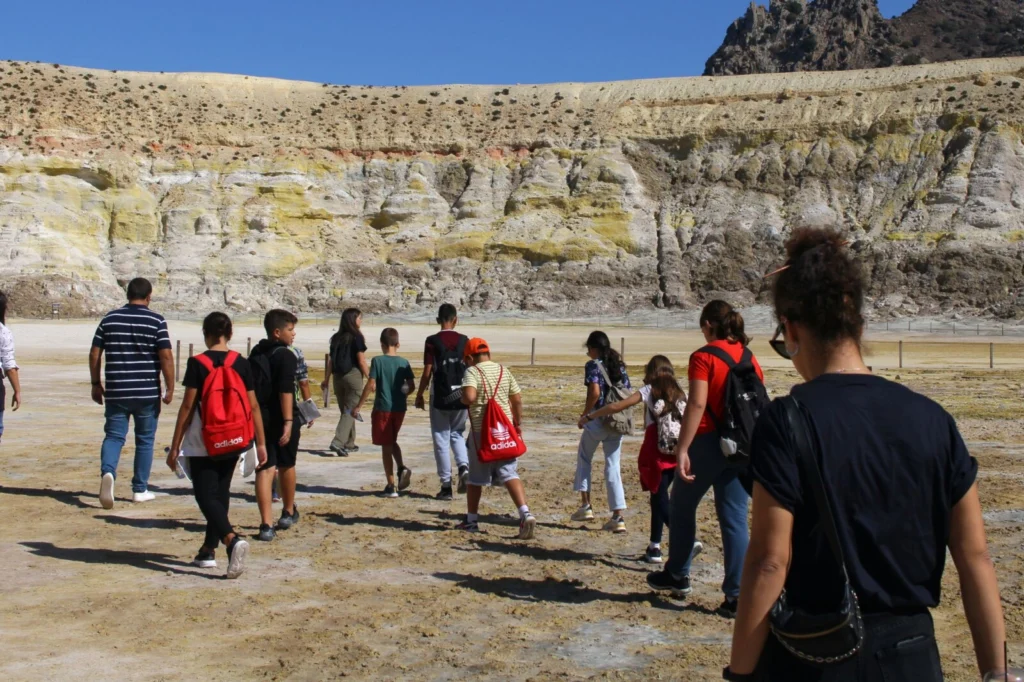
A simultaneous public event on two Greek volcanic islands?! Must be EGU Geoscience Day 2023!
In 2023, Evi Nomikou, Associate Professor in the Department of Geology and Geoenvironment, National and Kapodistrian University of Athens and her team (Varvara Antoniou, Bejelou Konstantina, Efrosini Varotsou, Sotiria Kothri, Elisavet Nikoli, Stavroula Kazana, Areti Belk and Anna Andri), hosted the third annual EGU Geoscience Day, simultaneously on two Greek volcanic islands: Santorini and Nisyros. …[Read More]
The many ways of using art for science education: by artist and illustrator Heike Jane Zimmermann
This week – on 24 January – the world observed the International Day of Education. At EGU, it felt like the perfect time for us to explore the intersection of science and art, and how they can be used in creative ways to educate and inform people regardless of their age and background. I spoke …[Read More]
Geopolicy: A sneak peak into EGU’s Science for Policy 2024 Agenda
The EGU’s Science for Policy Programme is continually developing and expanding to help meet the needs of EGU members and European policymakers. This blog post will kick-off the New Year by outlining a few of the key science for policy activities that you can look forward to and engage with in the next 12 months. …[Read More]
Are you ready to vote for your favourite Division blog of 2023?
Our EGU blogging team has had a fantastic 2023 posting across our official blog, GeoLog and the division blogs. With the Near Year now officially upon us, you may know that we like to pause and reflect on our blogging efforts of the year gone by! Much like previous years, we saw yet again an …[Read More]
GeoPolicy: Science-Policy Pairing Schemes in Europe – a regularly updated list
Pairing schemes are a great way for researchers to learn more about policymaking processes and how science is used in political decision-making! This month’s GeoPolicy Blog post highlights various European-based science-policy pairing scheme opportunities that researchers can apply for. Science-policy pairing schemes provide researchers with the opportunity to gain a better understanding about how policymakers …[Read More]
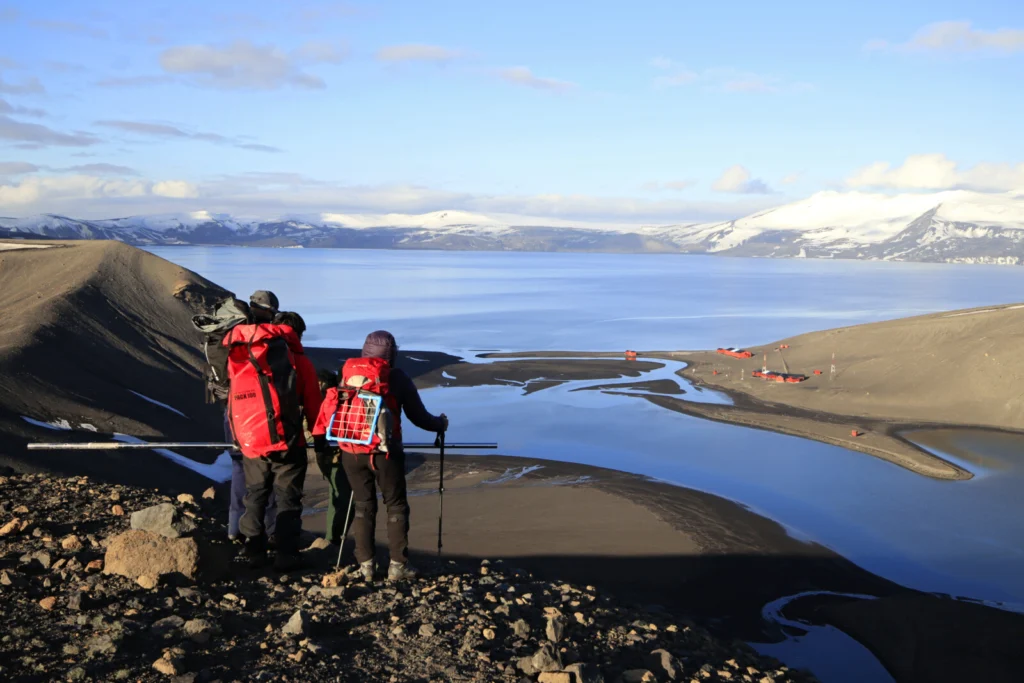
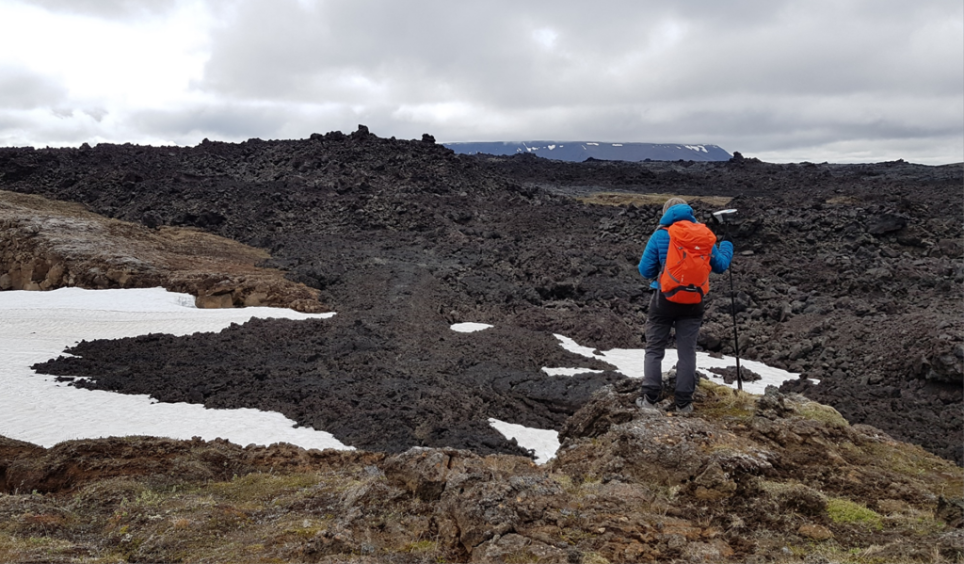
Immersive virtual reality for engaging students and the public in geological surveys – an EGU Public Engagement Grant project
Why choose immersive virtual reality for teaching and learning about volcanoes? This is a common question that arises when approaching this modern way to explore volcanoes. The answer is clear to those accustomed to working in these captivating regions. Traditional approaches to reaching volcanic areas are fraught with challenges (danger, complex logistics, and high costs). …[Read More]