Detail of a photo: Maze of layered canyon walls and buttes in bands of red, cream and grey, receding into the distance in soft evening light.
GeoLog

Imaggeo

Imaggeo on Mondays: Sampling sulfurous sinkhole water
Imaggeo on Mondays: Sampling sulfurous sinkhole water
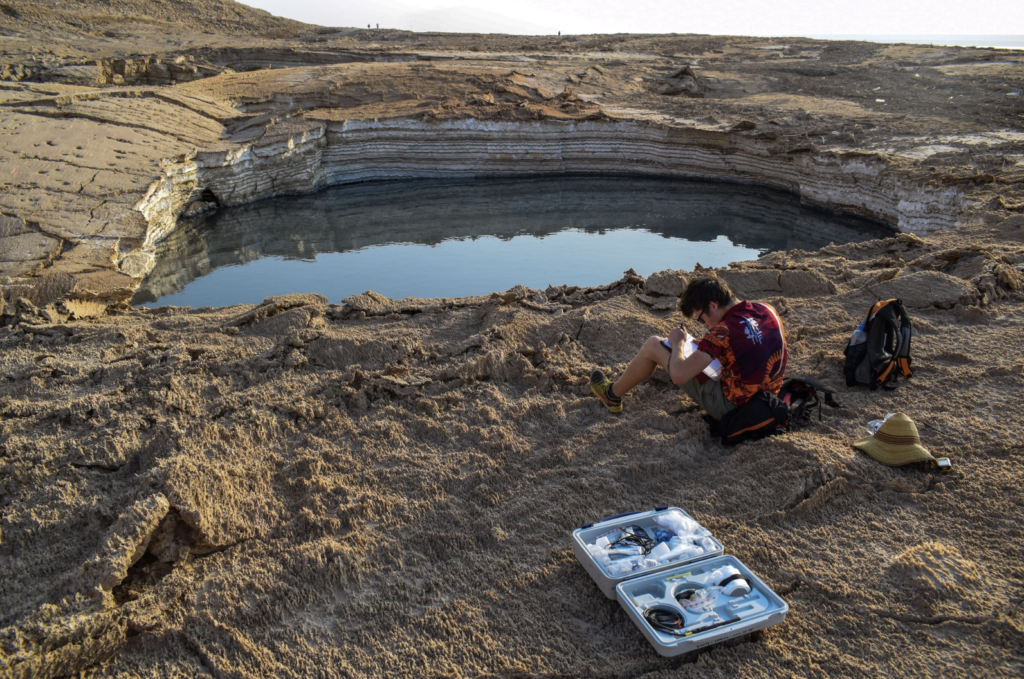
Sampling of water present in sinkhole formed in superficial salt-rich lacustrine deposits at Ghor Al-Haditha, Dead Sea eastern shore, Jordan, during a field campaign in October 2018. The water in this sinkhole flows into the Dead Sea in a surface stream channel formed in 2012. The water was highly acidic and extremely conductive, with a …[Read More]

The Carbon Potential of Peat

The Carbon Potential of Peat

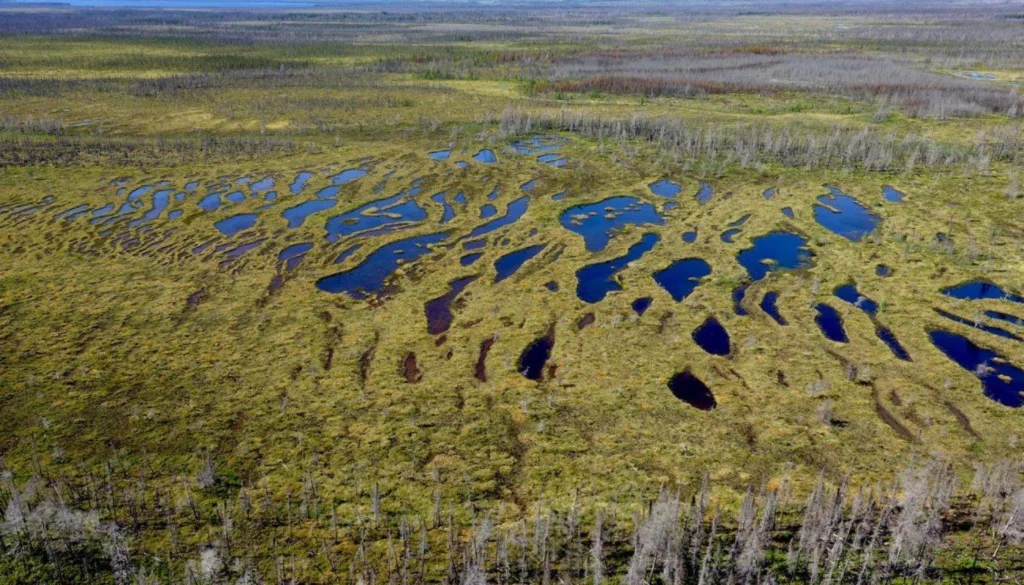
2020 is being described by many as a tipping point: the year that humanity as a species must take concrete and measurable action to prevent catastrophic climate change. But even if we do manage to slow carbon emissions from 2020 onwards, how would the planet deal with all the carbon dioxide we have produced so …[Read More]

Imaggeo on Mondays: When boulders hitch a ride from glaciers

Imaggeo on Mondays: When boulders hitch a ride from glaciers

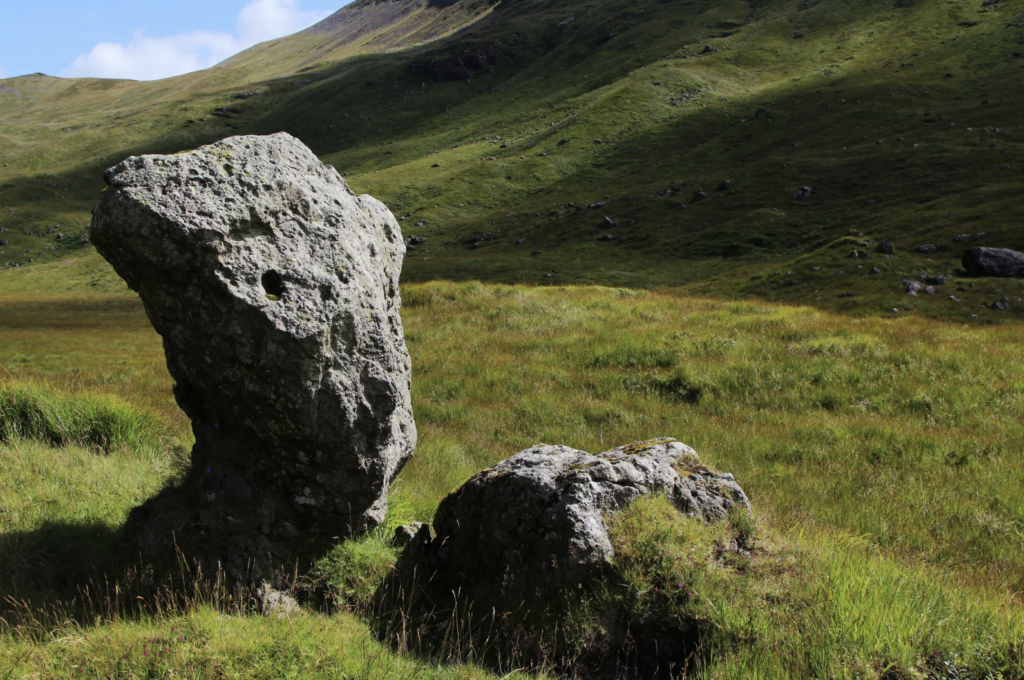
Glen More, on the Isle of Mull, Scotland, is a classic locality for studying glacial landforms and sediments. Here, two prominent ice-transported boulders stand guard at the head of the valley, left behind after the Loch Lomond Readvance (Younger Dryas stade), the final pulse of Quaternary glaciation in Scotland. Behind them in the characteristic U-shaped …[Read More]

Imaggeo on Mondays: The best of imaggeo in 2019

Imaggeo on Mondays: The best of imaggeo in 2019

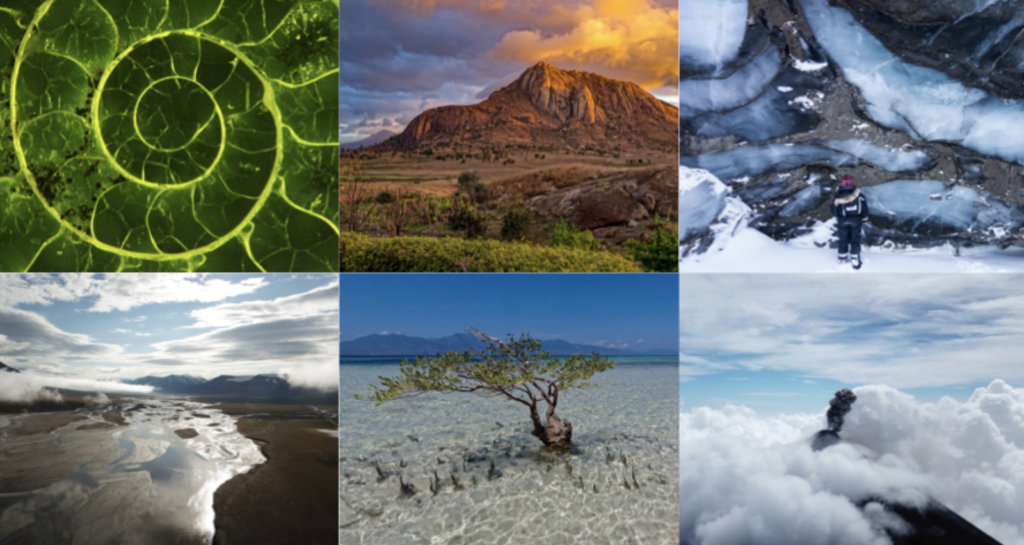
Imaggeo, our open access image repository, is packed with beautiful images showcasing the best of the Earth, space and planetary sciences. Throughout the year we use the photographs submitted to the repository to illustrate our social media and blog posts. For the past few years we’ve celebrated the end of the year by rounding-up some …[Read More]

Imaggeo on Mondays: Happy holidays!

Imaggeo on Mondays: Happy holidays!

The EGU wishes all our readers happy holidays and very warm wishes for the new year. And for a chance to be featured on GeoLog throughout the new year, don’t forget to submit your field and lab based photographs and other visuals to Imaggeo: our open access image repository. All geoscientists (and others) can submit their photos …[Read More]

Imaggeo on Mondays: Rain on the Namib Desert

Imaggeo on Mondays: Rain on the Namib Desert

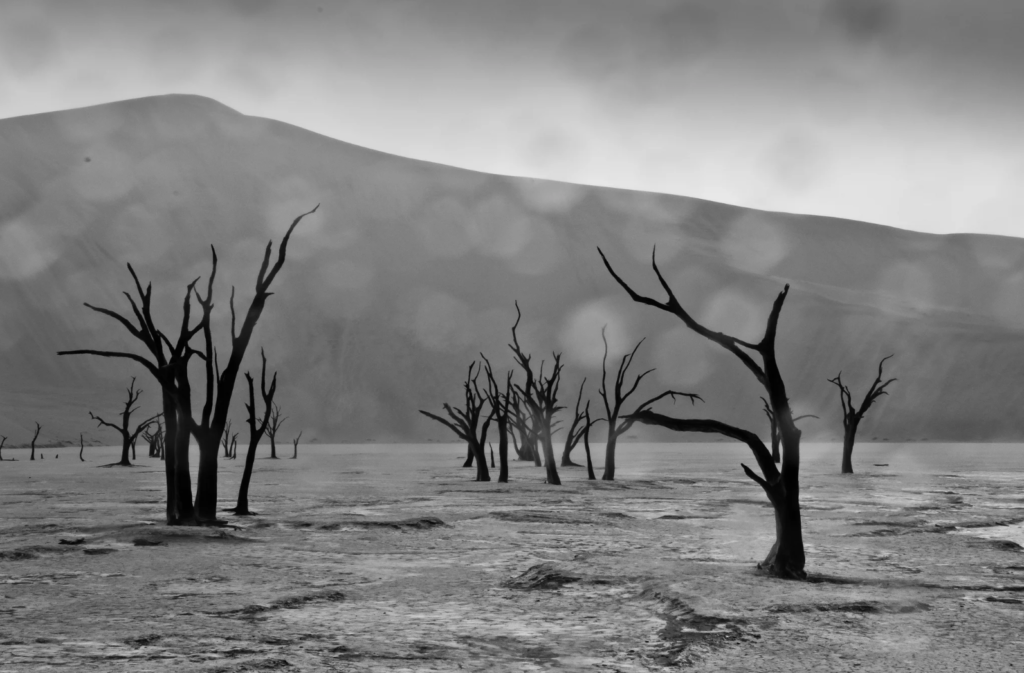
Pictured here is the arid Namib Desert on a not-so-arid day. The desert is known for its extremely dry conditions and abundance of sunshine, but this photo, taken by Christoph Schmidt, chair of geomorphology at the University of Bayreuth in Germany, gives us a rare glimpse of a rainy day. The Namib Desert spans about …[Read More]

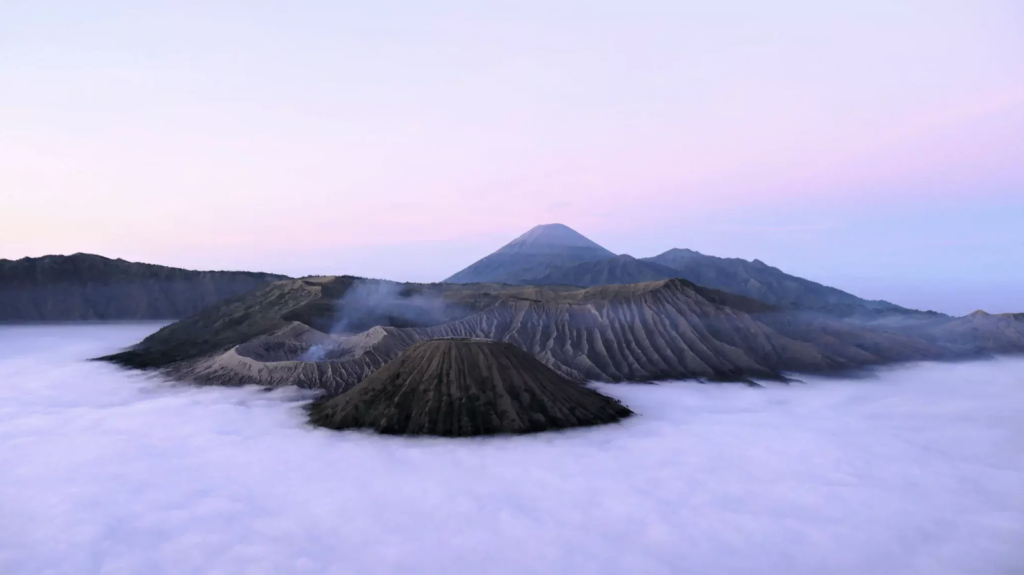
Imaggeo on Mondays: Mount Bromo – volcanic deity

Imaggeo on Mondays: Mount Bromo – volcanic deity

Featured in this photo, rising out from a sea of violet fog at dawn, is one of Indonesia’s most iconic volcanoes, Mount Bromo. The mountain is a large volcanic crater, also known as a caldera, which formed when an ancient cone volcano collapsed in the late Pleistocene and early Holocene epochs, between 126,000 and 8,300 …[Read More]

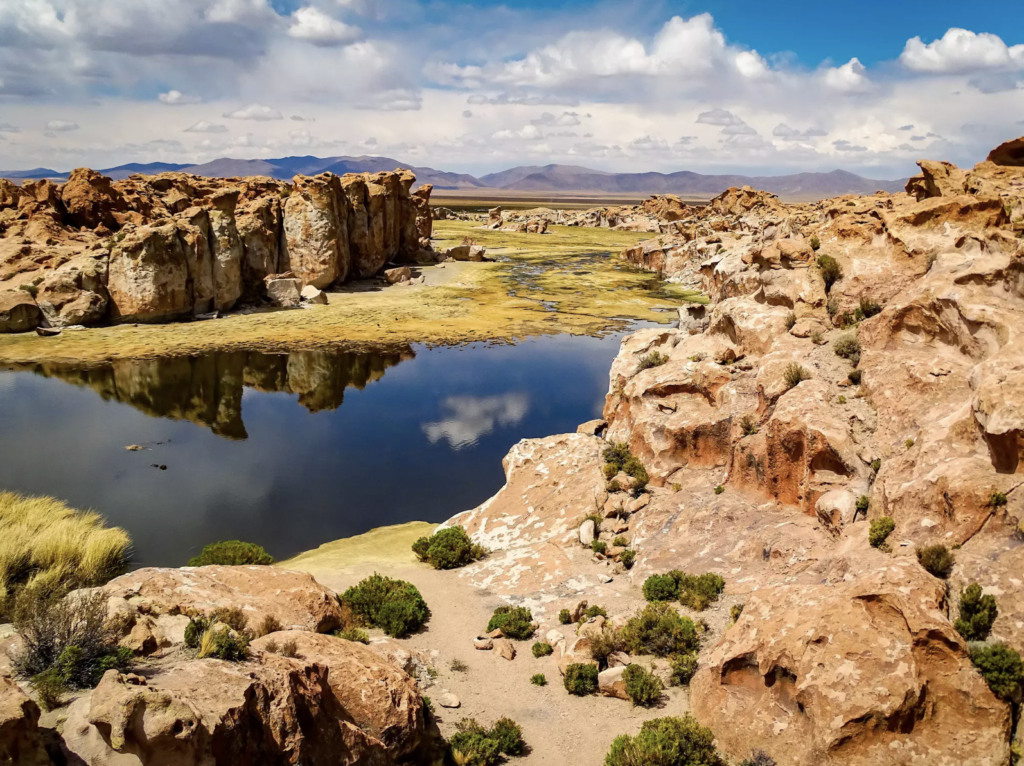
Imaggeo on Mondays: Journey to Bolivia’s Laguna Negra

Imaggeo on Mondays: Journey to Bolivia’s Laguna Negra

This week’s featured photo showcases one of the most geologically diverse landscapes of South America: the Altiplano, the high plateau of the Andes. This plateau covers roughly 200,000 square kilometres in central South America, stretching from southern Peru to northern Argentina. The high-elevation plain sits between the eastern and western chains of the Central Andes …[Read More]

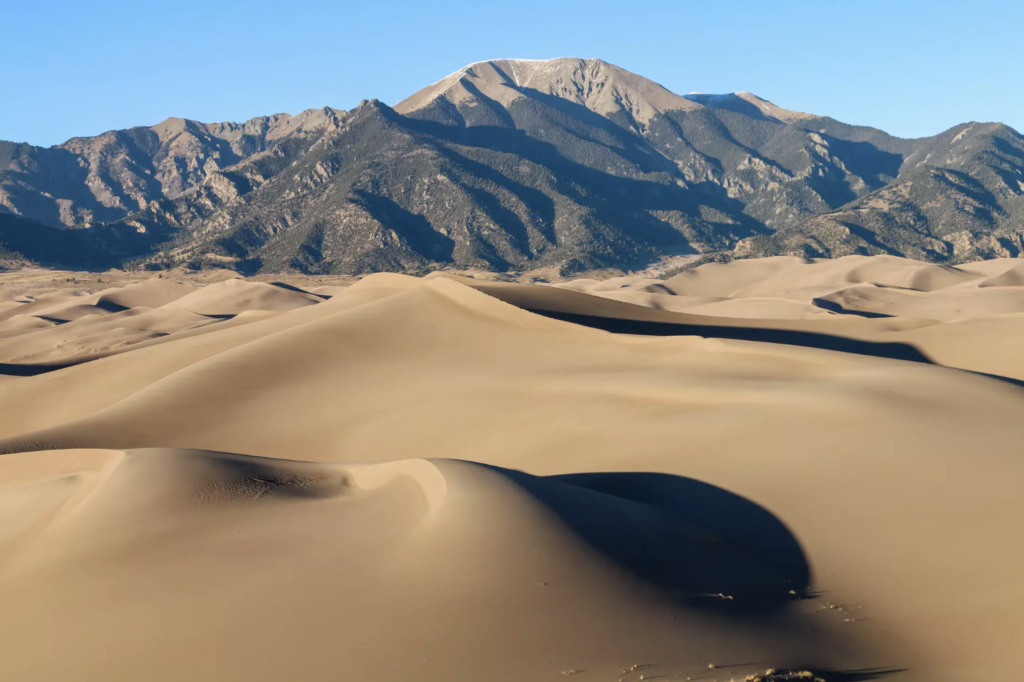
Imaggeo on Mondays: Great sand dunes and beyond

Imaggeo on Mondays: Great sand dunes and beyond

Driving eastwards through the San Luis Valley in south central Colorado, United States, the Great Sand Dunes emerge at the foot of the Sangre de Cristo Range in the northeast of the region’s upland plain. The origin story of these great dunes begins during a time of glacial melt, five to three million years ago, …[Read More]