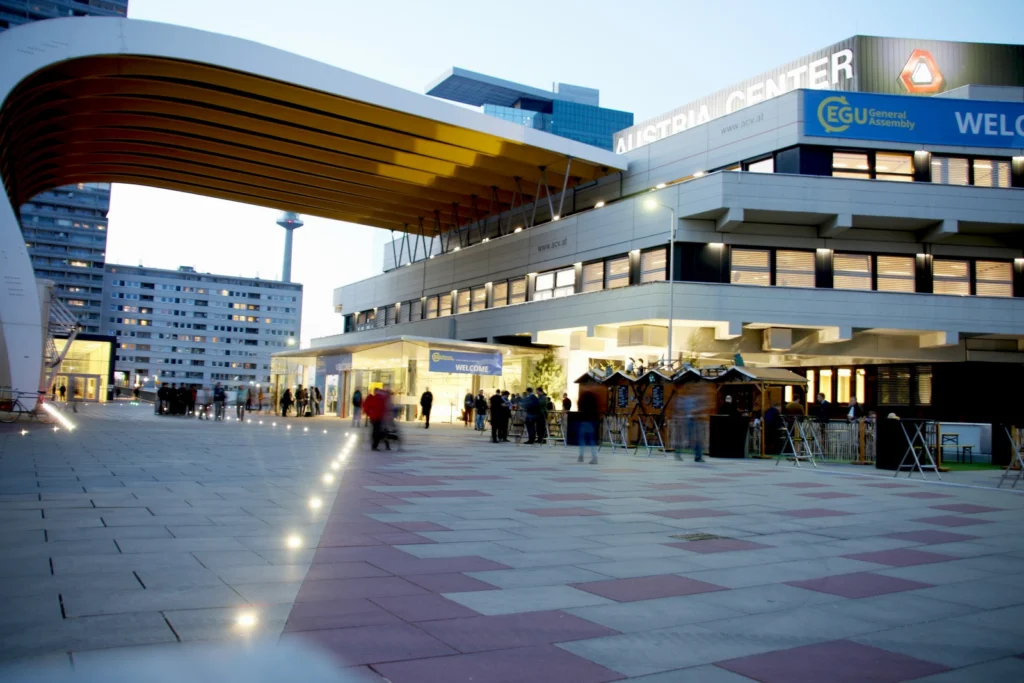
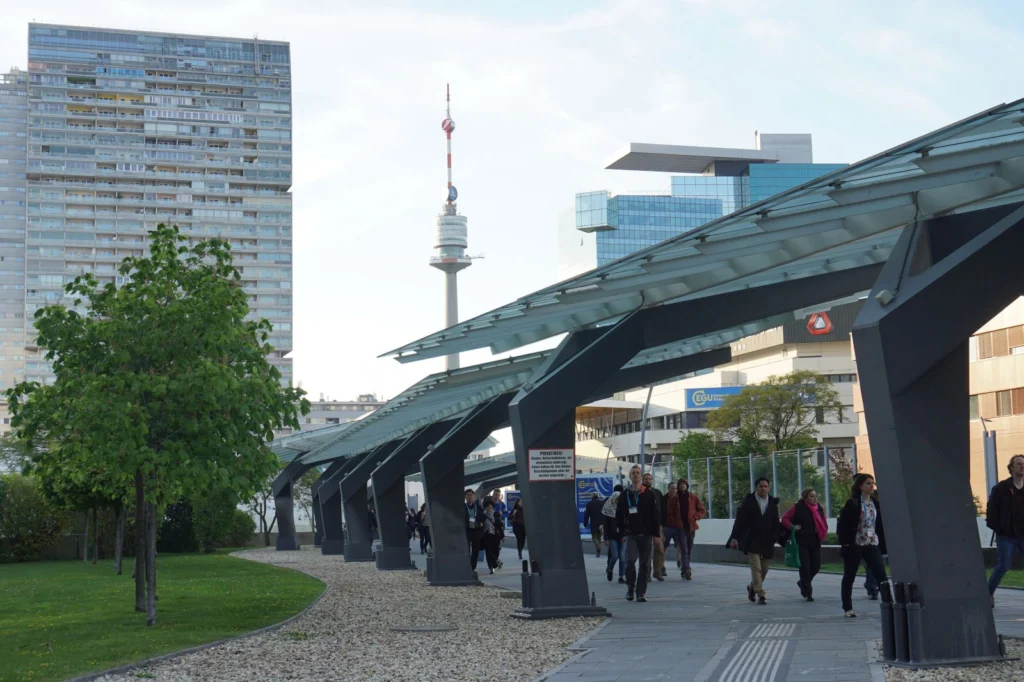
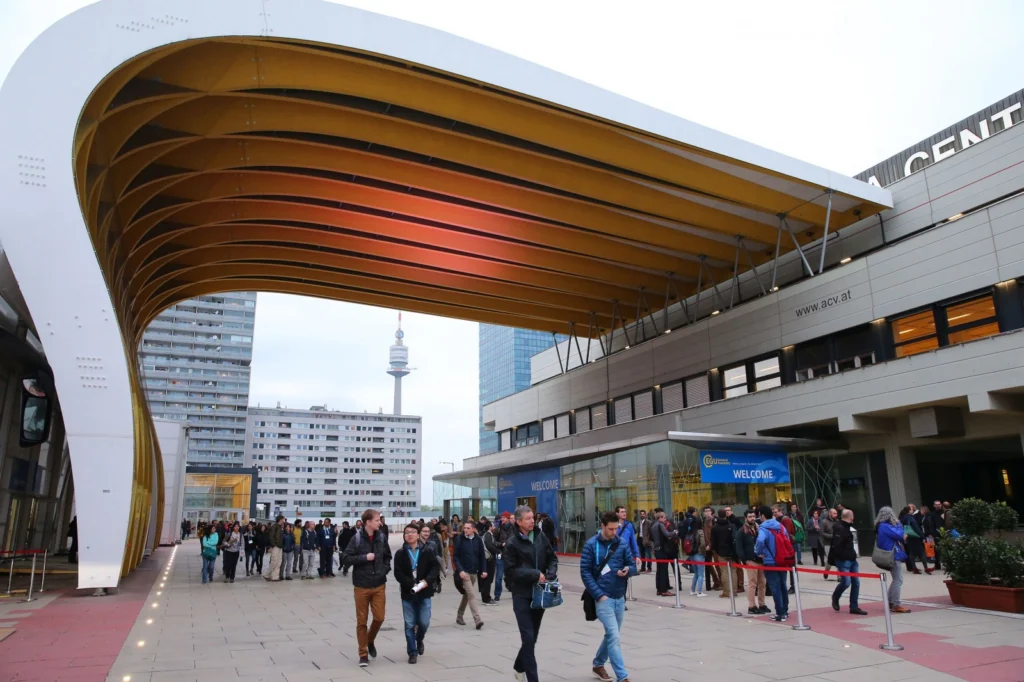
Scientific research in a changing European Union The 2018 EGU General Assembly was a huge success. Not only was it the biggest yet (with over 15,000 participants) but it also held a large variety of Short Courses, Townhalls and Union Symposia that gave the scientists attending a chance to step out of their comfort zone and learn about something other than their area of expertise. One example of su ...[Read More]
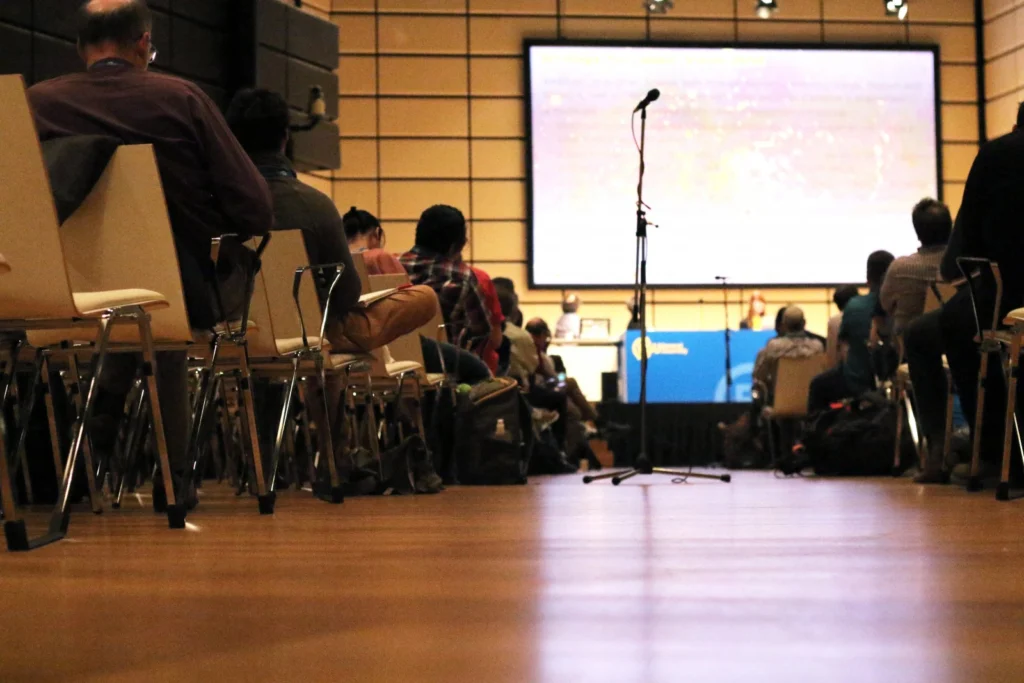
EGU GA 2018
A flood of attention: extreme weather and digital media
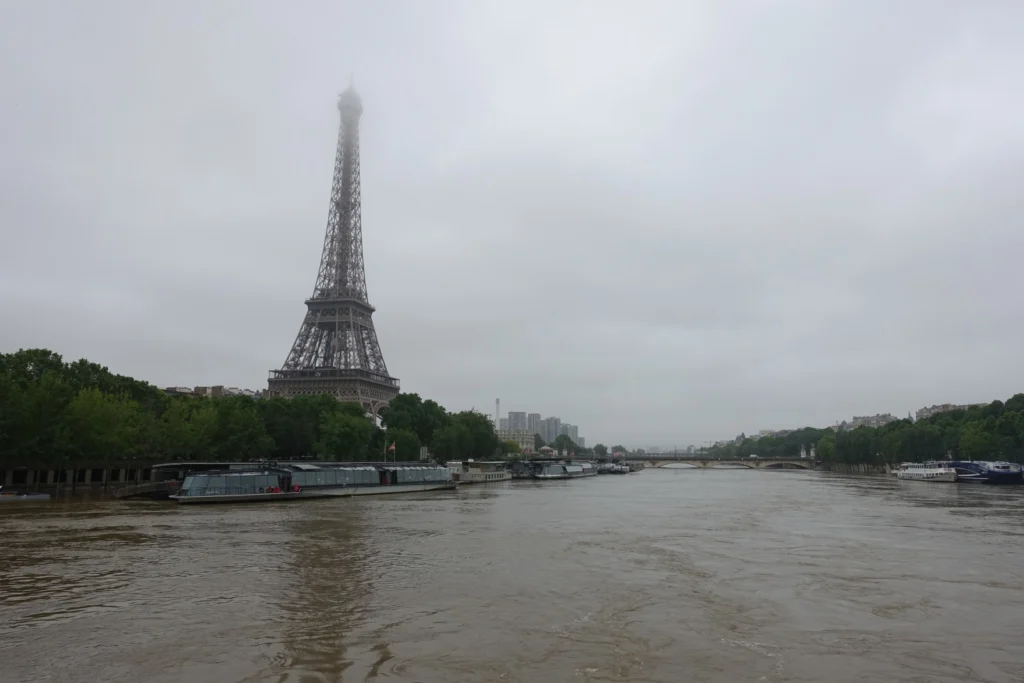
In June 2016, Paris was transformed. The River Seine burst its banks, submerging some of the nearby roads; floodwater lapped at the tops of street lamps and traffic lights. The event marked the the worst flooding in Paris for more than 30 years. When a flood event hits a major city, numerous researchers are keen to collect data for their work. However, Rosa Vicari, a PhD student at the the École d ...[Read More]
General Assembly 2018 – Highlights
It’s been about two weeks since the EGU General Assembly 2018 in Vienna. The conference this year was a great success with 4,776 oral, 11,128 poster, and 1,419 PICO presentations. There were 666 unique scientific sessions, complimented by 68 short courses and 294 side events, making for an interesting and diverse programme. The conference brought together 15,075 scientists from 106 countries, 53% ...[Read More]
Underwater robot shares ocean secrets
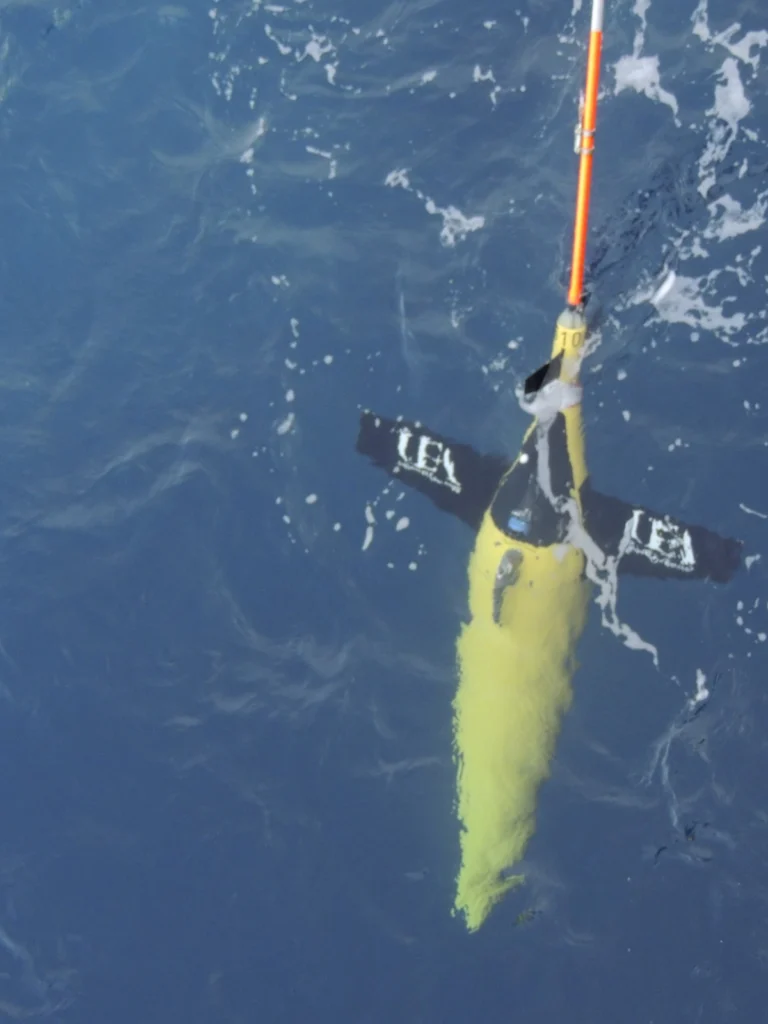
Buoyancy-driven drones are helping scientists paint a picture of the ocean with sound. Around the world, silent marine robots are eavesdropping on the ocean and its inhabitants. The robots can travel 1000 metres beneath the surface and cover thousands of kilometres in a single trip, listening in on the ocean as they go. These bright yellow bots, known as Seagliders, are about the size of a diver, ...[Read More]
What’s on in Vienna this weekend
The General Assembly has come to an end, with only a few hours left to go. Many of the participants will make their way home over the weekend, but if you’ve chosen to stay on for a little longer, then this list of cultural activities and things to do in Vienna might just be the ticket! Relax with Vienna’s best coffee You can’t visit Vienna without going for a coffee and a slice of Sacher torte in ...[Read More]
Announcing the winners of the EGU Photo Competition 2018!
The selection committee received over 600 photos for this year’s EGU Photo Contest, covering fields across the geosciences. Participants at the 2018 General Assembly have been voting for their favourites throughout the week of the conference and there are three clear winners. Congratulations to 2018’s fantastic photographers! ‘Foehn clouds in Patagonia,’ by Christoph Mayr (dist ...[Read More]
Shaking in the city
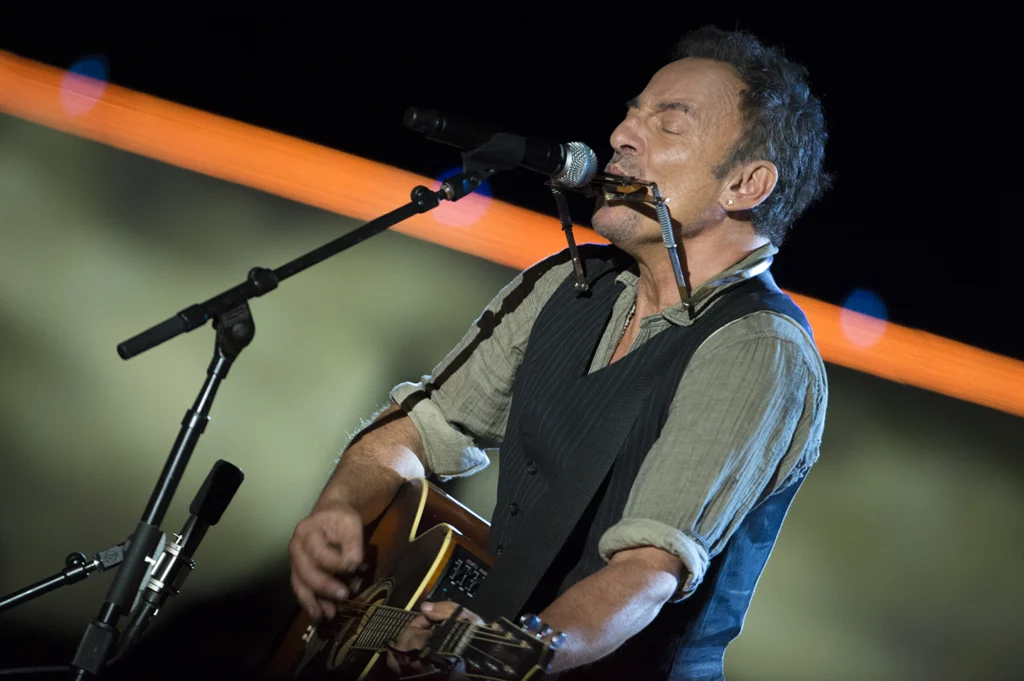
Bruce Springsteen was playing at Barcelona’s football stadium on 14th May 2016. 65,000 people were there to hear him as he launched into an encore including “Born in the USA”, “Dancing in the Dark” and “Shout”. But unknown to Springsteen, just 500 metres away, in the basement of the Institute of Earth Sciences Jaume Almera (ICTJA), Jorde Díaz and his colleagues were also listening in via their bro ...[Read More]
At the Assembly 2018: Friday highlights
The conference is coming to a close and there’s still an abundance of great sessions to attend! Here’s our guide to getting the most out of the conference on its final day. Boost this information with features from EGU Today, the daily newsletter of the General Assembly – pick up a paper copy at the ACV entrance or download it here. Union Sessions The final day of the conference kicks off with the ...[Read More]
At the Assembly 2018: Thursday Highlights
Welcome to the fourth day of General Assembly excitement! Once again the day is packed with great events for you to attend and here are just some of the sessions on offer. You can find out more about what’s on in EGU Today, the daily newsletter of the General Assembly – grab a copy on your way in or download it here. Union-wide sessions The Union-wide session of the day focuses on the Cassini miss ...[Read More]
How to make a planet habitable
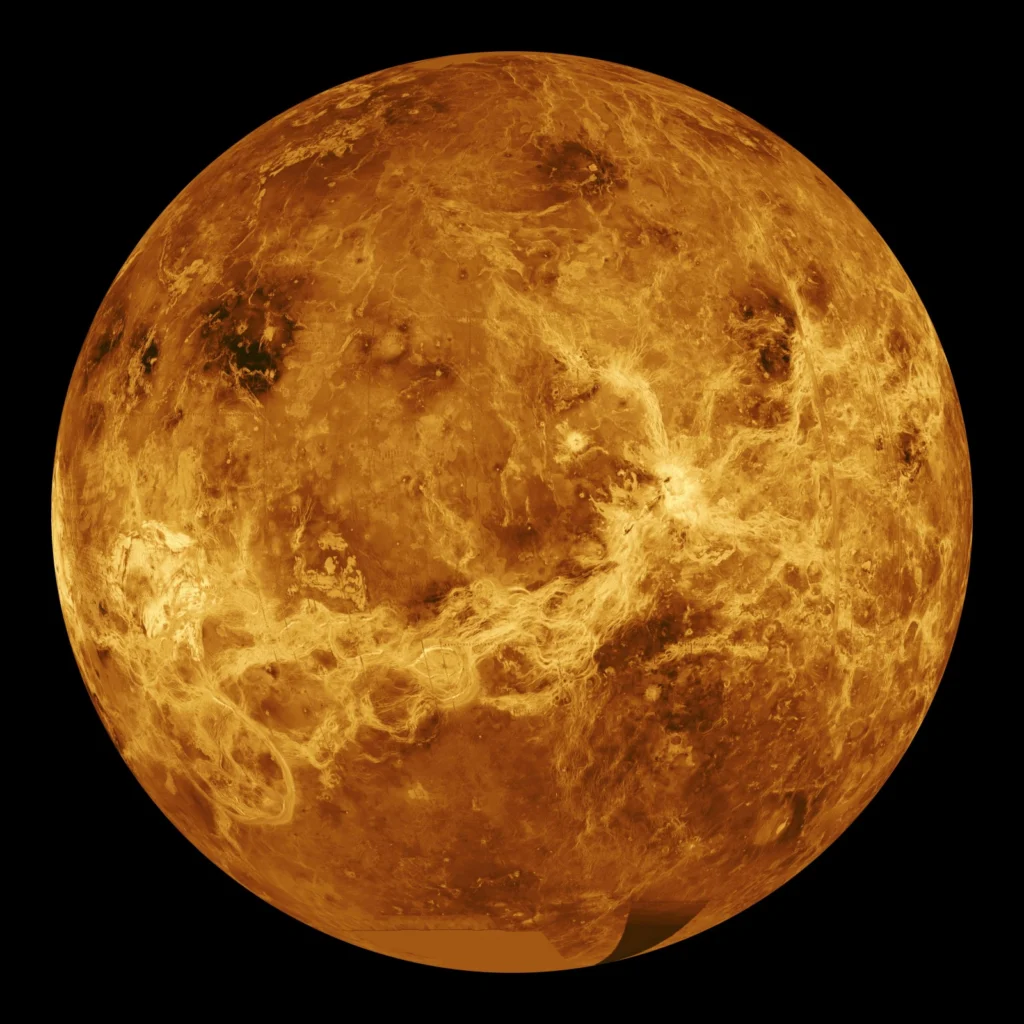
Exoplanets without plate tectonics could harbour life, contrary to previous belief For a planet to be habitable, it needs a stable climate. On Earth, the movement of tectonic plates ensures old crust is recycled and new crust is created and weathered. This cycling of rock consequently overturns the planet’s carbon, which keeps the climate in check. While we have plate tectonics on Earth, many othe ...[Read More]