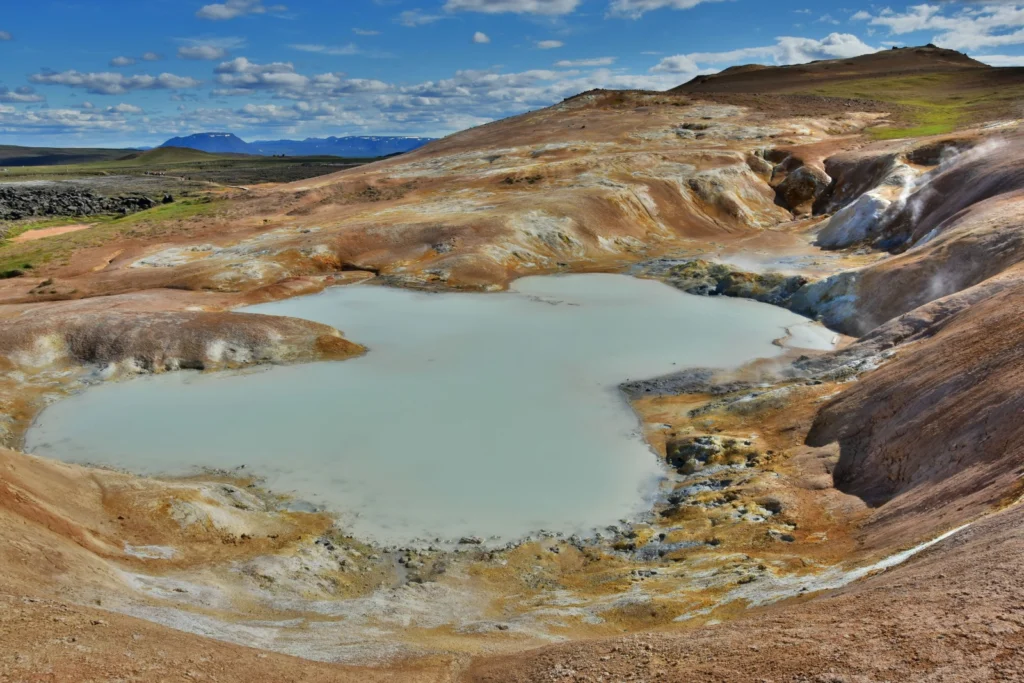
Iceland, the land of ice and fire, is well known for its volcanicity. Most famously, it is home to Eyjafjallajökull: the volcano which caused wide spread mayhem across European airspace when it erupted in 2010. But not all the local volcanic activity is unwelcome. High temperature geothermal areas are a byproduct of the volcanic setting and the energy released can be used to power homes and infras ...[Read More]
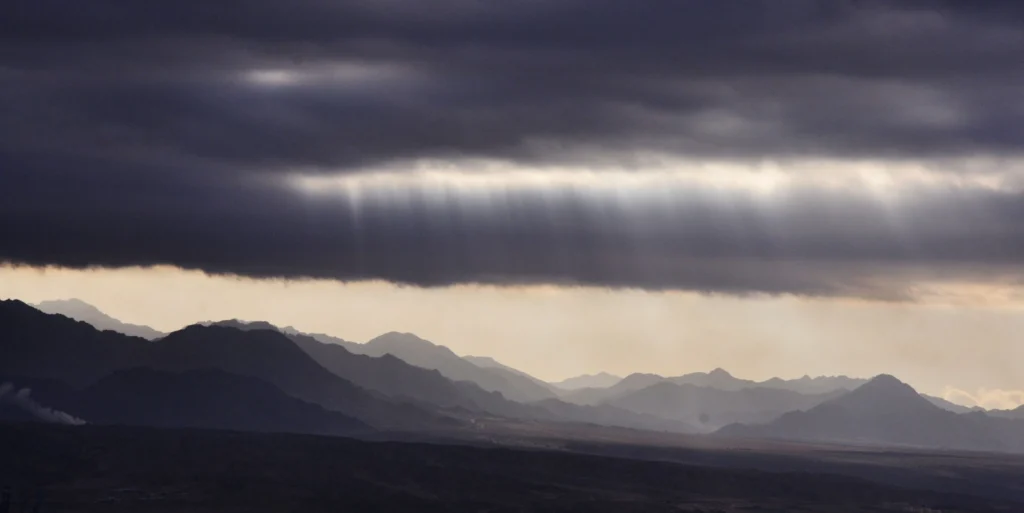
Imaggeo on Mondays: a storm is coming
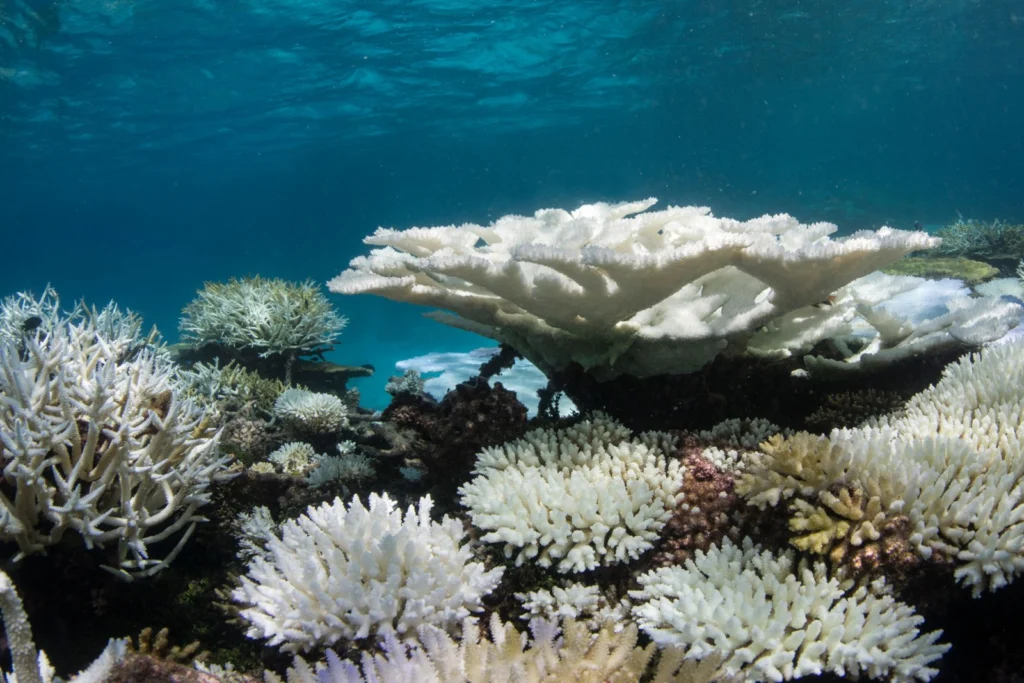
Coastlines globally are immensely diverse: from the beautifully topical and sun kissed beaches of the Caribbean, to the wet and misty British coastline, through to the raw and wild Alaskan shores, they are home to scores of flora and fauna; rich habitats shaped by powerful forces of nature. In stark contrast, some coastlines, (28,000 km worldwide to be precise) are dry almost barren places, where ...[Read More]
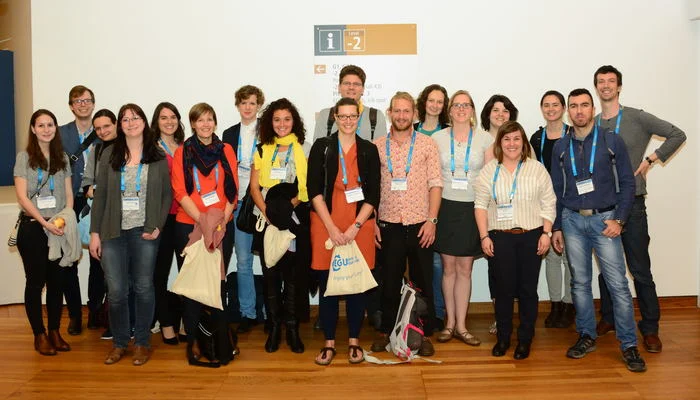
Get involved: become an early career scientist representative
Early career scientists (ECS) make up a significant proportion of the EGU membership and it’s important to us that your voices get heard. To make sure that happens, each division appoints an early career scientists representative: the vital link between the Union and the ECS membership. After tenure of two or four years, a few of the current ECS Representatives are stepping down from their post at ...[Read More]
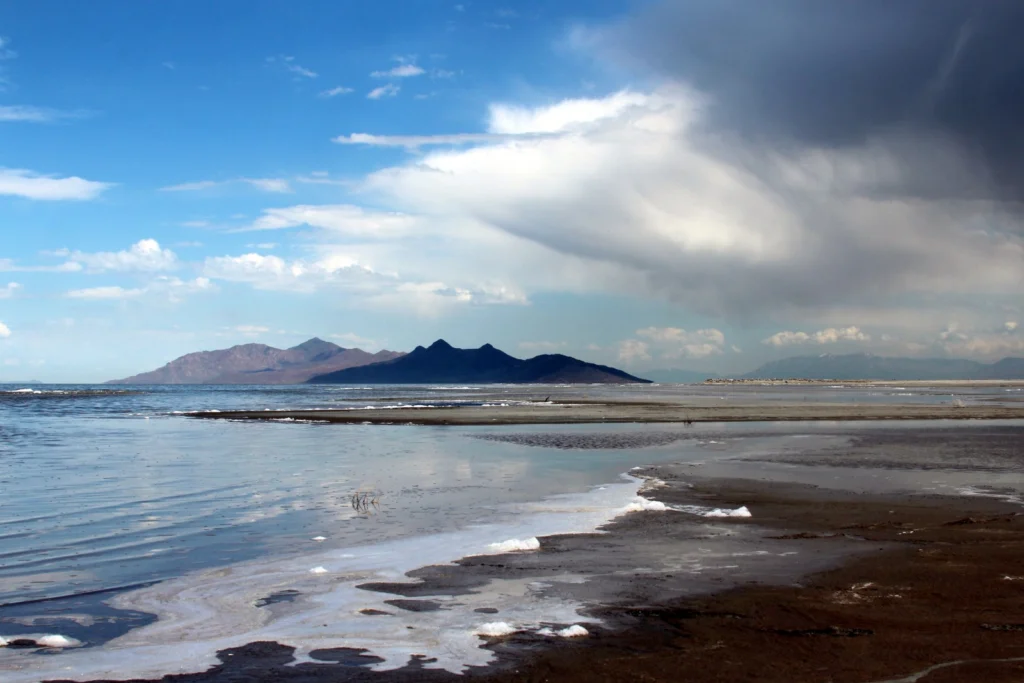
Imaggeo on Mondays: America’s dead sea
On the blog today, Jennifer Ziesch, a researcher at the Leibniz Institute for Applied Geophysics, takes us on a tour of the Great Salt Lake, located in the north of Salt Lake City (Utah). Did you know it is one of the largest salt water lakes in the world? The large salt lake and Salt Lake City, named after the lake, lie on a flat plain about 1300 m above sea level. The salt lake is bordered to th ...[Read More]
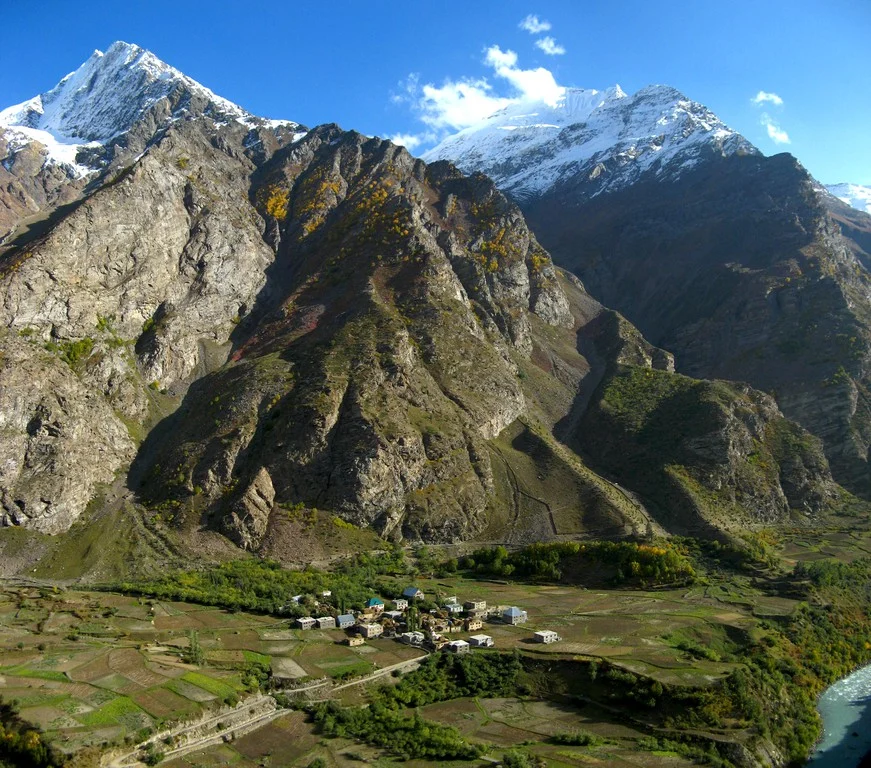
Imaggeo on Mondays: Deep in the Himalayas
The Himalayas: vast, formidable and home to the Earth’s highest peaks. The mountain range stretches inexorably through Indian, Bhutan, Nepal, China (Tibet) and Pakistan separating the Tibetan Plateau to the north from India’s alluvial plains to the south. India, as we know it today, started life much further south, as an island not far off the coast of Australia. It was separated from ...[Read More]
Geosciences Column: Africa’s vulnerability to climate change
Ravaged by armed conflicts, a deep struggle with poverty, poor governance and horizontal inequality, some parts of Africa and other Global South regions are arguably the most vulnerable to the impacts of climate change. Largely reliant on natural resources for sustenance, current and future changes in temperatures, precipitation and the intensity of some natural hazards threaten the food security, ...[Read More]
Imaggeo on Mondays: Life on bare lava
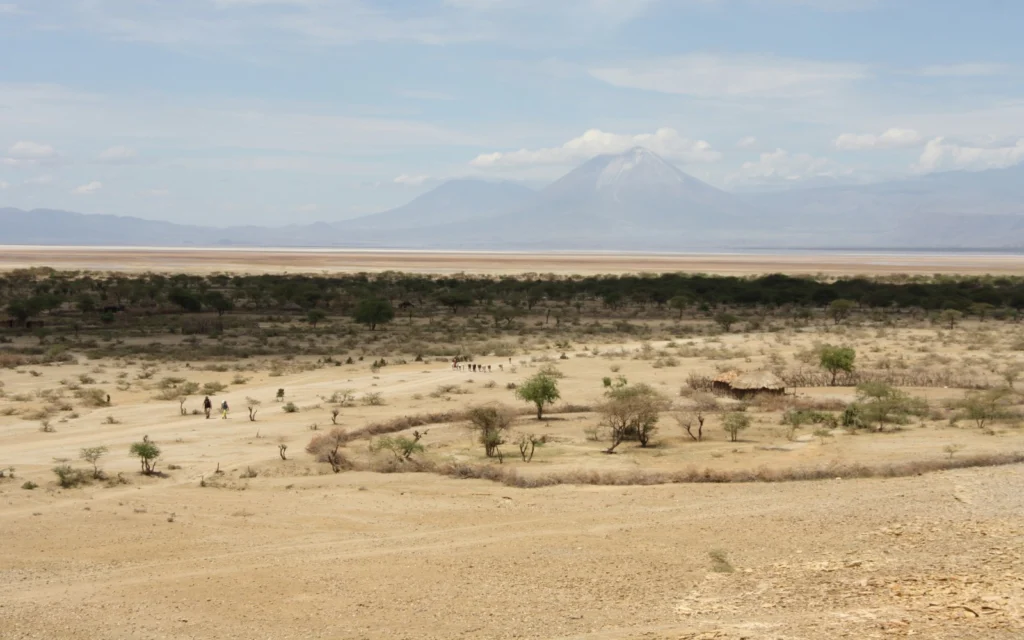
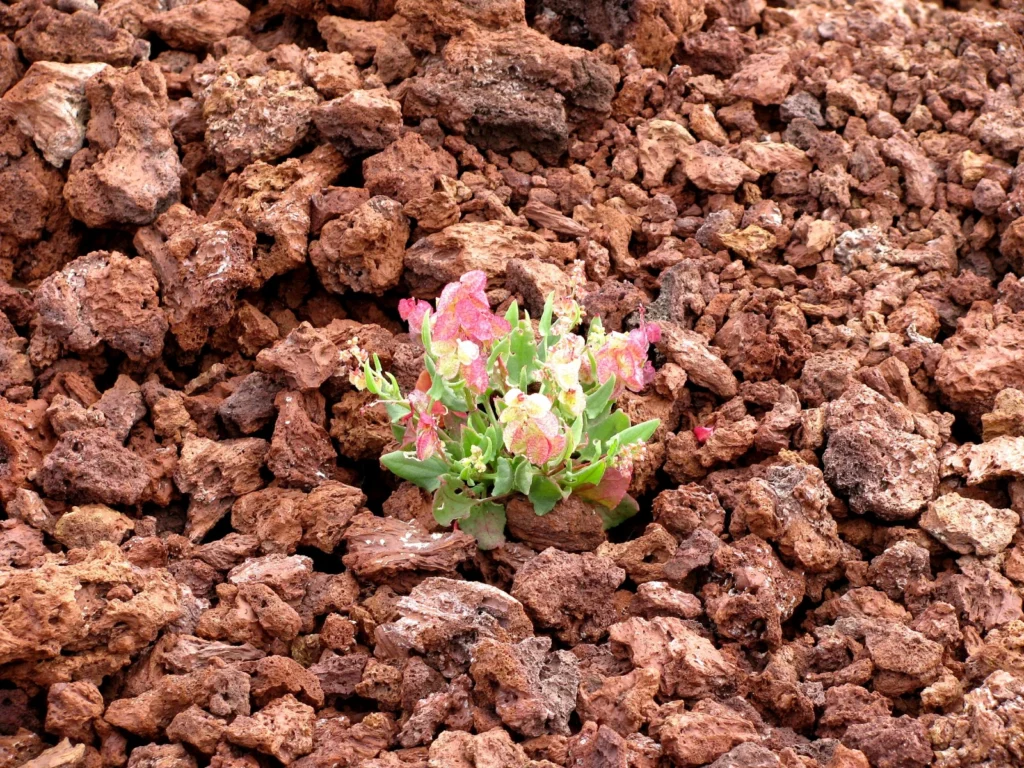
There are plenty of hostile habitats across the globe but some flora and fauna species are resourceful enough to adapt and make extreme environments their home. From heat-loving ants of the Sahara to microbes living in the light-deprived ocean depths, through to beatles who brave the bitterly cold Alaskan winter, there are numerous examples of plants, animals and bugs who strive in environments of ...[Read More]
January GeoRoundup: the best of the Earth sciences from across the web
The start of the new year sees the launch of a new series here on GeoLog. Drawing inspiration from popular stories on our social media channels, as well as unique and quirky research news, this monthly column aims to bring you the best of the Earth and planetary sciences from around the web. Major stories One of the biggest stories of this month was the anticipated release of the average global su ...[Read More]
Imaggeo on Mondays: littoral rainforests
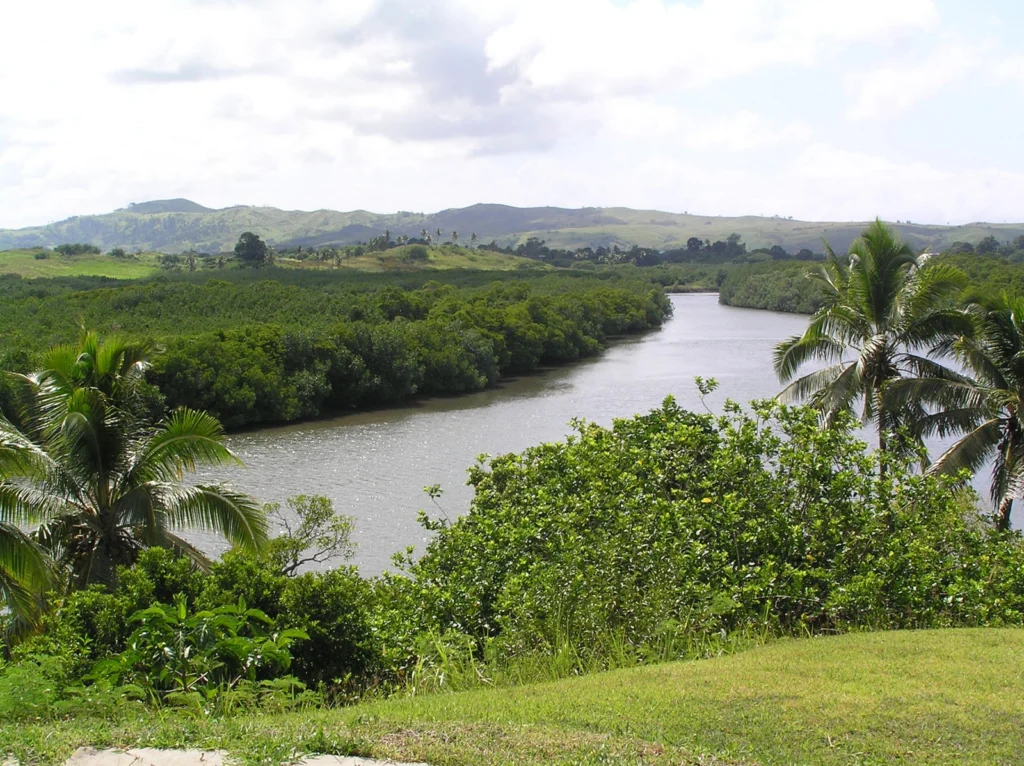
Making room for growing populations, and the resources they demand, comes at the cost of precious natural environments. Rainforests, globally, are under threat from farming, logging and ever expanding cities. It is reported that if current rates of exploitation continue, the world’s rainforests could be lost within the next century. Like almost anything else, rainforests come in all shapes a ...[Read More]
Announcing the winner of the EGU Best Blog Post of 2016 Competition
There is no doubt that 2016 was packed full of exciting, insightful and informative blog posts. An impressive 360 posts were published across the EGU’s official blog, GeoLog, as well as the network and division blogs! In December, to celebrate the excellent display of science writing across the network and division blogs, we launched the EGU Blogs competition. From a list of posts selected by our ...[Read More]