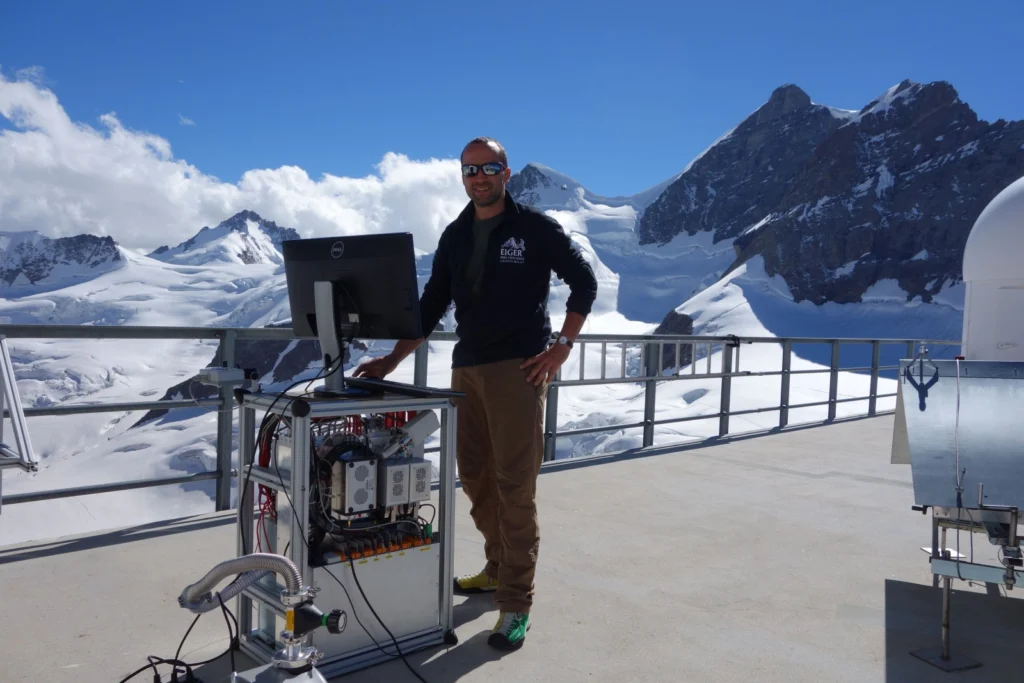
Geotalk is a regular feature highlighting early career researchers and their work. In this interview we speak to Federico Bianchi, a researcher based at University of Helsinki, working on understanding how clouds are born. Federico’s quest to find out has taken him from laboratory experiments at CERN, through to the high peaks of the Alps and to the clean air of the Himalayan mountains. His innova ...[Read More]
Geosciences Column: The dangers of an enigmatic glacier in the Karakoram
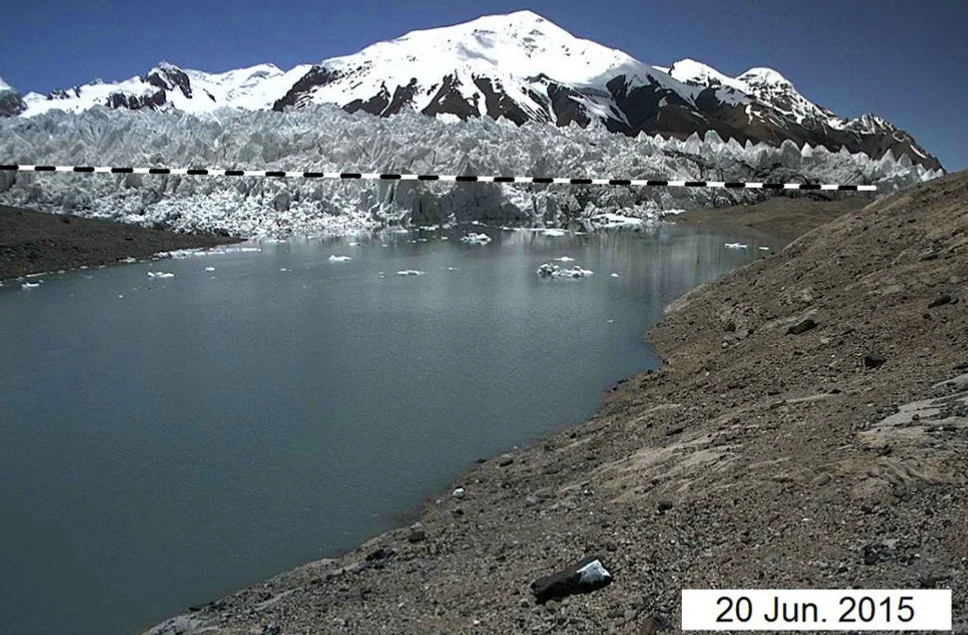
Nestled among the high peaks of the Karakoram, in a difficult to reach region of China, lies Kyagar Glacier. It’s trident-like shape climbs from 4800 to 7000 meters above sea level and is made up of three upper glacier tributaries which converge to form an 8 km long glacier tongue. Until recently, it’s remoteness meant that studying its behaviour relied heavily on the acquisition of data by satel ...[Read More]
Imaggeo On Mondays: Halo
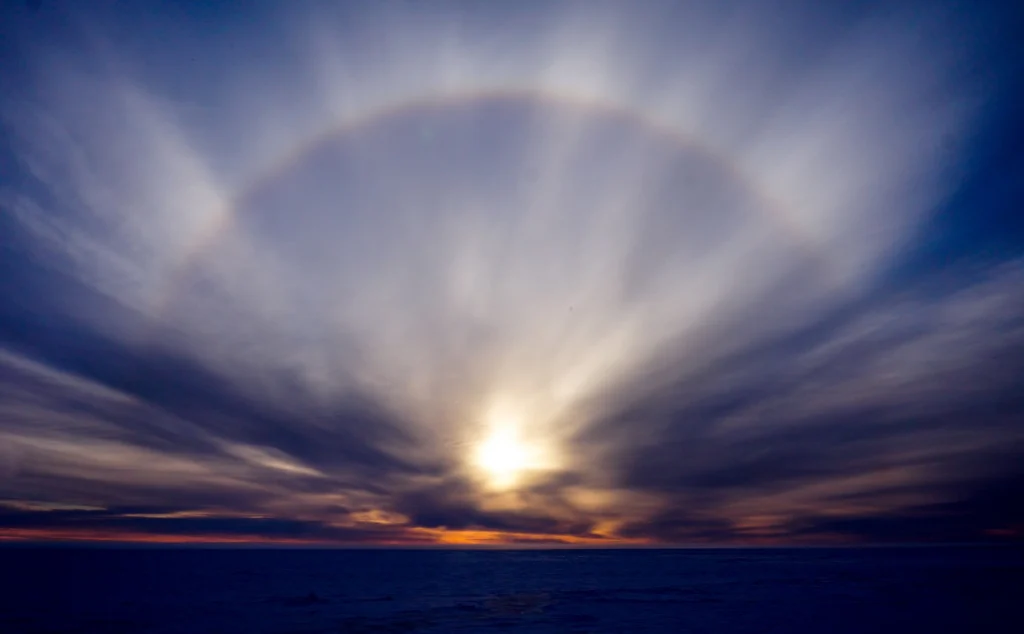
One of the main perks of being a geoscientist is that, often, research takes scientists all around the globe to conduct their work. While fieldwork can be hard and challenging it also offers the opportunity to see stunning landscapes and experiencing unusual phenomenon. Aboard the Akademik Tryoshnikov research vessel, while cruising the Kara Sea (part of the Arctic Ocean north of Siberia) Tatiana ...[Read More]
March GeoRoundUp: the best of the Earth sciences from around the web
Drawing inspiration from popular stories on our social media channels, as well as unique and quirky research news, this monthly column aims to bring you the best of the Earth and planetary sciences from around the web. Major story While the March headlines might not have been dominated by a particular story, the state of the Earth’s climate has definitely been the overarching theme of the month. ...[Read More]
Imaggeo on Mondays: Erosion
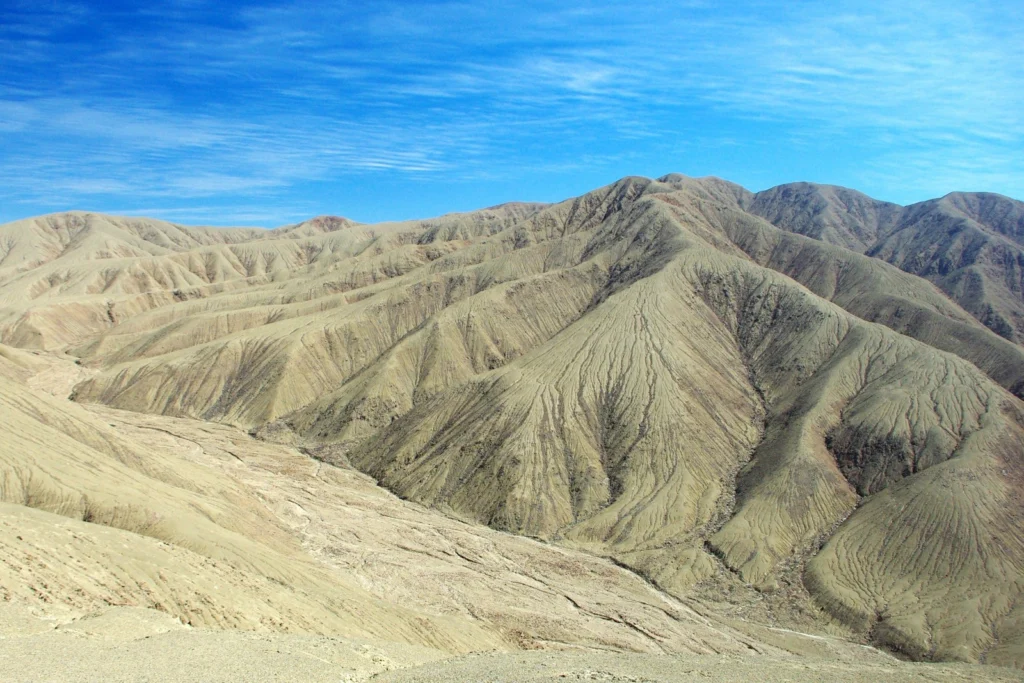
In mountainous regions precipitation – be that in the form of rain, hail or snow, for example – drives erosion, which means it plays an important part in shaping the way the landscape looks. Precipitation can directly wear away at hillsides and creates streams and rivers, which leave their mark on the scenery by cutting and calving their way through it. Take for instance the hills in the arid coas ...[Read More]
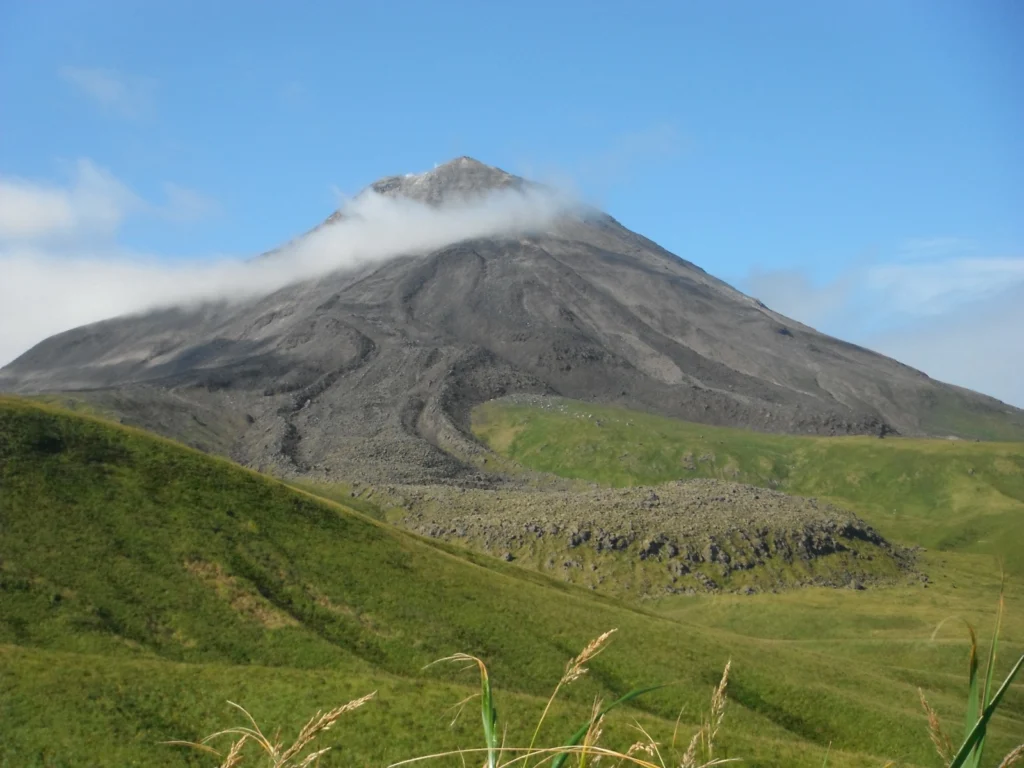
Imaggeo on Mondays: Lava highway in Kanaga Island
On a rare sunny day, Mattia Pistone (a researcher at the Smithsonian Institution in Washington DC) was able to capture this spectacular shot of Kanaga, a stratovolcano in the remote Western Aleutians, which is usually veiled by thick cloud. The Western Aleutians form a chain of 14 large and 55 small volcanic islands, belonging to one of the most extended volcanic archipelagos on Earth (1900 km), s ...[Read More]
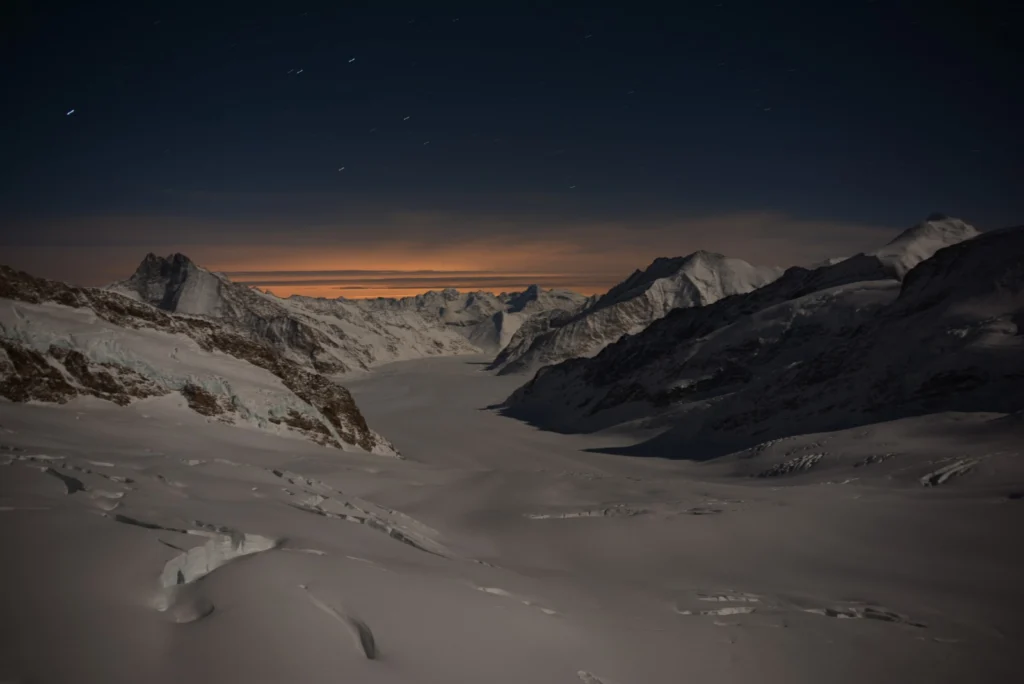
Imaggeo on Mondays: Concord at midnight
The high peaks of the Alps are always awe inspiring, but this midnight shot, captured by Alessandro Lechmann, a PhD student at the Institute of Geological Sciences at the University of Bern, further enhance their fragile beauty. With a warming climate threatening snow availability to even the highest peaks, it has never been more important to appreciate the importance of the glaciers which drape t ...[Read More]
Imaggeo on Mondays: A Fijian paradise
Today’s post is brought to you by Lisa-Marie Shillito, a Lecturer in Landscape Archaeology at Newcastle University. Initially, this photo may seem like any other tropical paradise: lush forests line a meandering river, but there is much more to the forests in the foreground than first meets the eye. Over to Lisa for the details. I first visited Fiji as an undergraduate student, where I undertook m ...[Read More]
Geosciences Column: How El Niño triggered Indonesia corals die-off
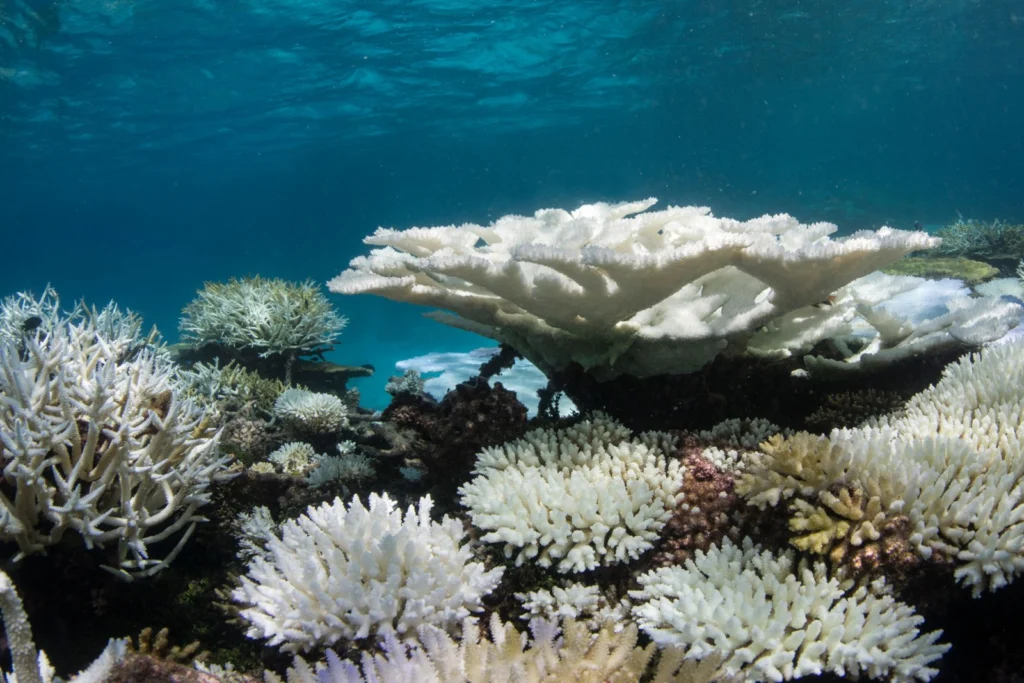
In the glistening waters of Indonesia, shallow corals – the rain forests of the sea – teem with life. Or at least they did once. Towards the end of 2015 the corals started to die, leaving a bleak landscape behind. An international team of researchers investigated the causes of the die-off. Their findings, published recently in the EGU’s open access journal, Biogeosciences, are rather ...[Read More]
February GeoRoundUp: the best of the Earth sciences from around the web
Drawing inspiration from popular stories on our social media channels, as well as unique and quirky research news, this monthly column aims to bring you the best of the Earth and planetary sciences from around the web. Major story Undoubtedly the story of the month is the discovery of a star system of seven Earth-sized planets just 40 light-years away from our own. What makes the finding so excit ...[Read More]