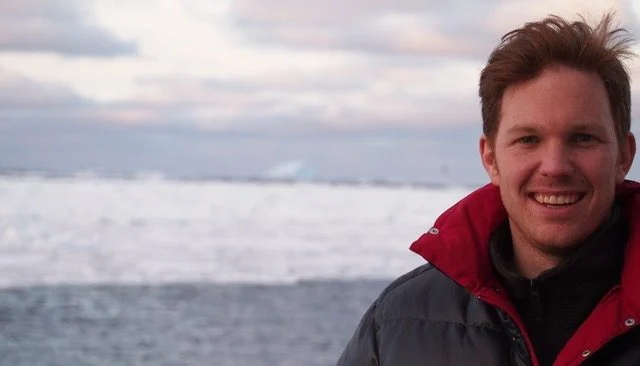
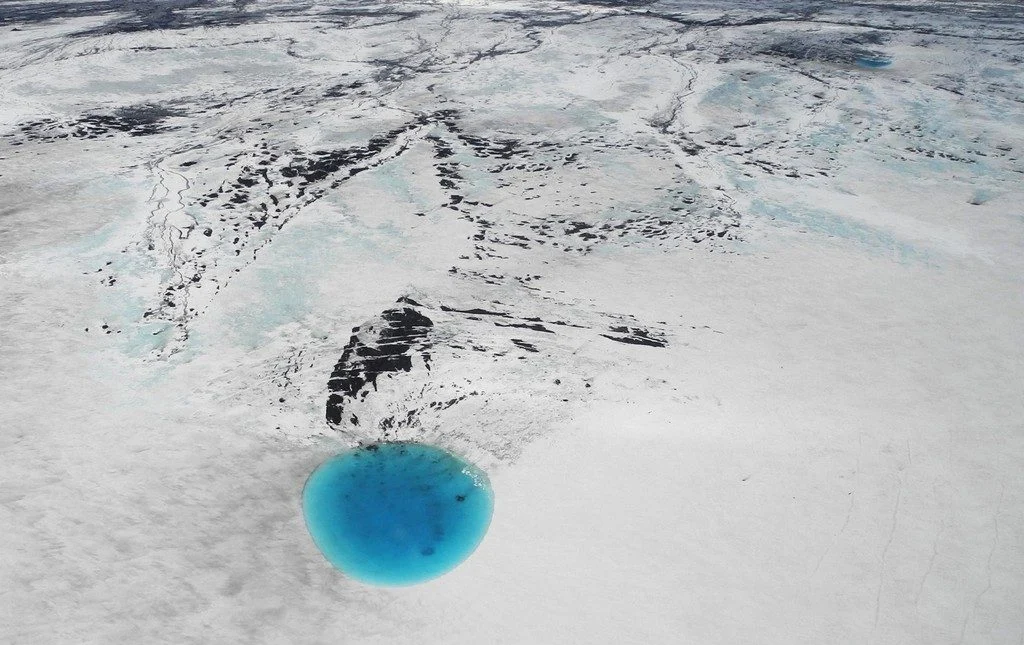
Hi Larissa, thankyou for spending time with us today! To break the ice, could you tell us a little about yourself and your research? Ha, I see what you did there. I’m Larissa, she/her, 29, and a PhD candidate at the Institute of Hydrology and Water Resources Management in Hannover, Germany. I’ve been fascinated by snow and ice since I was little, writing my first ever school report and ...[Read More]
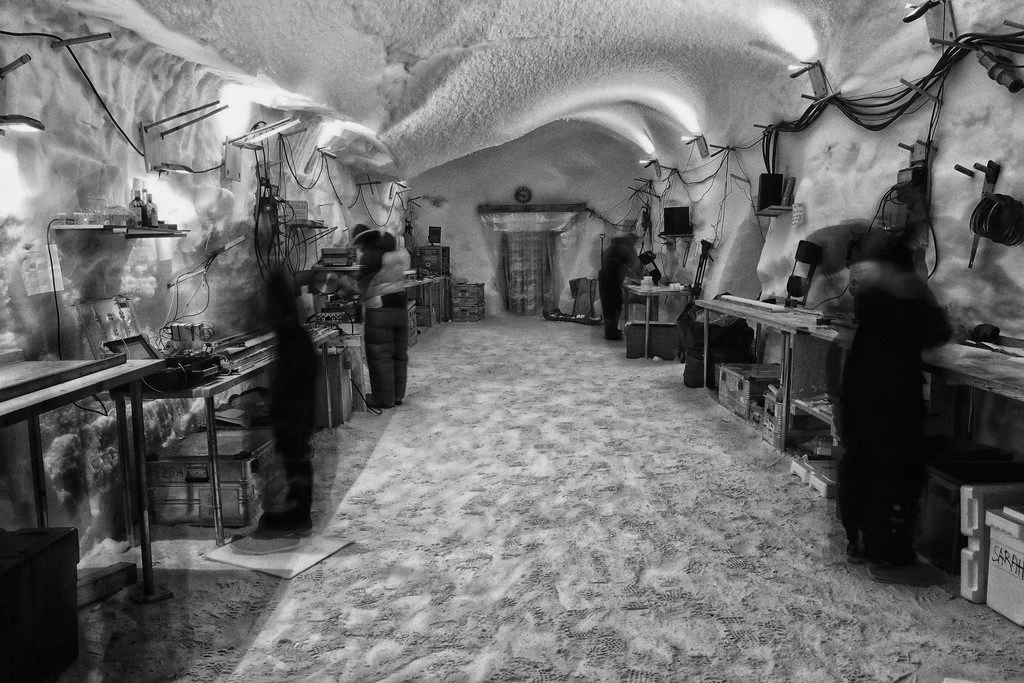
Imaggeo On Monday: Ice caves in high altitude karstic areas
High altitude karstic environments often preserve permanent ice deposits within caves, representing a lesser-known portion of the cryosphere. Despite being not so widespread and easily reachable as mountain glaciers and ice caps, ice-caves preserve a great deal of information about past environmental changes and paleoclimatic evolution. Since one of their main characteristics is to have ground-ice ...[Read More]
Imaggeo On Monday: Chuquicamata copper mine, Chile
Aerial view of the Chuquicamata copper mine in Northern Chile. This is the largest open pit copper mine in the world by volume (at the time of sharing). At this location the copper and molybdenum is extracted from a porphyry deposit that was formed beneath a volcano in the Andean subduction zone. Description by Martyn Unsworth, after the description on imaggeo.egu.eu. Although much o ...[Read More]
Are we equipped to meet the Glasgow Climate Pact?
November 2021 once again put climate change in the spotlight for Europe and the world. Close to 200 countries came together this month for the UN’s annual climate summit, COP26, and after much deliberation, adopted the Glasgow Climate Pact. Some key commitments had countries pledging to limit their emissions by 2030; forming the first-ever alliance targeting fossil fuel extraction; setting u ...[Read More]