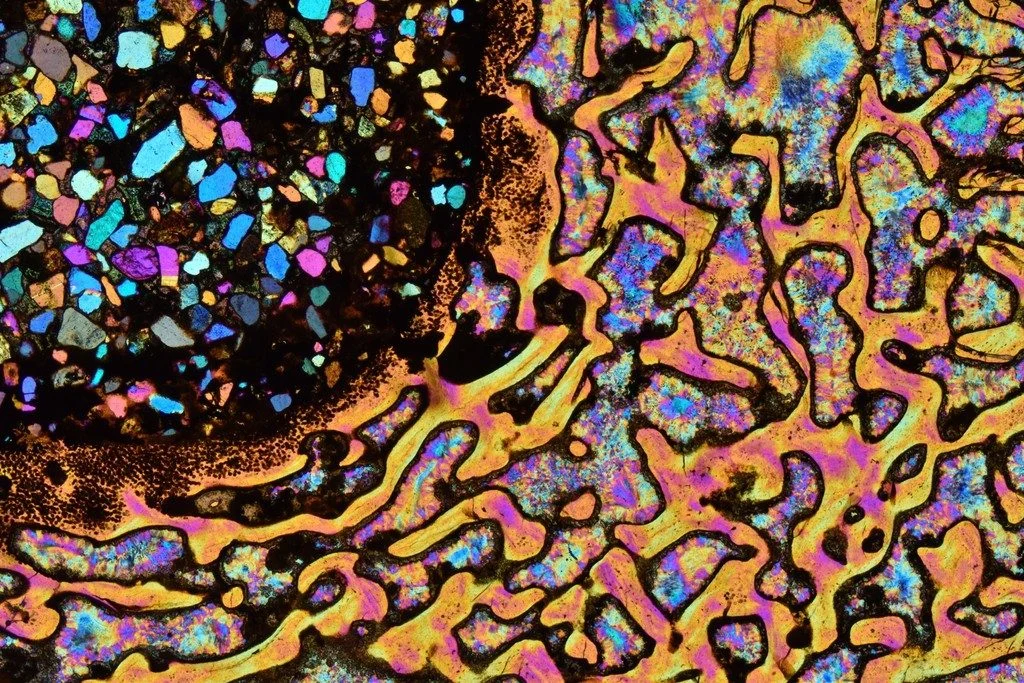
I am a petrographer at the University of Padova, Italy, studying the metamorphic rocks that form the deep Earth’s crust beneath our feet, and what happens when they get so hot to start to melt. I’ve spent (enjoyed I should say) more than 30 years looking at rocks with an optical microscope. This simple, cheap …[Read More]
EGU Scientific Divisions
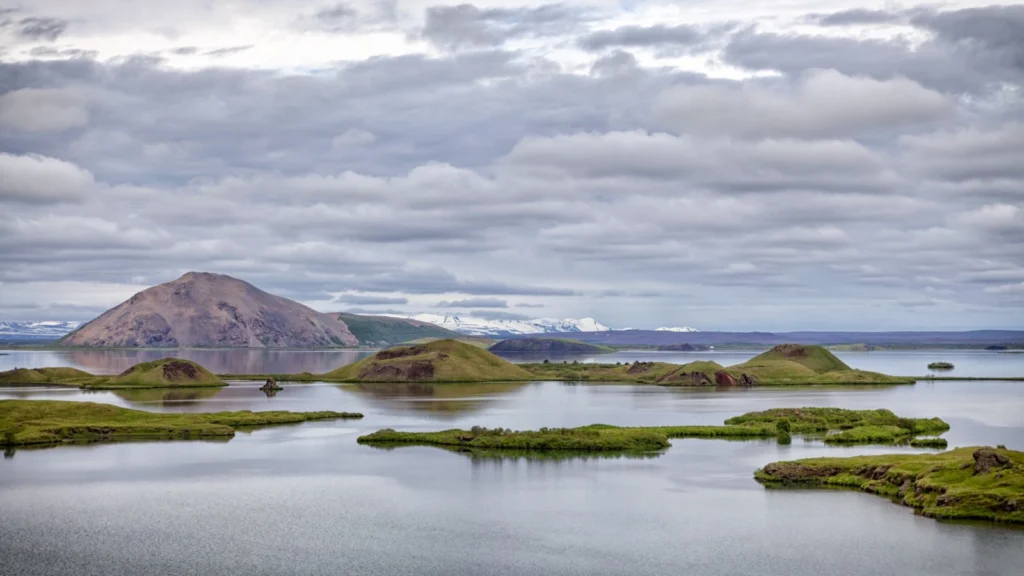
Iceland’s rootless volcanoes
Picture a volcano, like the one you learned about in primary school. Can you see it? Is it a big rocky mountain, perhaps with a bubbling pool of lava at the top? Is it perched above a chasm of subterranean molten rock? I bet you didn’t picture this: You’d be forgiven for mistaking these small …[Read More]
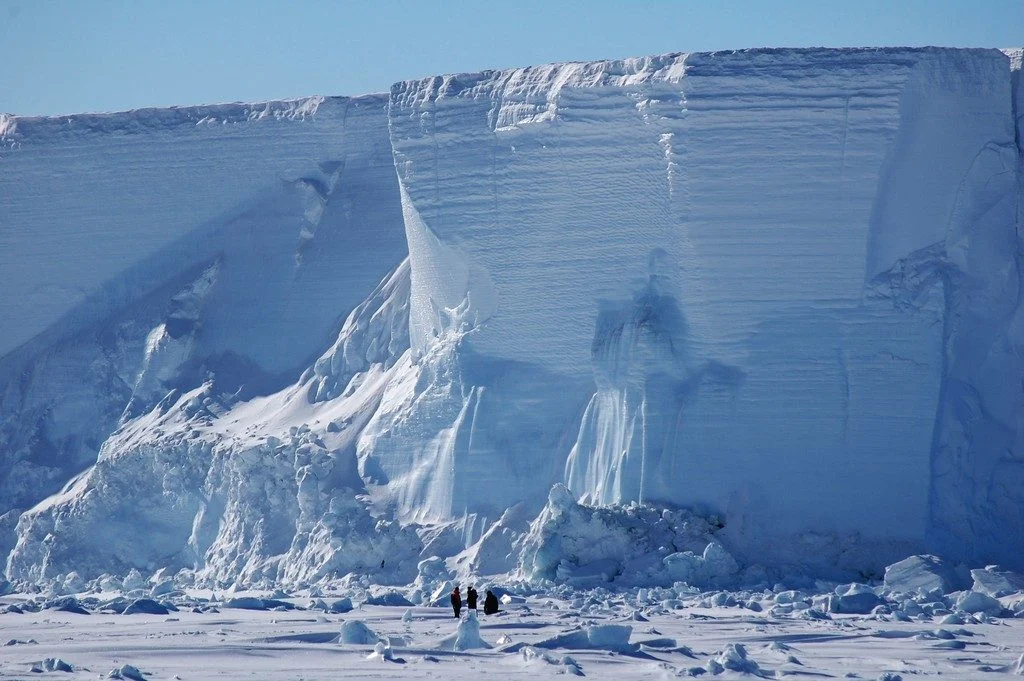
Imaggeo on Mondays: An iceberg-sized issue
This was taken during a study, undertaken by me and my colleagues, on the sea ice of McMurdo Sound, Antarctica. We designed the project to document how supercooled water carrying suspended ice crystals flows along its pathway towards the open ocean. Ultimately, this work aims to assess the Ross Ice Shelf’s contribution of local melt …[Read More]
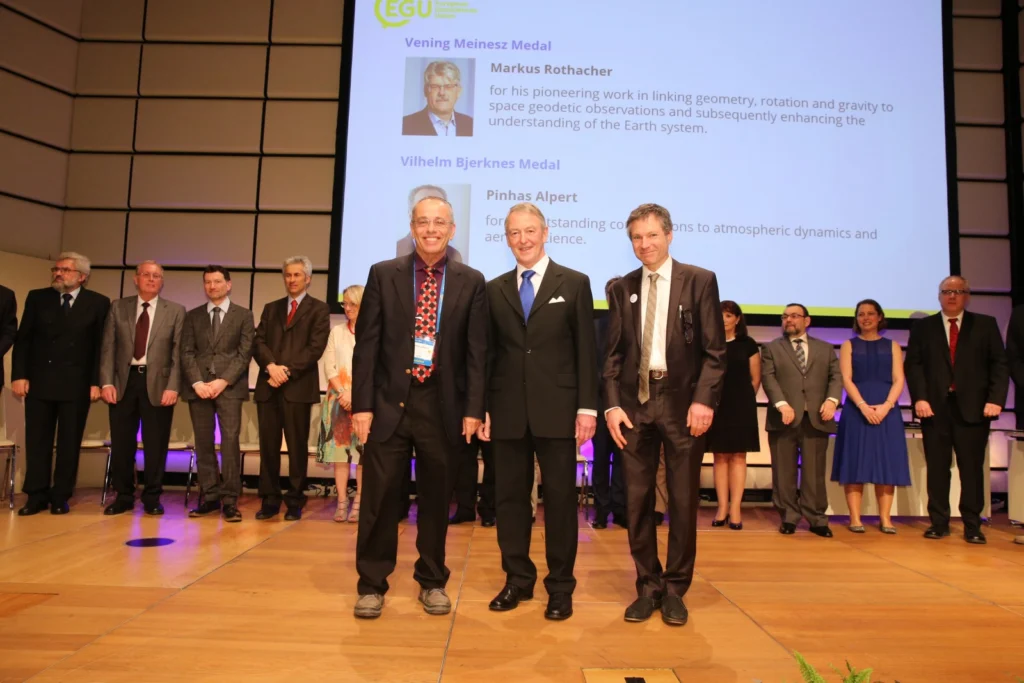
GeoTalk: Research reflections and lessons learned from Pinhas Alpert
GeoTalk interviews usually feature the work of early career researchers, but this month we deviate from the standard format to speak to Pinhas Alpert, professor in geophysics and planetary sciences at Tel Aviv University and recipient of the 2018 Vilhelm Bjerknes Medal. Alpert was awarded for his outstanding contributions to atmospheric dynamics and aerosol science. …[Read More]
Imaggeo on Mondays: A pink and blue evening
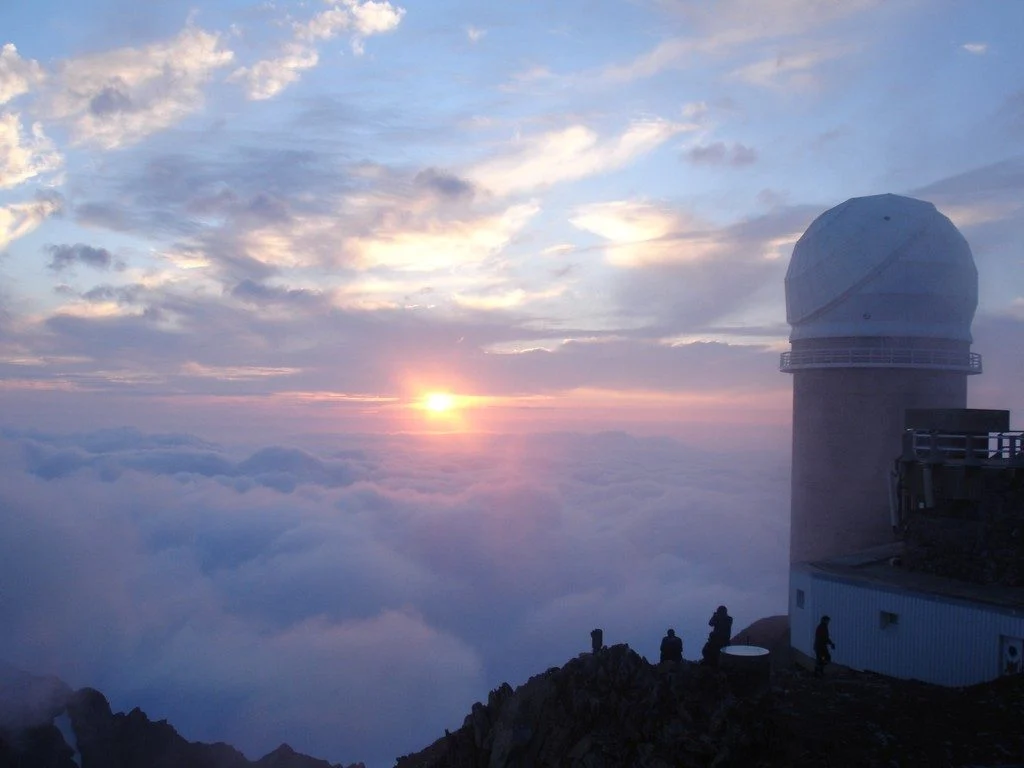
At sunset, the light travels a longer path in the atmosphere to reach our eyes than when the sun is high in the sky. At this time of the day, the light is more subject to scattering, as it interacts with more air (molecules and particles) before reaching our eyes, which explains why the sun …[Read More]
Winners of the EGU Best Blog Posts of 2018 Competition
There is no doubt that 2018 was packed full of exciting, insightful and informative blog posts. An impressive 382 posts were published across the EGU’s official blog, GeoLog, as well as the network and division blogs! In December, to celebrate the excellent display of science writing across the network and division blogs, we launched the EGU Blogs competition. From a …[Read More]
Imaggeo on Mondays: The calm before the storm
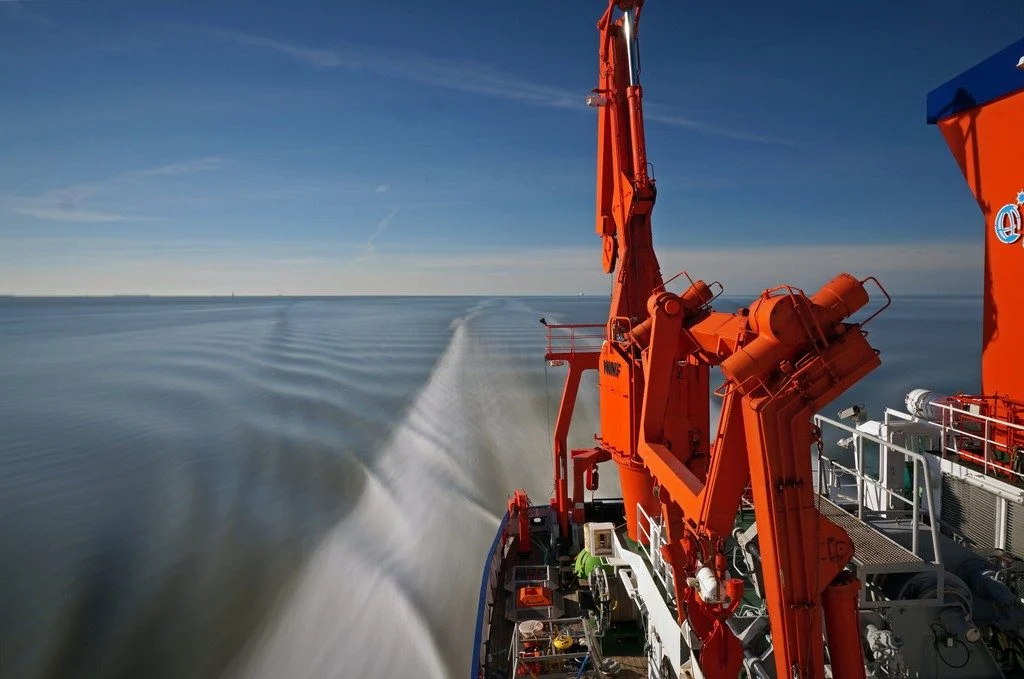
The picture was taken during the 2015 research cruise HE441 in the southern German Bight, North Sea. It features the research vessel Heincke, on a remarkably calm and warm spring day, forming a seemingly steady wake. The roughly 55 metre long FS Heincke, owned by the German federal government and operated by the Alfred Wegener …[Read More]
GeoTalk: Alena Ebinghaus, Early Career Scientist Representative
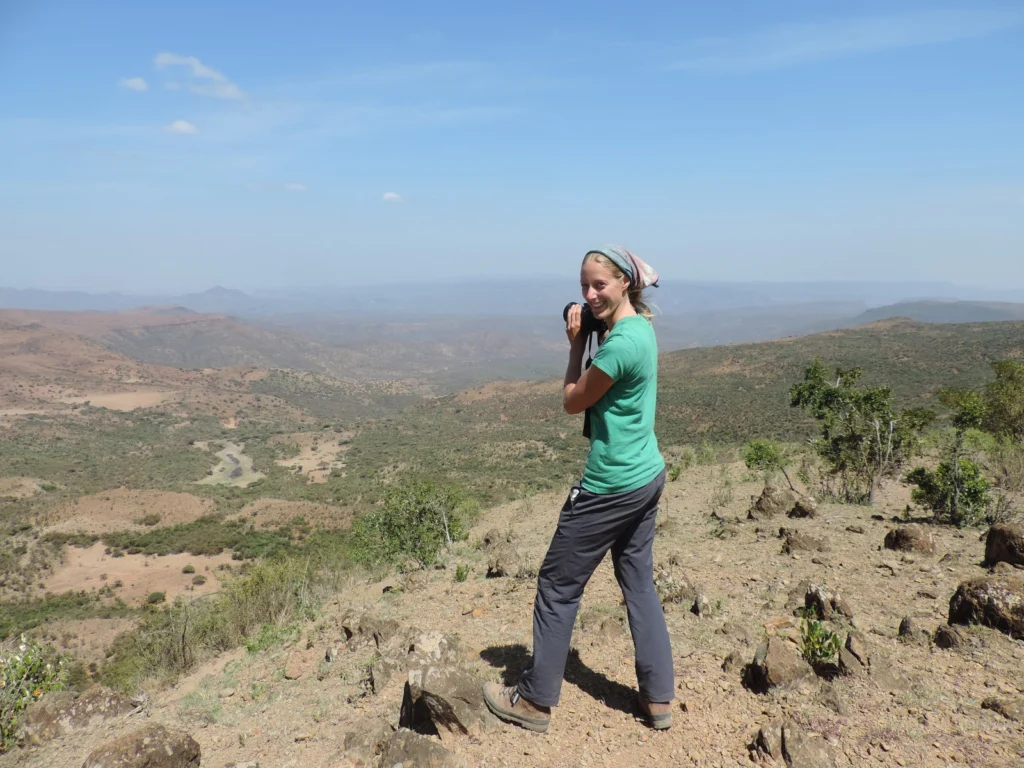
In addition to the usual GeoTalk interviews, were we highlight the work and achievements of early career scientists, this month we’ll also introduce one of the (outgoing) Division early career scientist representatives (ECS). The representatives are responsible for ensuring that the voice of EGU ECS membership is heard. From organising short courses during the General …[Read More]
Geosciences Column: Using volcanoes to study carbon emissions’ long-term environmental effect
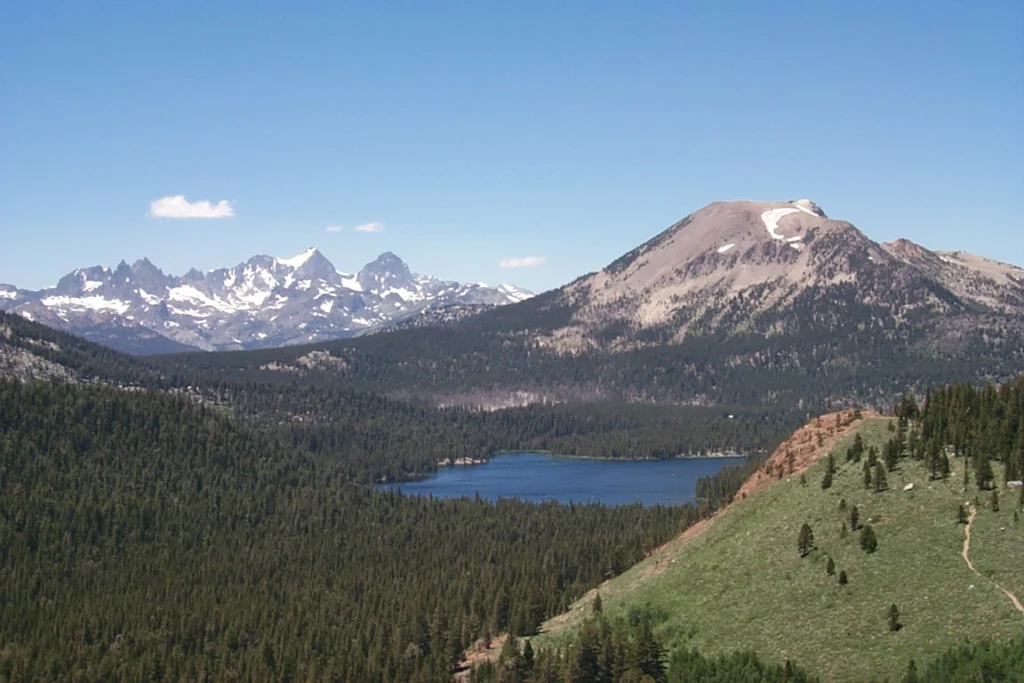
In a world where carbon dioxide levels are rapidly rising, how do you study the long-term effect of carbon emissions? To answer this question, some scientists have turned to Mammoth Mountain, a volcano in California that’s been releasing carbon dioxide for years. Recently, a team of researchers found that this volcanic ecosystem could give clues …[Read More]
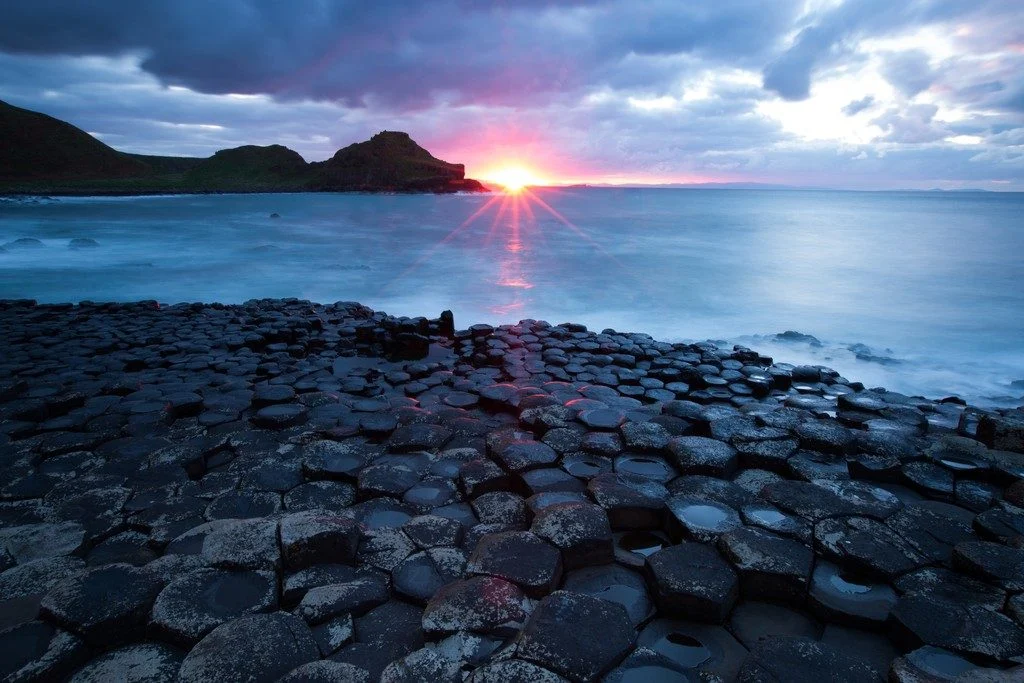
Imaggeo on Mondays: Sunset on the Giant’s Causeway
Pictured here is the Giant’s Causeway – a region of basalt columns, created 50-60 million years ago during the Paleogene. The typical polygonal form of the bedrocks, a product of active volcanic processes from the past, is well underlined by the sunset’s light; that’s why I took the photo in the late evening. The separate …[Read More]