GeoLog

EGU Scientific Divisions

GeoTalk: meet Freija Mendrik, researcher of microplastics pollution in coral reefs!

Freija Mendrik

Hi Freija. Thank you for joining us today! Could you tell our readers a bit about yourself before we dive in? Hi Simon, thanks for inviting me! I’m a marine scientist based in the UK specialising in microplastic pollution but my work has taken me across many different disciplines from physical geography to ecotoxicology. Recently my research has focused on trying to understand what impacts the tra ...[Read More]

Five resources to up your knowledge of (and appreciate) our oceans

Five resources to up your knowledge of (and appreciate) our oceans

Yesterday (8 June) was globally observed as World Oceans Day. The United Nations announced that it is joining forces with decision-makers, indigenous leaders, scientists, private sector executives, civil society, celebrities, and youth activists to put the ocean first. This year’s theme is “Planet Ocean: tides are changing,” to encourage everyone – whether as individuals or groups – to respect the ...[Read More]

Why single solution strategies cannot solve the plastic pollution problem

Why single solution strategies cannot solve the plastic pollution problem

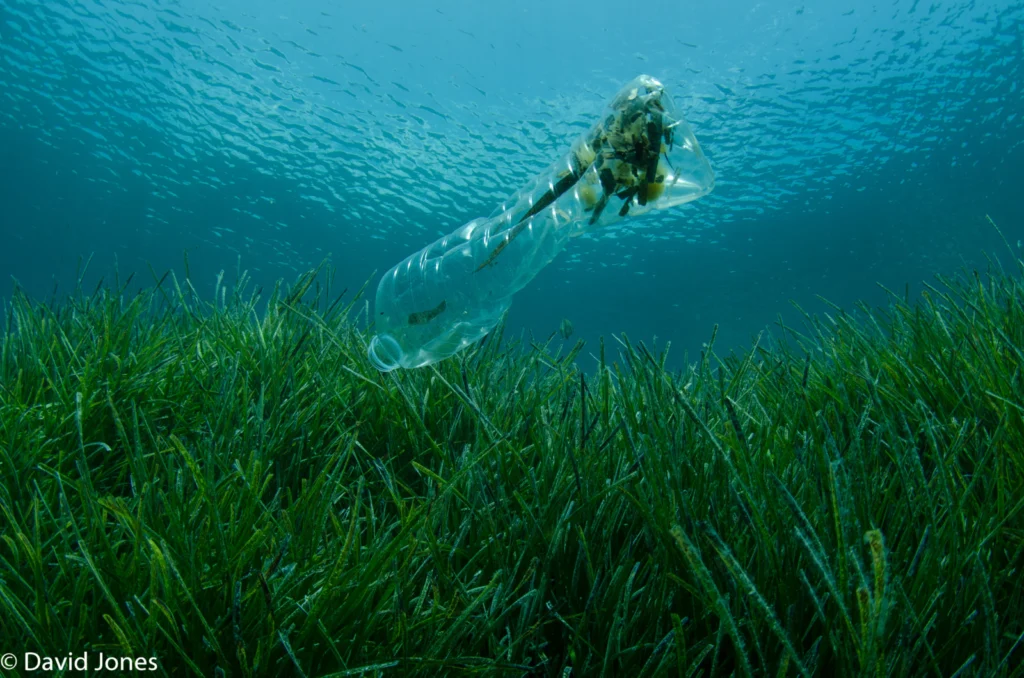
It appears that plastics have well and truly invaded even our most inaccessible environments: the deepest point in the ocean (the Mariana trench) and the highest mountain peak in the world (Mt. Everest) both contain pieces of plastic from human activities miles away. With plastic waste flowing into aquatic ecosystems expected to nearly triple by 2040, it is safe to say that nature is in “emergency ...[Read More]

Seaweed: an unlikely but promising food solution in nuclear winter?

Seaweed: an unlikely but promising food solution in nuclear winter?

A few weeks ago, at the European Geosciences Union General Assembly EGU23, a group of researchers from different disciplines briefed the media about the impact of war on the oceans, sands, and people. Among them, Florian Ulrich Jehn’s presentation stood out for its rather unlikely proposition: that seaweed appeared to be a promising candidate as a resilient food solution in nuclear winter. I ...[Read More]