GeoLog

Geomorphology

Imaggeo on Mondays: Retreating Glacier

Imaggeo on Mondays: Retreating Glacier

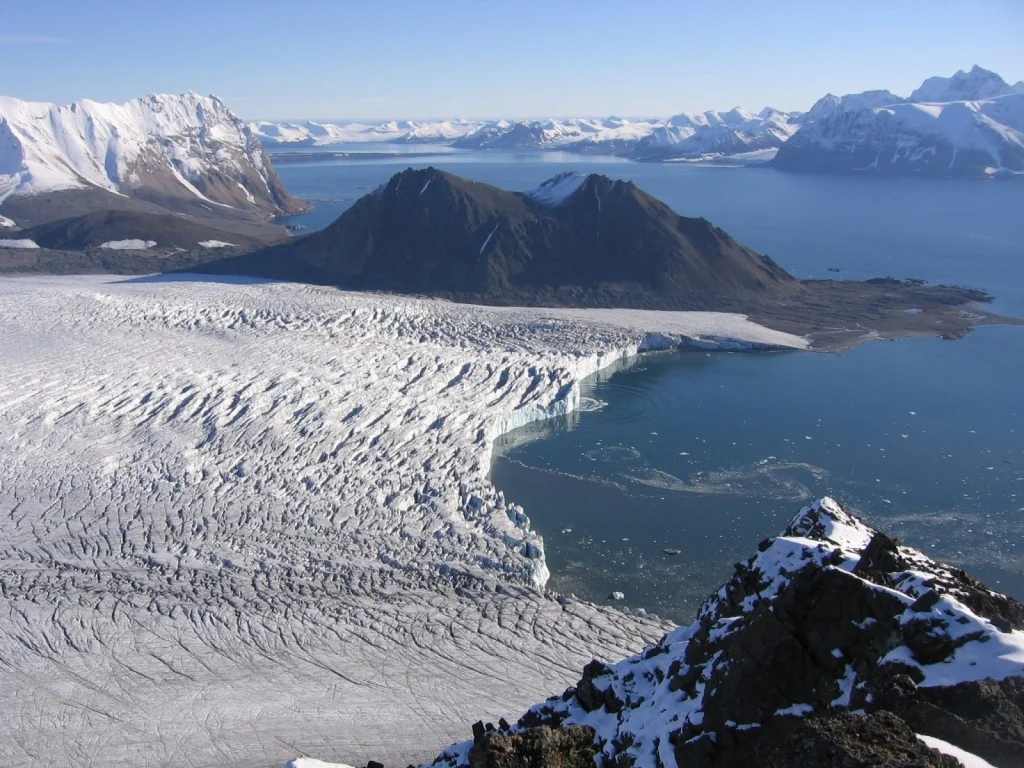
The Svalbard archipelago is considered to be one of the best places to study the geological history of the Earth because its rocks represent every geological period. This image shows a view from the peak of Fugleberget (569 m a. s. l.; 77º 00’ N, 15º 30’ E) on the south-western coast of the island of Spitsbergen. Glaciation of this geologically diverse area gave rise to a variety of geomorphic fea ...[Read More]

Imaggeo on Mondays: A Patagonia landscape dominated by volcanoes

Imaggeo on Mondays: A Patagonia landscape dominated by volcanoes

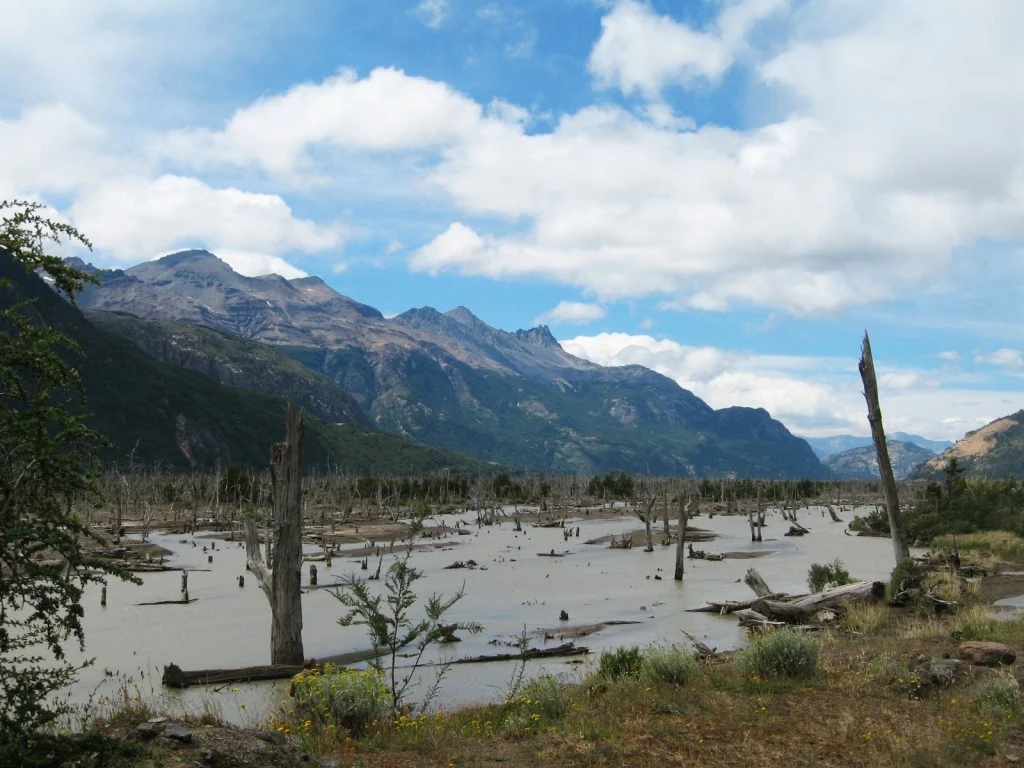
Imagine a torrent of hot and cold water, laden with rock fragments, ash and other debris hurtling down a river valley: this is a lahar. A by-product of eruptions of tall, steep-sided stratovolcanoes, lahars, are often triggered by the quick melting of snow caps and glaciers atop high volcanic peaks. The history of the Ibañes River and its valley, in southern Chile, are dominated by their proximity ...[Read More]

Imaggeo on Mondays: A solitary floating island

Imaggeo on Mondays: A solitary floating island

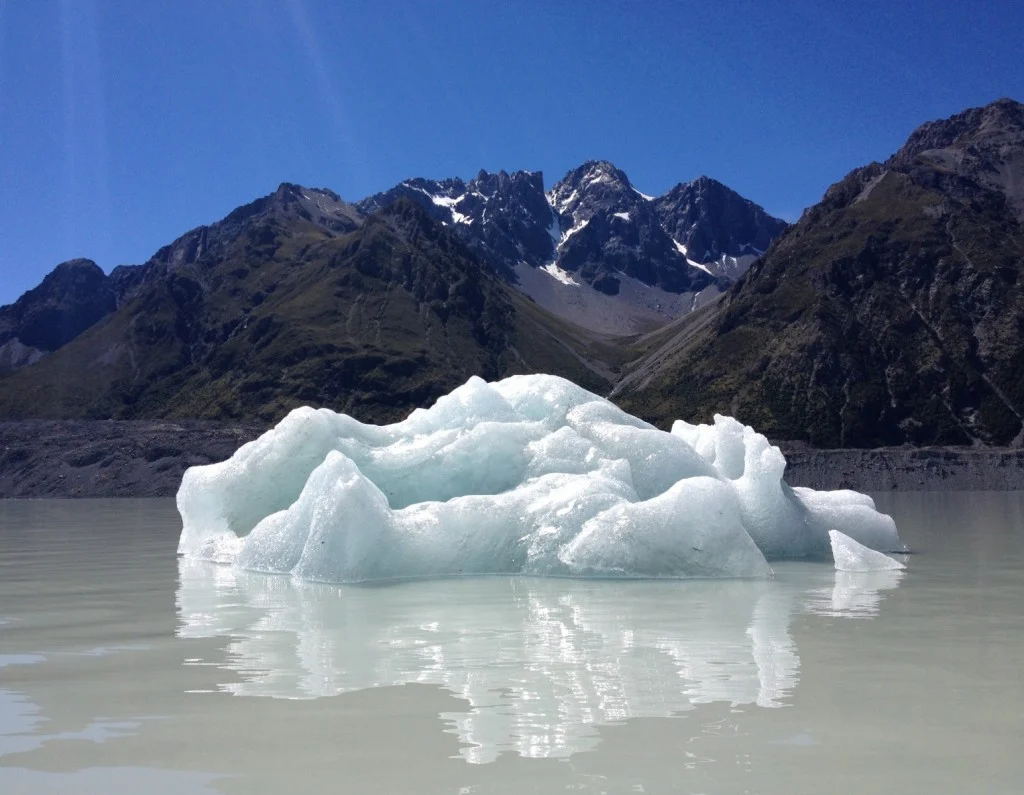
With 2014 officially named the hottest year on record, there is evidence of the effects of rising global temperatures across the globe. The solitary, shimmering iceberg in today’s Imaggeo on Mondays photograph is a reminder that one of the best places to look for evidence of change is in glaciers. Daniela Domeisen tells the story of this lonely frozen block of ancient ice. The picture shows an ice ...[Read More]

Geosciences Column: Do roads mean landslides are more likely?

Geosciences Column: Do roads mean landslides are more likely?

Landslides have been in the news frequently over the past 12 months or so. It’s not surprising considering their devastating consequences and potential impact on nearby communities. Data collected by Dave Petley in his Landslide Blog shows that from January to July 2014 alone, there were 222 landslides that caused loss of life, resulting in 1466 deaths. A recent paper, in the journal Natural Hazar ...[Read More]

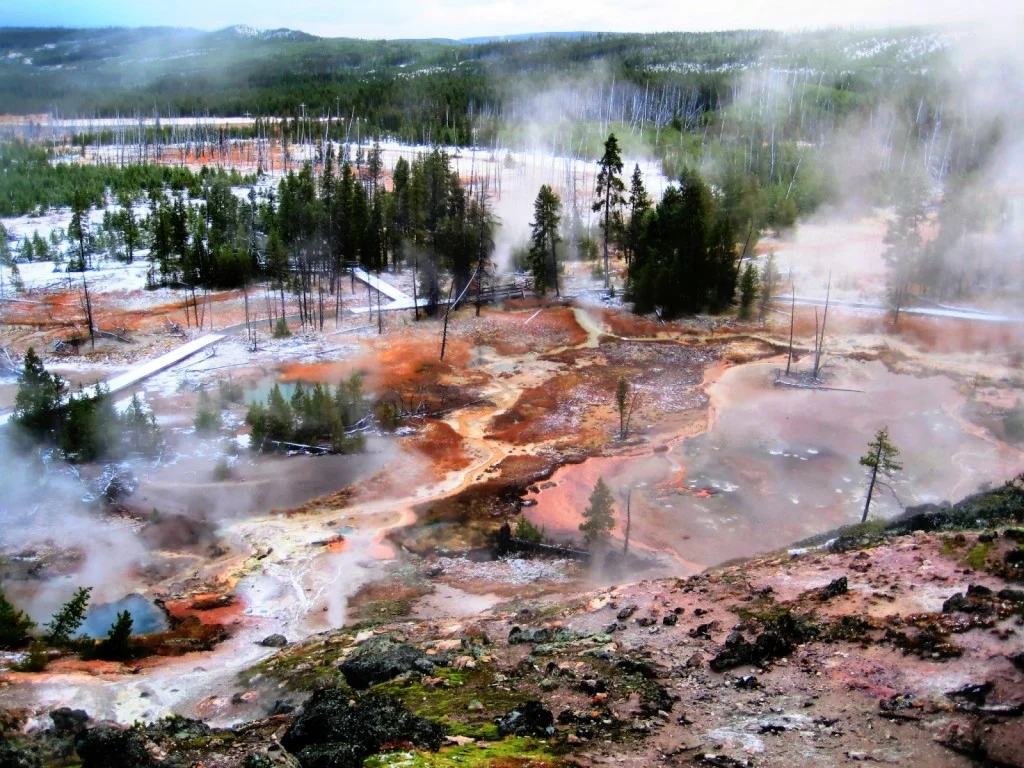
Imaggeo on Mondays: Artists’ Paint Pots

Imaggeo on Mondays: Artists’ Paint Pots

Many artists draw inspiration from nature and it’s not surprising when faced with landscapes which are as beautiful as the one featured in this week’s Imaggeo on Mondays post. Josep Miquel Ubalde Bauló writes about the origin of the colourful mud pots and bobby-socks trees! This picture corresponds to The Artist Paint Pots, found in in Yellowstone, the first National Park of the world. Yellowstone ...[Read More]

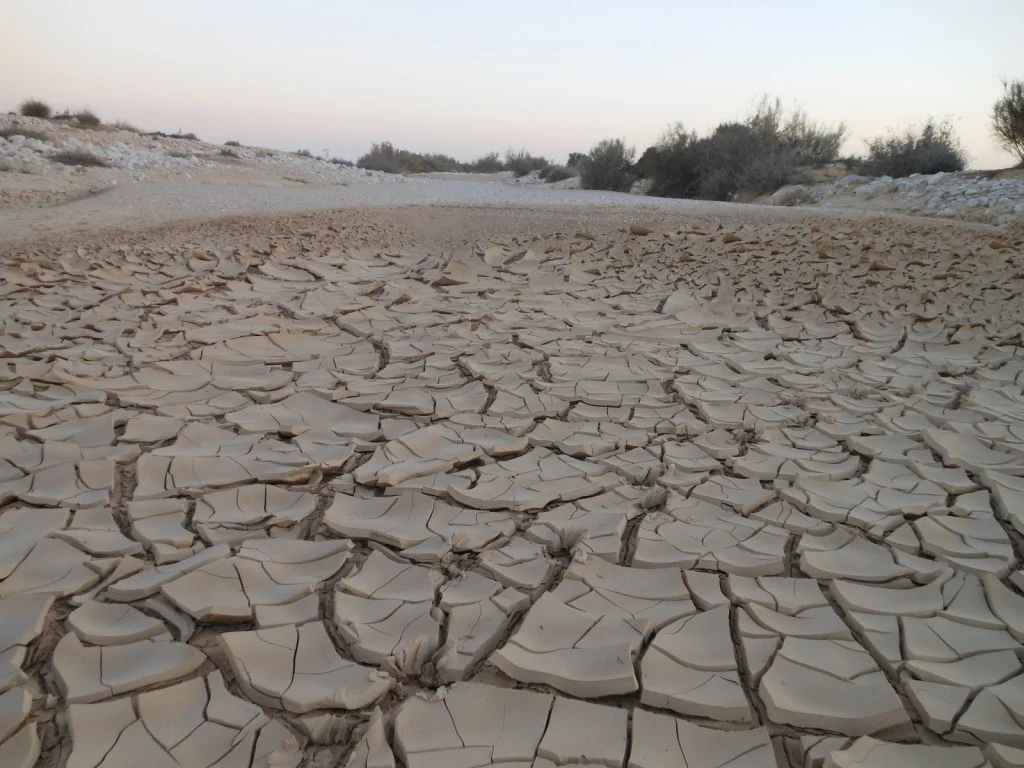
Imaggeo on Mondays: Wadis in a war zone

Imaggeo on Mondays: Wadis in a war zone

The range of challenges scientists face when carrying out Earth science research in the field are vast. However, the story behind Vincent Felde’s, a PhD candidate at Giessen University, image of the wadi, is truly remarkable and highlights how geoscientific research is not limited by borders or conflict. Wadi Nizzana (the Arabic term used to describe valleys that remain dry except during times of ...[Read More]

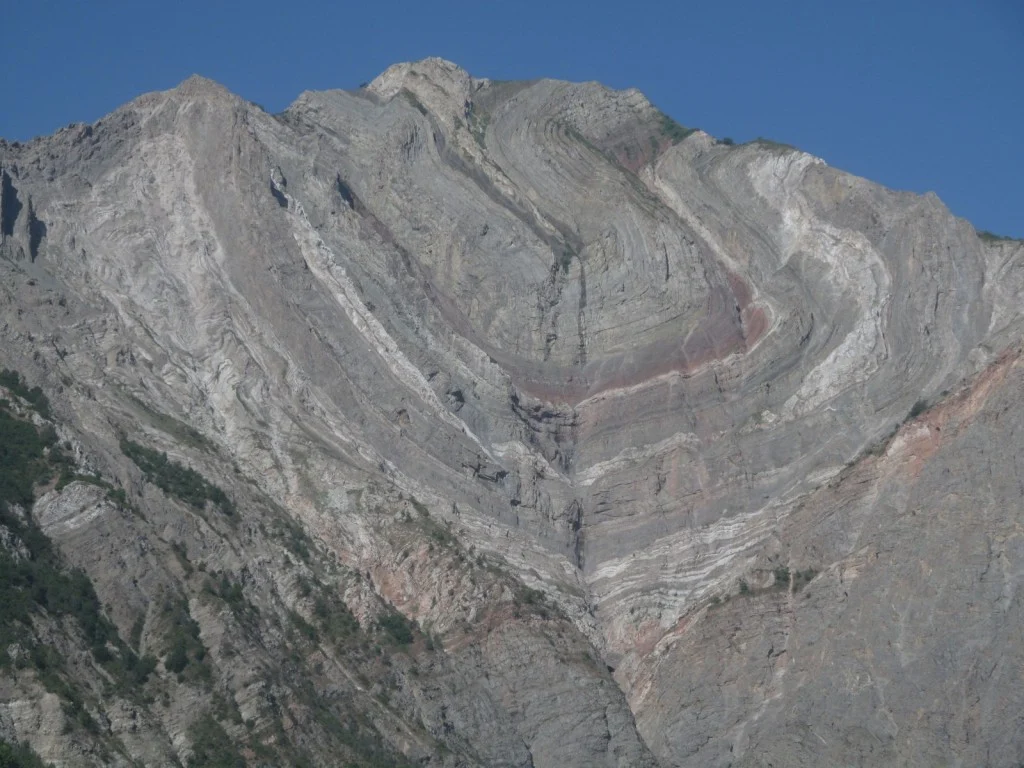
Imaggeo on Mondays: Stone Flower

Imaggeo on Mondays: Stone Flower

In a true feat of endurance, self-discovery and resilience, Solmaz Mohadjer and Josy Strunden, geology students at the University of Tübingen (Germany), cycled 800 km in the Pamir Mountains as part of a trip to raise awareness about autism in Tajikistan. ““We cycled through one of the most tectonically active regions on the planet, passing by mountain communities that welcomed us warmly as well as ...[Read More]

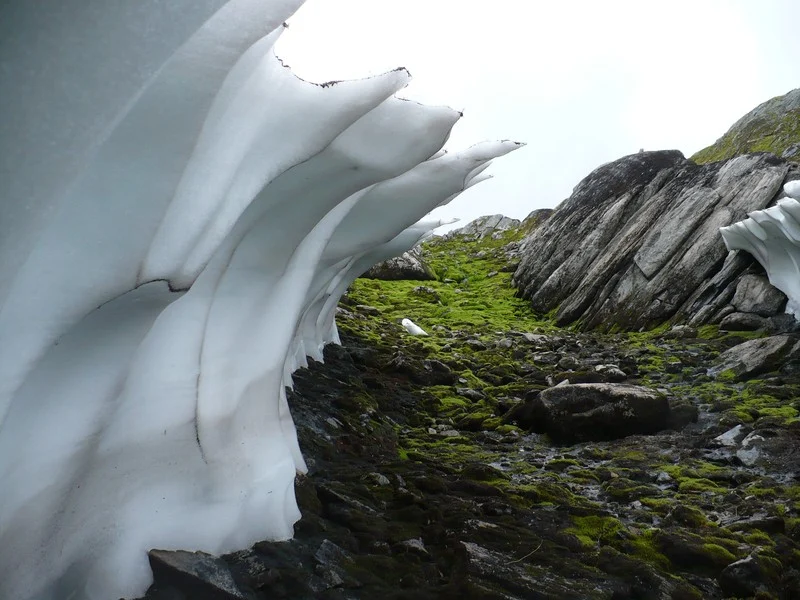
Imaggeo on Mondays: Gothic Snow Architecture.

Imaggeo on Mondays: Gothic Snow Architecture.

Whilst on a family holiday in Norway, Gerrit de Rooij took this incredible photograph of an ice arch. Understandably geoscience is not his top priority whilst taking photographs on holiday, however Gerrit points out that “pretty much every picture of a landscape has hydrology in there somewhere”, as he goes on to describe below. This picture was taken near Balestrand, a village along the Sognefjor ...[Read More]

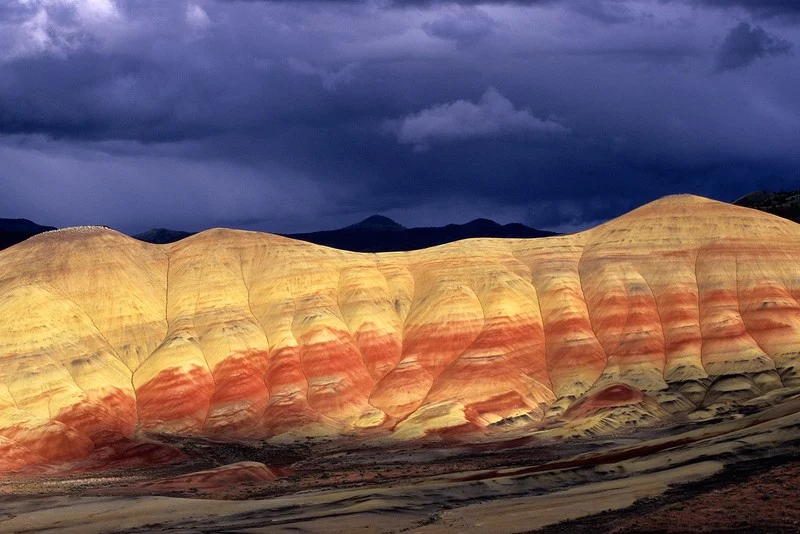
Imaggeo on Mondays: Painted Hills after the storm.

Imaggeo on Mondays: Painted Hills after the storm.

The geological record preserved at John Day Fossil beds, in Oregon, USA, is very special. Rarely can you study a continuous succession through changing climates quite like you can at this National Park in the USA. It is a treasure trove of some 60,000 plant and animal fossil specimens that were preserved over a period of 40 million years during the Cenozoic era (which began 66 million years ago). ...[Read More]

The known unknowns: Climate, Life, and the Solid Earth (Part V)

After four fascinating instalments in the known unknowns series we have (sadly) come to the final post. Since the series began in September we have explored the top questions that still remain unanswered when it comes to understanding the inner workings of the planet as well as how the interplay of a number of systems that occur at the Earth’s surface give rise to its varied landscapes. The series ...[Read More]