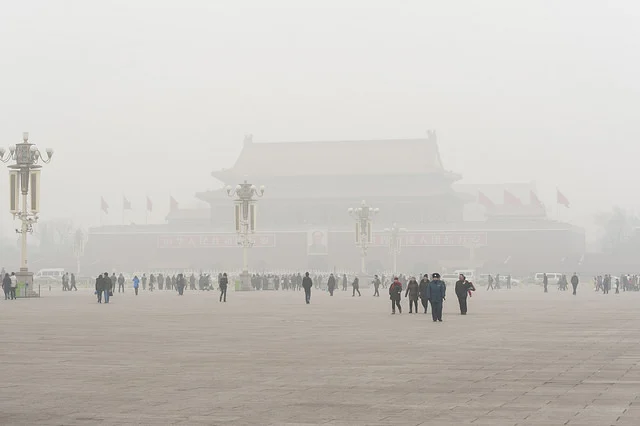
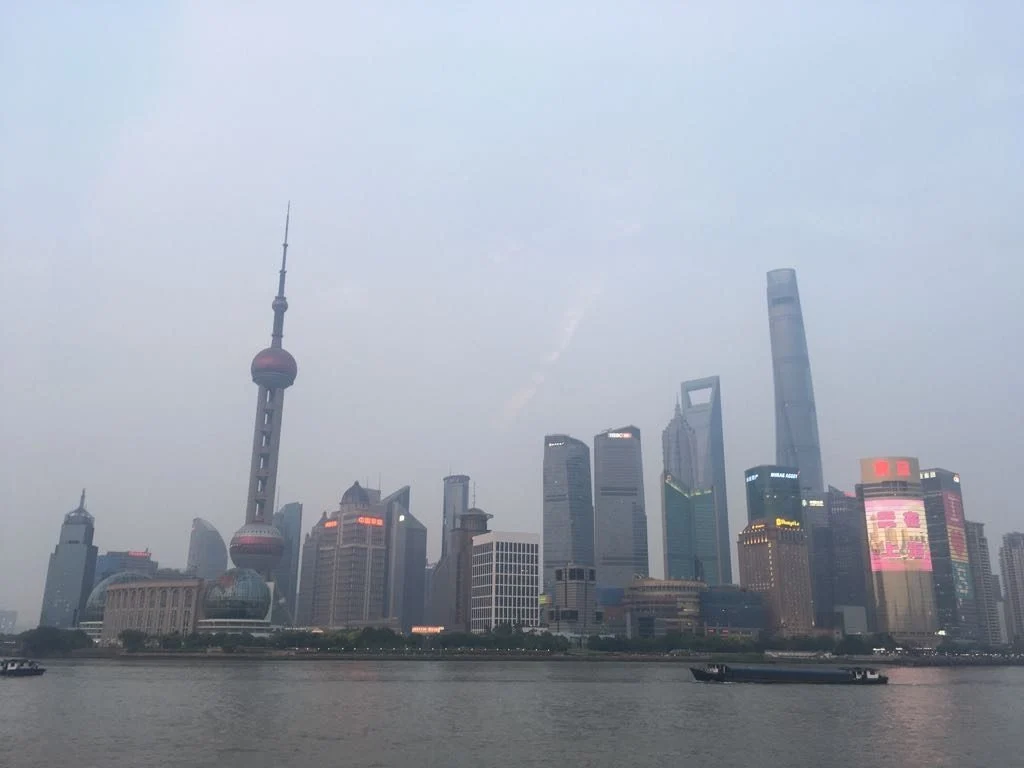
The nighttrain from Shanghai to Beijing is a comfortable affair. The train is new and clean. My travel partner and I can charge our phones and relax on soft beds. The railway is almost frictionless, and overall the experience is similar to any ride in the West. But outside, as the vehicle roars through the early night, things become increasingly hazy. As we reach further out from the Shanghai metr ...[Read More]
Energy, Resources and the Environment
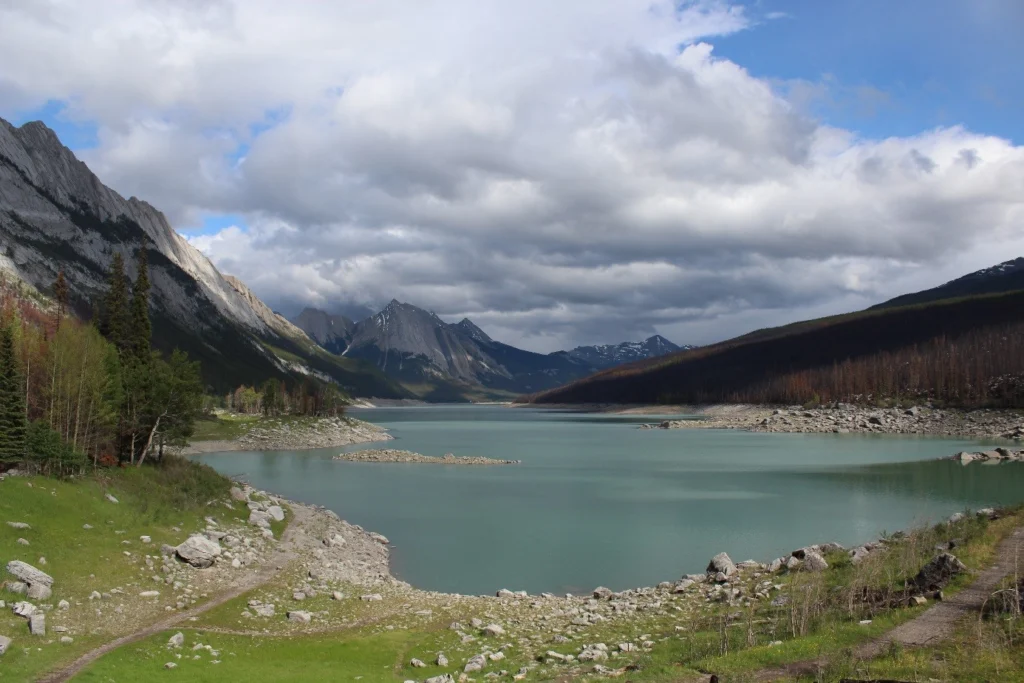
Imaggeo on Mondays: Wildfires leave their mark on Jasper National Park
Jasper National Park is the largest national park in the Canadian Rocky Mountains, spanning across nearly 11,000 square kilometres of Canadian wilderness. The park is known for its rugged landscape, extensive trails, and abundance of deer, bighorn sheep, wolves, mountain lions and bears. This region is also very susceptible to blazing wildfires, a result of human activity that began more than a ce ...[Read More]
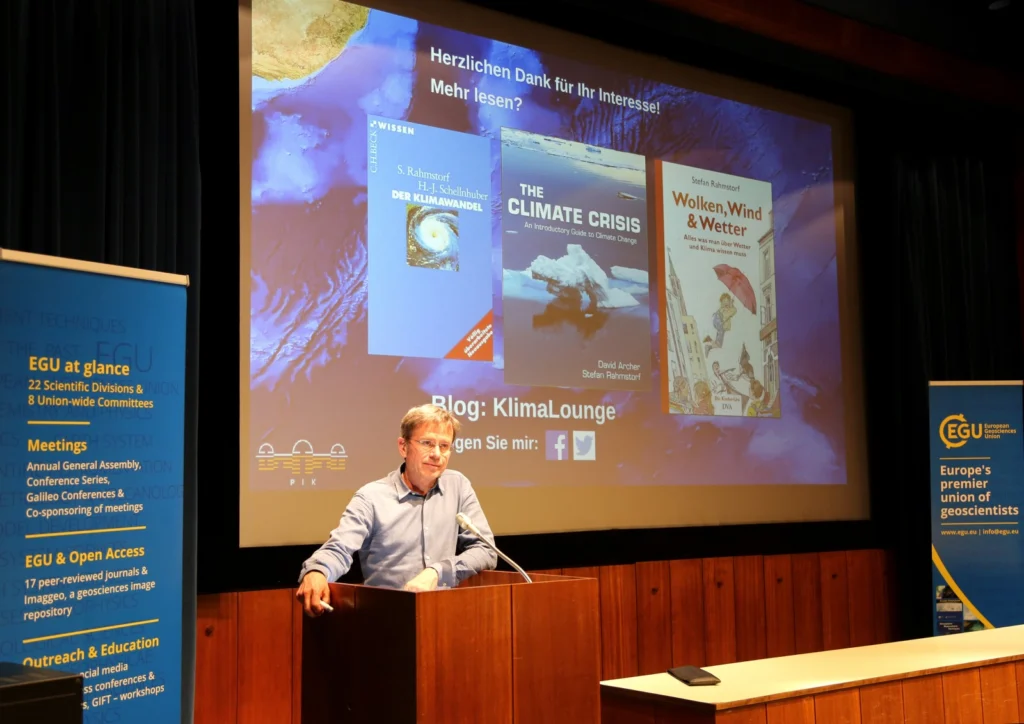
Giving back to the city: First EGU Public Lecture at the General Assembly 2018 in Vienna
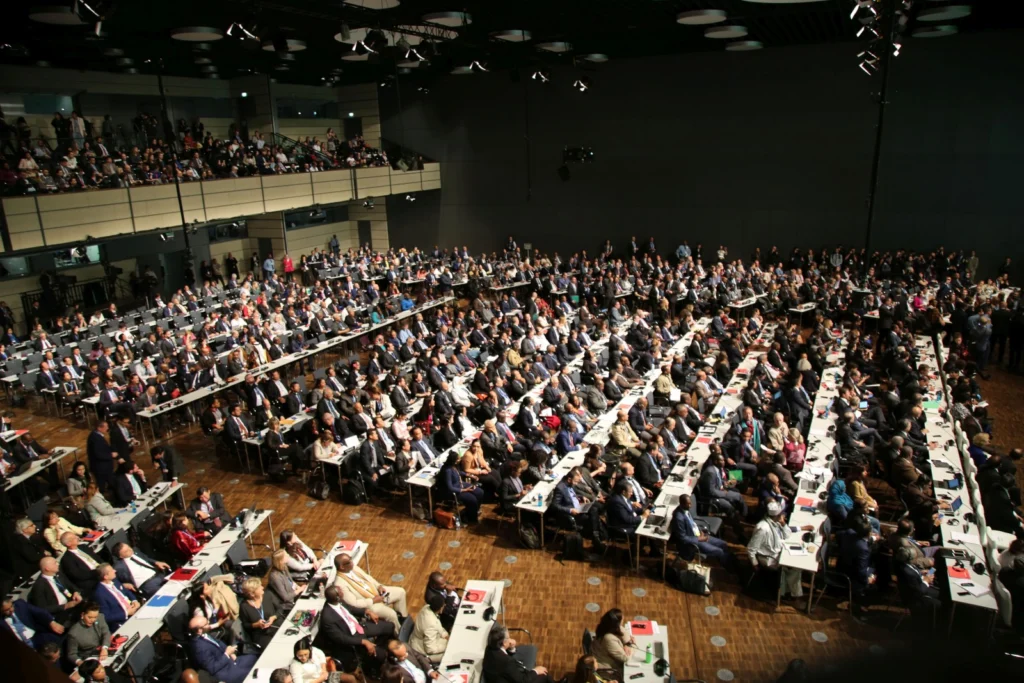
The inaugural EGU Public Lecture, titled ‘After Paris: Are we getting the climate crisis under control?’, took place last April at the 2018 General Assembly in the Natural History Museum of Vienna. In this first public lecture, Stefan Rahmstorf, a climate scientist at the Potsdam Institute for Climate Impact Research in Germany, took the audience on a fascinating journey through the climate system ...[Read More]
Imaggeo on Mondays: The breath of our Earth
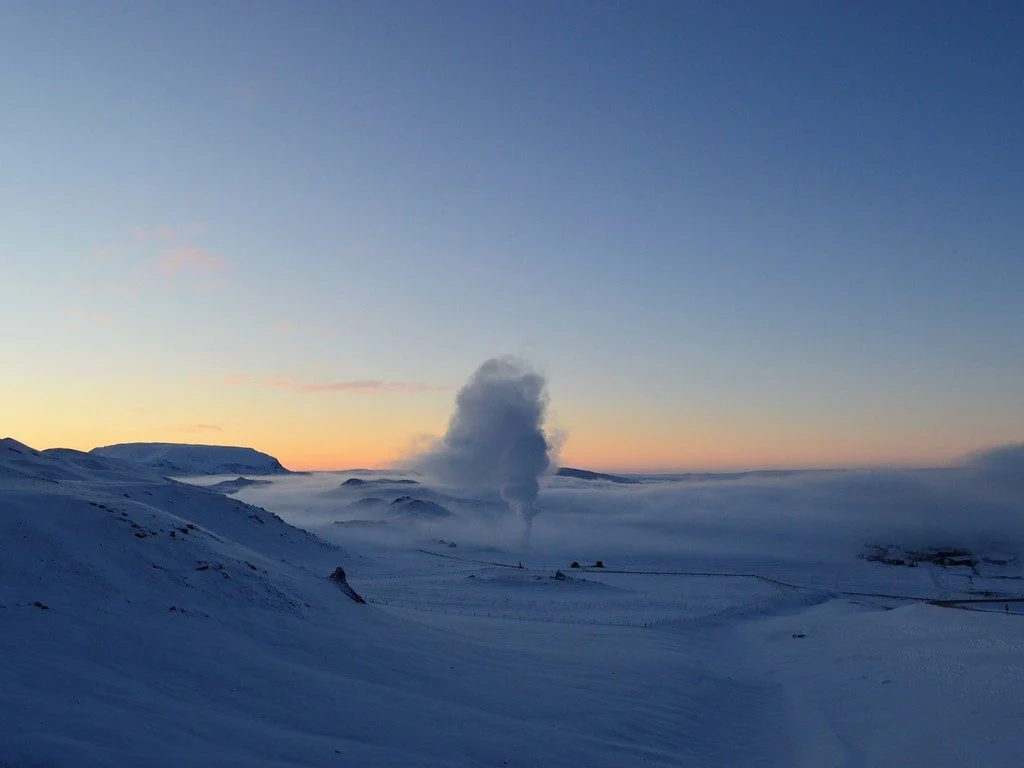
This picture was taken in the Myvatn geothermal area in southeast Iceland. Seeing the geothermal steam vent in this area while the temperature was -22 degrees Celsius is the best experience in Myvatn. The difference between Iceland’s cold ambient temperature and the released heat from inside the Earth is a really stunning event to see. Iceland is situated in the middle of two tectonic plates (the ...[Read More]
April GeoRoundUp: the best of the Earth sciences from the 2018 General Assembly
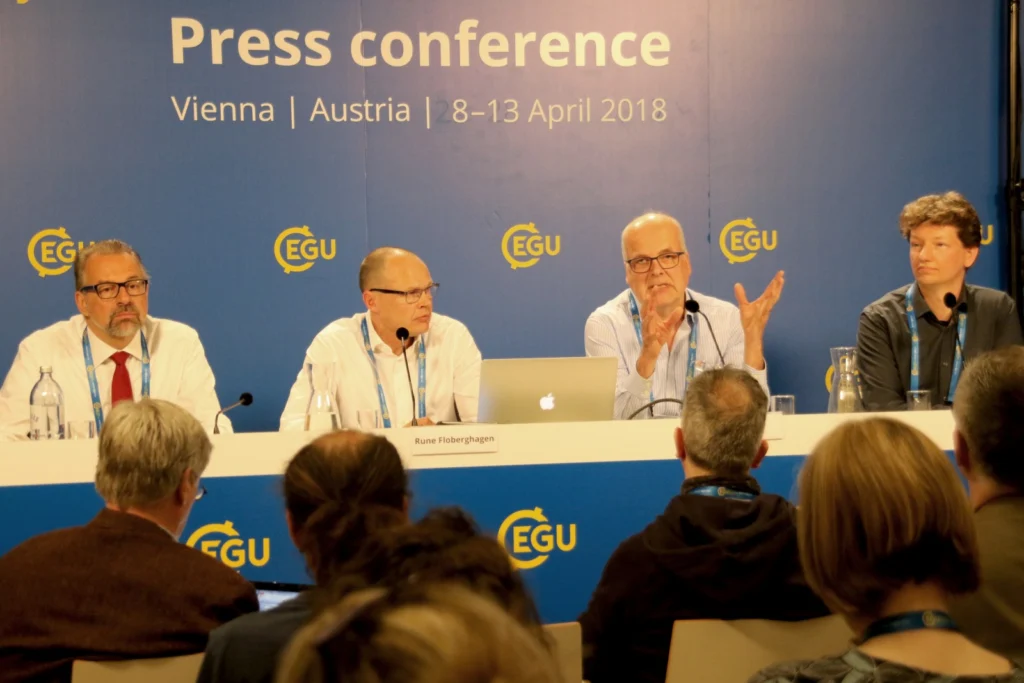
The 2018 General Assembly took place in Vienna last month, drawing more than 15,000 participants from 106 countries. This month’s GeoRoundUp will focus on some of the unique and interesting stories that came out of research presented at the Assembly. Mystery solved The World War II battleship Tirpitz was the largest vessel in the German navy, stationed primarily off the Norwegian coastline as a fo ...[Read More]
Get involved: become an early career scientist representative
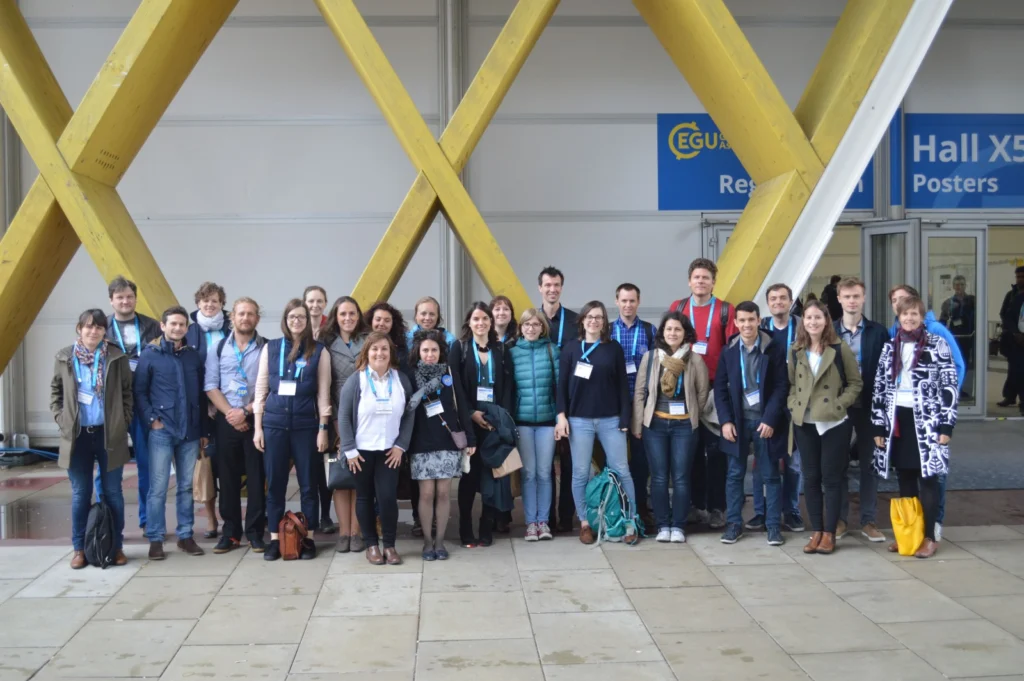
Early career scientists (ECS) make up a significant proportion of the EGU membership and it’s important to us that your voices get heard. To make sure that happens, each division appoints an early career scientists representative: the vital link between the Union and the ECS membership. After tenure of two or four years, a few of the current ECS Representatives are stepping down from their post at ...[Read More]
MinCup: Elevating humble minerals to new heights
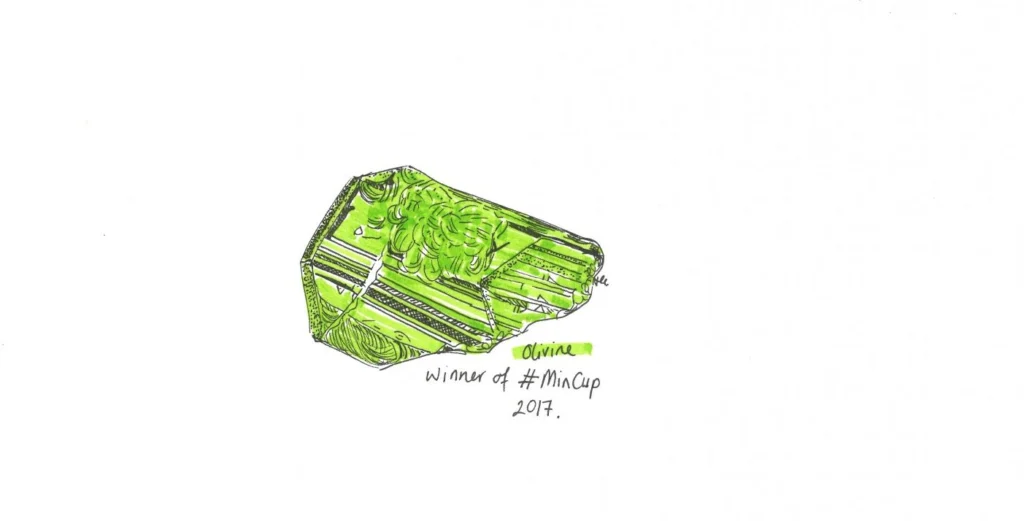
Throughout October and November, the world of (Earth science) Twitter was taken by storm: Day after day, Eddie Dempsey (a lecturer at the University of Hull, and @Tectonictweets for those of you more familair with his Twitter handle) pitted minerals against each other, in a knock out style popular contest. The aim? To see which mineral would eventually be crowned the best of 2017. Who knew fiery ( ...[Read More]
The role of exploration geologists in fostering healthy community-industry relationships
In November 2015, the failure of the Fundão tailings dam in Brazil devastated the surrounding landscape and local villages, killing 19 people and leaving the media filled with images of landslides, fallen infrastructure and ruined livelihoods. The limited communication and lack of relationship between joint operators BHP Billiton and Brazilian company Vale with the surrounding communities exacerba ...[Read More]
GeoPolicy: COP23 – key updates and outcomes
What is COP23? Anthropogenic climate change is threatening life on this planet as we know it. It’s a global issue… and not one that is easily solved. The Conference of the Parties (COP) provides world leaders, policy workers, scientists and industry leaders with the space to share ideas and decide on how to tackle climate change and generate global transformative change. COP23 will predominantly f ...[Read More]
GeoSciences Column: The dirty business of shipping goods by sea
Shipping goods across the oceans is cost-effective and super-efficient; that’s why over 80% of world trade is carried by sea (according to the International Maritime Organisation). But the shipping industry also contributes significant amounts of air pollutants to marine and coastal environments. A new study, published in the EGU’s open access journal Earth System Dynamics, reports on concentratio ...[Read More]