Extracted from a depth of 2,500 meters, a giant 12-meter long marine sediment core from the Fram Strait, between Svalbard and Greenland, preserves a climate record spanning up to 400,000 years. Its sediment layers offer crucial insights into the Arctic’s past, helping Dr Jochen Knies and his research team answer two important question: Was the Arctic ever ice-free during past warm periods? W ...[Read More]
Climate: Past, Present & Future
Between energy transition and racialised disparities: are we on the right path to energy justice?
Navigating the world in a Black or any other non-Caucasian body often means facing systemic disadvantages, marginalization, and discrimination especially in predominantly white spaces. These inequities shape all aspects of life, from accessing healthcare and education to economic opportunities and even access to basic resources like energy. Across the globe, Black, Indigenous, and People of Colour ...[Read More]
Open flood modelling: Real time inundation and human displacement forecasting is now possible!
Floods are powerful natural events that can wreak havoc on communities and ecosystems. Every year, millions of people are affected by floods, leading to loss of life, damage to homes, and disruption of daily life. This blog post explores a new method for quickly mapping flood zones and predicting their impacts. To help communities and decision-makers better prepare, the authors of a recent publica ...[Read More]
September 2024 flooding in Central Europe: The Austrian experience
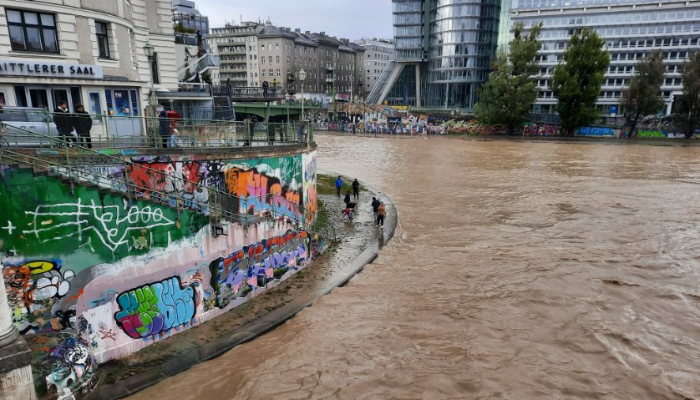
This blog post is co-published with the Hydrology Division (HS). Storm Boris is the latest in a series of deluges during one of Europe’s most flood-prone periods in 500 years, yet Vienna managed to avoid major damage. The city’s preparations may offer valuable lessons for other urban areas facing similar challenges. Dealing with record rainfall: September 2024 in Vienna When record rainfall ...[Read More]
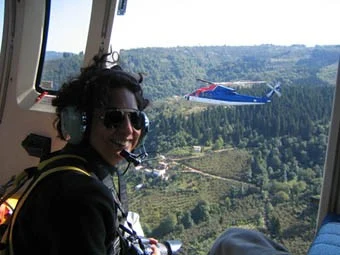
GeoTalk: Meet Bikem Ekberzade, conflict and photo journalist turned earth-systems science researcher and EGU Biodiversity Task Force member
Bikem – Welcome to GeoTalk! Can you tell us a bit about your research on climate change and its impact on terrestrial ecosystems? Thank you for having me. My current research focuses on forests and the impact of changes in climatic drivers on these ecosystems in terms of species composition, range shifts, and so on. I’m also curious about the impact that changes in the frequency and se ...[Read More]
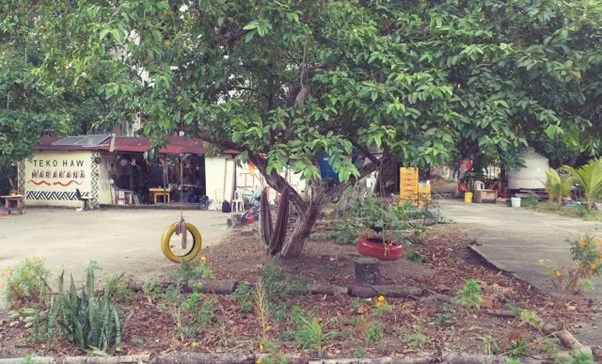
Indigenous resilience through the waters: The story of the Aldeia Maraka’nà
The International Day of the World’s Indigenous Peoples, observed each year on August 9, seeks to raise awareness and protect the rights of indigenous communities around the globe. To honour this, I have invited a few guest authors to write a series of blog posts that celebrate indigenous knowledge and highlight the intersection of natural hazards and climate issues, and resilience, across various ...[Read More]
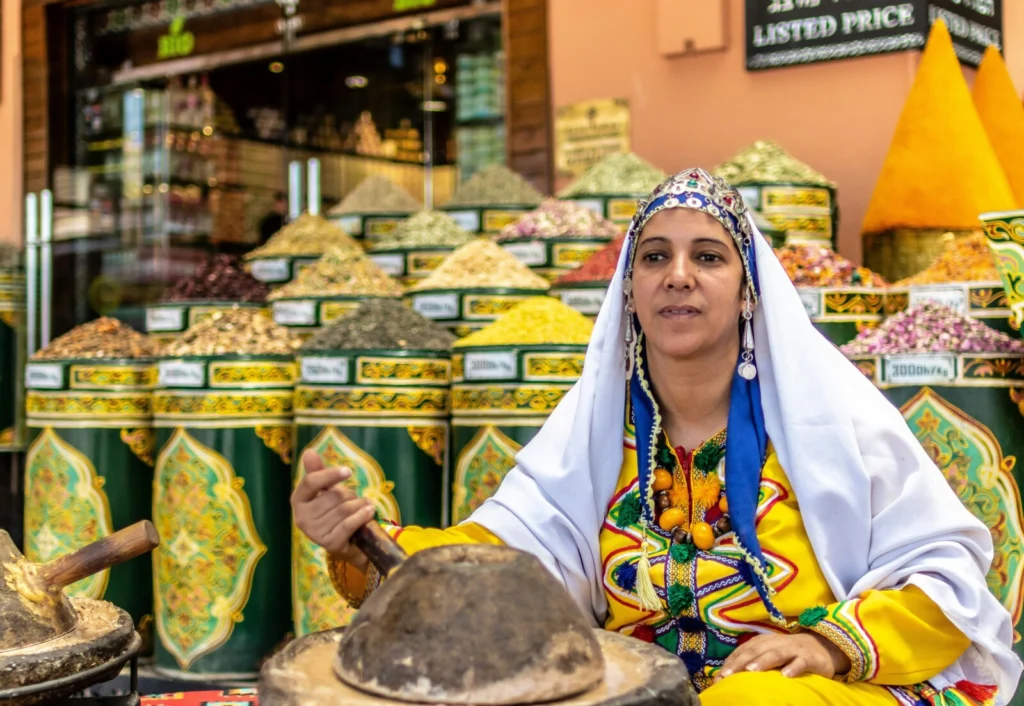
Meet the Amazighs: Morocco’s indigenous women and their pivotal role in leading climate resilience initiatives
The International Day of the World’s Indigenous Peoples, observed each year on August 9, seeks to raise awareness and protect the rights of indigenous communities around the globe. To honour this, I have invited a few guest authors to write a series of blog posts that celebrate indigenous knowledge and highlight the intersection of natural hazards and climate issues, and resilience, across v ...[Read More]
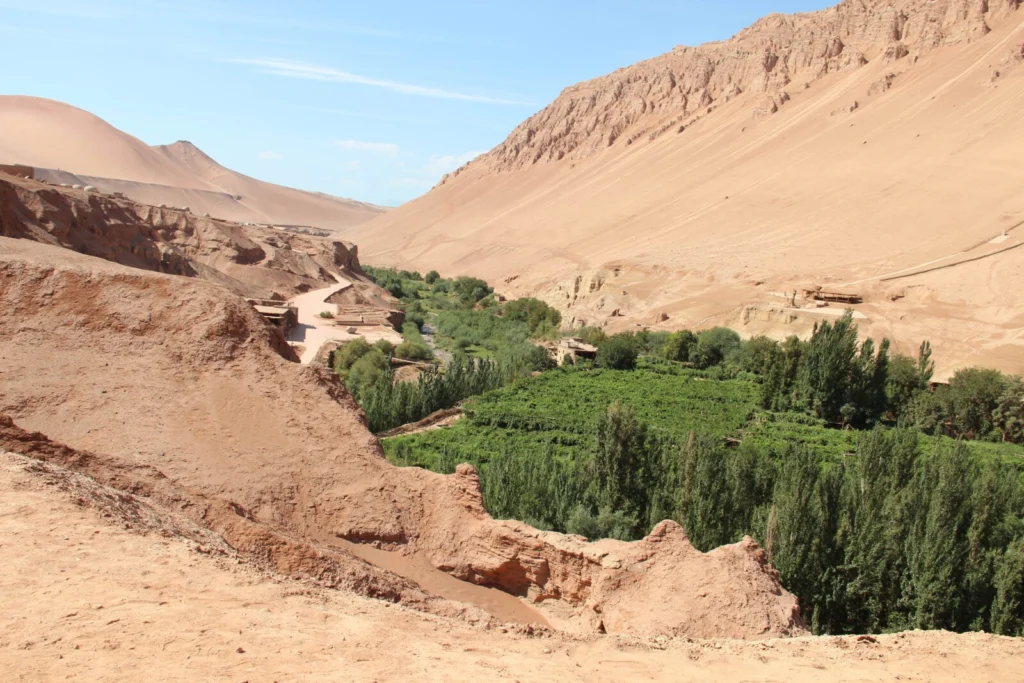
Can our oases outlast the dry spell of desertification?
Ever wondered how fast our planet is losing its footing? Imagine this: every time you blink, four football fields’ worth of fertile soil vanish into thin air. According to the UN, that’s a mind-boggling 100 million hectares gobbled up by land degradation each year! But when this happens in dry regions, it morphs into something even more sinister: desertification. Karina Lima, a climate ...[Read More]
The EGU Great Debate: About the Anthropocene, scientists and comfort zones?
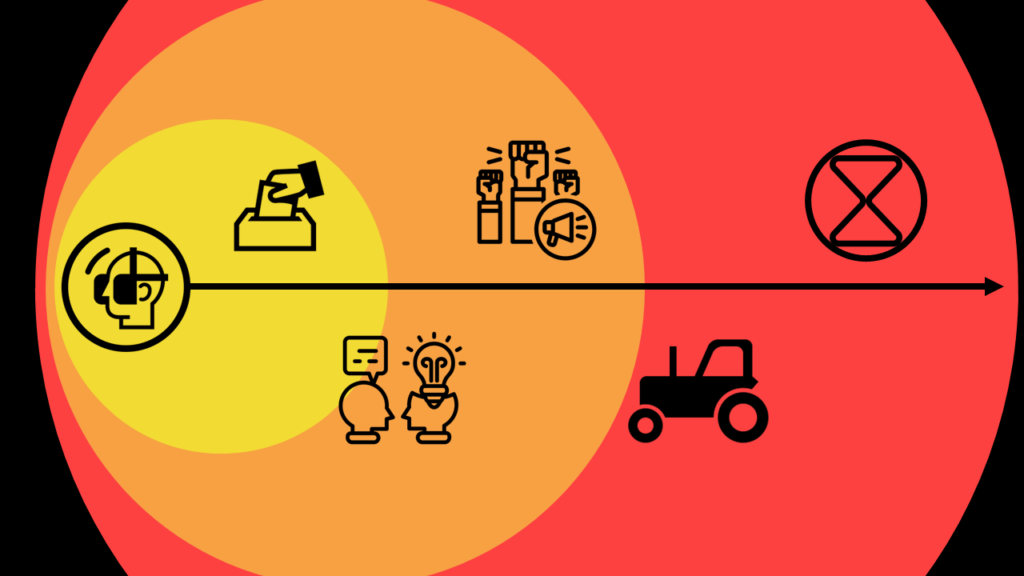
EGU has hosted a Great Debate with world-renowned climate scientists and activists about the growing human impact on our natural and social environment for many years. There are many aspects to the debate, from voting bad politicians out, to communication duties of scientists, the interconnection of a need for social equity and decarbonization, and more. In this blog post, I want to focus o ...[Read More]
Past ice and future predictions – scanning and drilling the changing Antarctic ice
Did you know that some of the scientists of each General Assembly get invited to a press conference to face a group of curious journalists? I did not – but as press assistant for the #EGU24, I had the unique chance to attend the press conference “Unveiling Antarctica’s secrets: new research brings us one step closer to predicting the future of the icy continent”. Prominent scientists (Fig.1) ...[Read More]