GeoLog

Climate: Past, Present & Future

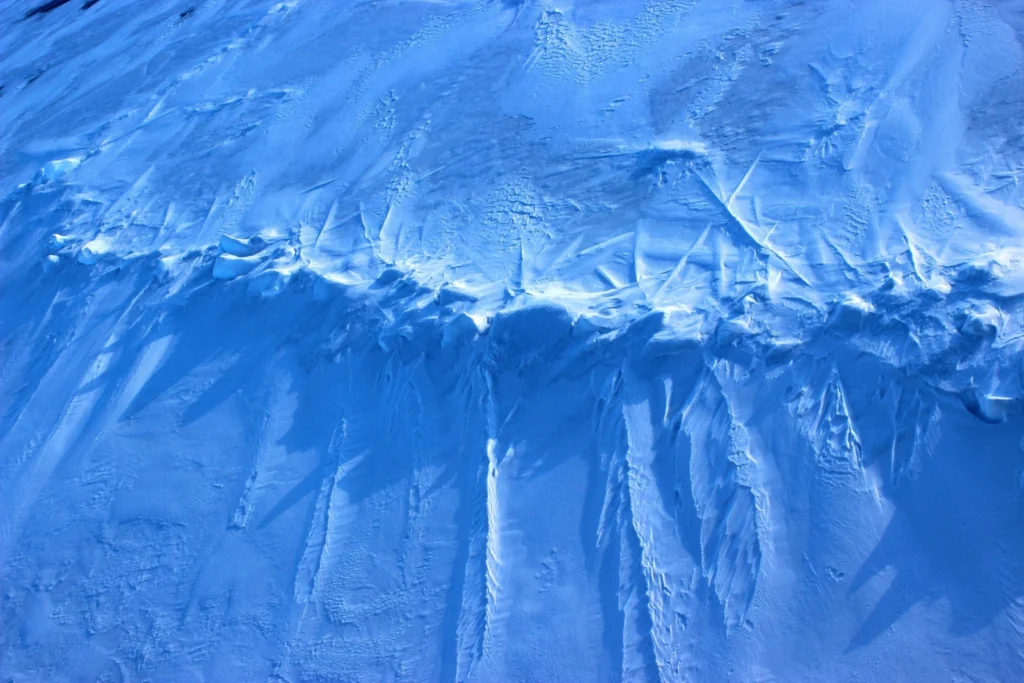
Imaggeo on Mondays: Polar backbone (Arctic Ocean)
Imaggeo on Mondays: Polar backbone (Arctic Ocean)
This image was taken during the Arctic Ocean 2016(AO16) expedition that ventured to the central regions of the Arctic Ocean, including the North Pole. It shows a pressure ridge, or ice ridge, as viewed from onboard the deck of the icebreaker Oden. It was quite striking that the ice ridge resembled an image of a …[Read More]

Heat waves in cities getting worse under climate change

Heat waves in cities getting worse under climate change

The effects of climate change are being felt all over the world but towns and cities are feeling most hot-under-the collar, a new study finds. Cities are usually warmer than their surroundings due to the urban heat island effect where artificial surfaces absorb more heat than their natural counterparts. Coupled with the loss of the …[Read More]

Communicate Your Science Competition Winner Announced!

Communicate Your Science Competition Winner Announced!

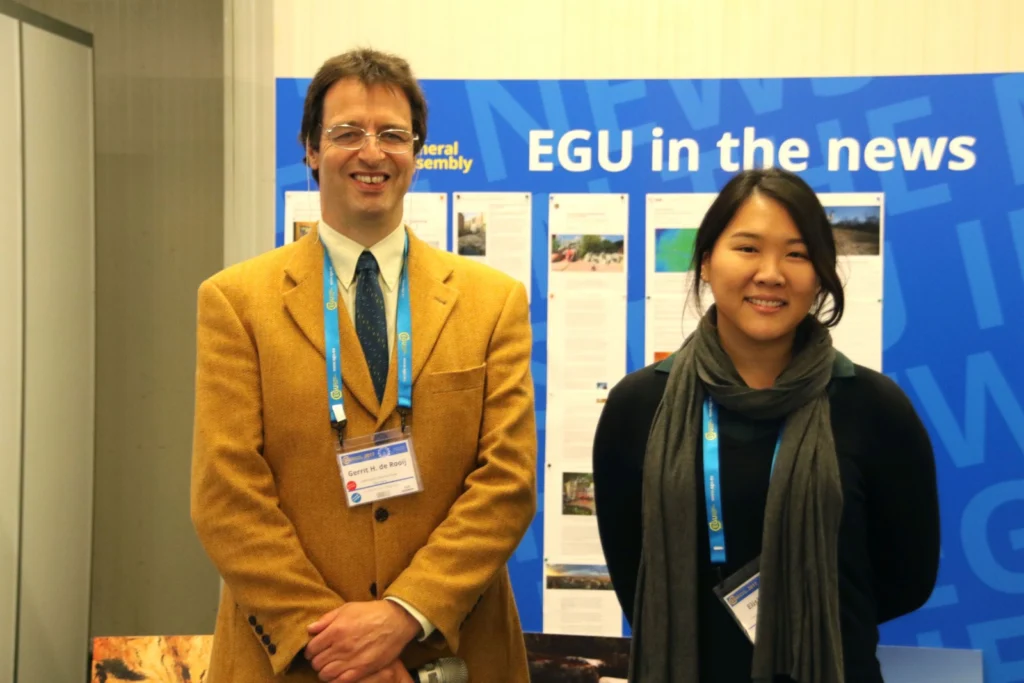
Congratulations to Elisha Teo, the winner of the Communicate Your Science Video Competition 2017. Elisha is a PhD Candidate at National University of Singapore. Display "Teo Lost Rivers" from YouTube Click here to display content from YouTube. Learn more in YouTube’s privacy policy (opens in a new tab). Please enable JavaScript in your browser to …[Read More]

Knowing the ocean’s twists and turns

Knowing the ocean’s twists and turns

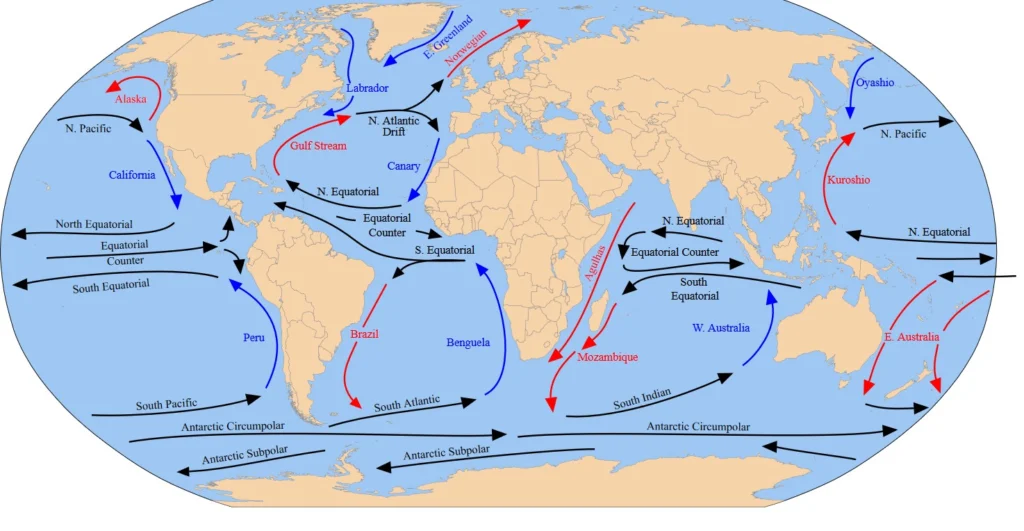
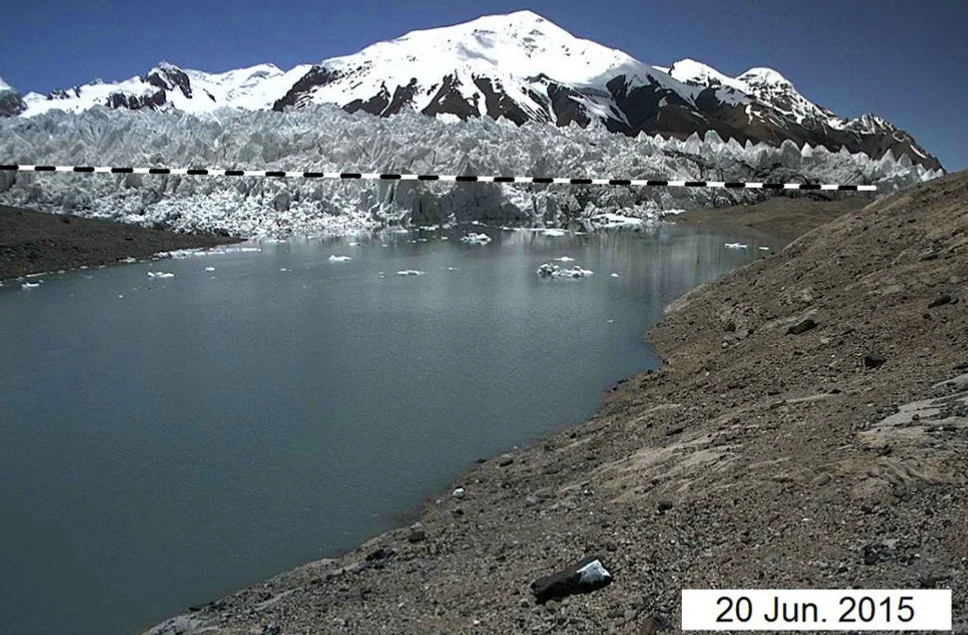
Navigating the ocean demands a knowledge of its movements. In the past, sailors have used this knowledge to their advantage, following the winds and the ocean currents to bring them on their way. Prior to mutiny in 1789, Captain Bligh – on the HMS Bounty – famously spent a month attempting to pass westward through …[Read More]

Imaggeo on Mondays: Atmospheric gravity waves

Imaggeo on Mondays: Atmospheric gravity waves

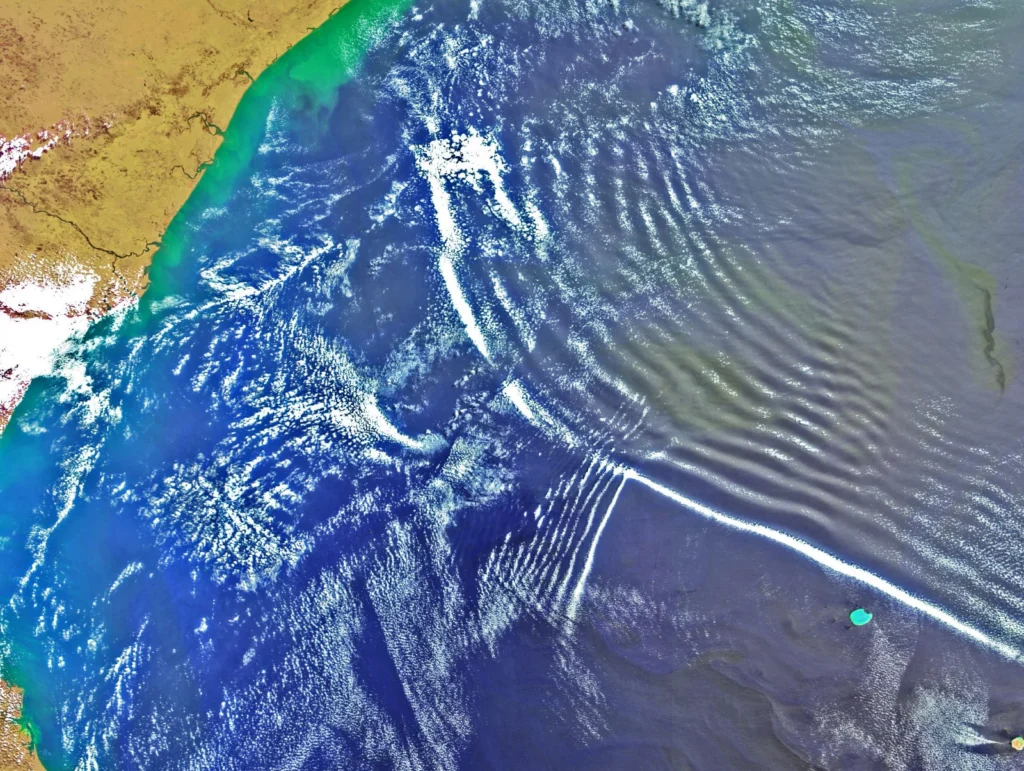
From the tiny vibrations which travel through air, allowing us to hear music, to the mighty waves which traverse oceans and the powerful oscillations which shake the ground back and forth during an earthquake, waves are an intrinsic part of the world around us. As particles vibrate repeatedly, they create an oscillation, which when accompanied …[Read More]

GeoTalk: How are clouds born?

GeoTalk: How are clouds born?

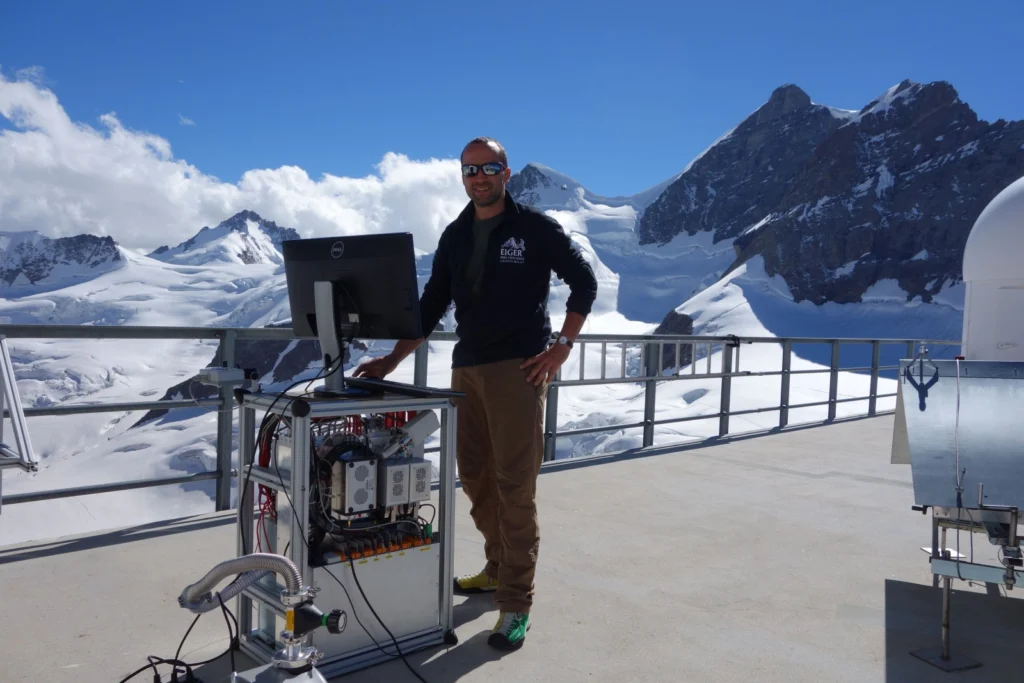
Geotalk is a regular feature highlighting early career researchers and their work. In this interview we speak to Federico Bianchi, a researcher based at University of Helsinki, working on understanding how clouds are born. Federico’s quest to find out has taken him from laboratory experiments at CERN, through to the high peaks of the Alps …[Read More]

Imaggeo On Mondays: Halo

Imaggeo On Mondays: Halo

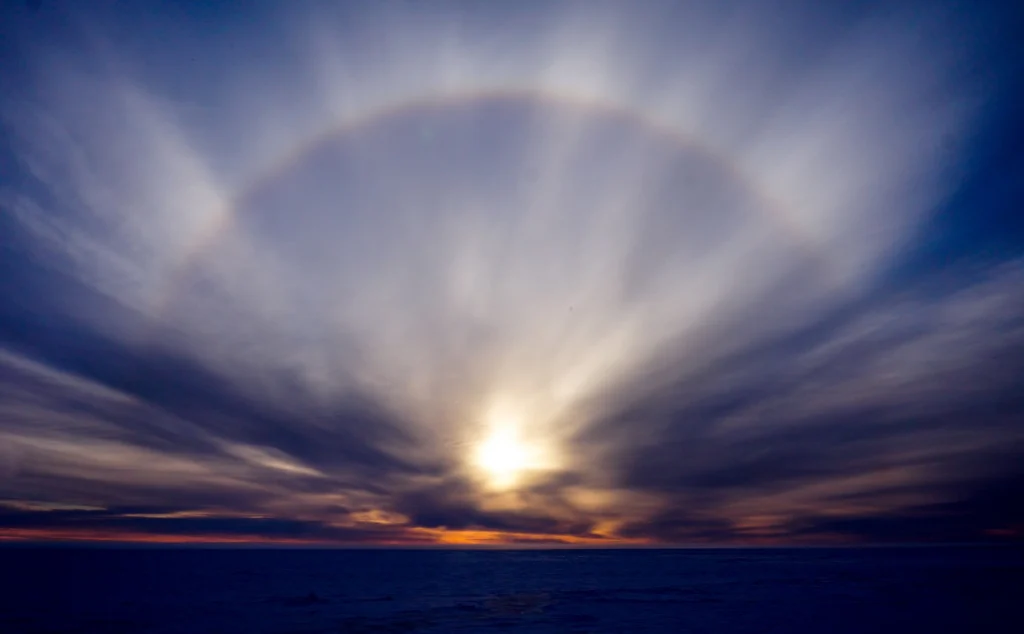
One of the main perks of being a geoscientist is that, often, research takes scientists all around the globe to conduct their work. While fieldwork can be hard and challenging it also offers the opportunity to see stunning landscapes and experiencing unusual phenomenon. Aboard the Akademik Tryoshnikov research vessel, while cruising the Kara Sea (part …[Read More]