GeoLog

Biogeosciences

Imaggeo On Monday: A drift of sea-snail shells
Imaggeo On Monday: A drift of sea-snail shells

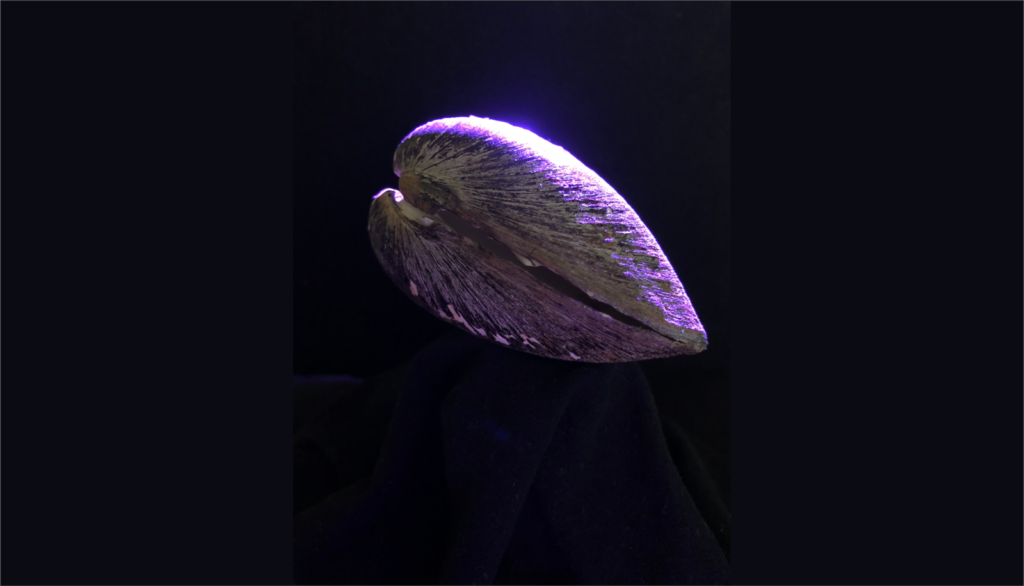
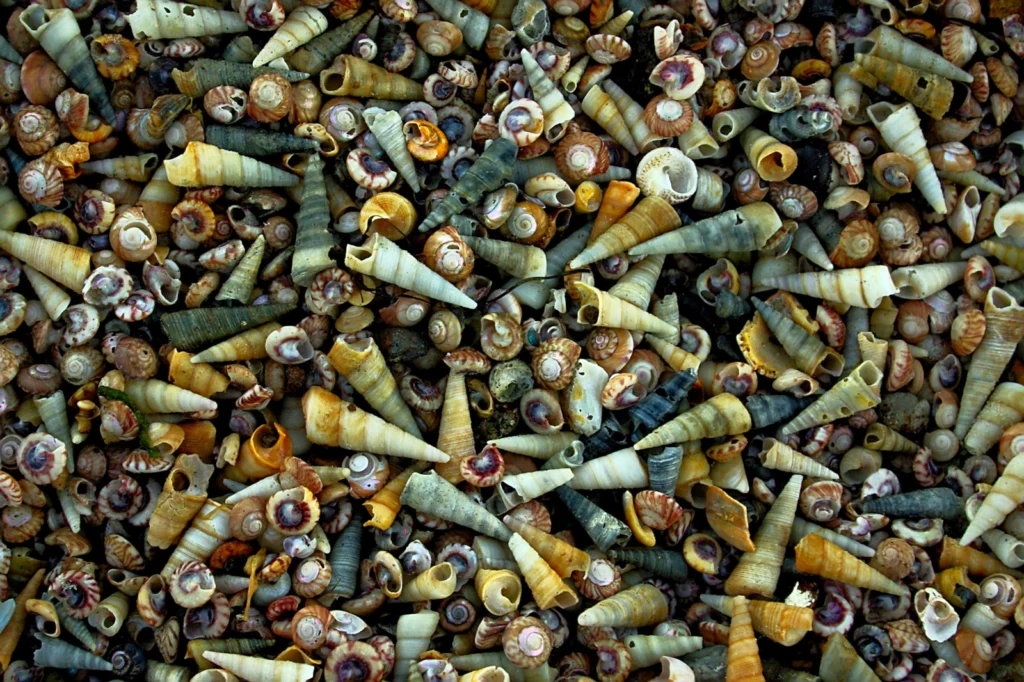
A collection of washed-up shells on a beach on the south island of New Zealand. Shore transport processes have produced a well-sorted drift of similarly sized (approx. 1-2 cm) shells and shell fragments. The main species represented are the common turret shell (Maoricolpus roseus) and wheel shell (Zethalia zelandica), both sea snails endemic to New …[Read More]

Winners of the EGU Best Blog Posts of 2020 Competition

Winners of the EGU Best Blog Posts of 2020 Competition

2020 was a brilliant year for our blogging network here at EGU. Across the EGU’s official blog, GeoLog, as well as the network and division blogs there were so many interesting, educational and just downright entertaining posts this year it was hard to get the blog editors to choose their favourites! Nevertheless at the beginning of January, to …[Read More]

Imaggeo On Monday: The kidneys of the Planet

Imaggeo On Monday: The kidneys of the Planet

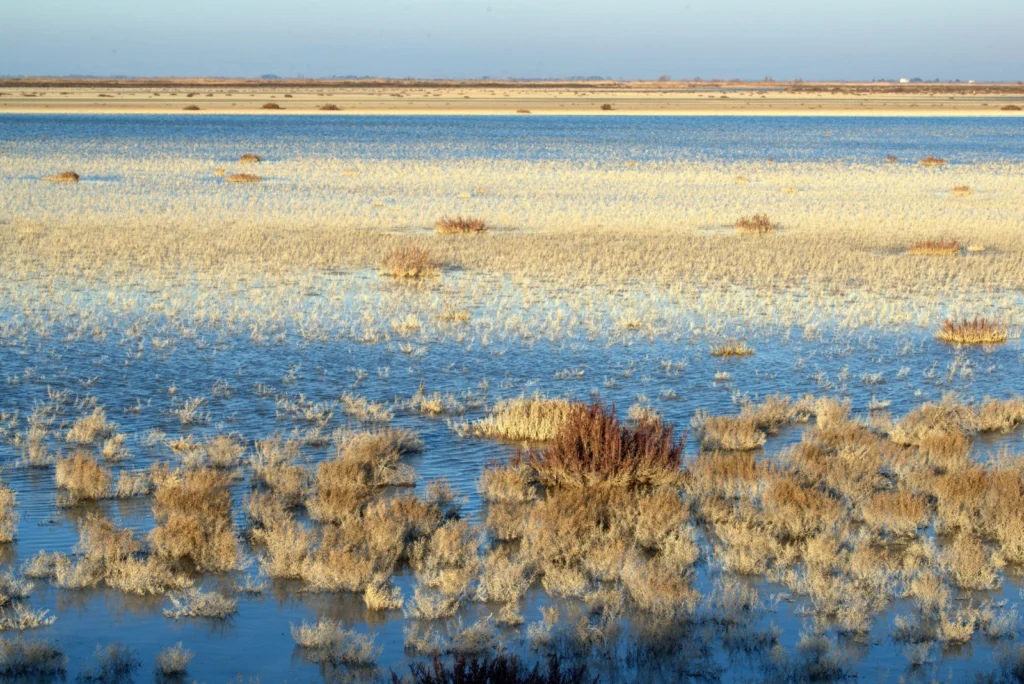
In the past, humans considered wetlands as morbid environments where it was difficult, if not impossible, to live. Wetlands, instead, are vital to the health of wildlife and humans, as the Ramsar convention stated in 1971. Wetlands regulate the water flow, buffering droughts as well as floods, and also contribute to the provision of clean …[Read More]

Imaggeo On Monday: The veins of the living planet

Imaggeo On Monday: The veins of the living planet

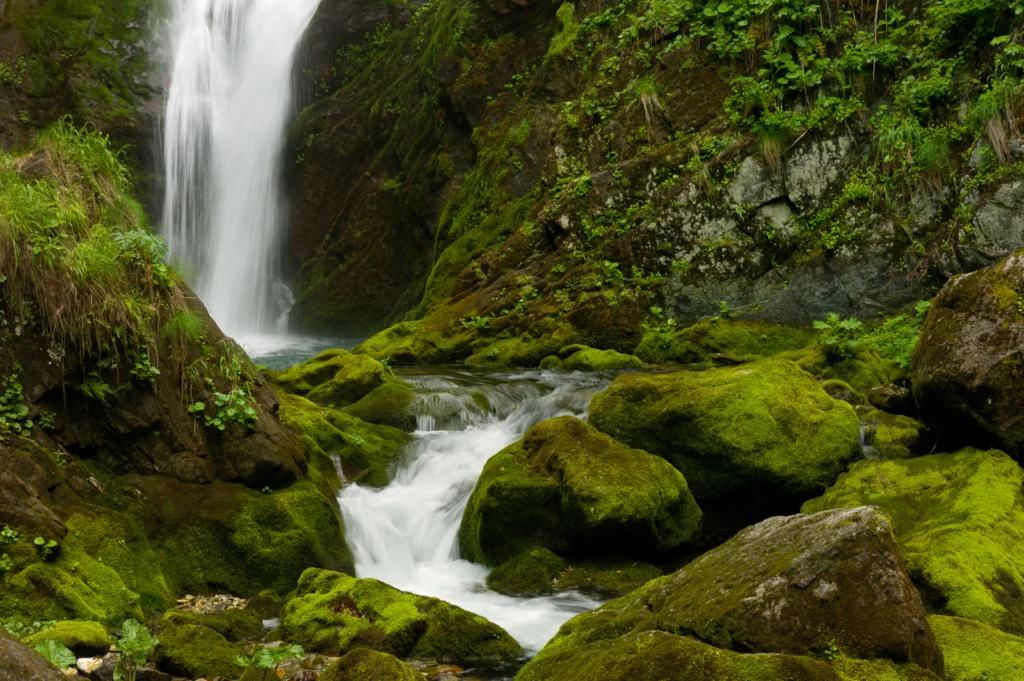
Today’s imaggeo on Monday provides us with a space to reflect on the interconnected nature of our planet’s systems. The photographer, Antonello Provenzale, wrote of this image: Earth is a living planet, where the water cycle plays an essential role. A waterfall in the mountains of Valle Pesio, Italy, in a landscape of vegetation and …[Read More]

Imaggeo On Monday: Burnt roots

Imaggeo On Monday: Burnt roots

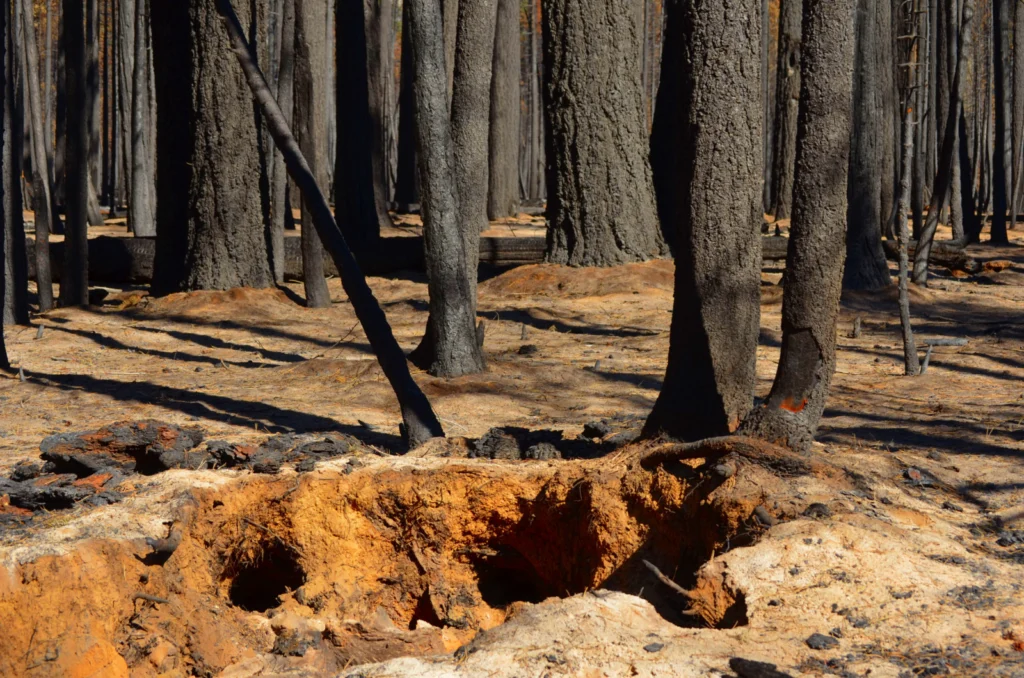
Fires are a common and often natural worldwide phenomena, that are often integral to the lifecycle of certain land-based ecosystems. Despite this, frequent or unusually intense fires can have significant effects on plant productivity, plant community composition and root properties. Although many trees have evolved to grow in fire prone areas, they usually have certain …[Read More]

Imaggeo On Monday: A marvellous sequoia in spring time

Imaggeo On Monday: A marvellous sequoia in spring time

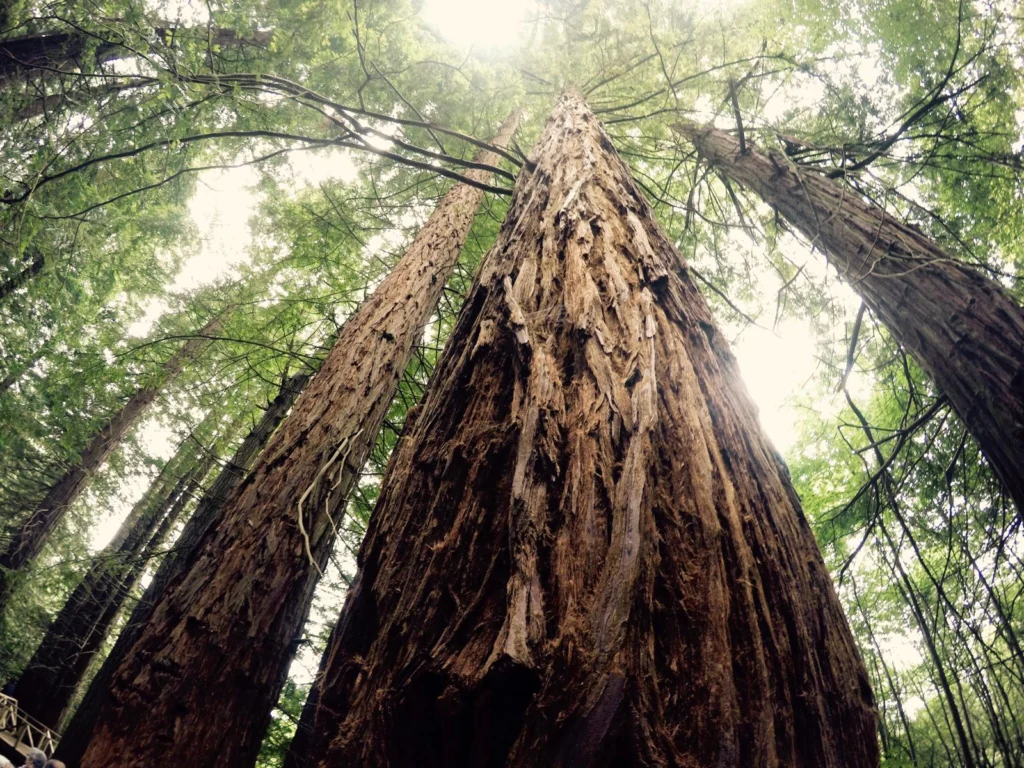
Although more commonly associated with the west coast of the United States, if you visit Cabezón de la Sal in Spain you may come across a stand of giant redwood trees or Sequoia. Around 800 trees were brought to Spain in the 1940s, so are still very young, but even at their young age they …[Read More]