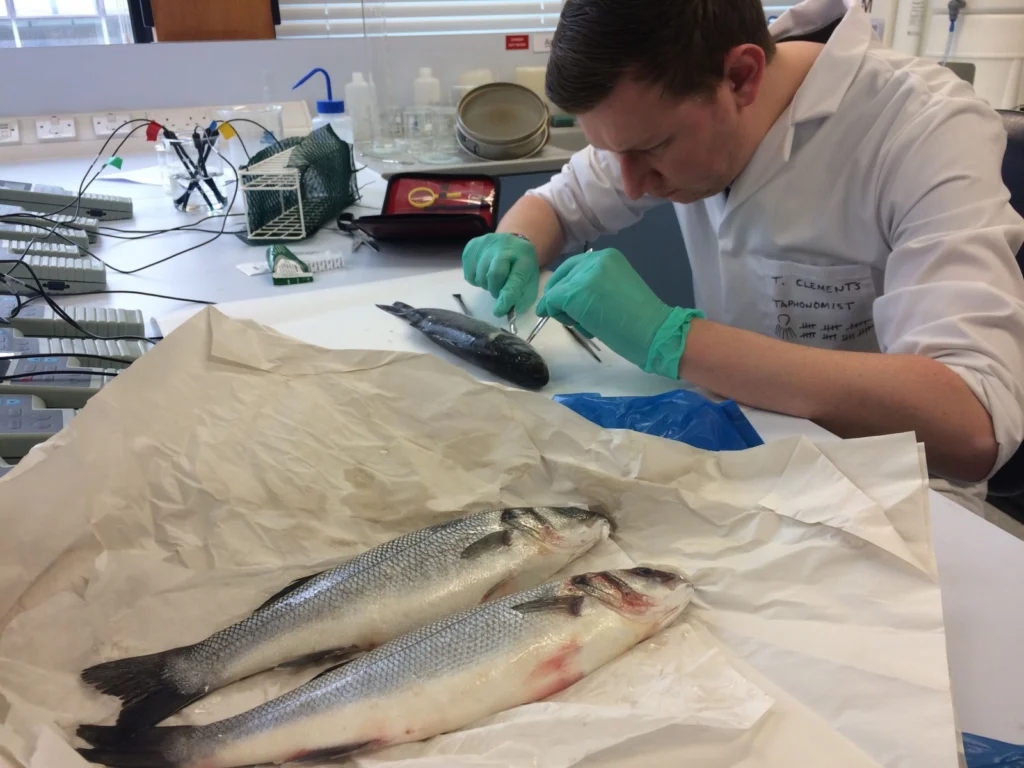
It’s 10am and Thomas Clements, a 3rd year palaeobiology PhD Student, is getting ready to check on his latest experiment. Full kited up in what can only be described as a space suit, Thomas carefully approaches the fume cupboard home to his latest specimen: a decaying seabass, balanced on a specially designed ‘hammock’ in a …[Read More]
Share the work you presented at EGU 2016: upload your presentations for online publication
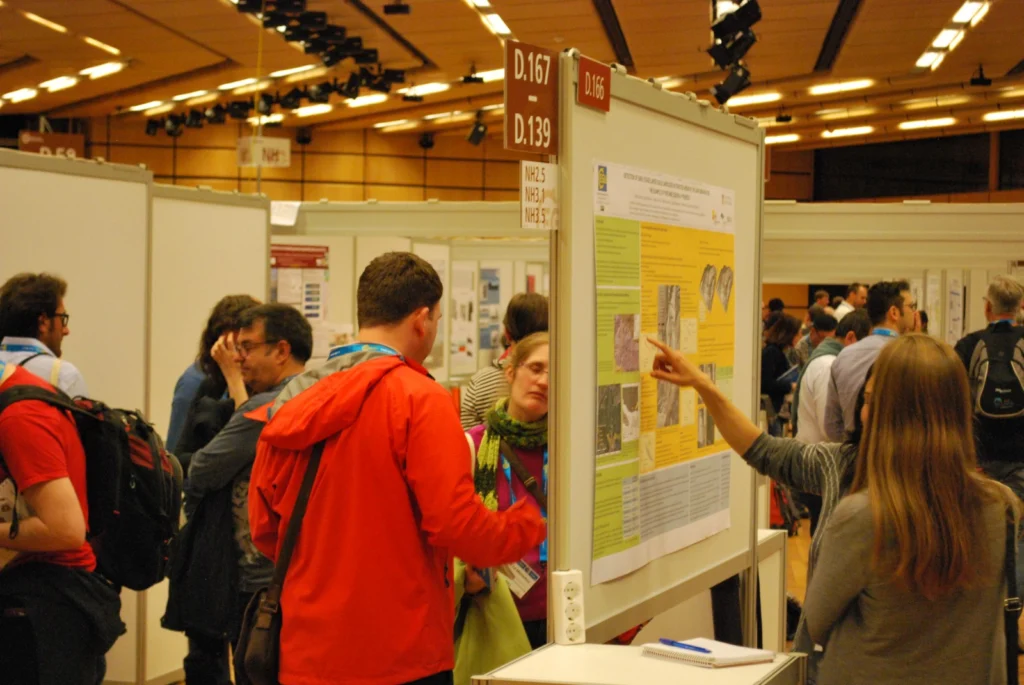
This year it is, once again, possible to upload your oral presentations, PICO presentations and posters from EGU 2016 for online publication alongside your abstract, giving all participants a chance to revisit your contribution – hurrah for open science! Files can be in either PowerPoint or PDF format. Note that presentations will be distributed under the Creative Commons Attribution …[Read More]
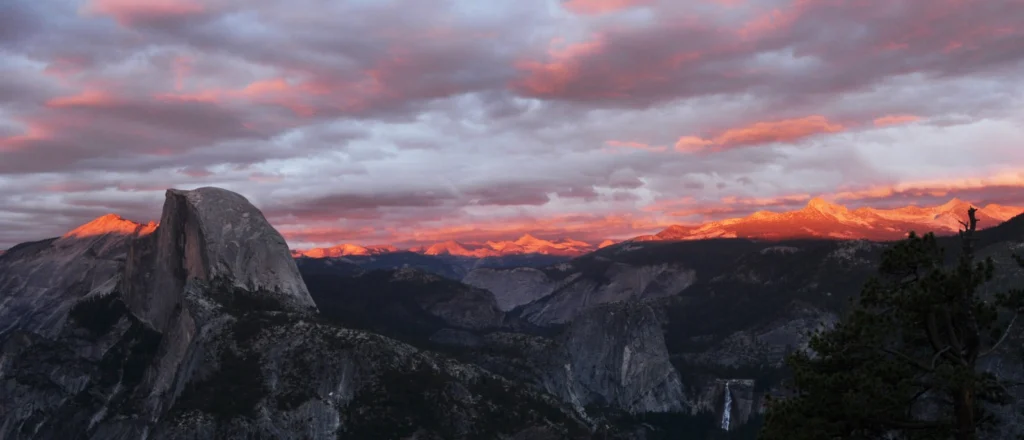
Imaggeo on Mondays: Half dome at sunset
Yosemite’s Half Dome stands, majestic, over a granite dominated terrain in the Yosemite Valley area; one of the most beautiful landscapes in northern America, and arguably, the world – it is also an Earth scientist’ playground. Stamped into the west slope of the Sierra Nevada range, the Yosemite Valley is a collection of lush forests, …[Read More]
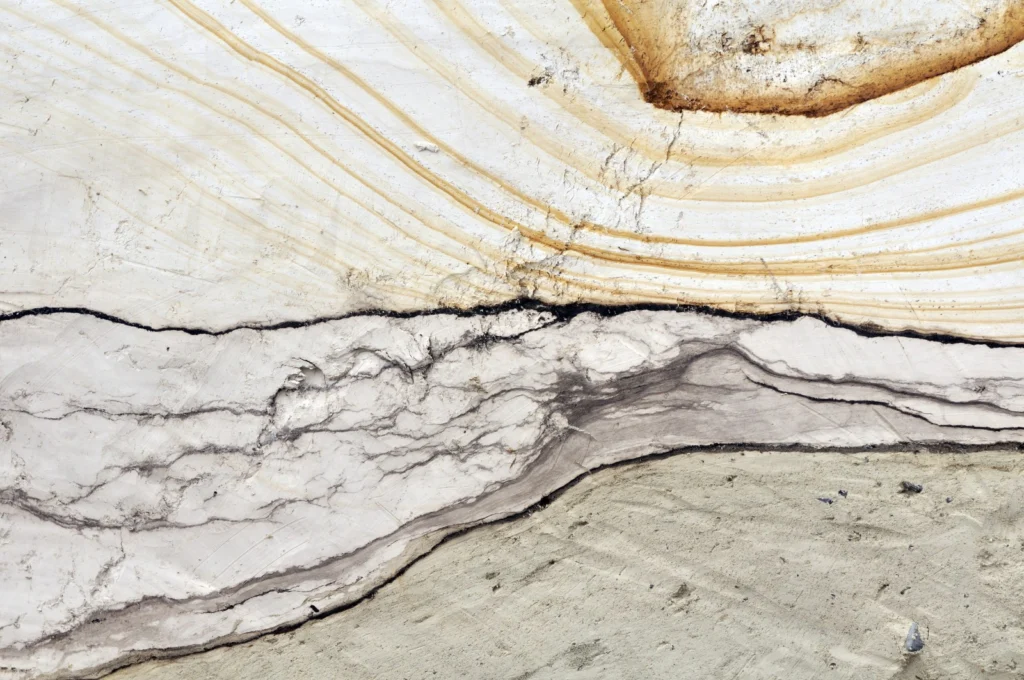
Imaggeo on Mondays: Earth Wave
Take a stroll along the norther beaches of the French Channel Coast, some kilometers east from the entrance of the Channel Tunnel, and you’ll encounter an imposing cliff of soft, sandy composition which dominates the landscape. On close inspection, the sediments which make up the Quaternary aged deposits of the Sangatte Cliff, are beautiful, revealing …[Read More]
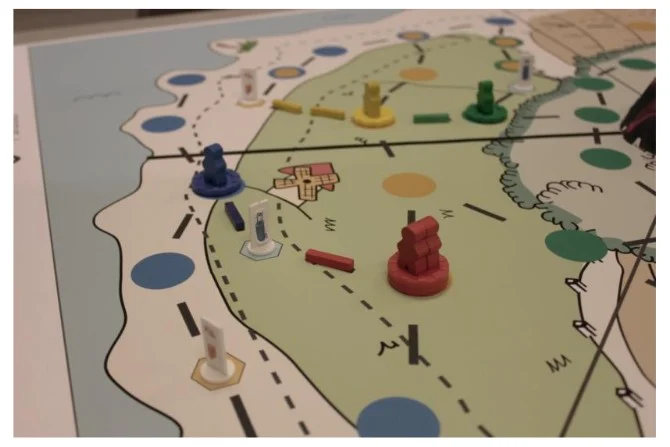
GeoSciences Column: Hazagora – will you survive the next disaster?
There is no better thing, on a cold and stormy winter’s evening, than to gather your friends for a night of games / board games. Fire blazing (if you have one), tasty snacks laid out and drinks poured, you are all set to indulge in a night of scheming (if you are playing battle ship), …[Read More]
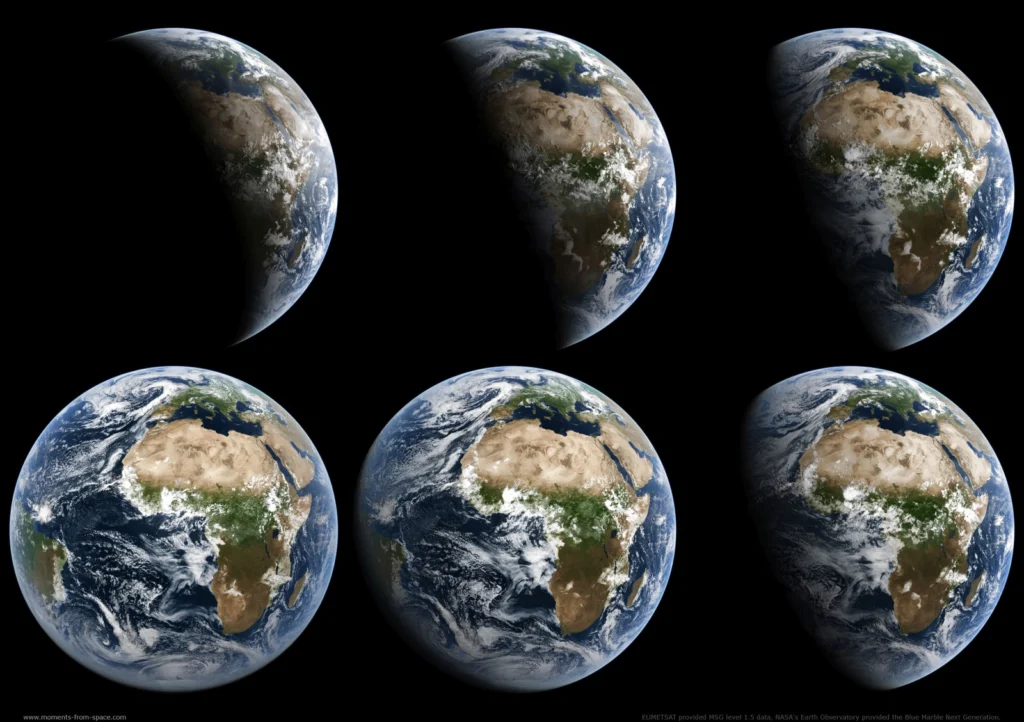
Imaggeo on Mondays: The waxing Earth
These incredible images of Earth were acquired from the European MSG-2 satellite on July 21, 2009. The MSG, which stands for Meteosat Second Generation, satellites are operated as a series of satellites which continually orbit our planet, capturing detailed images of Europe, Africa and parts of the Atlantic and Indian Ocean every 15 minutes. The data acquired …[Read More]
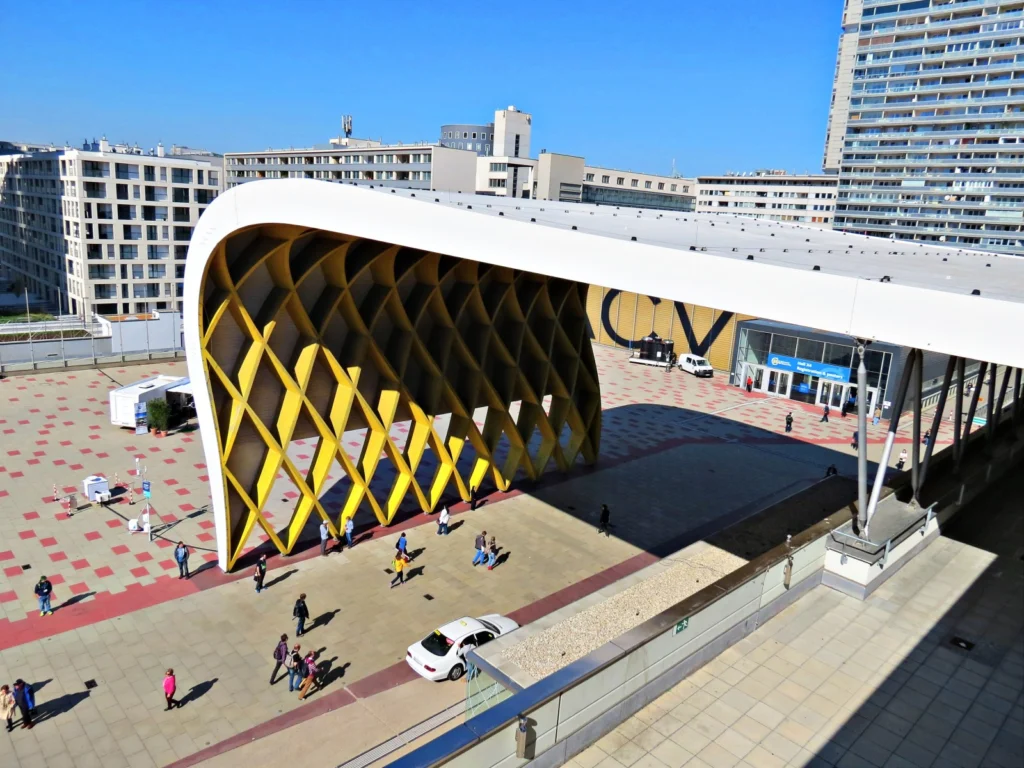
Imaggeo on Mondays: a big thank you from the EGU
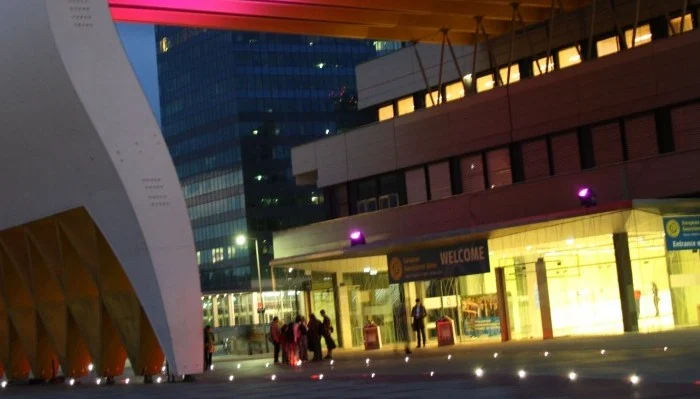
Outside EGU General Assembly 2016. Credit: Kai Boggild/EGU (distributed via imaggeo.egu.eu) The past week in Vienna was a busy one! Hordes of Earth, ocean and planetary scientists came together to present, share and discuss their most recent scientific findings at the 2016 General Assembly. The conference was a great success, with over 4800 oral and …[Read More]
Communicate Your Science Competition Winner Announced!
Congratulations to Beatriz Gaite, the winner of the Communicate Your Science Video Competition 2016. Beatriz is a researcher at the department of Earth’s Structure and Dynamics and Crystallography at the Instituto de Ciencias de la Tierra Jaume Almera (ICTJA-CSIC), in Spain. Display "Subtle Whisper Of The Earth by Beatriz Gaite" from YouTube Click here to …[Read More]
Announcing the winners of the EGU Photo Contest 2016!
The selection committee received over 200 photos for this year’s EGU Photo Contest, covering fields across the geosciences. Participants at the 2016 General Assembly have been voting for their favourites throughout the week of the conference and there are three clear winners. Congratulations to 2016’s fantastic photographers! In addition, this year, to celebrate the theme …[Read More]
At the Assembly: Friday highlights
The conference is coming to a close and there’s still an abundance of great sessions to attend! Here’s our guide to getting the most out of the conference on its final day. Boost this information with features from EGU Today, the daily newsletter of the General Assembly – pick up a paper copy at the …[Read More]