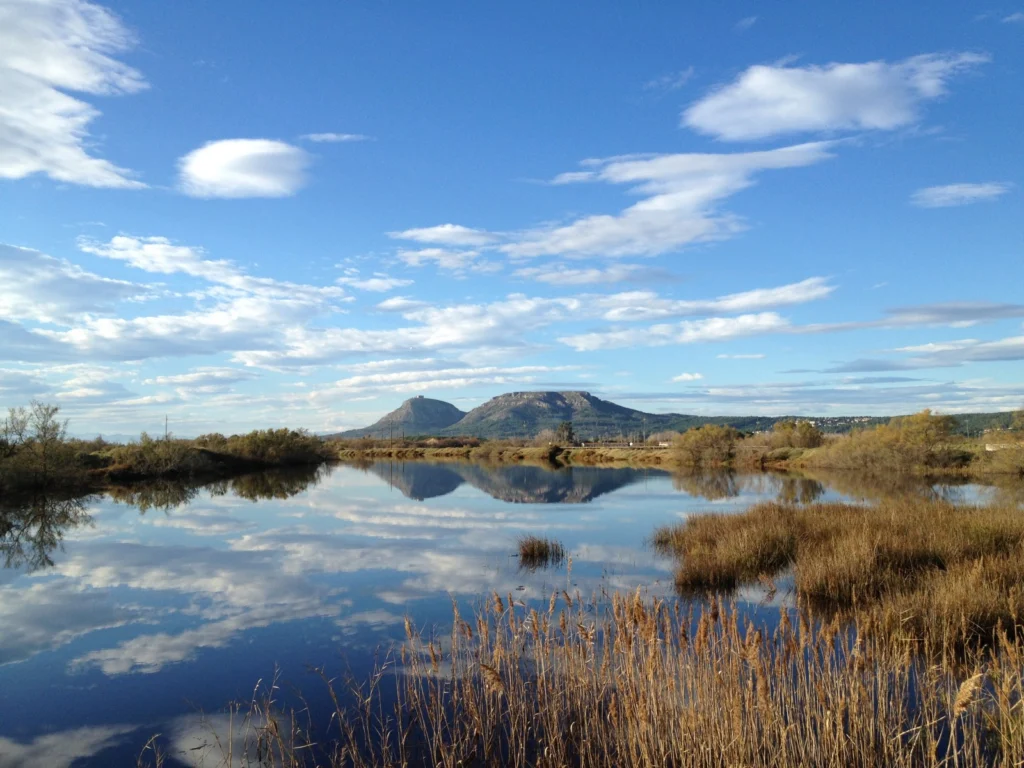
Groundwater is an often underestimated natural resource, but it is vital to the functioning of both natural and urban environments. Indeed, it is a large source of drinking water for communities world-wide, as well as being heavily used for irrigation of crops and crucial for many industrial processes. The water locked in the pores and …[Read More]
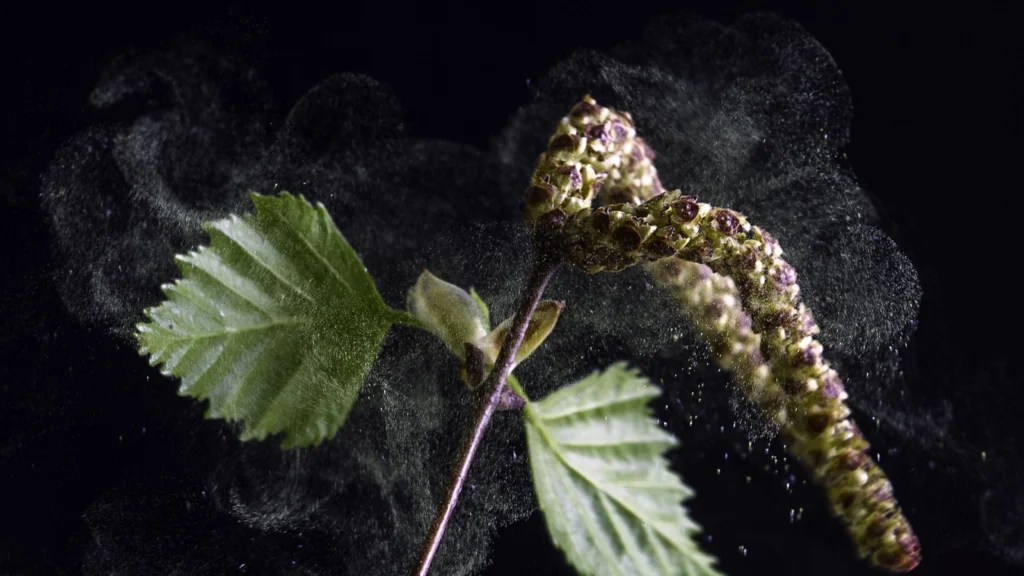
Geosciences Column: Pollen tells a 7300 year old story of Malta’s climate and vegetation
Figuring out what the climate was like, and how it changed, throughout Earth’s history is like trying to complete a 1000 piece puzzle. Except that scientists usually don’t have all the nuggets and building a comprehensive picture relies on a multidisciplinary approach in order to fill in the blanks. This is particularly true during the …[Read More]
Finding Funding: a how to guide to applying for research grants
Drafting your first grant proposal can be daunting. Grant writing improves with experience, so how do early career scientists compete on an equal footing with those who are more established? At this year’s General Assembly we tackled this very question at the Finding Funding (SC46) short course. Grant Allen, an atmospheric scientist, who has plenty …[Read More]
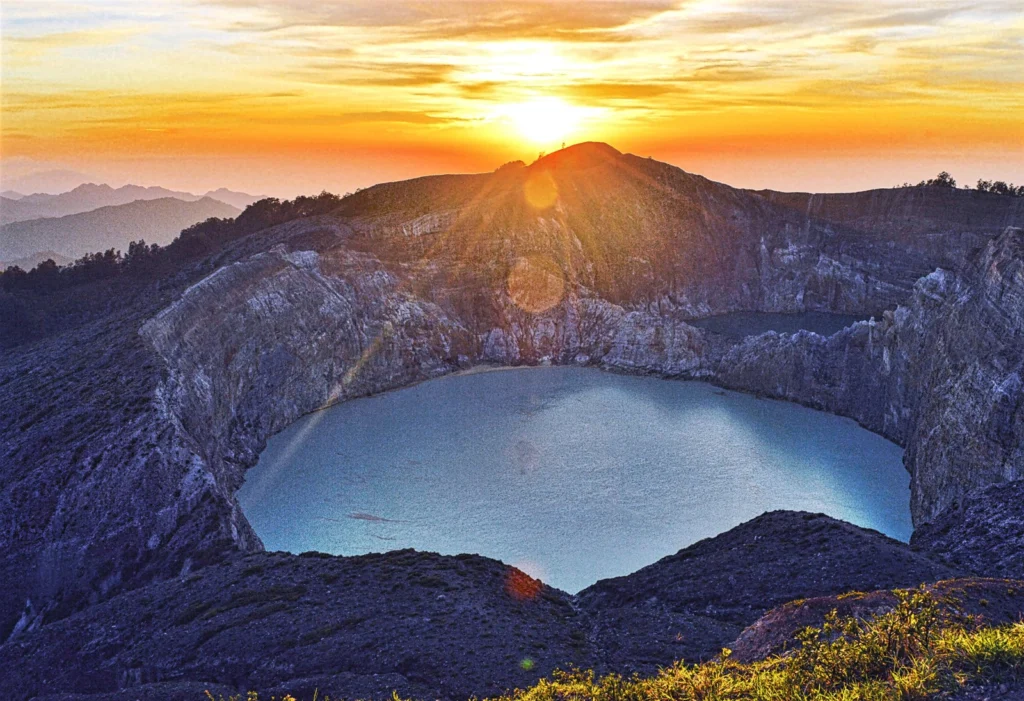
Imaggeo on Mondays: A sunrise over Kelimutu’s three-colour lakes
Volcanoes are undeniably home to some of the most beautiful landscapes on Earth. It doesn’t take much imagination to picture slopes of exceedingly fertile mineral rich soils, covered in lush vegetation; high peaks punching through cloud cover offering stunning vistas and bubbling pools of geothermally warmed waters were one can soak ones worries away. What …[Read More]
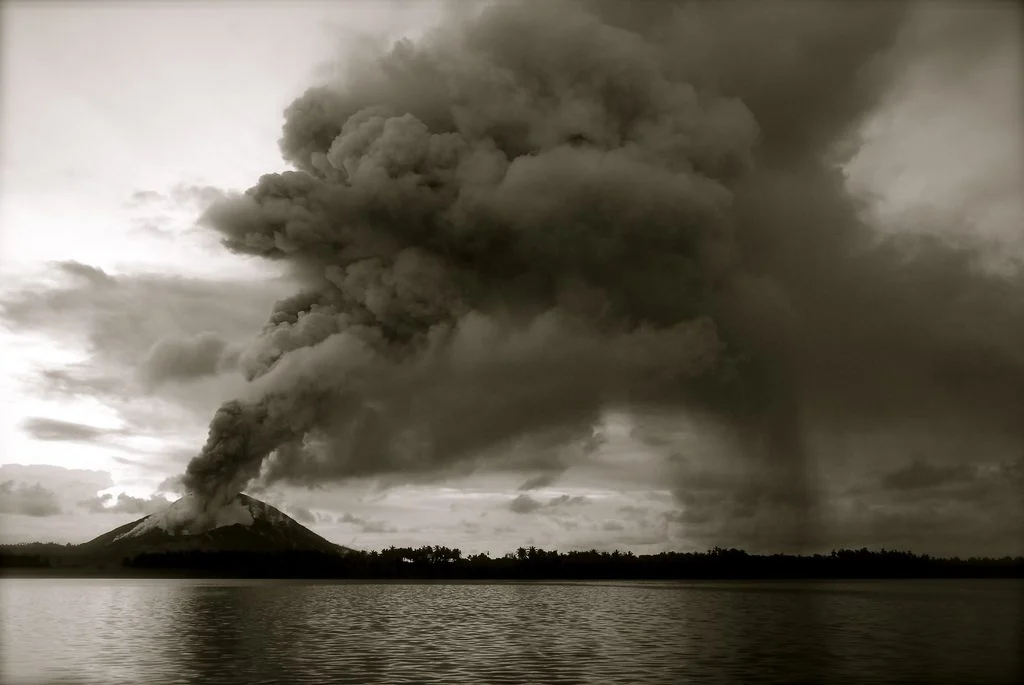
Volcanic darkness marked the dawn of the Dark Ages
The dawn of the Dark Ages coincided with a volcanic double event – two large eruptions in quick succession. Combined, they had a stronger impact on the Earth’s climate than any other volcanic event – or sequence of events – in the last 1200 years. Historical reports reveal that a mysterious dust cloud dimmed the …[Read More]
GeoEd: Planet Press – geoscience news for children
Inspiring children to be interested in the geosciences isn’t always an easy task. While dinosaurs, volcanoes and earthquakes are a sure hook (rightly so!), there is also much more to the Earth, ocean and planetary sciences! Not only that, but new developments happen much more quickly than the lifetime of a textbook, meaning that breaking …[Read More]
General Assembly 2016 – Highlights
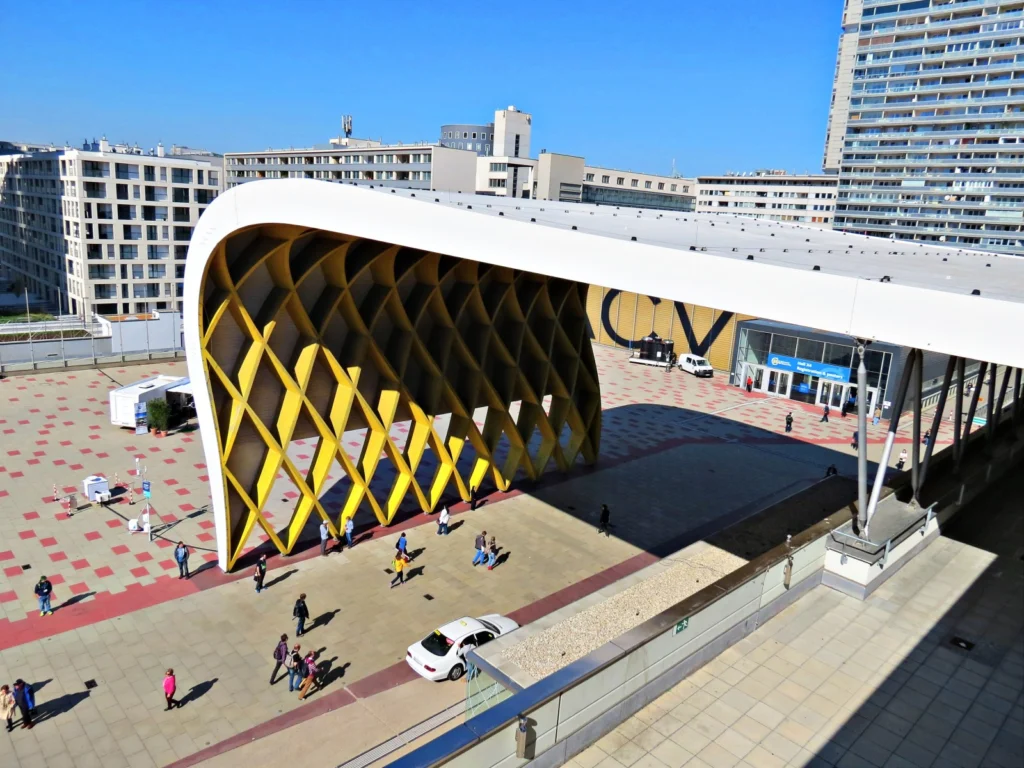
It’s been a month and a half since the EGU General Assembly 2016 in Vienna. The conference this year was a great success with 863 oral, 10,320 poster, and 947 PICO presentations. A further 619 unique scientific sessions were complimented by an impressive 321 side events, creating an interesting and diverse programme.The conference brought together …[Read More]
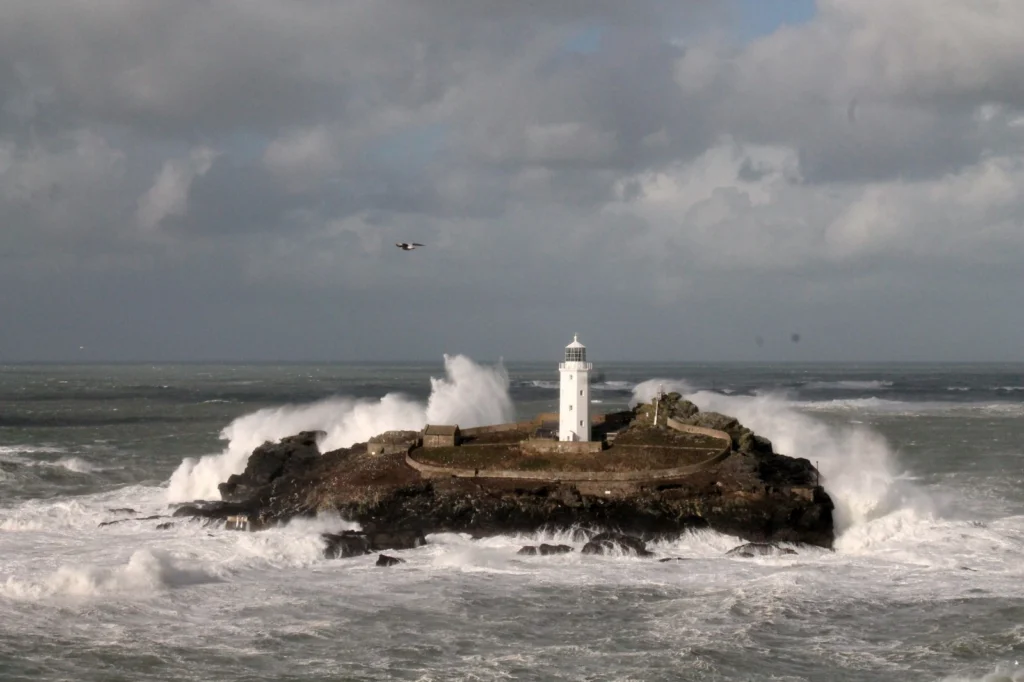
Imaggeo on Mondays: The British Winter Storms
This week’s imaggeo on Monday’s photography is Godrevy Lighthouse in North Cornwall (UK) experiencing the full force of the 2013/14 British Winter Storms which caused damage across the south west of the country. During mid-December 2013 to mid-February 2014 the UK was hit by six major storms bringing record precipitation, strong winds, huge waves and …[Read More]
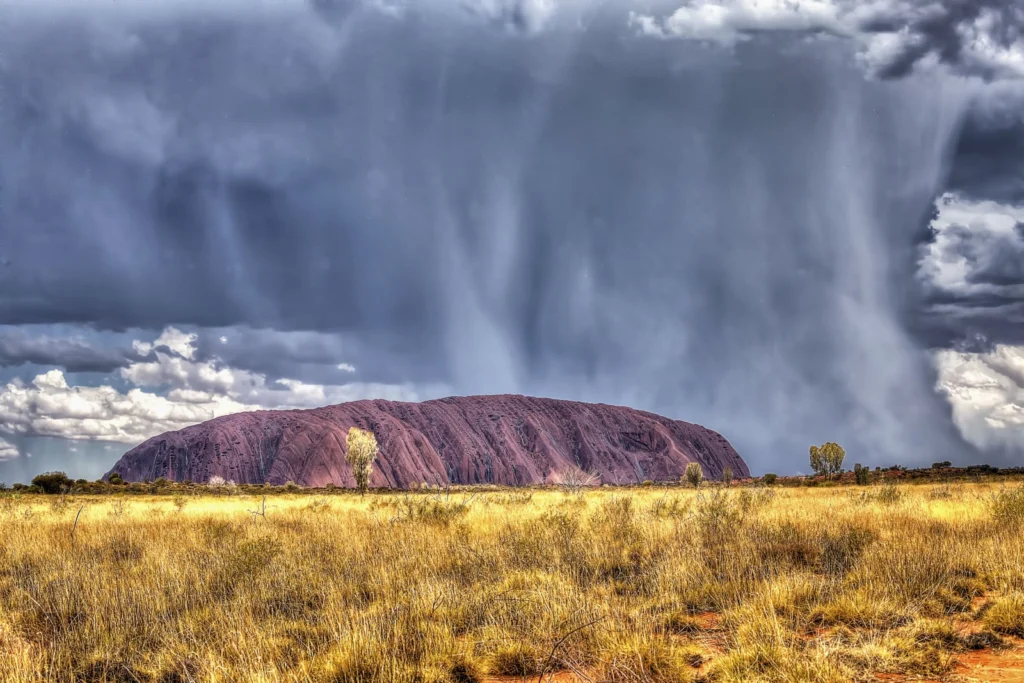
Imaggeo on Mondays: Storm on the Rock
This is a photograph of Uluru, in the Northern Territory of Australia, on a hot and humid summer afternoon. As lightning flashed about, torrential rains swept across the landscape and silver rivulets of water began to rush down the sides of the mountain. Uluru is made of red-coloured Proterozoic arkosic sandstones, a coarse grained lithology …[Read More]
Imaggeo on Mondays: Moving images – Photo Contest 2016
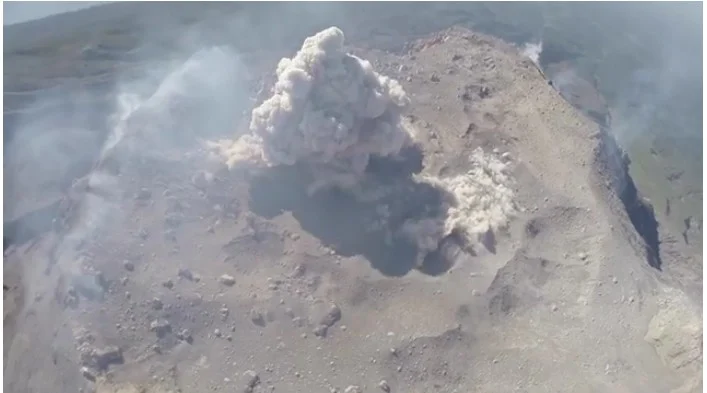
Since 2010, the European Geosciences Union (EGU) has been holding an annual photo competition and exhibit in association with its General Assembly and with Imaggeo – the EGU’s open access image repository. In addition to the still photographs, imaggeo also accepts moving images – short videos – which are also a part of the annual …[Read More]