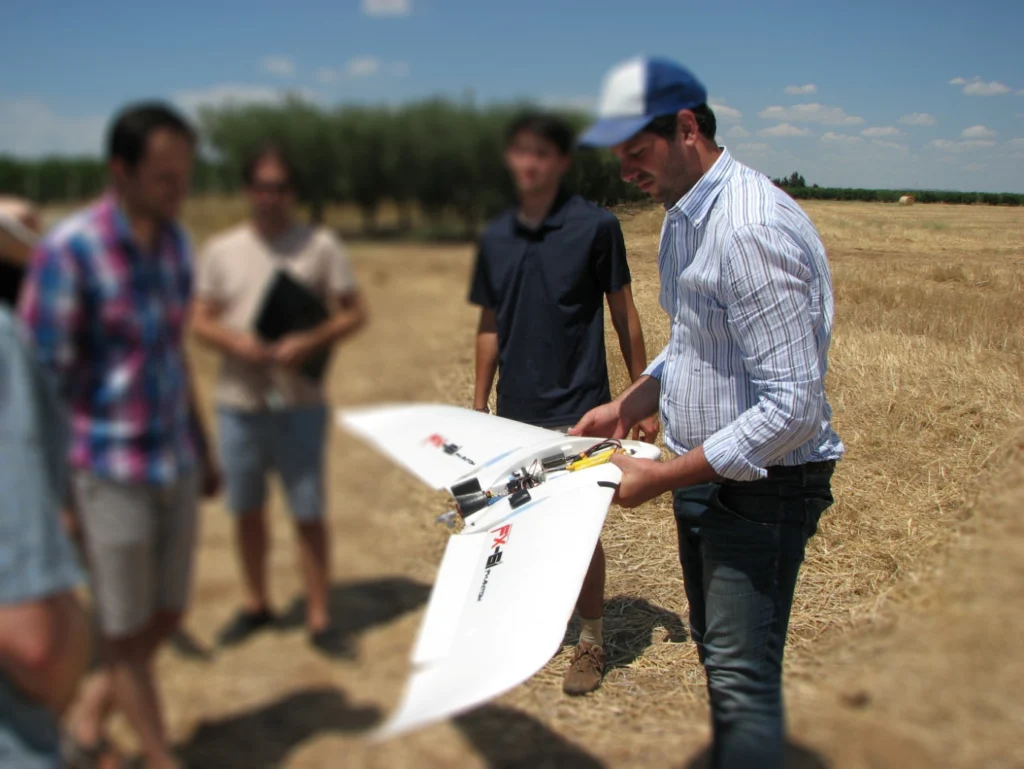
In addition to the usual GeoTalk interviews, were we highlight the work and achievements of early career researchers, over the next few months we’ll be introducing the Division early career scientist representatives (ECS). They are responsible for ensuring that the voice of EGU ECS membership is heard. From organising short courses during the General Assembly, …[Read More]
GeoTalk: REcycle textile posters into useful products
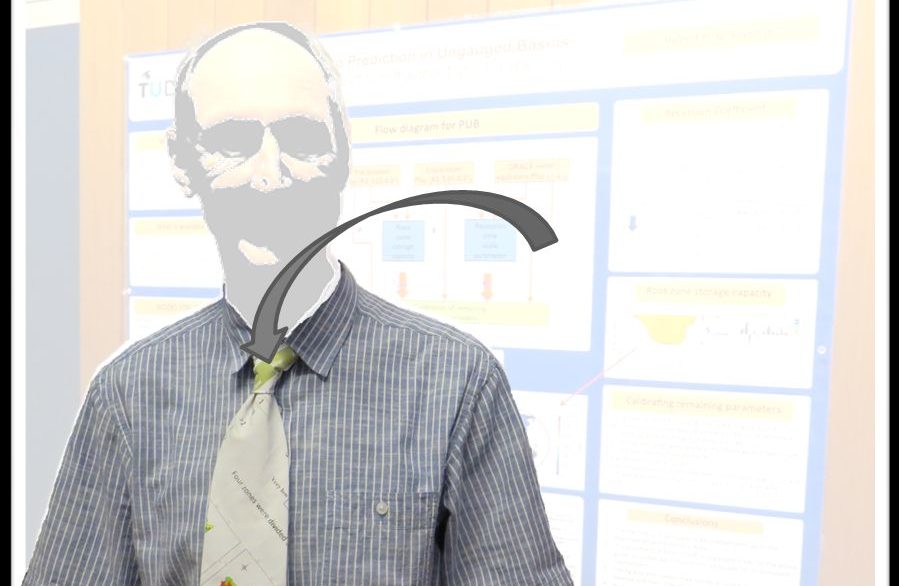
Conference posters: Most scientists spend tens (if not hundreds) of working hours perfecting their conference poster. There’s not just the science to think about, but also the design, the flow, the images, the language… The list is endless. Once complete, you print it, roll it up and feed it into the protective poster tube. Then …[Read More]
Imaggeo on Mondays: Coastal erosion
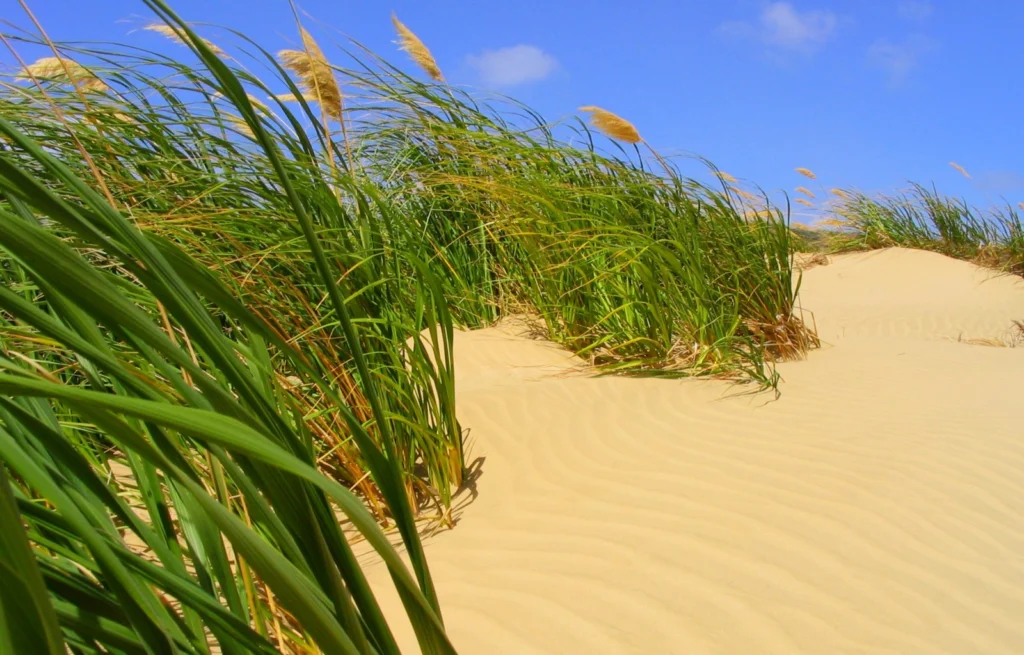
Coastlines take a battering from stormy seas, gales, windy conditions and every-day wave action. The combined effect of these processes shapes coastal landscapes across the globe. In calm weather, constructive waves deposit materials eroded elsewhere and transported along the coast line via longshore-drift, onto beaches, thus building them up. Terrestrial material, brought to beaches by …[Read More]
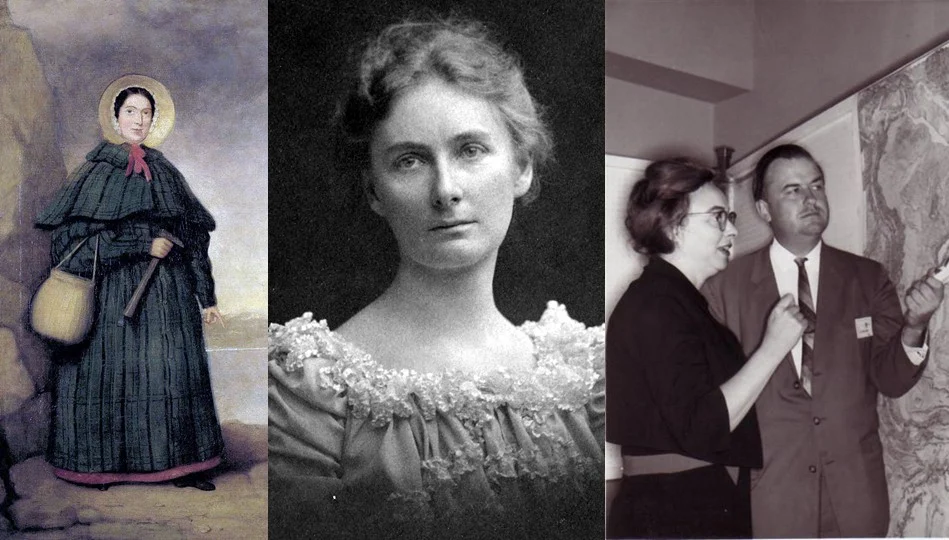
Who do you think most deserves the title of the Mother of Geology?
Much ink is spilled hailing the work of the early fathers of geology – and rightly so! James Hutton is the mind behind the theory of uniformitarianism, which underpins almost every aspect of geology and argues that processes operating at present operated in the same manner over geological time, while Sir Charles Lyell furthered the …[Read More]
My film is ready, now what?
It’s no secret that at EGU we believe using film as a medium to communicate science and engage the public with research is a great tool! So much so that we organise an annual competition for early career scientists (ECS) to produce a three-minute video to share their research with the general public, as well …[Read More]
Imaggeo on Mondays: Rock glaciers
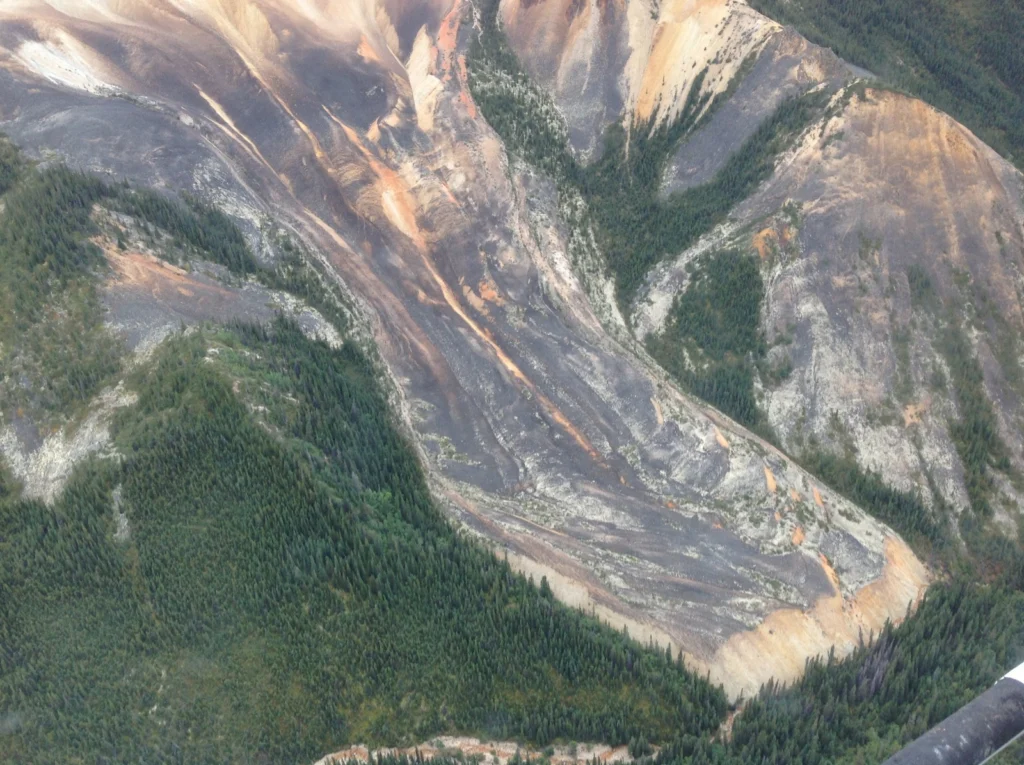
Picture a glacier and you probably imagine a vast, dense mass of slow moving ice; the likes of which you’d expect to see atop the planet’s high peaks and at high latitudes. Now, what if not all glaciers look like that? Take some ice, mix in some rock, snow and maybe a little mud and …[Read More]
Geosciences Column: The World’s soils are under threat
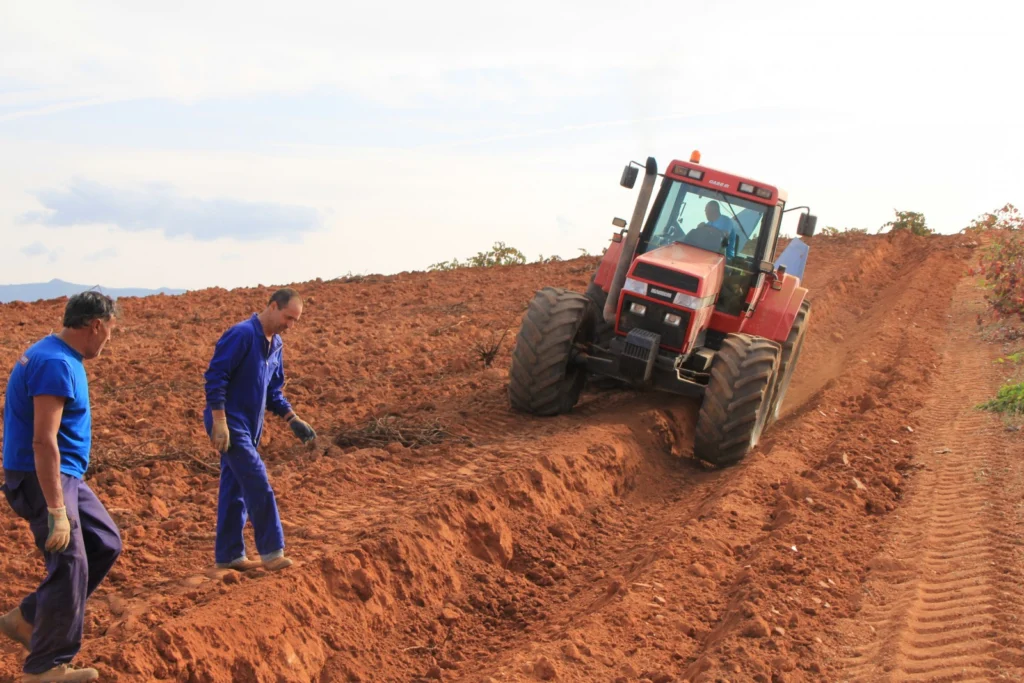
An increasing global population means that we are more dependant than ever on soils. Soils are crucial to securing our future supplies of water, food, as well as aiding adaptation to climate change and sustaining the planet’s biosphere; yet with the decrease in human labour dedicated to working the land, never have we been more …[Read More]
GeoTalk: Matt Taylor of ESA’s Rosetta mission
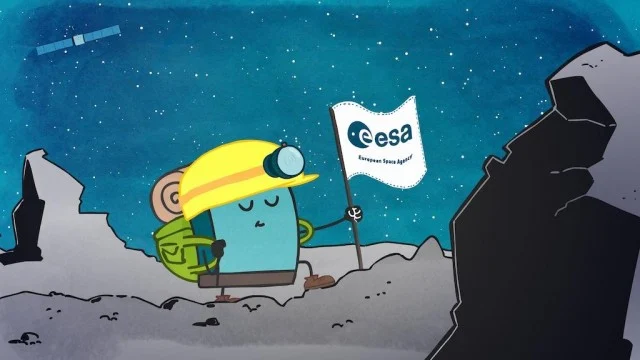
In November 2014, space exploration history was made. Millions of kilometres away, orbiting a piece of ice and rock, the European Space Agency’s (ESA) Rosetta mission sent its probe Philae to become the first spacecraft to soft-land on a comet. After the tense 7-hour wait that followed the separation from the main orbiter, a tweet …[Read More]
Imaggeo on Mondays: The glacial landscape of Yosemite
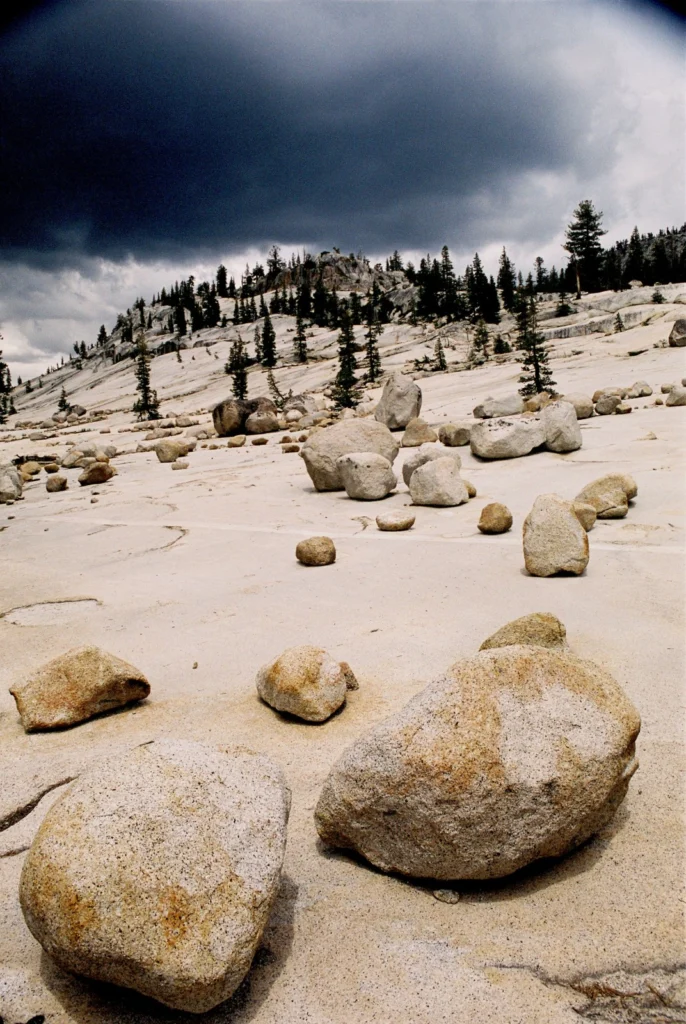
Yosemite National Park, in California, is renowned for its beautiful and striking landscapes. So much so, this is the second time it has feature on the blog this summer. While our last post on the park focused on the ancient volcanic history of its landscape, in this post we fast forward to the Plesitocene (some …[Read More]
Shape the EGU 2017 scientific programme: Call-for-sessions is open!
Do you enjoy the EGU’s annual General Assembly but wish you could play a more active role in shaping the scientific programme? Now is your chance! From today, until 9 Sep 2016, you can suggest: sessions (with conveners and description), or; modifications to the existing skeleton programme sessions Explore the EGU2017 Programme groups (PGs) to …[Read More]