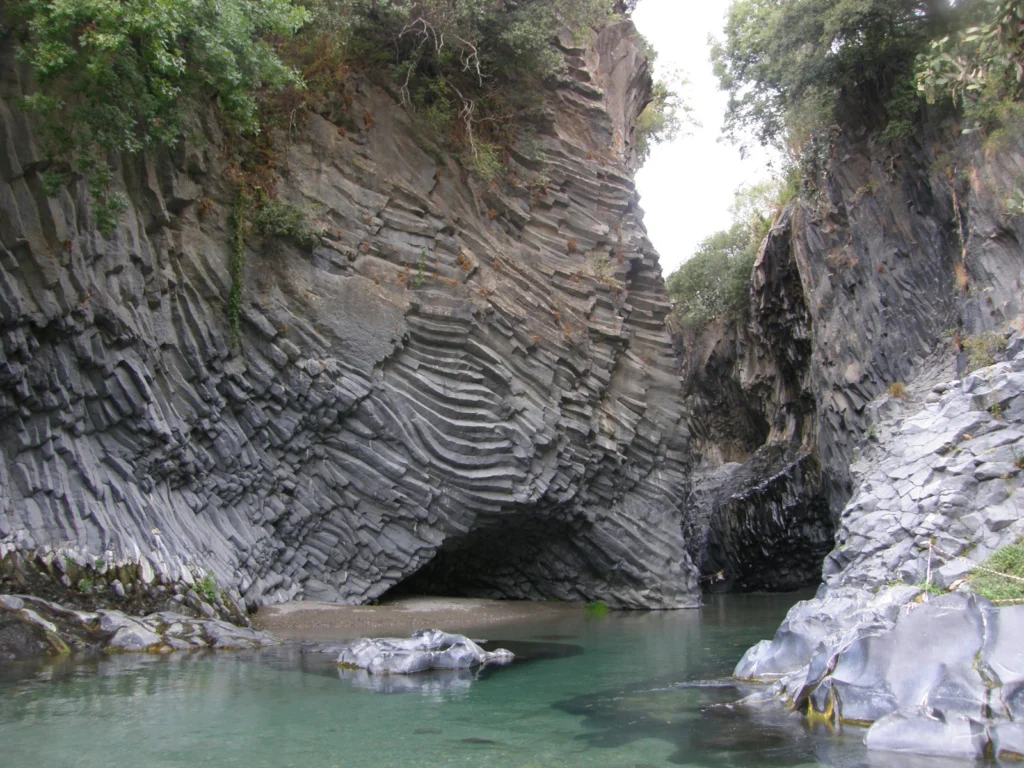
On account of Mount Etna (Europe’s largest volcano), the island of Sicily is peppered with geological wonders. Starting with the summit craters of the volcano itself, right through to over 200 caves formed within lava tubes, the island is packed with volcanic sights.Chief among them is Gole dell ‘Alcantara, a system of gorges formed 8,000 …[Read More]
GeoSciences Column: The ‘dirty weather’ diaries of Reverend Richard Davis
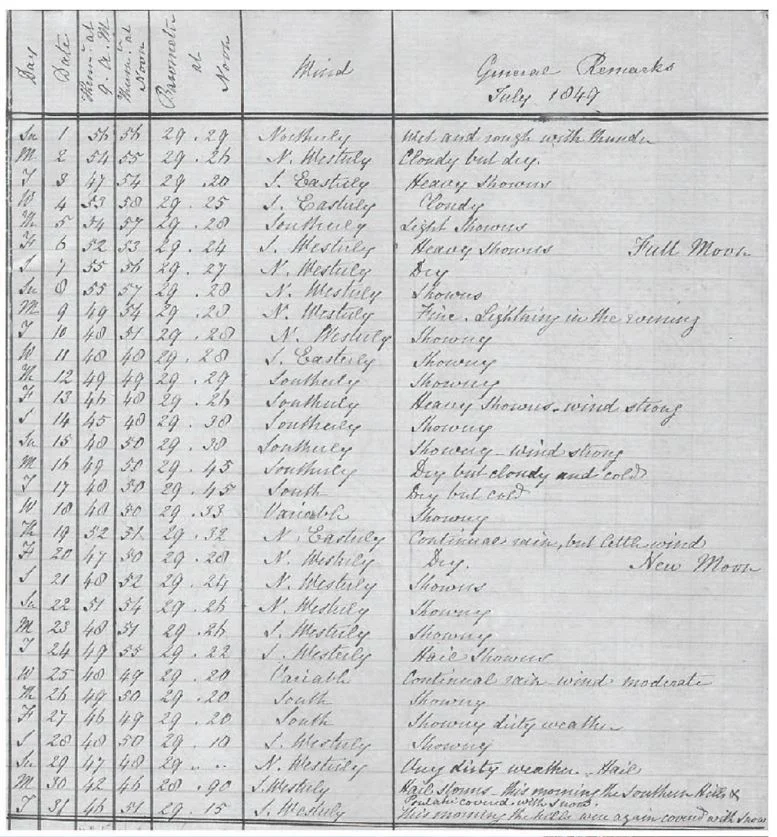
Researching the Earth’s climate of the past, helps scientists make better predictions about how the climate and our environment will continue to be affected by, change and adapt to rising temperatures. One of the most invaluable sources of data, when it comes to understanding the Earth’s past climate, are historical meteorological records. Accounts of weather …[Read More]
We are hiring: be our next Science Policy Officer!
Do you have an interest in science policy and the geosciences? Then this post might be just right for you! We are looking to hire a Science Policy Officer to continue developing the EGU’s policy programme, which is aimed at building bridges between geoscientists and European policymakers, engaging the EGU membership with public policy, and …[Read More]
GeoTalk: Drilling into the crater which contributed to the demise of dinosaurs
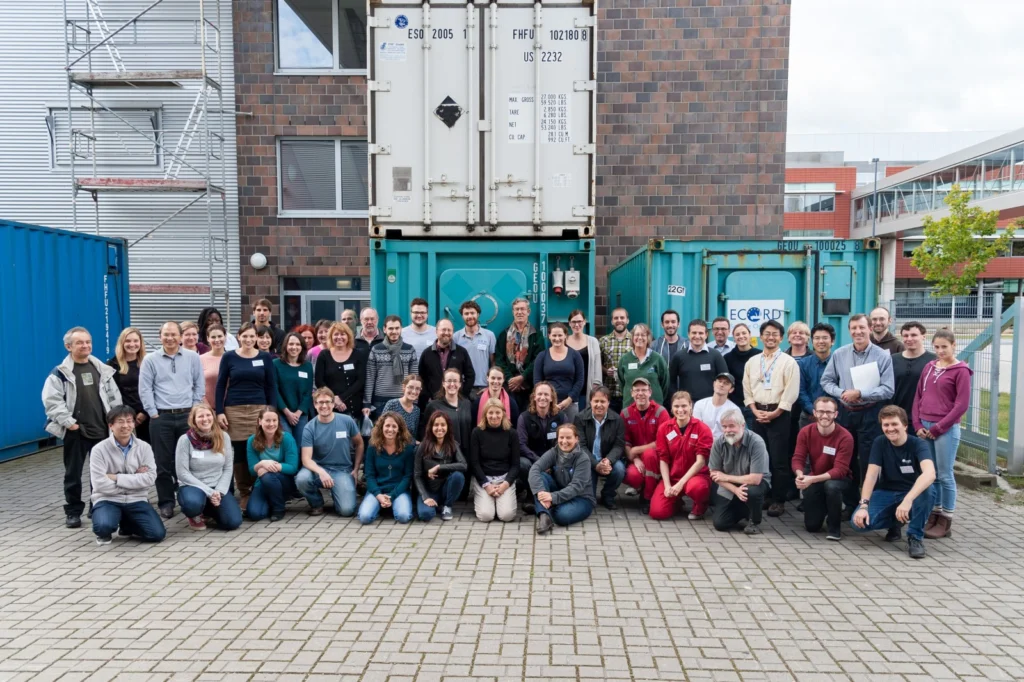
Six months ago, somewhere in the tropical waters off the coast of Mexico, scientists began drilling into one of the most iconic geological features on Earth: the Chicxulub crater; the 66 million year old remnants of a deadly asteroid impact, thought to have contributed to the demise of dinosaurs and most other forms of life …[Read More]
What is in your field rucksack? Backpacking in the wilderness
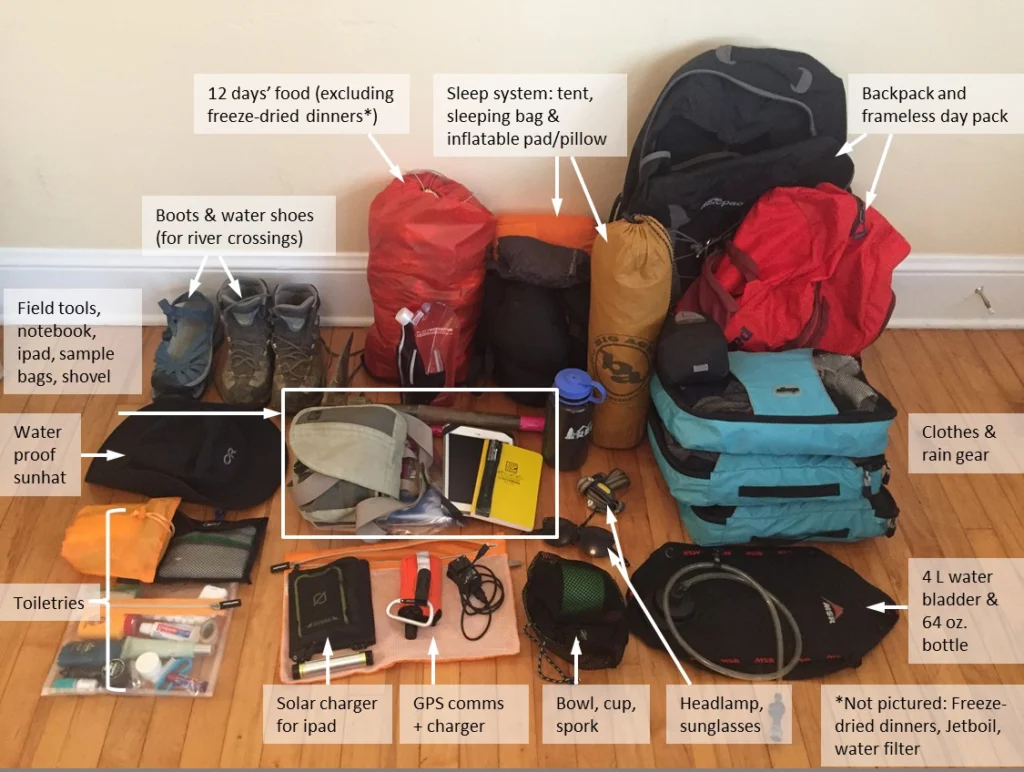
Inspired by a post on Lifehacker on what your average geologist carries in their rucksack/backpack, we’ve put together a few blog posts showcasing what a range of our EGU members carry in their bags whilst in the field! This bag belongs to: Alexa Van Eaton Field Work location: Glacier Peak volcano, Washington, USA Duration of …[Read More]
Join us at EGU 2017: Call-for-abstracts is now open!
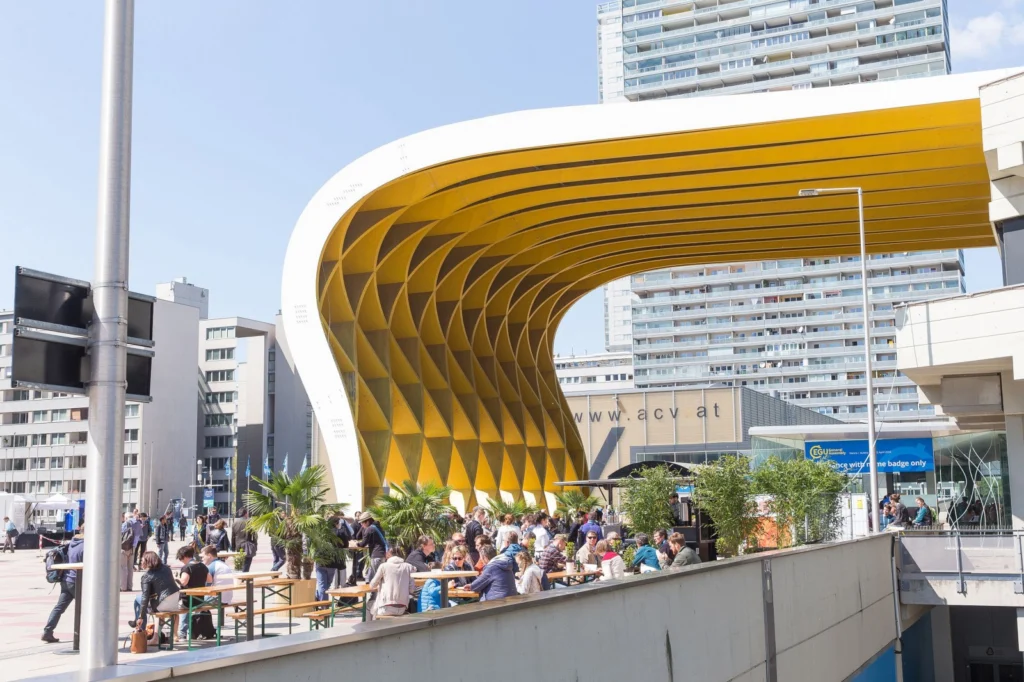
From now, up until 11 January 2017, you can submit your abstract for the upcoming EGU General Assembly (EGU 2017). In addition to established scientists, PhD students and other early career researchers are welcome to submit abstracts to present their research at the conference. Further, the EGU encourages undergraduate and master students to submit abstracts …[Read More]
Imaggeo on Mondays: The odd ‘living’ rocks
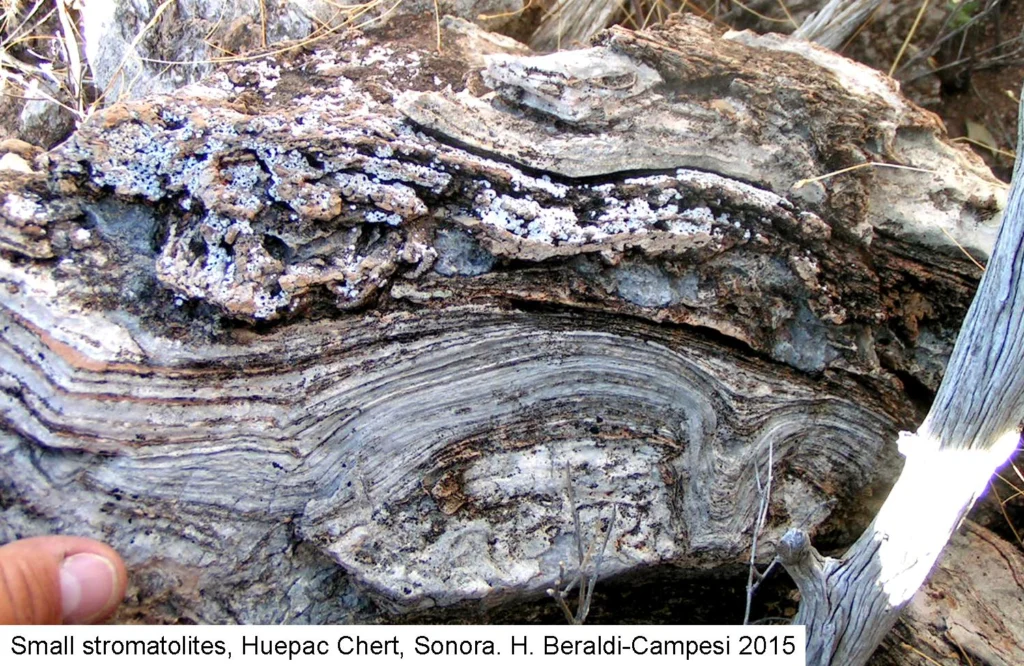
Microbialites – structures which result from the interaction between microbes and sediments – have existed in the rock record since 3700 Ma ago until the present day. The presence of microbes in environments where mineral precipitation is prevalent, usually derives in the development of such chemical sedimentary structures. This can take place in marine, non-marine, …[Read More]
Imaggeo on Mondays: recording the Earth’s magnetic field one grain at a time
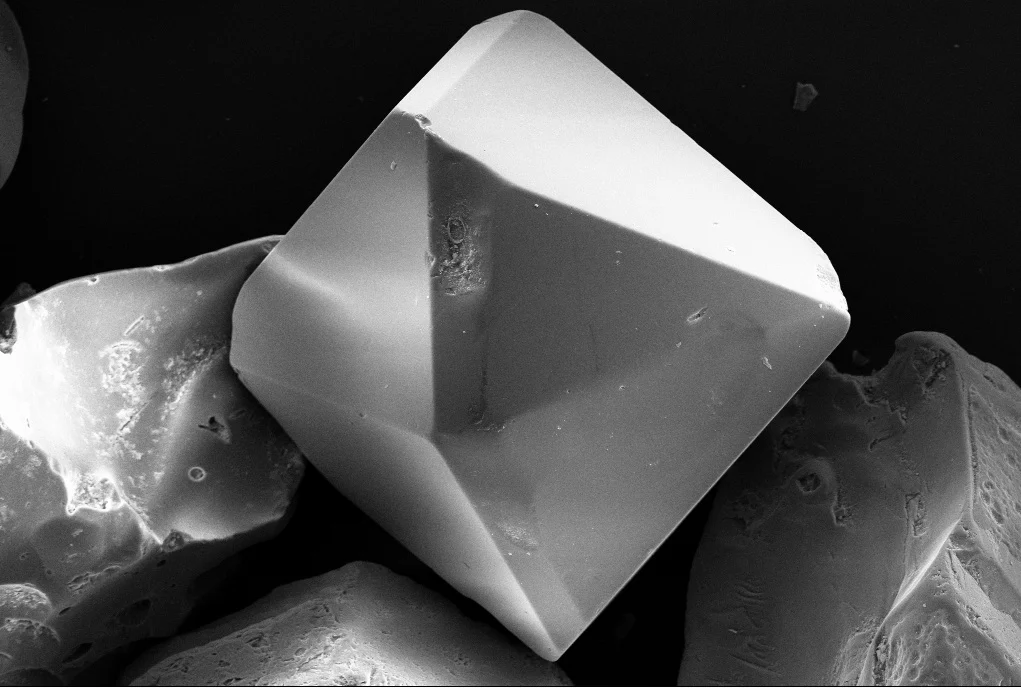
The Earth’s magnetic field extends from the core of the planet, right out to space. It is an invisible, butterfly-like, shield which protects us against the harmful particles ejected by solar flares. In addition, it guards us from atmospheric erosion and water loss caused by solar wind. But how do scientists study the Earth’s magnetic …[Read More]
Geosciences column: Making aurora photos taken by ISS astronauts useful for research
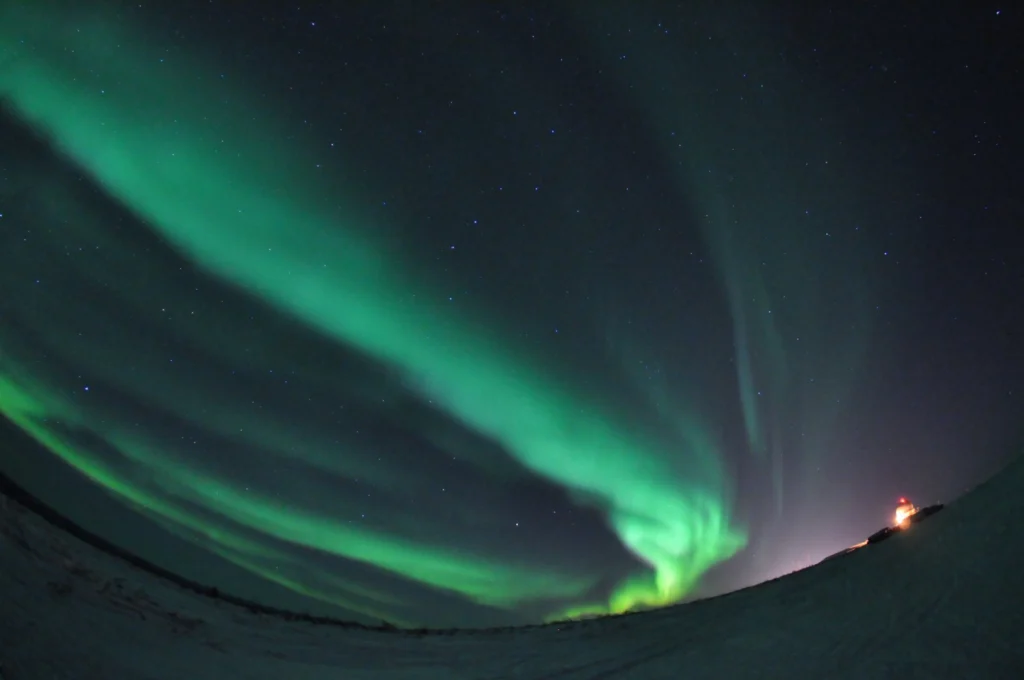
It’s a clear night, much like any other, except that billions of kilometers away the Sun has gone into overdrive and (hours earlier) hurled a mass of charged particles, including protons, electrons and atoms towards the Earth. As the electrons slam into the upper reaches of the atmosphere, the night sky explodes into a spectacular …[Read More]
Celebrating Earth Science Week!
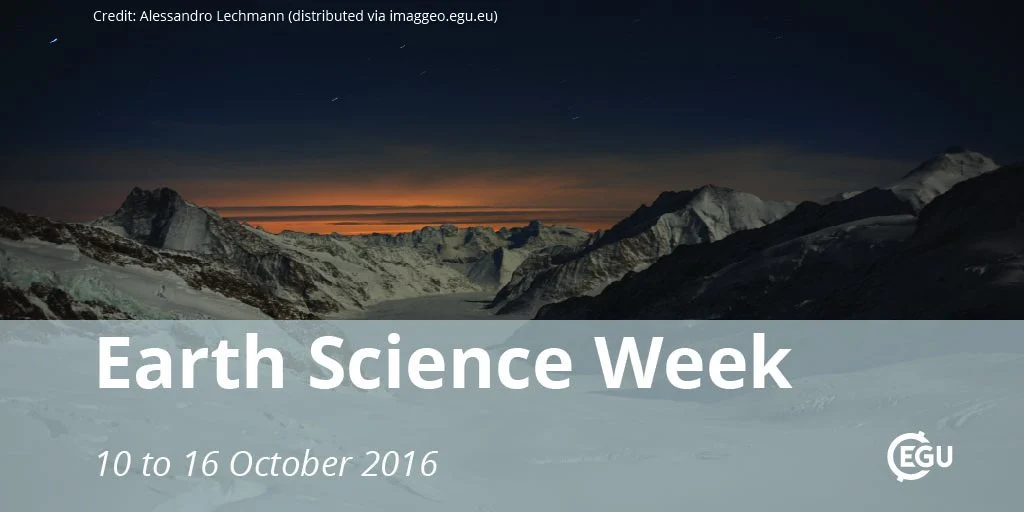
For those not so familiar with the Earth sciences, geosciences and all its subdisciplines might be shrouded in mystery: boring, unfathomable, out of reach and with little relevance to everyday life. Nothing could be further from the truth! Earth Science Week, an international annual celebration founded by the American Geosciences Institute in 1998, aims to …[Read More]