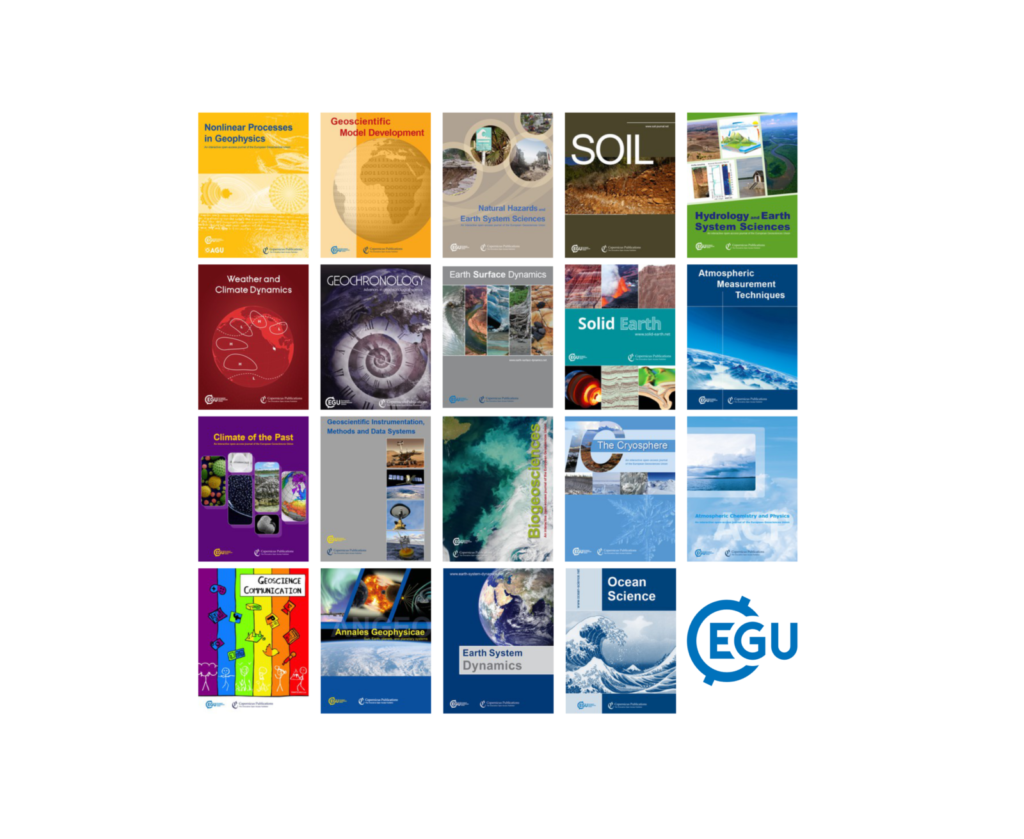
Each month we feature specific Divisions of EGU and during the monthly GeoRoundup we will be putting the journals that publish science from those Divisions at the top of the Highlights roundup. For July, the Divisions we are featuring are: Geodesy (G), Ocean Science (OS) and Tectonics and Structural Geology (TS). They are served by …[Read More]
GeoTalk: Hali Felt, author of ‘Soundings: The Story of the Remarkable Woman Who Mapped the Ocean Floor’
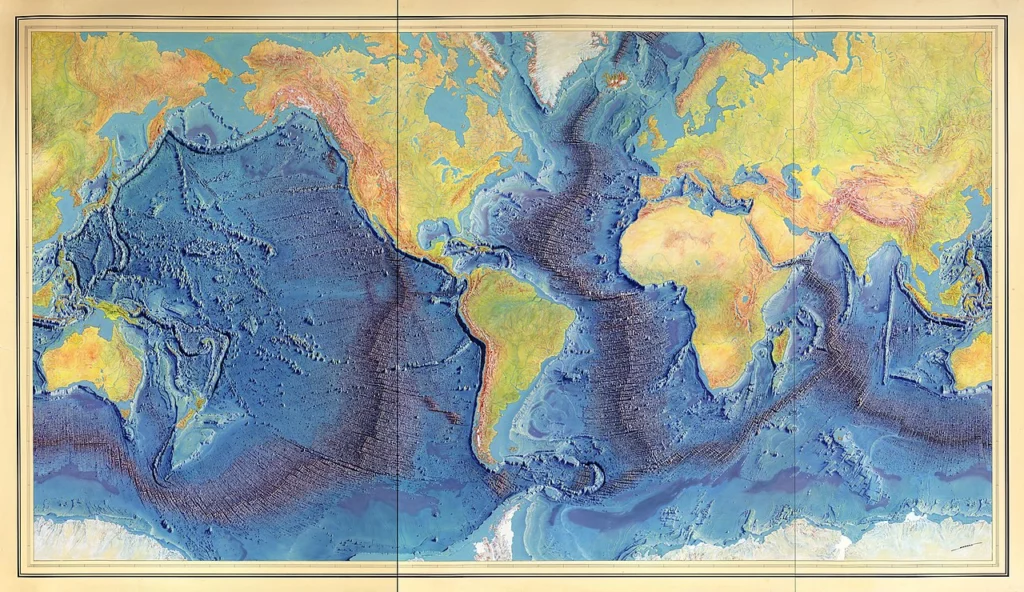
This month for GeoTalk, as we approach the centennial of Marie Tharp’s birth next week, we were lucky enough to speak with the author of her biography ‘Soundings: The Story of the Remarkable Woman Who Mapped the Ocean Floor‘; Hali Felt. Hali has a Master of Fine Arts degree from the University of Iowa and …[Read More]
Imaggeo On Monday: Under the sea, in the deep, where fire meets water and life emerges III
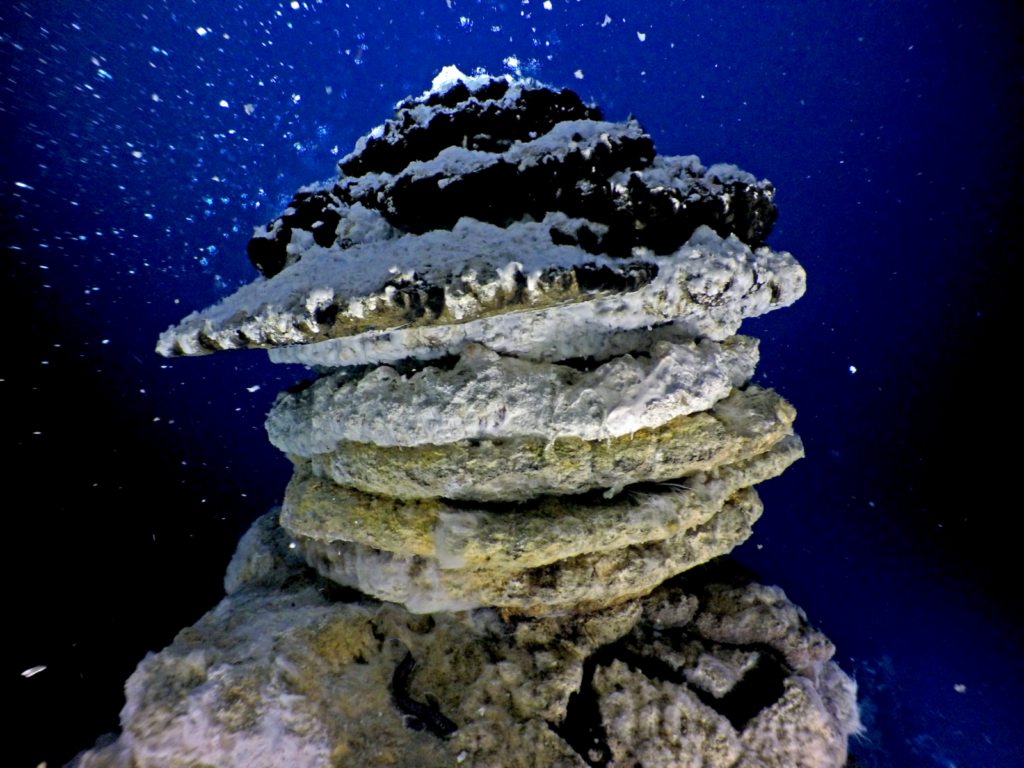
650 metres below the chilly waves of the North Atlantic Arctic Ocean, equidistant between Norway, Iceland and Greenland, are the Jan Mayen Vent Fields. Home to a series of hydrothermal vents strung along a set of normal faults and fissures that run parallel to the seafloor ridge, this is a strange and fascinating place. Hydrothermal …[Read More]
New EGU webinar: Careers outside Academia
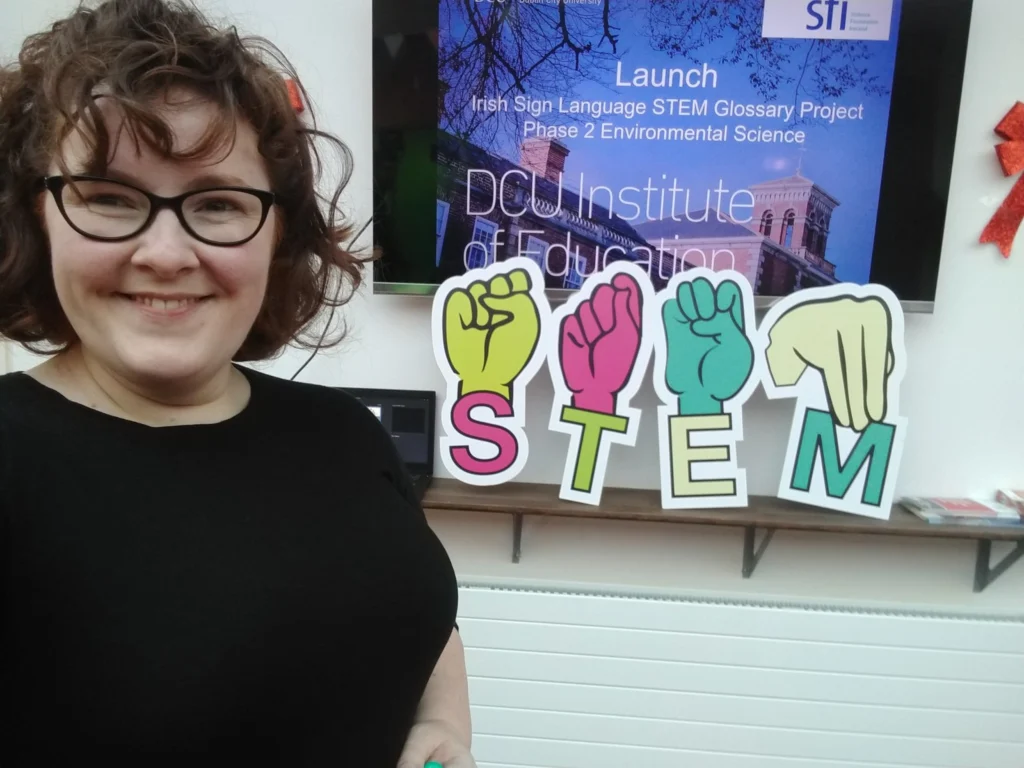
Last week EGU hosted the second of our official quarterly webinar series, on Careers outside Academia. Up to 70% of scientists will transition to careers outside of academia after their PhD. Transferable scientific skills and knowledge are becoming progressively valued in non-academic job sectors. However, navigating job opportunities and transitioning to different career paths can …[Read More]
Imaggeo On Monday: Patterns in the landform
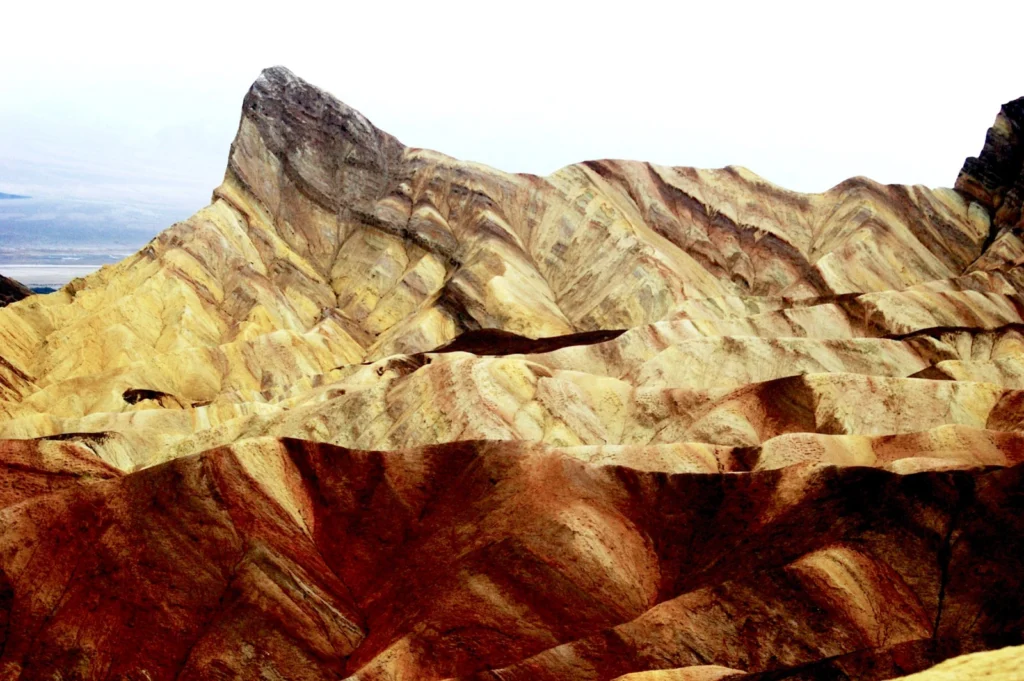
The badlands at the Zabriskie Point (Death Valley, California, USA) rest upon a mudstone foundation. In the prehistoric lakes of Death Valley, fine grained sediments were deposited to form soft rocks. The clay minerals in the mudstone are shaped like tiny plates, which helps create the layers. The combination of the almost impermeable mudstone and …[Read More]
Geosciences Column: Thunderstorm asthma, the unexpected impact of lightning storms on pollen allergies.
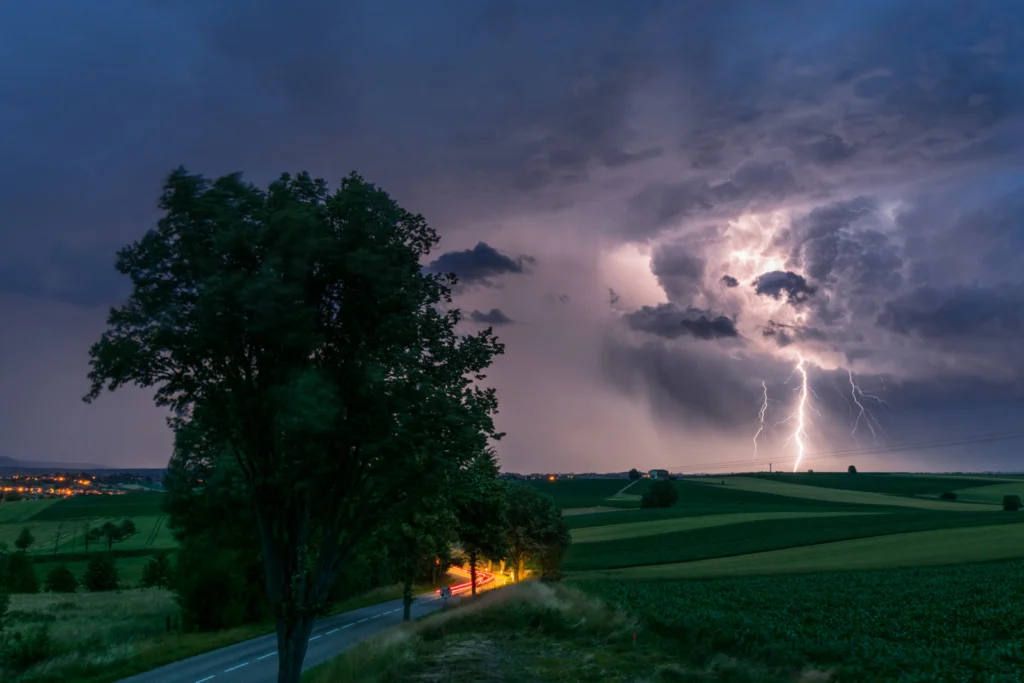
In October 2015 a series of massive thunderstorms rolled across the Eastern Mediterranean. In the hours and days that followed many people living along the Israeli coast had to go to their nearest medical centre because they were experiencing respiratory problems, which appeared very similar to asthma. But what could have caused these breathing problems? …[Read More]
LGBTQIA+ in the field
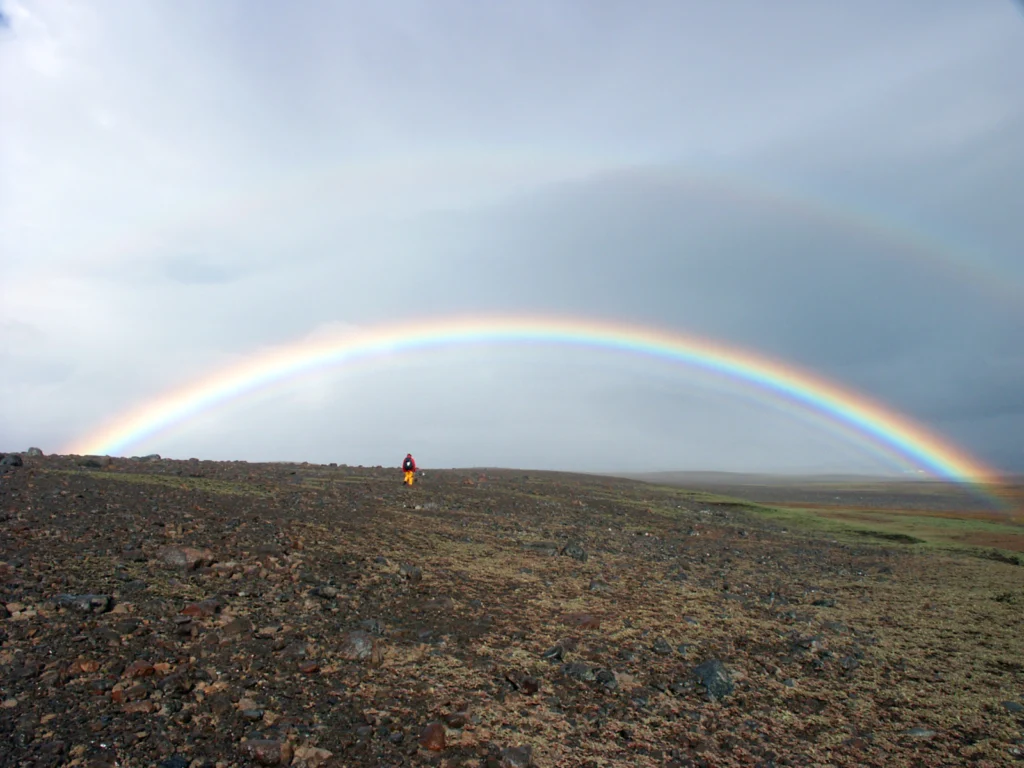
As a part of any field-based science work, whether it be as an individual scientist, research team or with students, we must first conduct a risk assessment. This often focuses on the physical dangers that you, your colleagues or students may encounter whilst working in stressful and sometimes unfamiliar environments. More recently, field-based risk assessments …[Read More]
Imaggeo On Mondays: “The most valuable thing we extract from the ocean is our existence” Dr Sylvia Earle
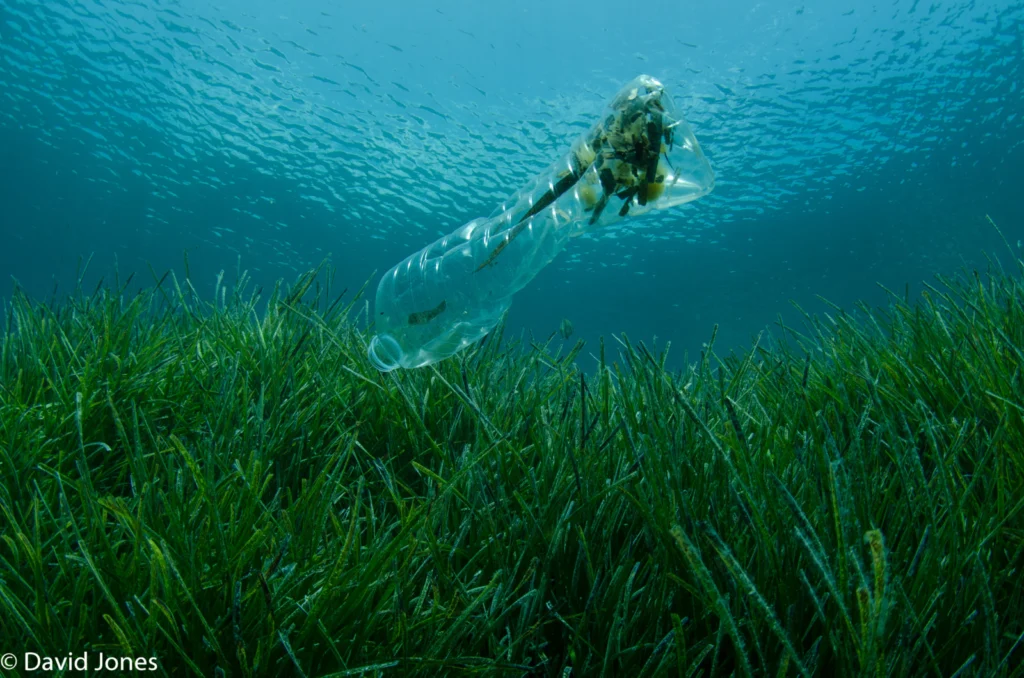
Marine plastic is just one of the many challenges facing the future of our oceans. For many years researchers have been attempting to understand this problem, but it can be surprising to learn how many things are still unknown, even in oceans we may think of as being familiar. The Mediterranean Sea is one such …[Read More]
GeoTalk: Inaugural Katia and Maurice Krafft Award winner, Rhian Meara talks about the EGU award nominations.
Hi Rhian, thanks for talking with us today about the EGU’s Award nominations, please start by introducing yourself! I’m a physical geography and geology lecturer at Swansea University, with a particular focus on teaching through the medium of Welsh. I have been awarded the Katia and Maurice Krafft Award for my work on the British …[Read More]
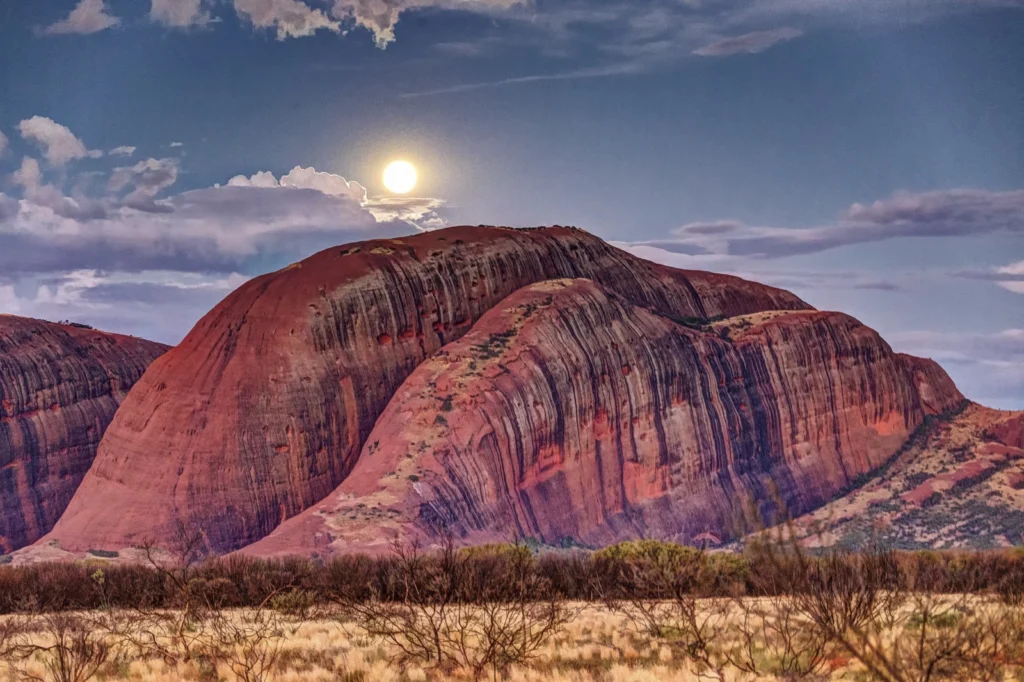
Imaggeo on Mondays: Moonrise at Kata Tjuta
This is a high-dynamic-range (HDR) photograph of moonrise over the hills of Kata Tjuta in central Australia. The HDR technique allows details to be seen in the deep shadows and well as in the brighter parts of the image. Kata Tjuta (formerly known as The Olgas) means ‘many heads’ in the Pitjantjatjara language, spoken by …[Read More]