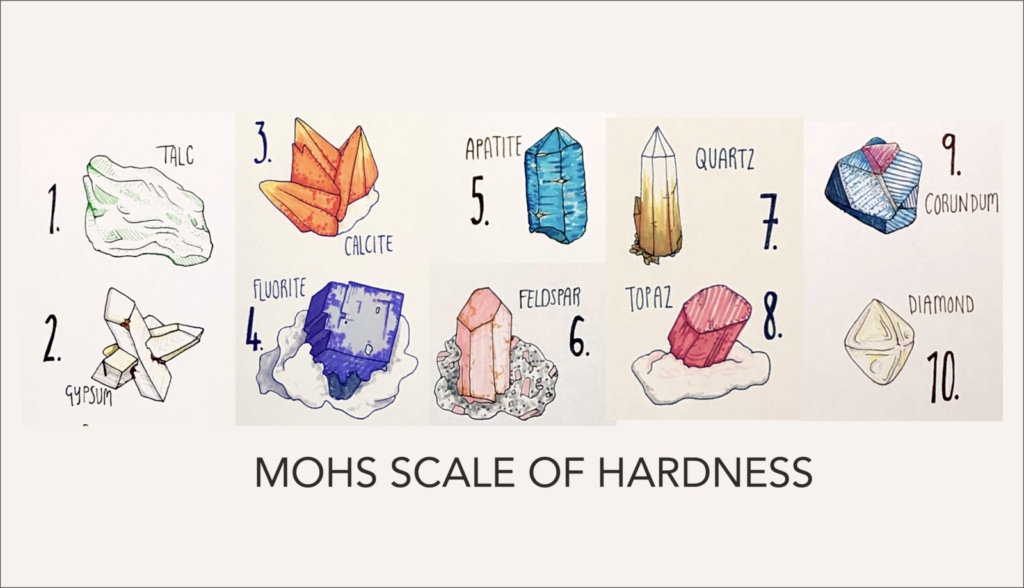
One of the most famous identification methods in the study of mineralogy is the Mohs Scale of Hardness. A comparative scale, based on the hardness of each mineral, it is a way geoscientists can compare minerals to each other and organise them based upon an easily testable physical characteristic. Each level of hardness has a …[Read More]
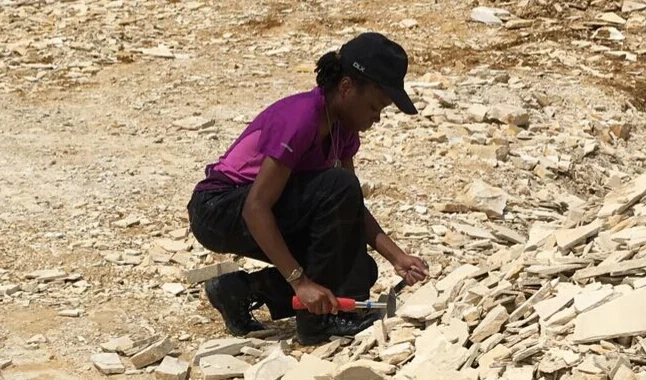
GeoTalk: Nadine Gabriel, creator of #AreYouSiO2? and Assistant Curator of Fossil Mammals.
Hi Nadine, thanks for speaking with us today, can you tell us a little bit about your background and how you got to where you are now? Thank you for inviting me! I’m a geologist and the Assistant Curator of Fossil Mammals at the Natural History Museum, London. I studied MSci Geology at University College …[Read More]
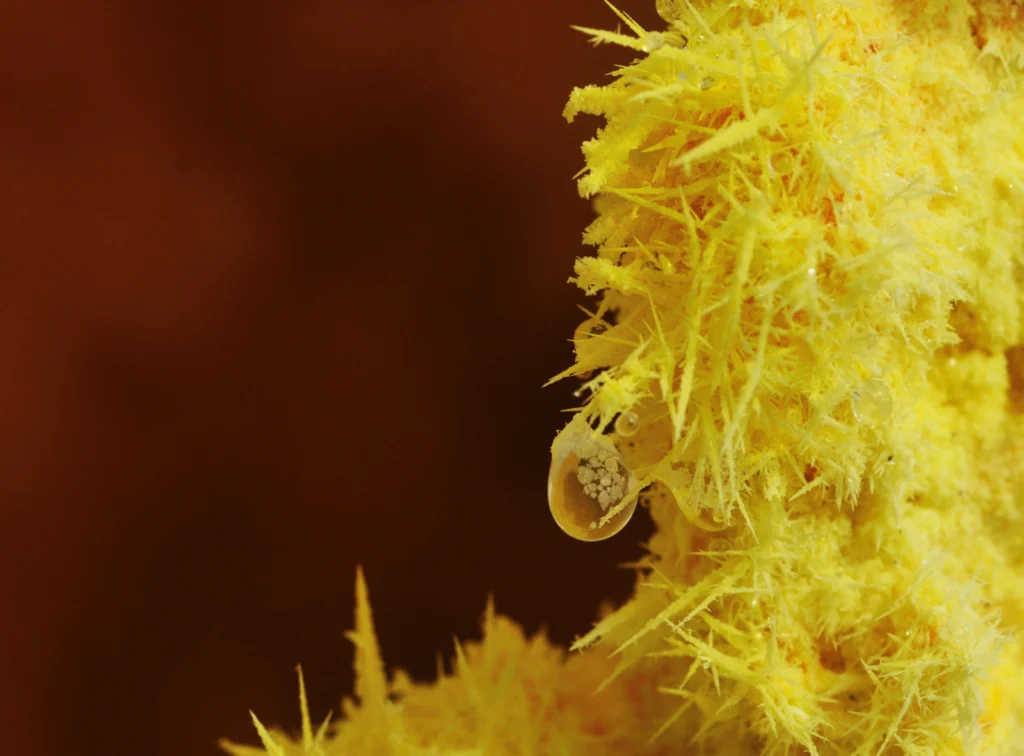
Imaggeo On Monday: Condensation drop on sulphur
Mineralogy, as a subject, often has a hard time. Despite it’s place at the core of the traditional geological sciences, and its importance in a huge variety of other subjects, mineralogy sometimes has a reputation of being complicated and inaccessible and, well, some people have even called it boring. This is also related to the …[Read More]
GeoRoundup: the highlights of EGU Journals published during August!
Each month we feature specific Divisions of EGU and during the monthly GeoRoundup we will be putting the journals that publish science from those Divisions at the top of the Highlights roundup. For August, the Divisions we are featuring are: Biogeosciences (BG) and Soil System Sciences (SSS). They are served by the journals: Biogeosciences (BG), …[Read More]
Don’t leaf it to the trees: Amazonian soils also work to store carbon.
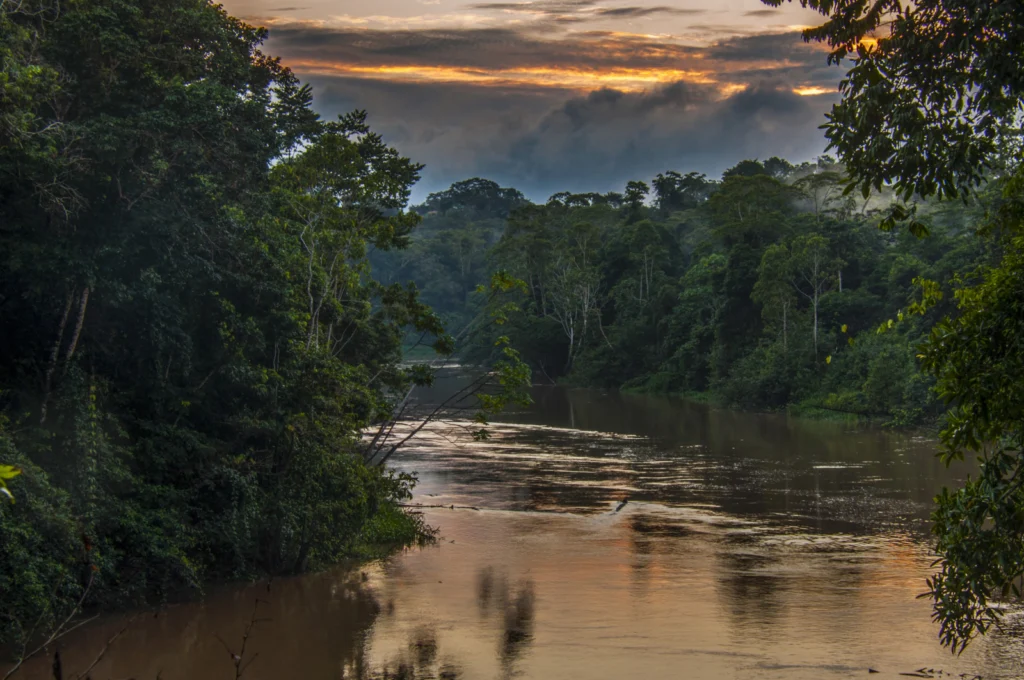
The Amazon rainforest covers an area of 5.5 million km² and is well known for being an invaluable global resource for carbon storage. But it’s not just the trees and vegetation of the Amazonian rainforest that lock in and store carbon – the very soil in these forests can do the same thing, according to …[Read More]
Imaggeo On Monday: The veins of the living planet
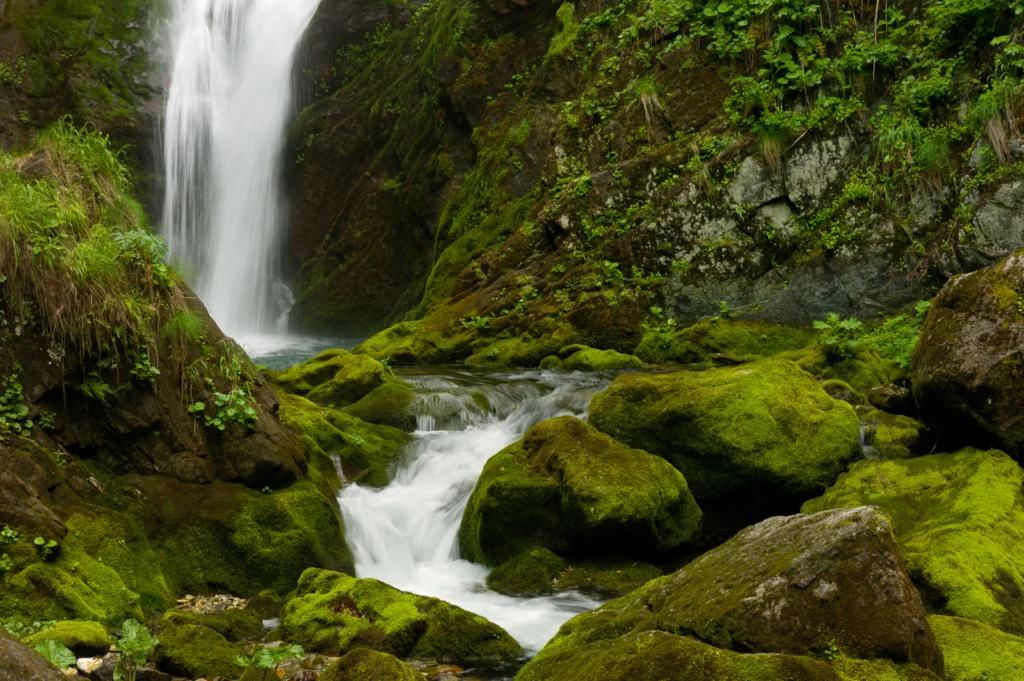
Today’s imaggeo on Monday provides us with a space to reflect on the interconnected nature of our planet’s systems. The photographer, Antonello Provenzale, wrote of this image: Earth is a living planet, where the water cycle plays an essential role. A waterfall in the mountains of Valle Pesio, Italy, in a landscape of vegetation and …[Read More]
Geotalk: Olga Vindušková, the Soil System Sciences Division’s co-blog and social media co-ordinator!
Hello Olga, thanks for speaking with us today, can you tell us a little about your background and how you got to where you are now? Thank you for inviting me for what might be my first interview! My background is in environmental science and I chose to study soils because of how useful they …[Read More]
Imaggeo On Monday: Burnt roots
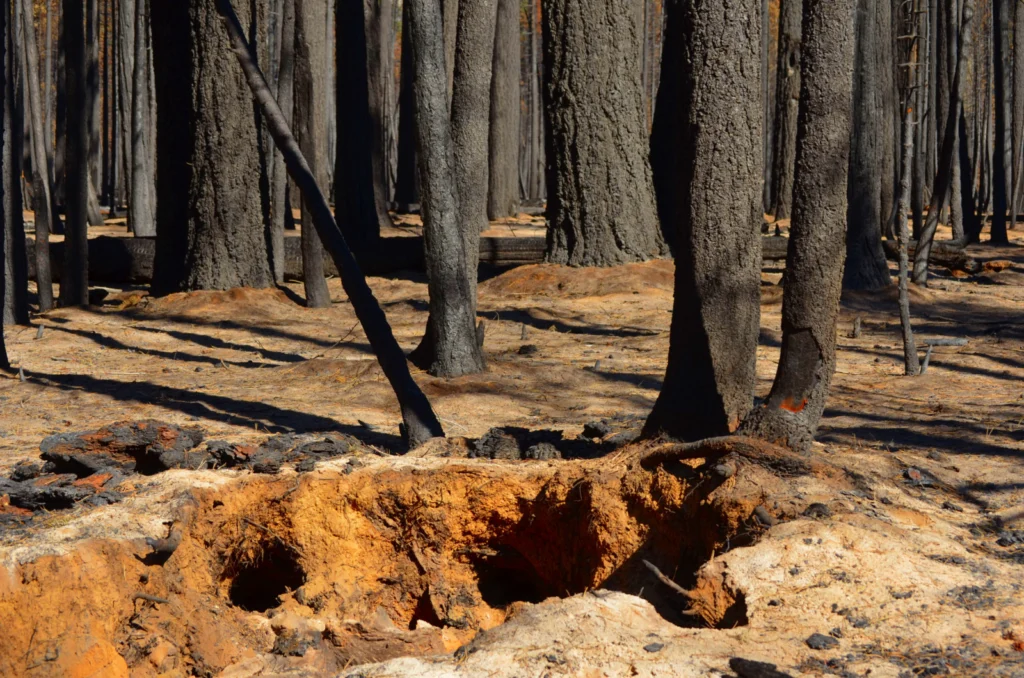
Fires are a common and often natural worldwide phenomena, that are often integral to the lifecycle of certain land-based ecosystems. Despite this, frequent or unusually intense fires can have significant effects on plant productivity, plant community composition and root properties. Although many trees have evolved to grow in fire prone areas, they usually have certain …[Read More]
Imaggeo On Monday: A marvellous sequoia in spring time
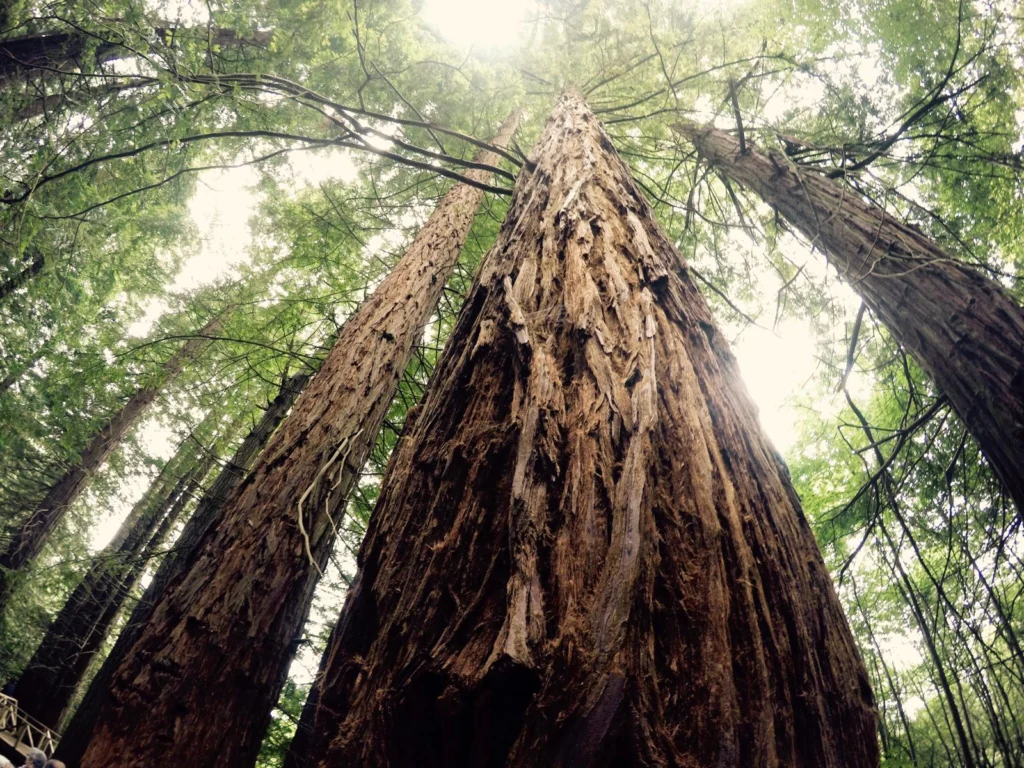
Although more commonly associated with the west coast of the United States, if you visit Cabezón de la Sal in Spain you may come across a stand of giant redwood trees or Sequoia. Around 800 trees were brought to Spain in the 1940s, so are still very young, but even at their young age they …[Read More]
Marie Tharp: an inspiration for the past, present and future!
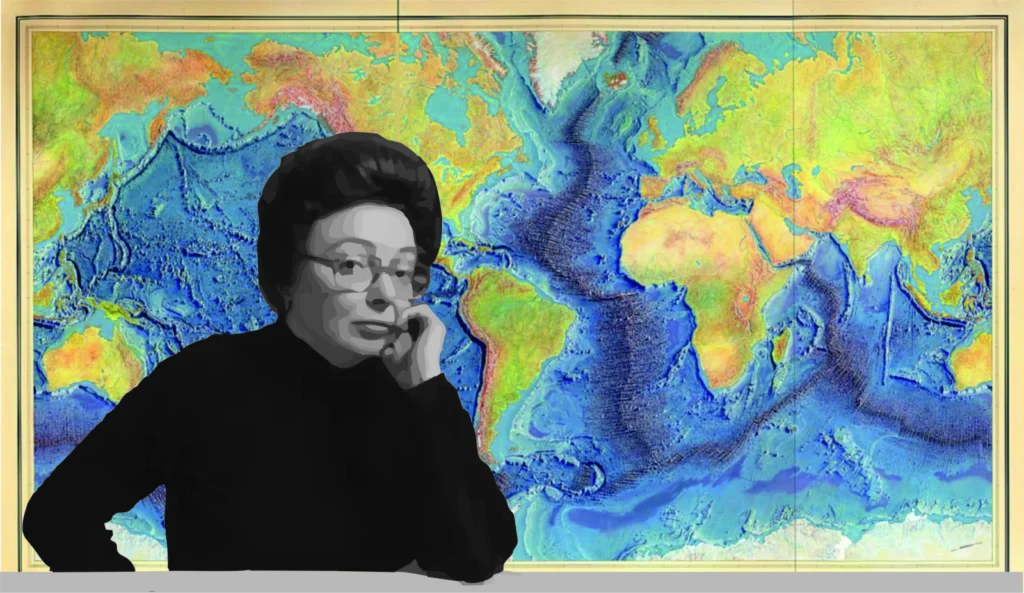
Today marks the centennial of the birth of Marie Tharp, the person responsible for creating the first map of our planet’s ocean floors. Though her work was underappreciated at the time of its publication – mainly because she faced many significant barriers due to her gender – her maps ended up being instrumental evidence in …[Read More]