This year’s Photo Competition judging panel did a fantastic job of narrowing down the outstanding photo submissions to the EGU’s Photo Competition to just 10 finalists! The finalist photos are listed below and on the Imaggeo website where you can vote for them from Sunday 3 May until Thursday, 7 May 2025 – voting closes at 18:00 CEST.
The three photos with the most votes will be announced online at midday on Friday 8 May!
Our EGU26 Finalists:
(in alphabetical order of the photographer)
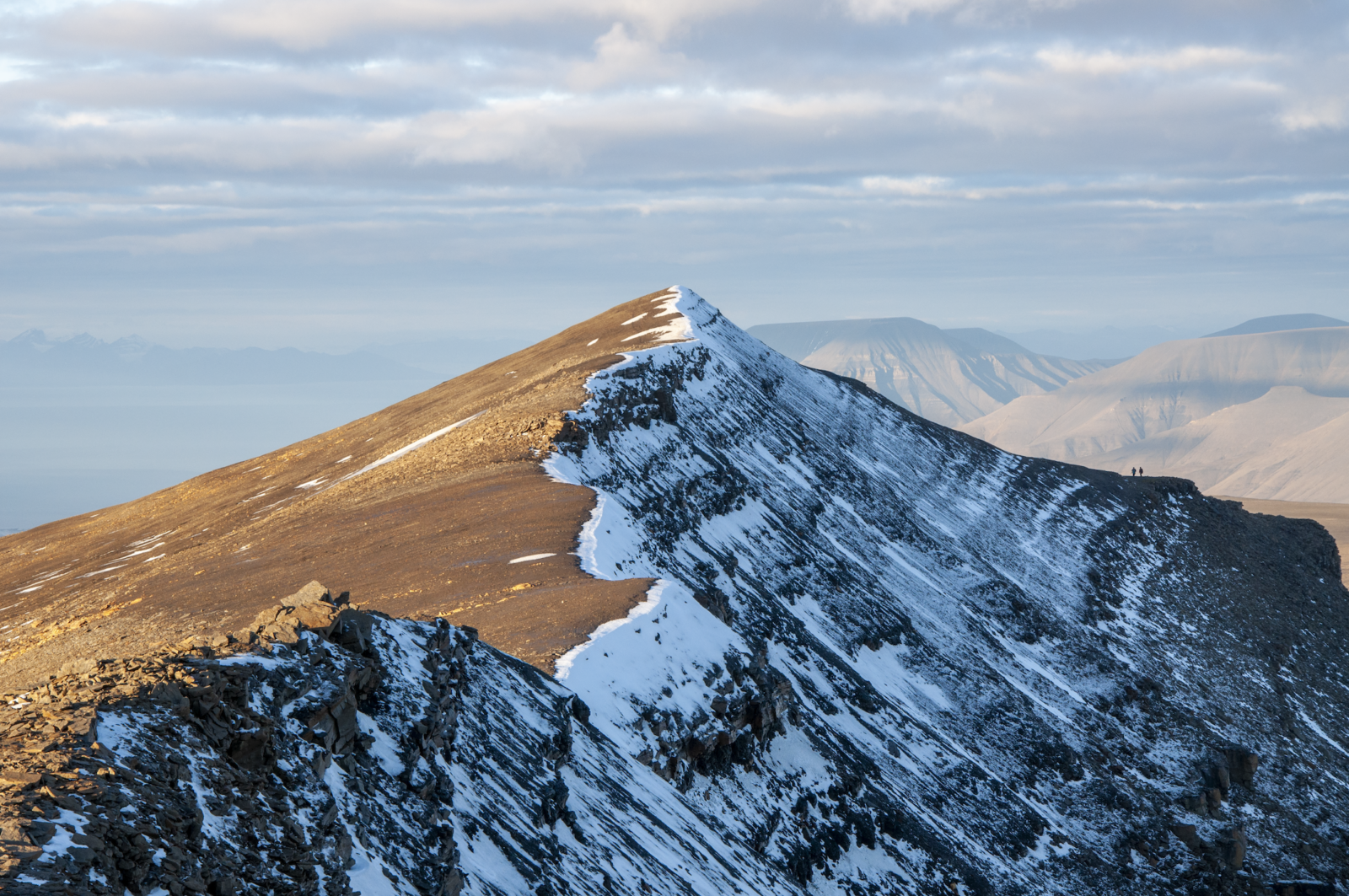
Arctic in Transition: a double-faced environment by Fenna Ammerlaan
View from Gilsongryggen into Adventdalen, Longyearbyen, Svalbard. Two people are out on one of the last hiking trips of the season before the brown summer landscape truly changes into the dark and rough polar night.
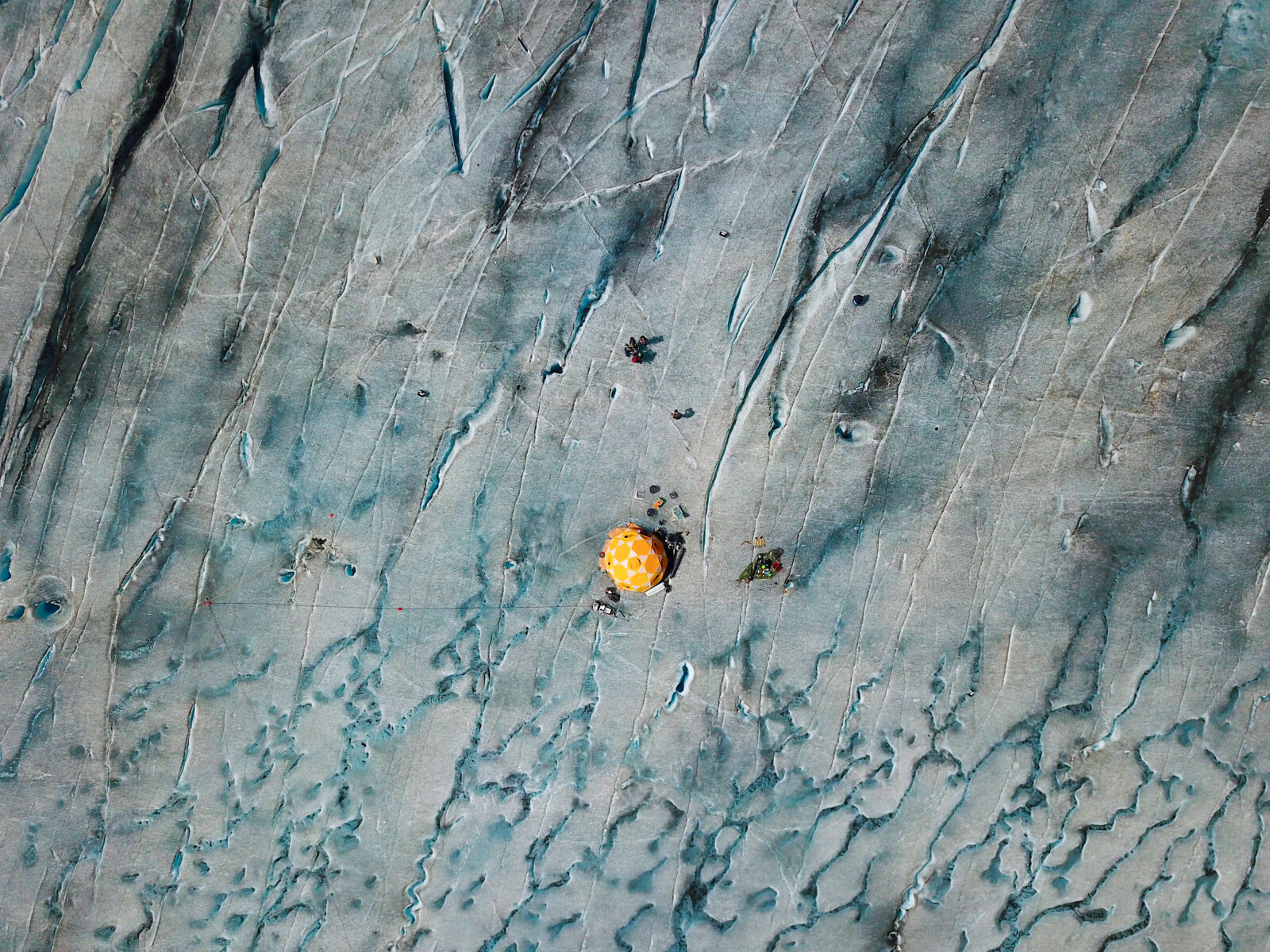
A sky full of scars – Rhône Glacier, Switzerland by Janosch Beer
Rhône Glacier field work, conducting geophysical measurements during one of the hottest days we’ve ever experienced up there. The dust and dirt on the surface makes the glacier almost appear like solid rock with patches of water on it. The crevasses and ponds on the surface evoke the image of scars, emphasizing the vulnerability of this place.
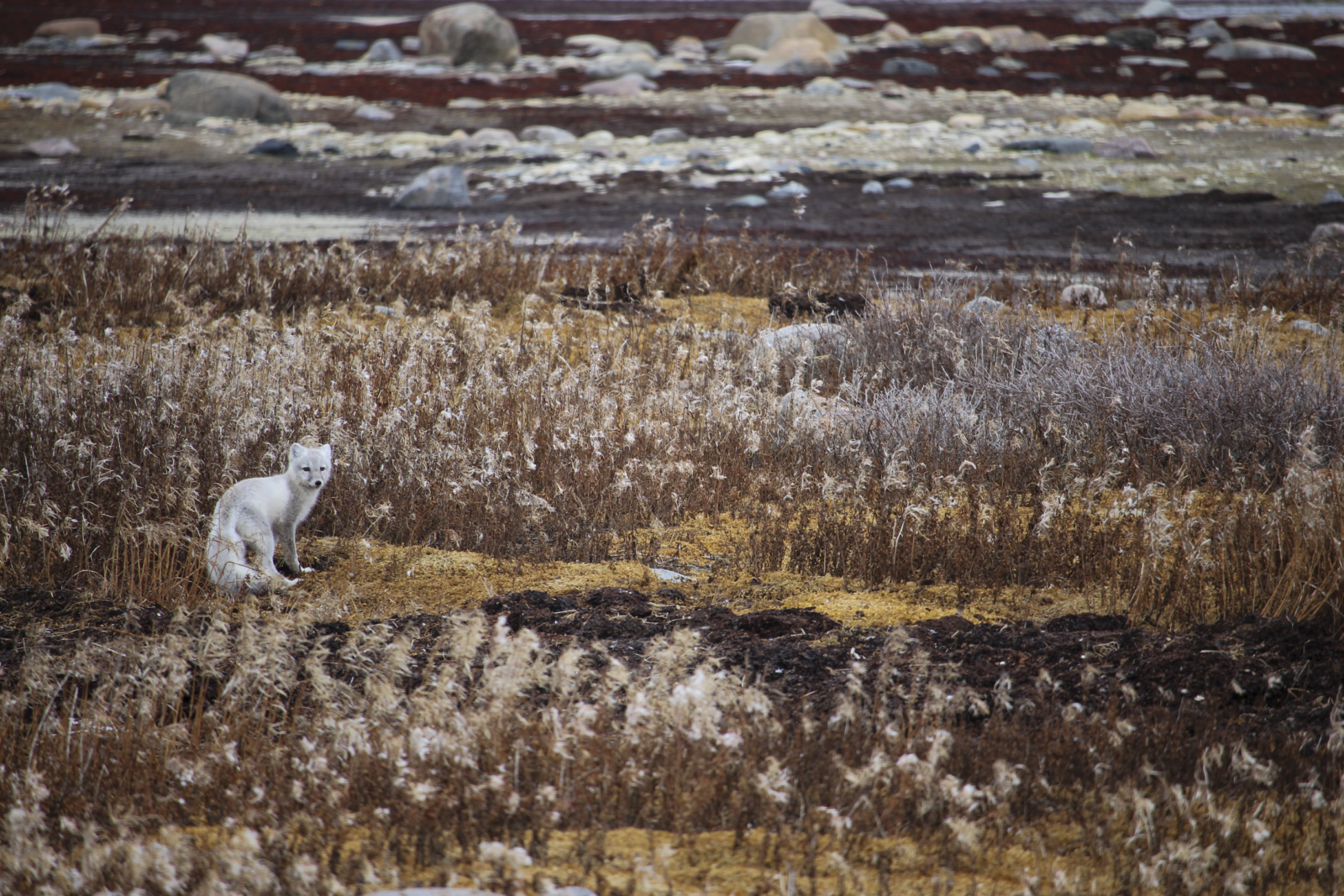
Colourful Tundra Fairytale by Yasmin L Bohak
Arctic foxes (Vulpes lagopus) are a seasonal colour moulting species, moulting twice a year in autumn and spring. Most of the global arctic fox population change colour from brown with lighter ventral sides to completely white in winter. Taken in mid-October, this photograph captures the fox “in-transition” between summer and winter coats, making it conspicuous on the backdrop of the colourful autumn, in the sub-arctic tundra near Churchill, Manitoba.
This photograph was taken during my time volunteering at the Churchill Northern Studies Center.
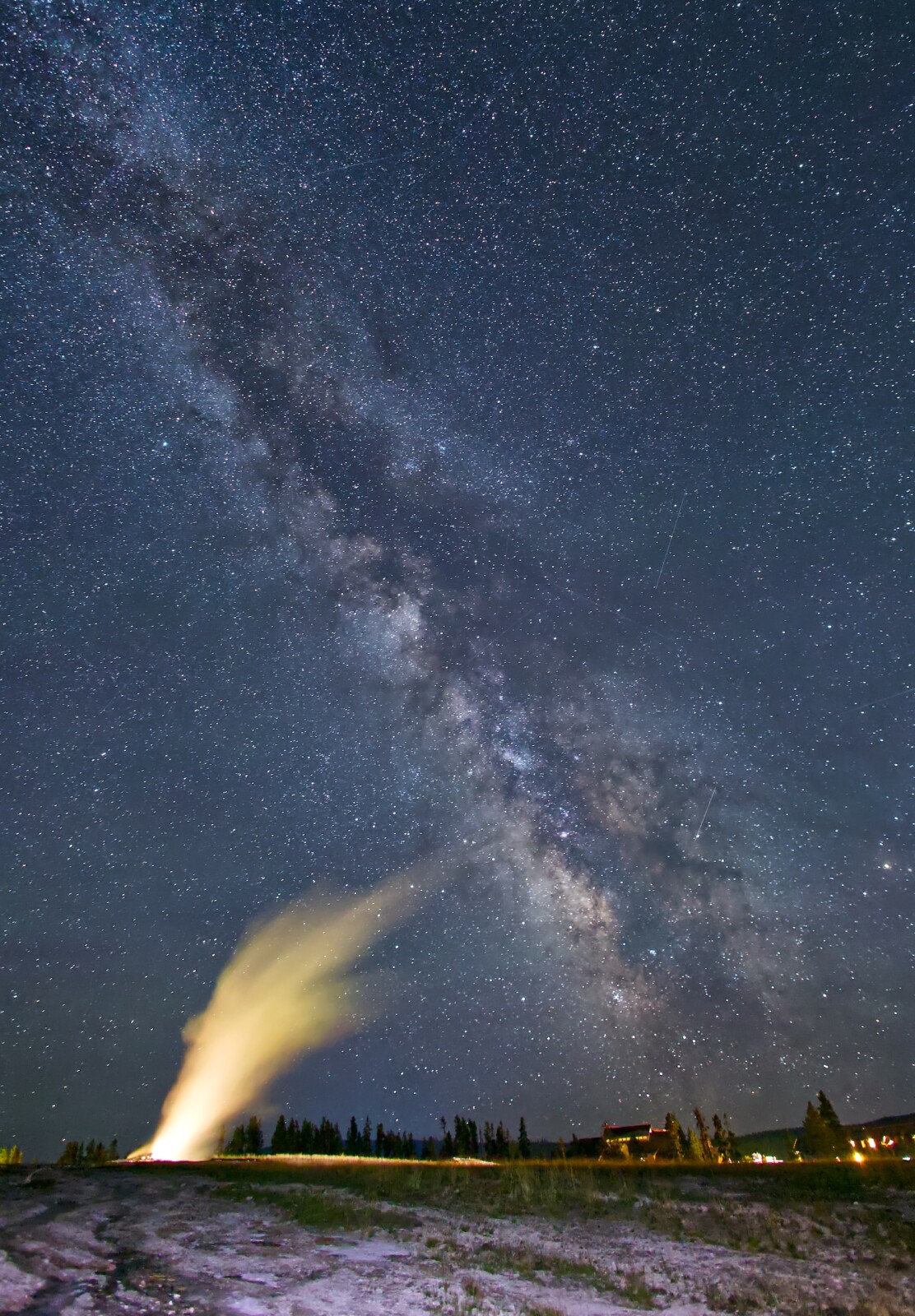
Geyser Eruption Beneath the Milky Way by Chujie Liu
Old Faithful erupts under the Milky Way in Yellowstone National Park, illustrating active hydrothermal processes driven by Earth’s internal heat. Superheated groundwater periodically vents to the surface, linking subsurface geothermal dynamics with the broader planetary environment visible in the night sky.
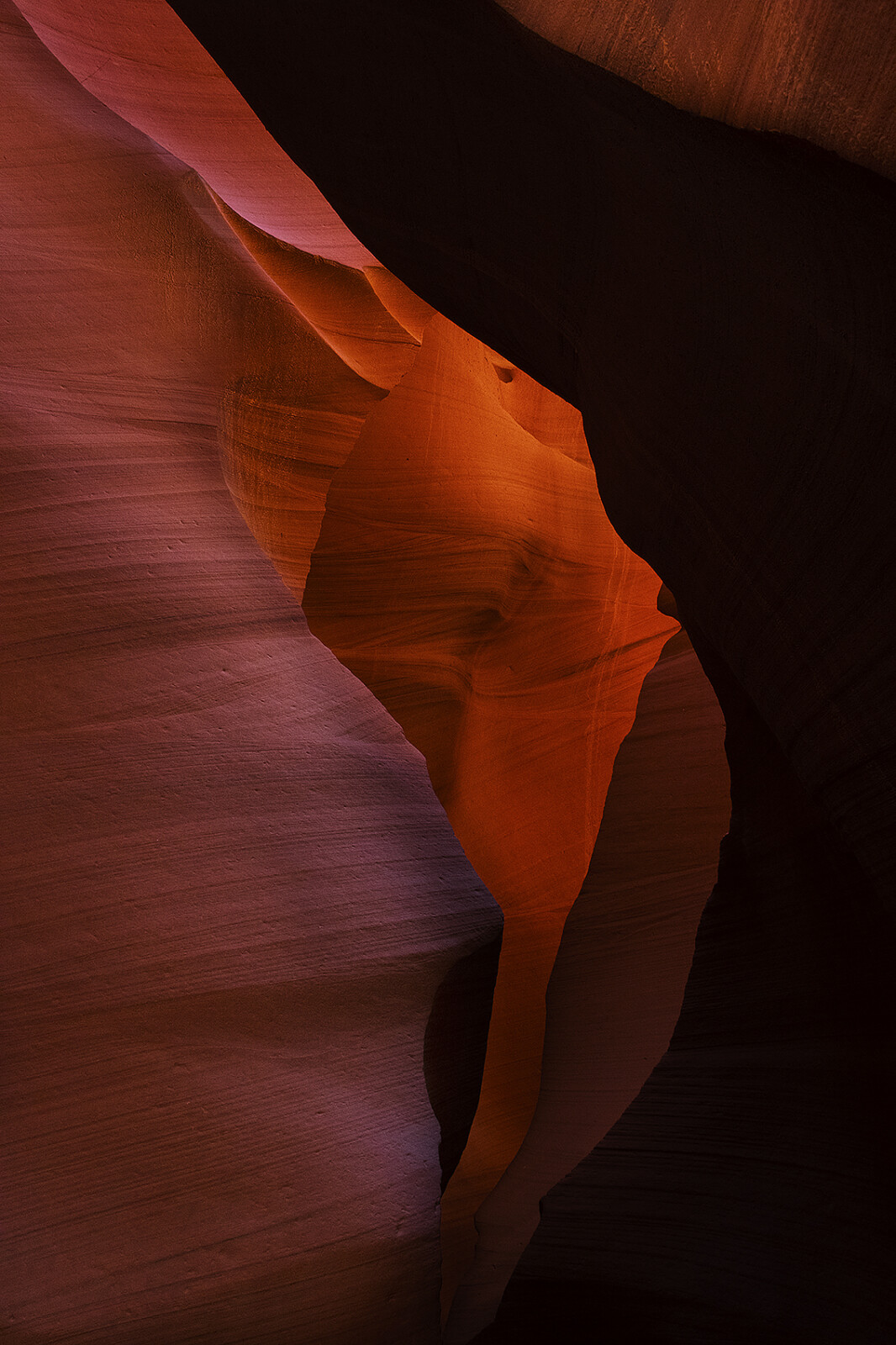
Through rocks, water, and time by Daniele Penna
Light and darkness contrasts in the Antelope Canyon, AZ, USA.
Flash floods, water, and wind erosion over millennia carved this stunning slot canyon in the Navajo Sandstone reserve. The area is a sacred site to Navajo people, and its name in their native language means “the place where water runs through rocks”, reflecting its geomorphological origin. The smoothed rocks and the incised morphology, where the light finds its own way, produce wave-like patterns and contrasted shadows.
Technical details: Canon EOS M6 Mark ii, Canon EF-S 15-85 mm f/3.5-5.6 IS USM @21 mm, ISO 800, 1/60 sec, f/11.
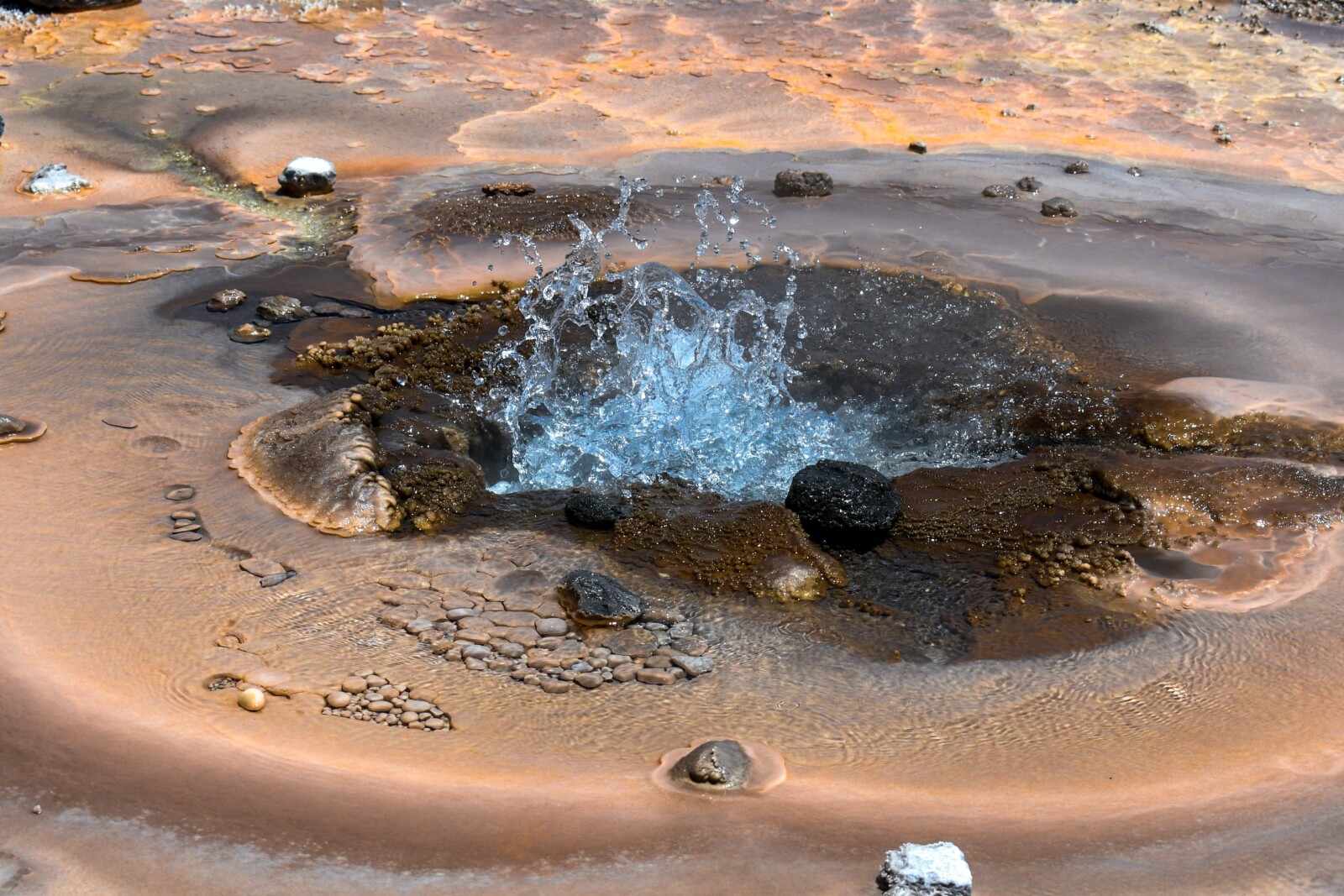
Bubbling Springs of Life by Emma Rogers
This photo depicts a small bubbling hot spring in El Tatio geyser field, located in the Andes Mountains of northern Chile at 4,320 m above mean sea level. Its vibrant colors show bacterial growth within a hostile environment, which may point to places where life could exist and thrive on other hostile worlds such as Mars.
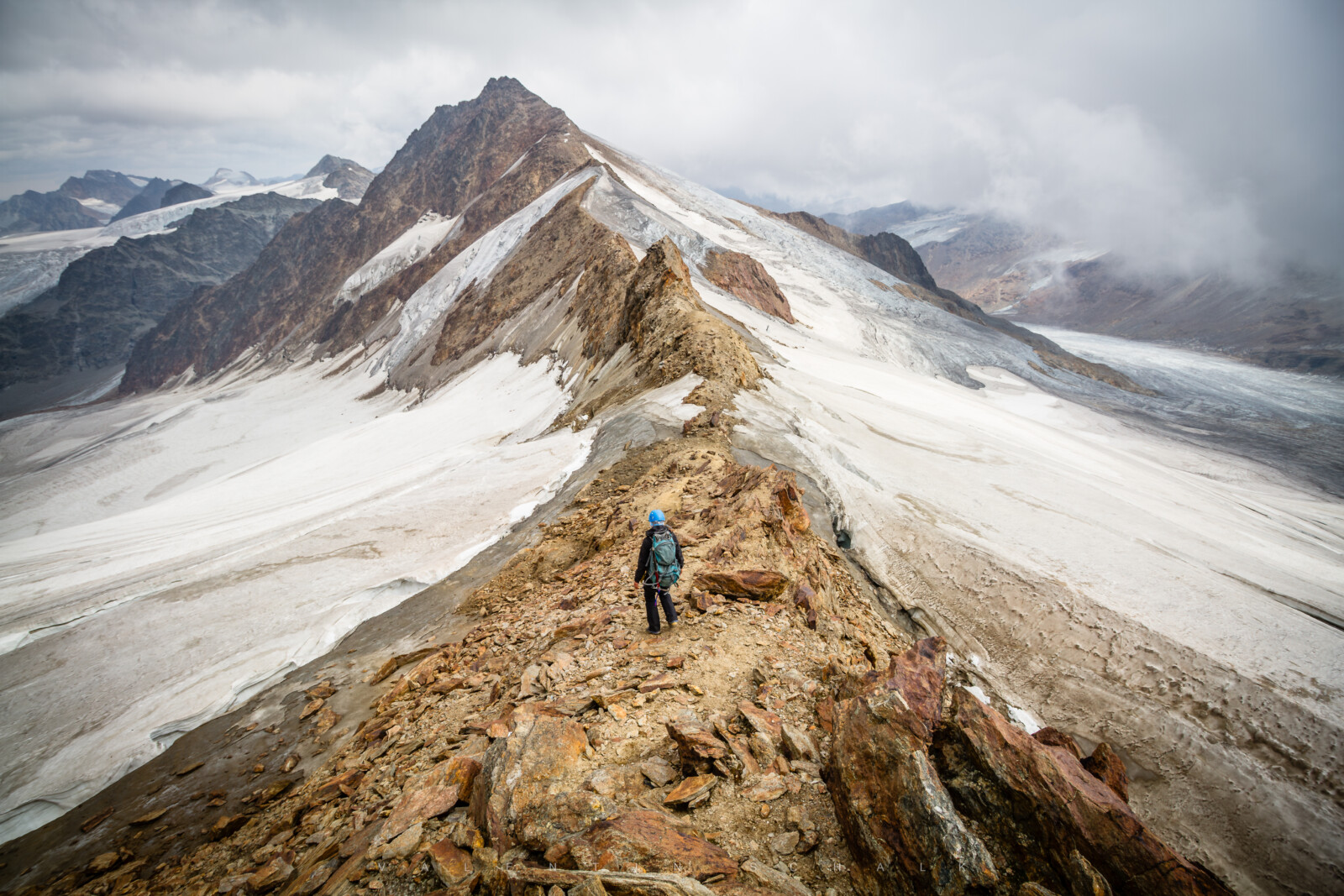
Disconnecting Glaciers by Valentin Schalk
Disconnecting glaciers Langentaufer Ferner and Hintereis Ferner below the Weisskugel peak in the Ötztaler alps, Italy/Austria.
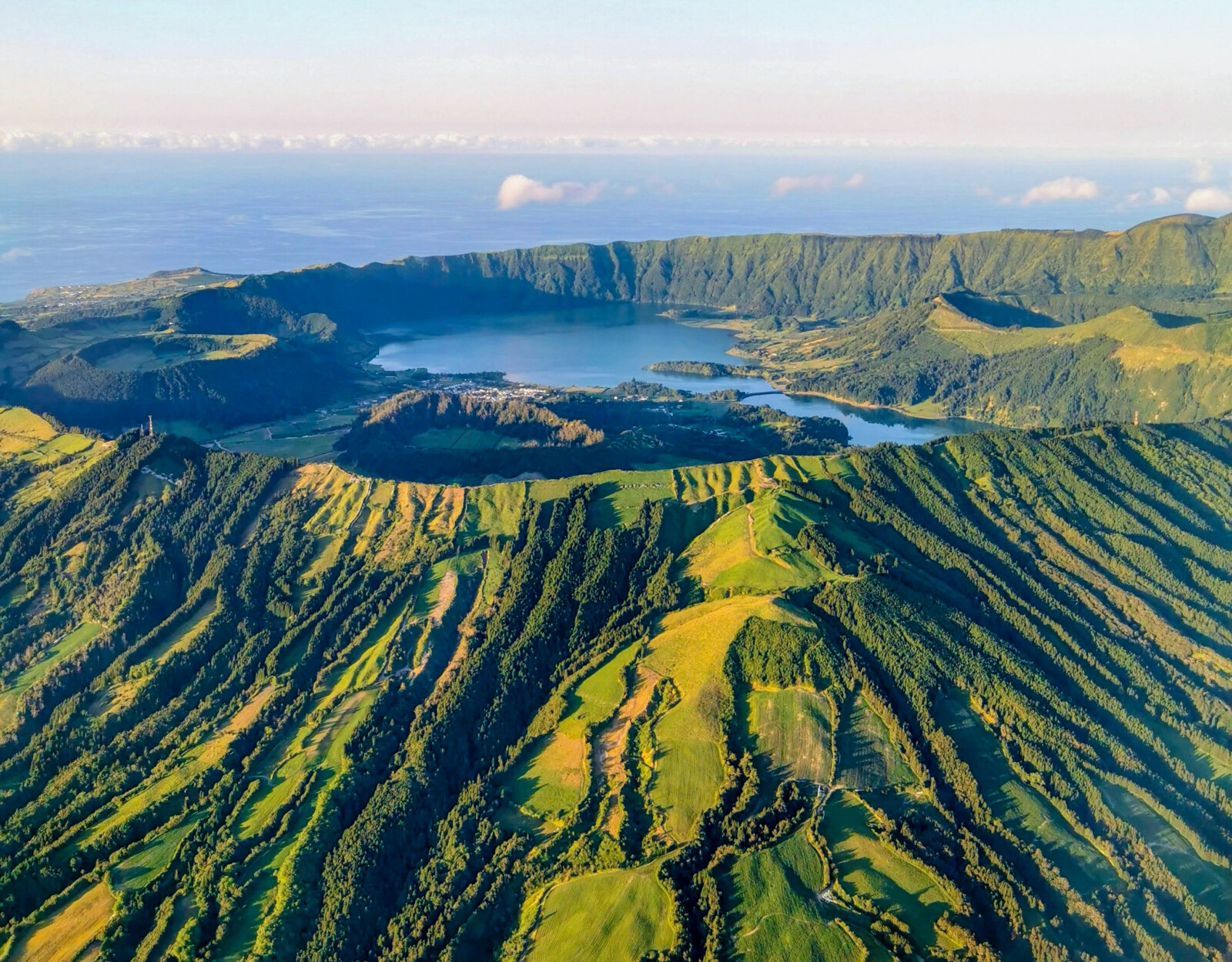
Dual Lacustrine Systems within the Sete Cidades Volcanic Caldera by Rui Fagundes Silva
An aerial perspective of one of the most iconic polygenetic volcanoes in the Azores. The image shows the large caldera containing the distinctive dual lake system. From a geoscientific standpoint, it showcases the result of successive collapse events and the complex hydrological systems that develop within dormant volcanic structures.
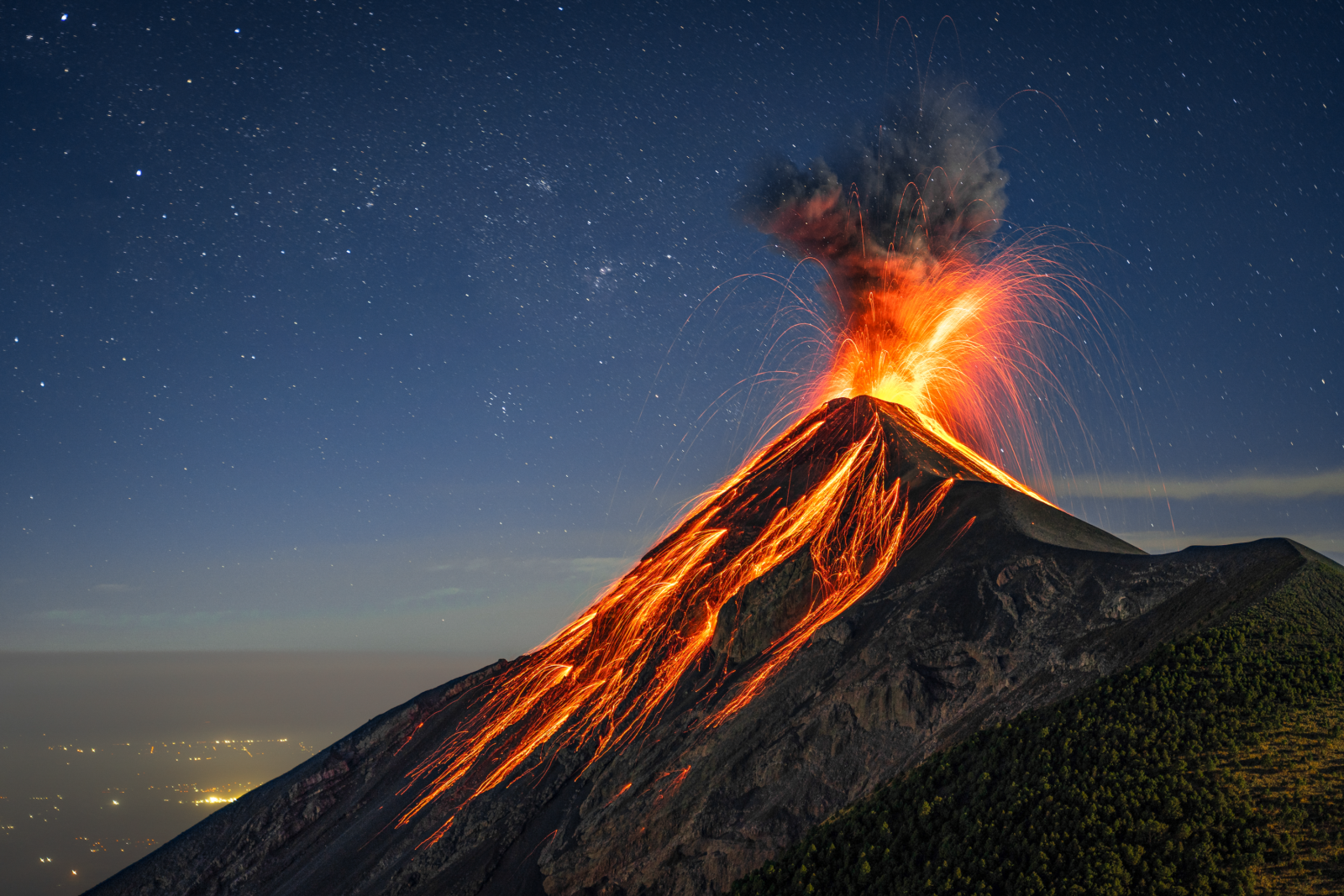
Chi Q’aq’ – A Trinity of Light by Bastian Steinke
Growing population numbers mean that our space of living is shifting, and that we are forced to live closer to destructive forces of nature. Volcán de Fuego in Guatemala displays constant fusion of destruction and regeneration – yet, the local population has mastered the challenge of melting into this natural rhythm. While from a scientific point of view we are inclined to identify volcanism as a threat to humanity, Chi Q’aq (Fuego’s indigenous name) also manifests as brother, shelter, playground, and constant companion to those living nearby. To recognise and respect this connection is an important task for those seeking to understand the relationship between humans and natural patterns. The photo shows an eruption of Chi Q’aq at 01:12am local time on a clear night in February, with some of the sleeping city lights down below.
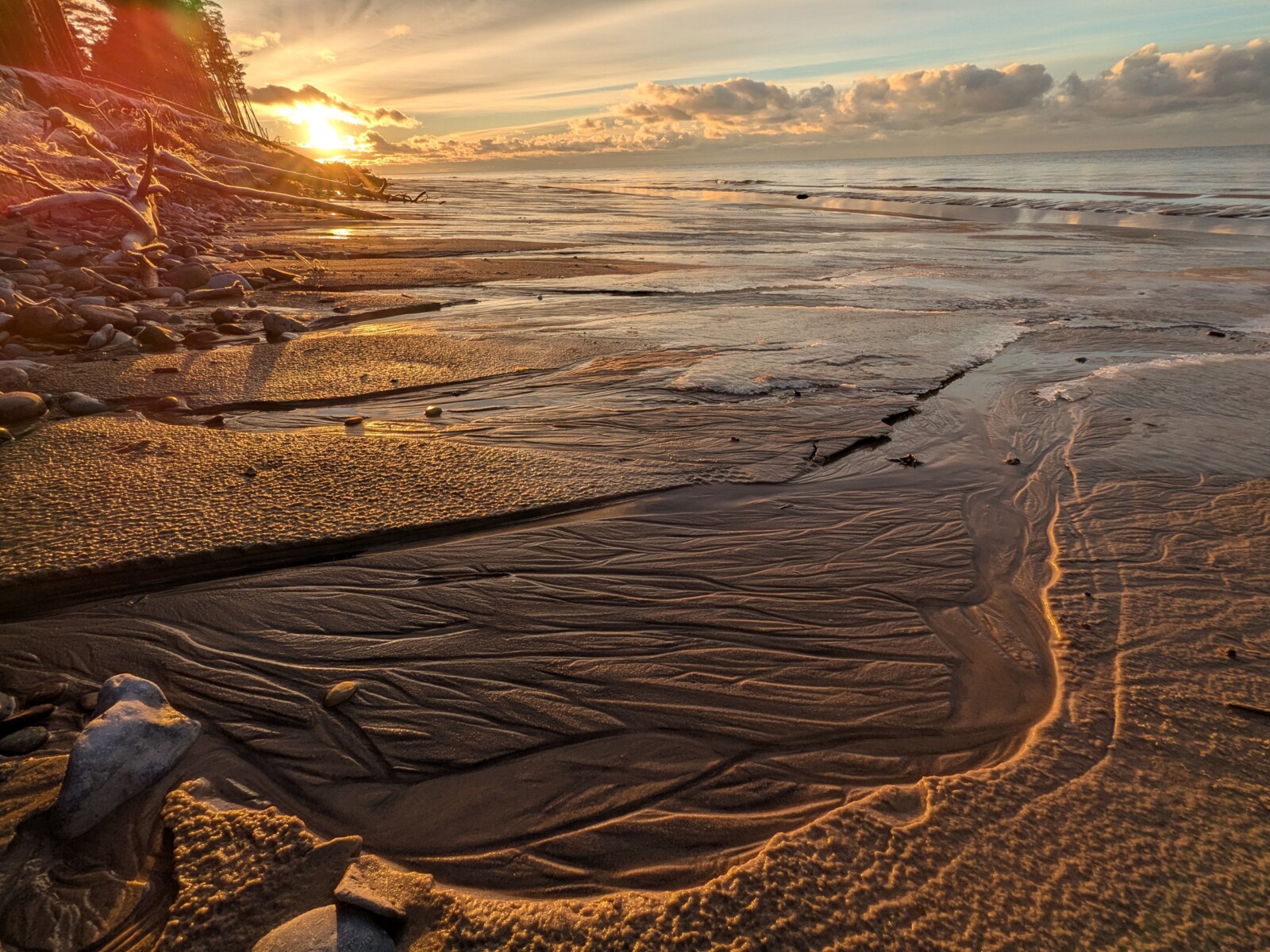
Frozen Rivulets of the Baltic Coast by Michal Šujan
On the frozen Latvian coast of the Baltic Sea in late November, groundwater emerges onto the frozen beach and cuts delicate braided rivulets through icy sand.