TS
Tectonics and Structural Geology

regional geology

Exploring Earth’s interior with analogue models: The case of slow earthquakes
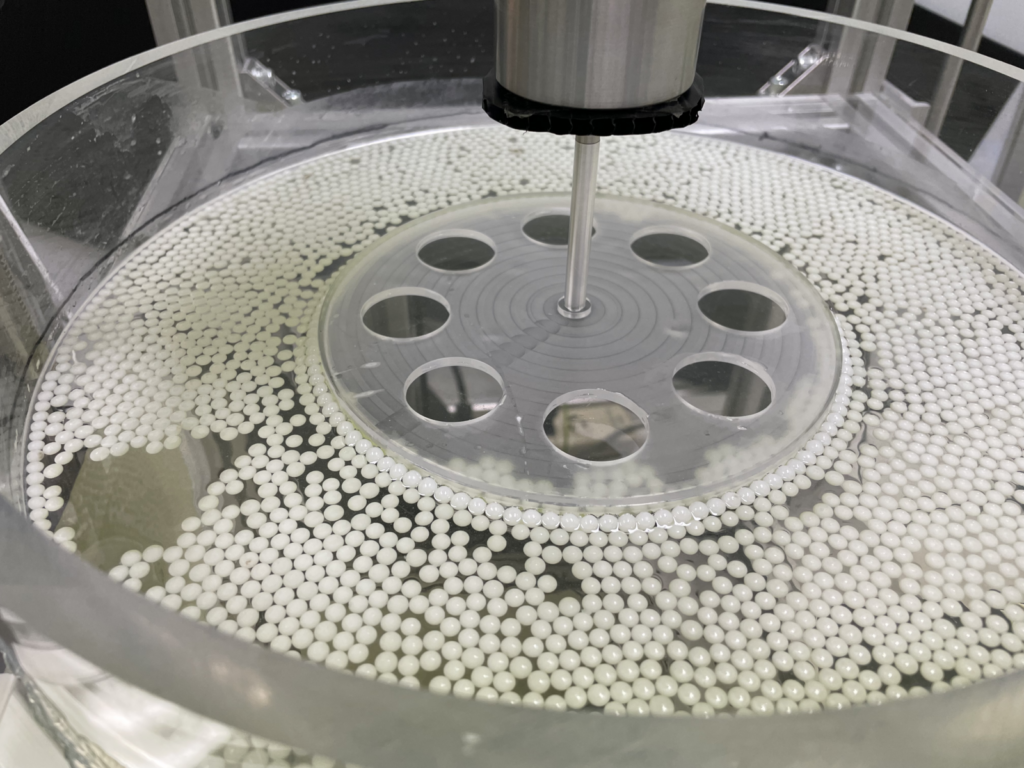
Analogue experimental setup of spherical hydrogel suspension.

Have you ever heard of “analogue modelling”? In solid Earth science, directly observing the Earth’s interior is challenging, and the analogue modelling approach often overcomes this limitation by using alternative systems analogous to natural phenomena. By identifying fundamental mechanisms in these tractable systems, we can apply physical scaling laws to understand processes deep within the …[Read More]

Berlin – the city of unusual geology

Berlin – the city of unusual geology

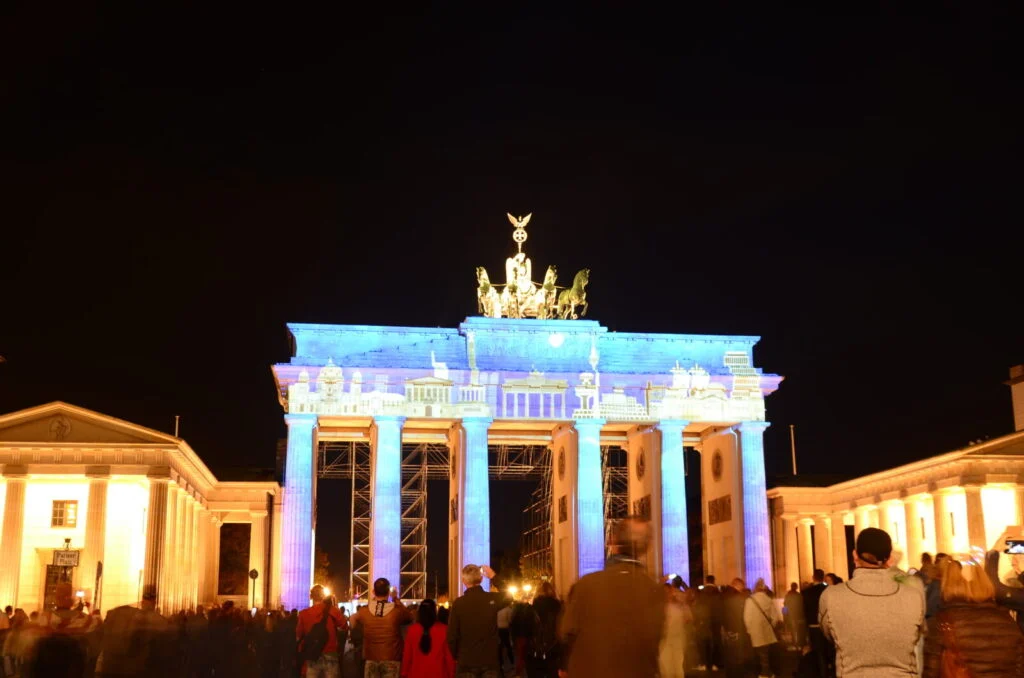
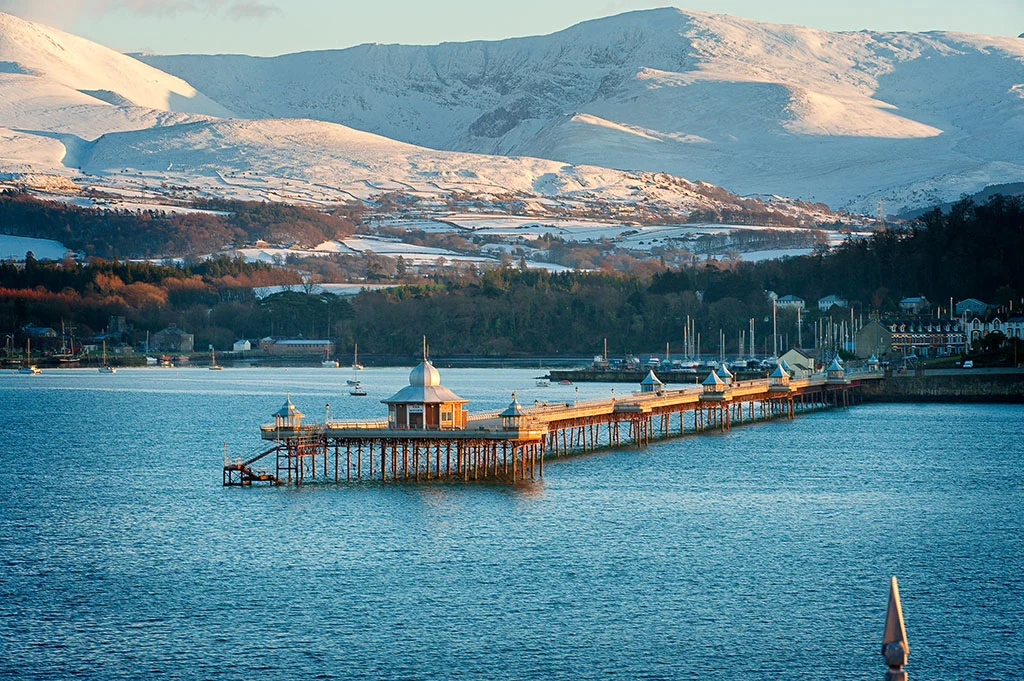
“There is no geology here – just dirt!” or “It’s only a large sandbox.” are two common narratives told about the geology of the Berlin region. But is that true? Is there really nothing interesting to find and see for a geologist in the German capital? Let’s start digging! The hard rock One narrative is …[Read More]

Where earthquake faults reach the ground surface: insight from 2016 Kumamoto event

Where earthquake faults reach the ground surface: insight from 2016 Kumamoto event

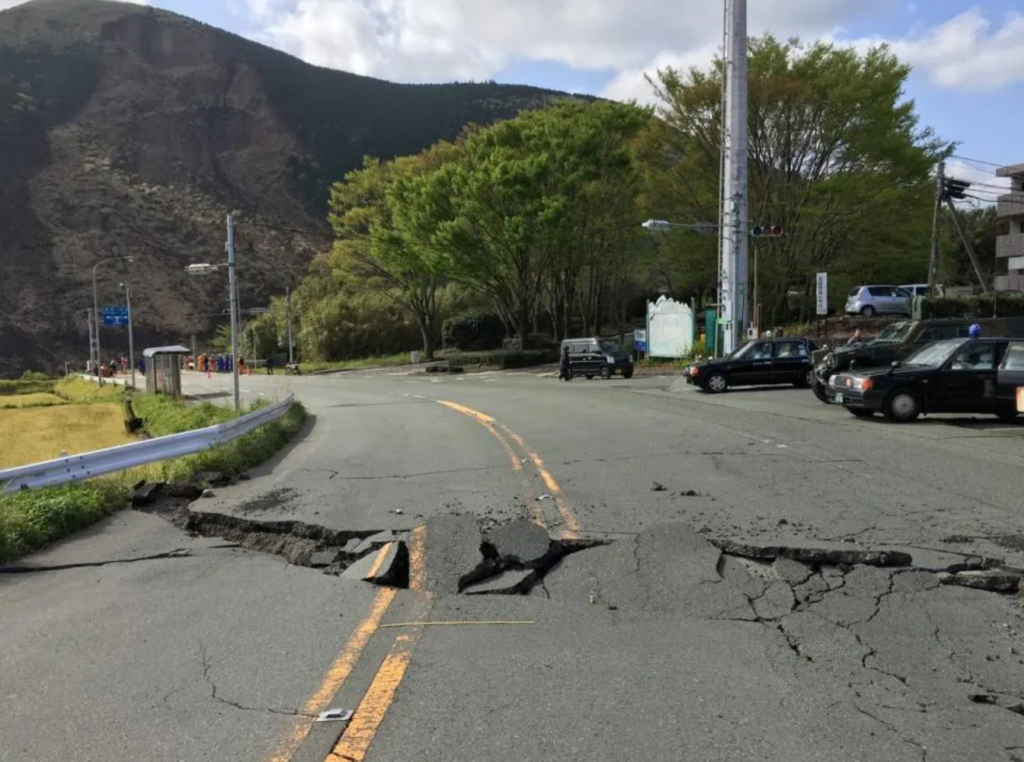
What does a seismogenic fault look like? We can sometimes observe surface earthquake faults, which propagate ruptures from the hypocenter to the ground surface. In 2016, intense seismicity was observed during the Kumamoto earthquake sequence in Japan. This sequence consisted of many shallow earthquakes, including a strong foreshock and the subsequent mainshock with numerous aftershocks. …[Read More]

Ana Margarida Neiva – A woman as hard as granite

Ana Margarida Neiva – A woman as hard as granite

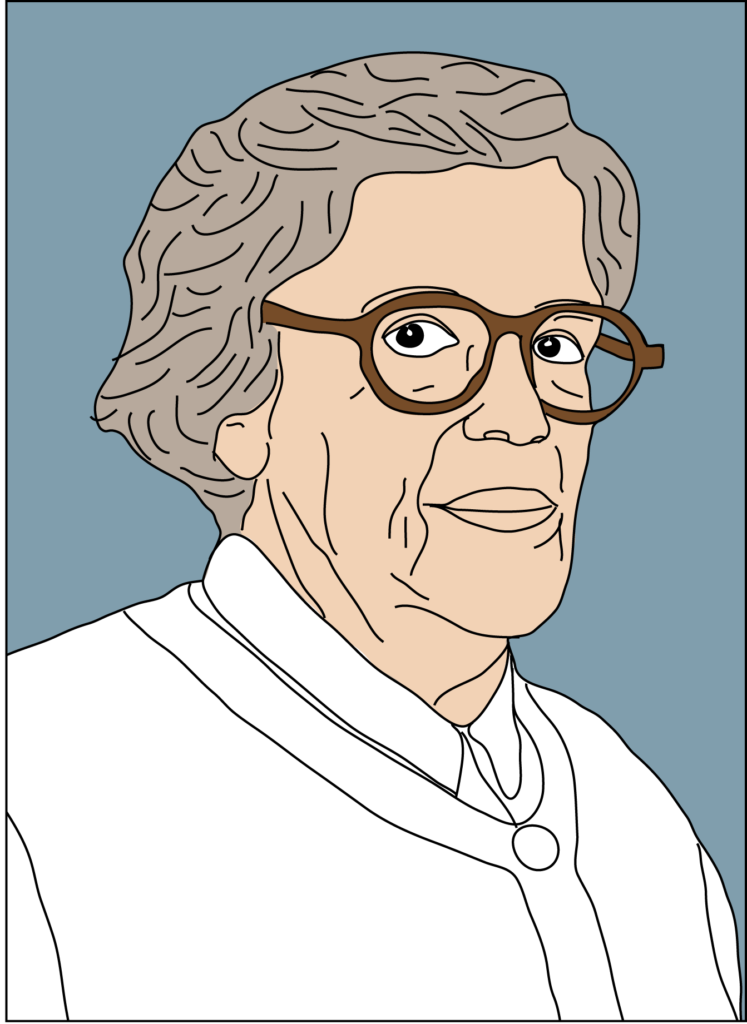
  Ana Neiva was born on May 7 1941 in Cedofeita, Porto, northwest Portugal – a city carved in granite. Her childhood and youth were spent in Coimbra, where her father worked. João Cotelo Neiva was an eminent geologist and professor at the University of Coimbra, one of Europe’s oldest universities. His influence was decisive …[Read More]

How Rome and its geology are strongly connected

How Rome and its geology are strongly connected

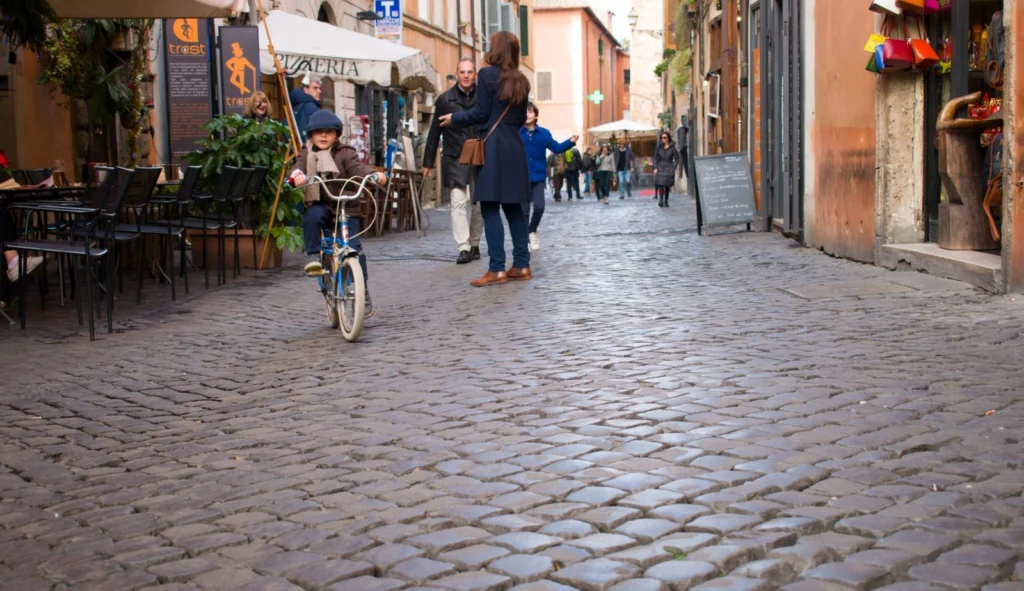
Walking through an ancient and fascinating city like Rome, there are signs of history everywhere. The whole city forms an open-air museum, full of remnants of many different times the city has known, from the Imperial to the Medieval times, the Renaissance, the Fascist period, and finally the present day version of Rome. For historians …[Read More]