TS
Tectonics and Structural Geology

Yuto Sasaki

Yuto Sasaki is a PhD student in the Department of Earth and Space Science at the University of Osaka (Japan). His research is focused on the origin of statistical differences between slow and regular earthquakes, primarily through analog experiments as well as numerical simulations. The brittle-ductile transition forms the core of his research interests, spanning from brittle failure to rock viscoelasticity.

Pathways of force within granular layers
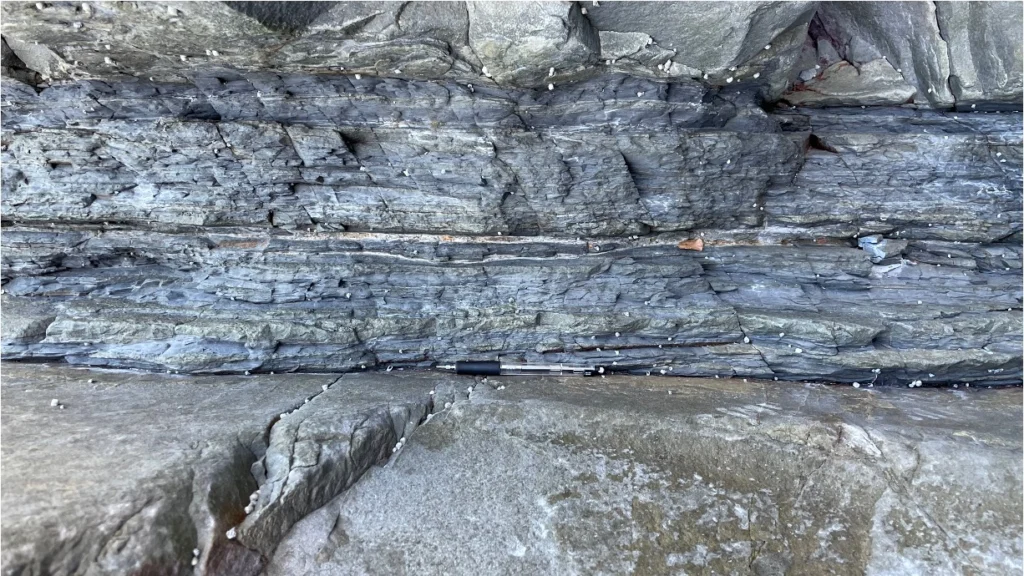
Pathways of force within granular layers
Earth’s surface is covered by many kinds of granular materials, including sediments and soils. Below ground, grains are also widespread in unconsolidated deposits and fault zones; even polycrystalline rocks deep inside the Earth are made up of mineral grains. These materials deform under their own weight and external forces, but what forces act inside them? …[Read More]

Exploring Earth’s interior with analogue models: The case of slow earthquakes

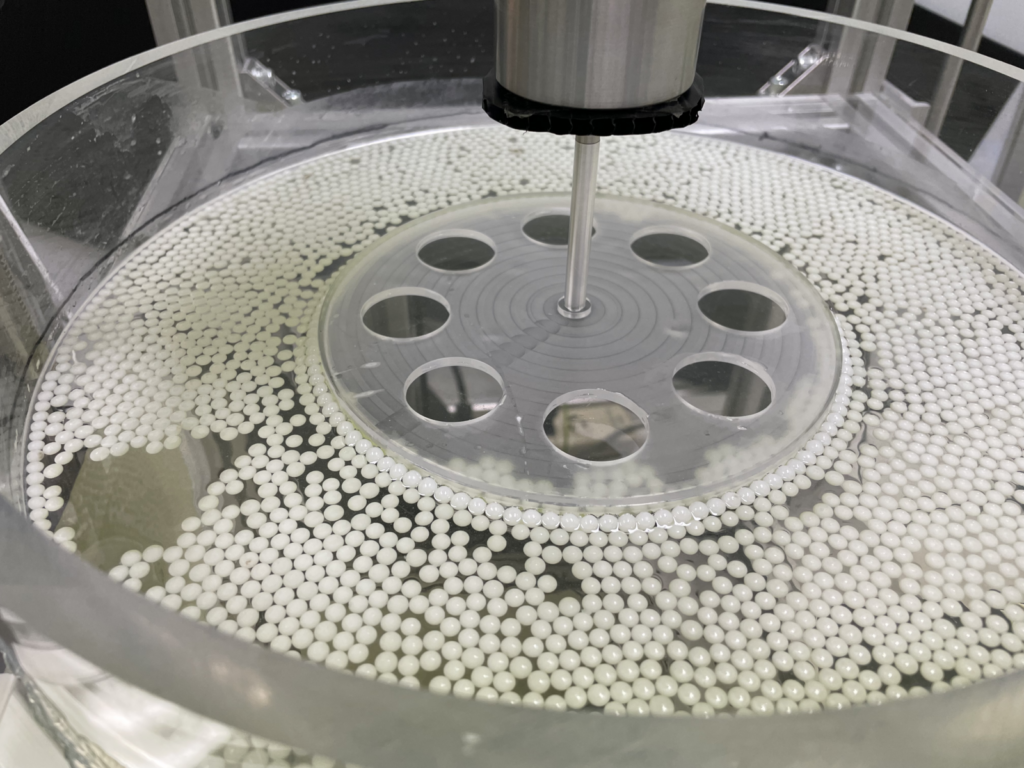
Analogue experimental setup of spherical hydrogel suspension.

Have you ever heard of “analogue modelling”? In solid Earth science, directly observing the Earth’s interior is challenging, and the analogue modelling approach often overcomes this limitation by using alternative systems analogous to natural phenomena. By identifying fundamental mechanisms in these tractable systems, we can apply physical scaling laws to understand processes deep within the …[Read More]

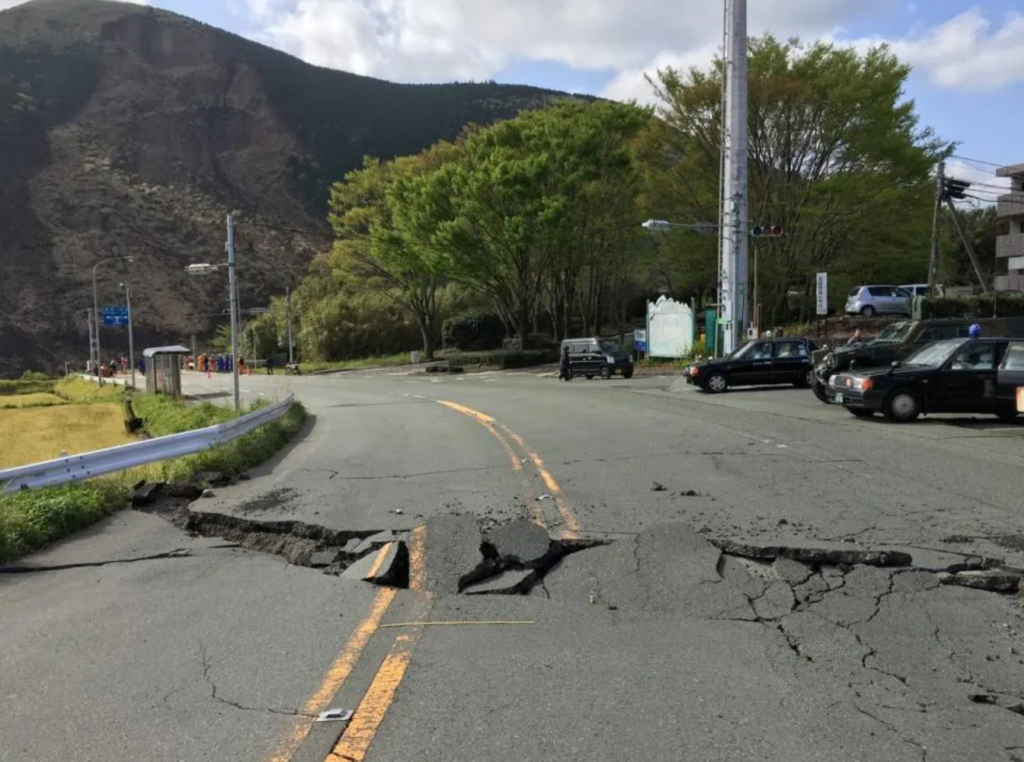
Where earthquake faults reach the ground surface: insight from 2016 Kumamoto event

Where earthquake faults reach the ground surface: insight from 2016 Kumamoto event

What does a seismogenic fault look like? We can sometimes observe surface earthquake faults, which propagate ruptures from the hypocenter to the ground surface. In 2016, intense seismicity was observed during the Kumamoto earthquake sequence in Japan. This sequence consisted of many shallow earthquakes, including a strong foreshock and the subsequent mainshock with numerous aftershocks. …[Read More]