TS
Tectonics and Structural Geology

Faults

Exploring Earth’s interior with analogue models: The case of slow earthquakes
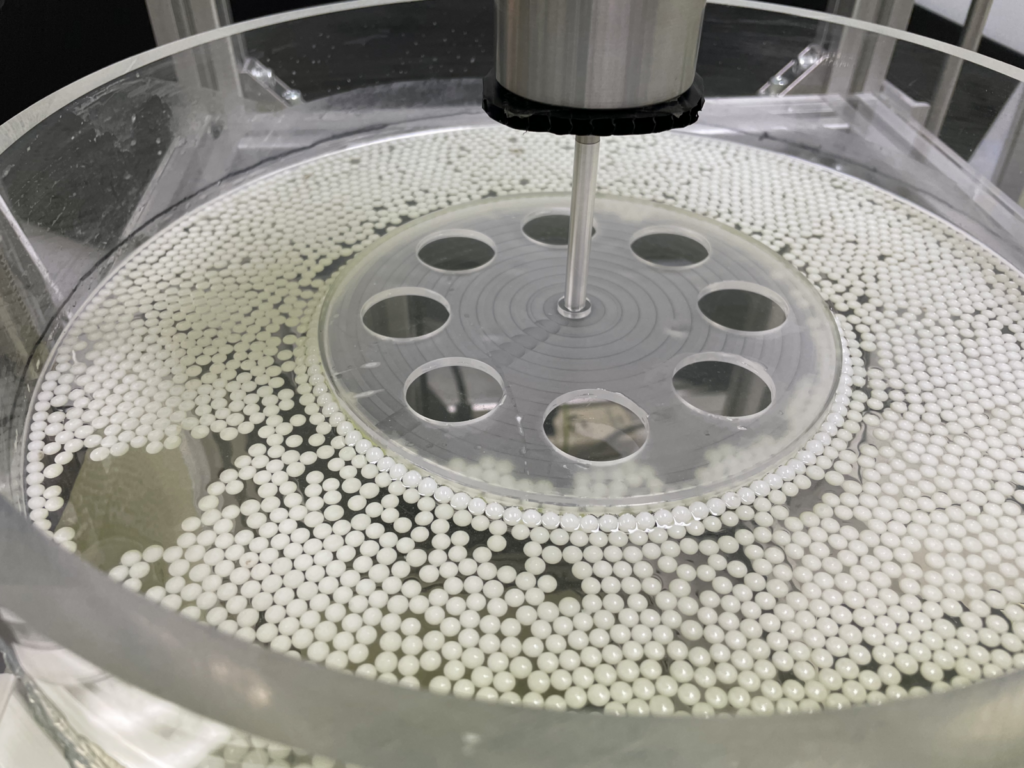
Analogue experimental setup of spherical hydrogel suspension.

Have you ever heard of “analogue modelling”? In solid Earth science, directly observing the Earth’s interior is challenging, and the analogue modelling approach often overcomes this limitation by using alternative systems analogous to natural phenomena. By identifying fundamental mechanisms in these tractable systems, we can apply physical scaling laws to understand processes deep within the …[Read More]

Faults vs. Fractures — How to Tell Them Apart ?

A futuristic Black geologist wearing AR glasses stands in a glowing cave surrounded by four holographic screens labeled Geological Aspect, Geometry, Topology, and Kinematics & Mechanism, each displaying geological diagrams and fracture models, symbolizing modern geoscience visualization.

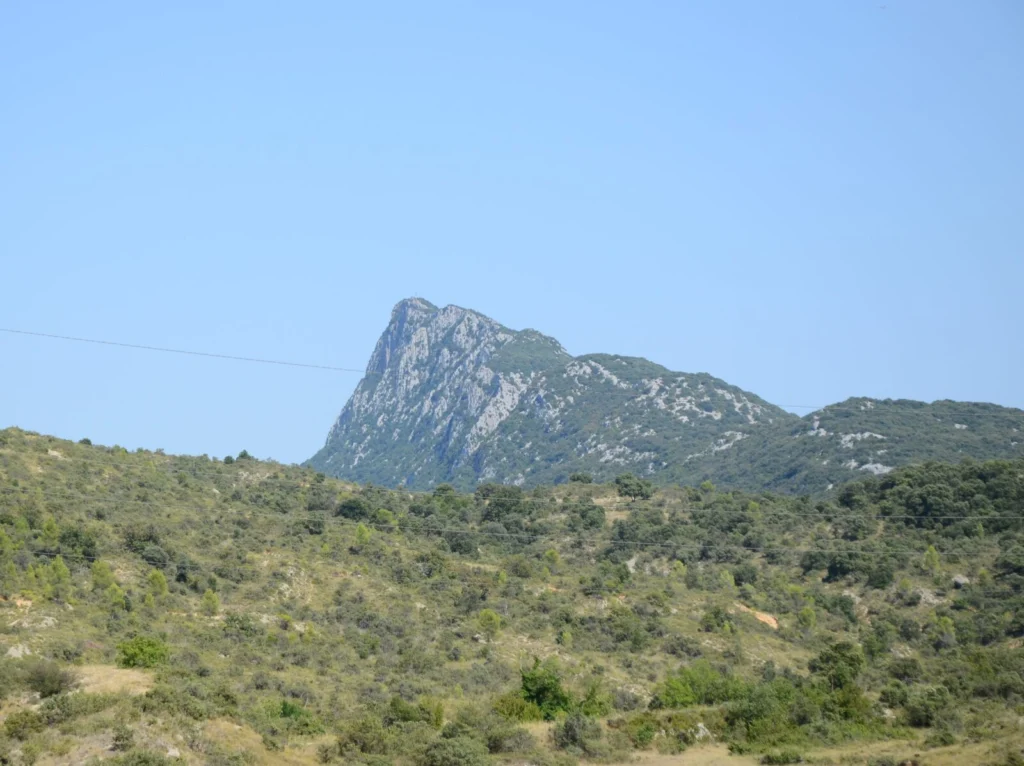
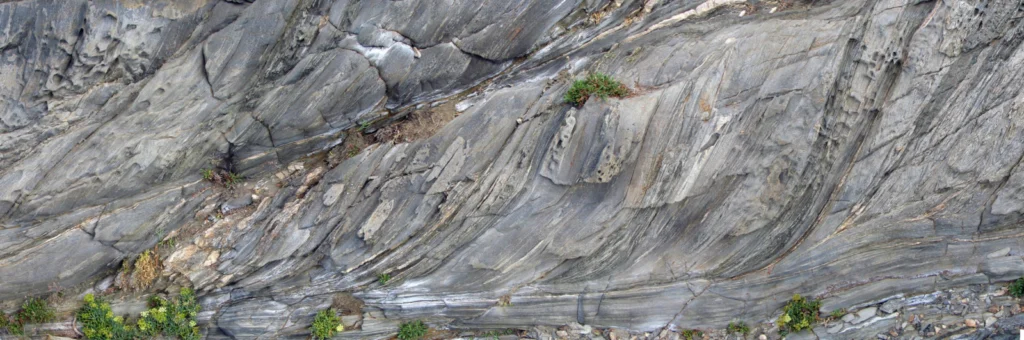
Faults and fractures can sometimes be confusing, especially for students taking their first geology courses. When they go hiking in the mountains and see a crack in the rock, they often wonder — is this a fracture or a fault? Even scientists sometimes mix the two terms, so it’s good to understand the difference. Since …[Read More]

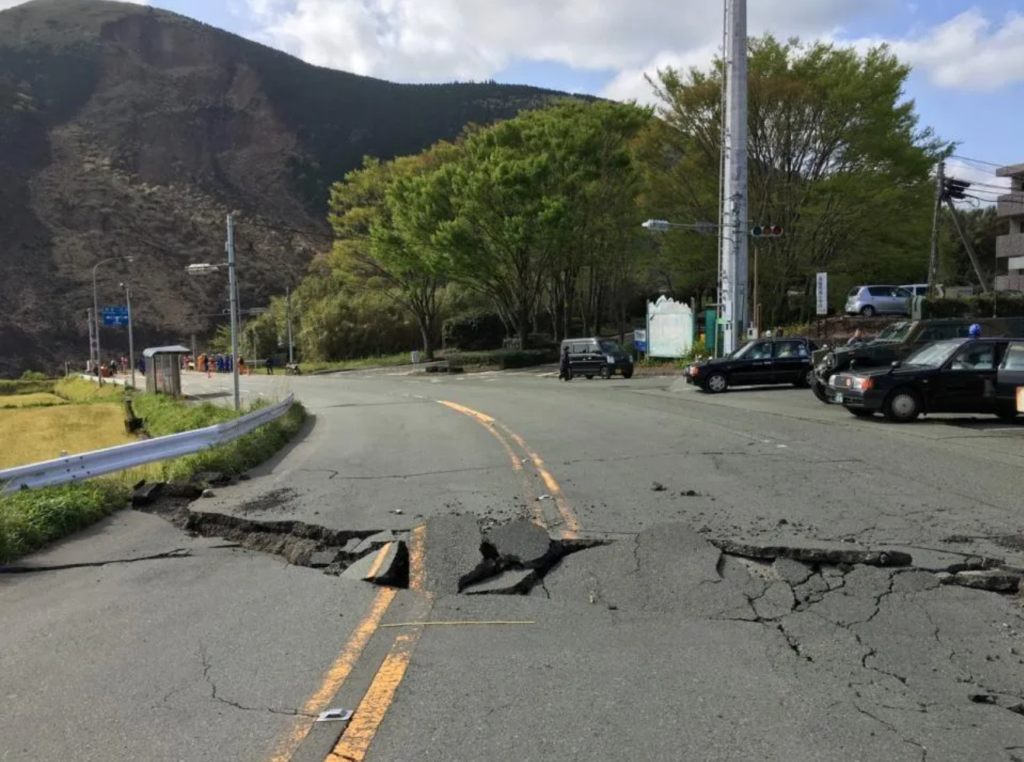
Where earthquake faults reach the ground surface: insight from 2016 Kumamoto event

Where earthquake faults reach the ground surface: insight from 2016 Kumamoto event

What does a seismogenic fault look like? We can sometimes observe surface earthquake faults, which propagate ruptures from the hypocenter to the ground surface. In 2016, intense seismicity was observed during the Kumamoto earthquake sequence in Japan. This sequence consisted of many shallow earthquakes, including a strong foreshock and the subsequent mainshock with numerous aftershocks. …[Read More]

TS Must-Read – Cowie (1998) A healing-reloading feedback control on the growth rate of seismogenic faults

TS Must-Read – Cowie (1998) A healing-reloading feedback control on the growth rate of seismogenic faults

This study provides a simple numerical model of fault rupture that describes the development of fault systems from the initial nucleation of numerous small faults to the localisation of deformation into few major faults. The model presented is based on two main considerations: first, earthquakes cause stress changes that can either advance or delay failure …[Read More]

TS Must-Read – Caine et al., 1996 Fault zone architecture and permeability structure

TS Must-Read – Caine et al., 1996 Fault zone architecture and permeability structure

Caine et. al. (1996) is a cornerstone paper which describes, compares and quantifies brittle fault zones and their permeability (fluid flow) properties from observations. Doing so, the paper initiates the accumulation of information on the permeability of brittle fault zones described previously (Randolph and Johnson 1989; Scholz 2019; Byerlee 1993). The study begins by defining …[Read More]

Patience Anne Cowie (1964 – 2020): A Geology Superhero

Patience Anne Cowie (1964 – 2020): A Geology Superhero

Welcome to the first post in a new series being hosted on the TS blog! This series “Influential women of Tectonics and Structural Geology” is aimed at highlighting women who have had a key contribution to the field of tectonics and/or structural geology. Patience’s contribution to the field of faults changed the way geologists looked …[Read More]